
125 Sister Servants Lane, sloatsburg, NY 10974
To contact a resident: (845) 753-2555
For more information about senior living options: (866) 208-4318
Overall Review of St. Joseph's
Pros
 The facility is a wonderful adult home for loved ones, run by Sister Servants of Mary Immaculate.
- Its grounds are beautiful.
- The food is homemade and delicious.
- Residents are well cared for.
- St. Joseph's cares for its elderly with love, respect, and professionalism.
- The staff is lovely and caring.
Cons
 Sister Michelle is not professional when contacted and would not give the inquirer the time of day after they tried to reach out.
Review
St. Joseph’s in Sloatsburg is best suited for families seeking a small, homelike assisted living option where faith-based care reinforces daily living. Run by the Sisters Servants of Mary Immaculate, the community radiates warmth, dignity, and a personal touch that many larger facilities struggle to maintain. The grounds are inviting, meals are homemade and comforting, and residents tend to be well cared for with a professionalism that prioritizes safety without sacrificing respect for independence. This setting appeals to seniors who value meaningful interaction with attentive staff and fellow residents, and who prefer a predictable routine over a cookie-cutter institutional feel. The strongest caveat is availability: demand runs high and openings can be scarce, so advance planning is essential.
Those who should consider alternatives include families needing rapid placement, extensive medical oversight, or a non-religious environment. A loved one with complex dementia, frequent skilled nursing needs, or rehab requirements may outgrow the small home's resources. The religious orientation and intimate staff dynamic, while strengths, may not align with every family’s preferences or care plan. One consistent note from families is the challenge of securing prompt communication at times, and a perception that administrator responsiveness can vary. With a waiting list that stretches far, the timing of admission becomes a practical hurdle, making other options appealing for families that cannot tolerate long deliberation.
On the positive side, the program’s pros create a meaningful offset to these potential drawbacks. The homemade meals and the care-focused staff cultivate a sense of home that translates into calmer days and fewer disruptive incidents. Residents repeatedly appear to be treated with respect, professional handling of daily routines, and warmth that sustains morale. A well-kept environment and attractive grounds support comfortable living, while staff familiarity with residents enables quick identification of subtle health changes and personal preferences. These advantages are particularly valuable for families who prioritize continuity of relationships and a gentle pace over the more transactional feel of larger campuses.
However, the most significant cons bear careful consideration. The smallest setting means limited openings and a near-constant waitlist, which can derail timely plans. Communication glitches or moments of perceived unprofessionalism, such as a reluctance to engage with families when questions arise, can shake confidence during the critical decision phase. The lack of scale may also limit programming variety, specialized care paths, or on-site complexity required by residents with advanced medical needs or memory care. In short, St. Joseph’s excels as a warm, individualized home but is not a substitute for a facility with full-time medical teams or extensive activity menus.
Decision-makers should assess fit with a practical checklist. Visit with prospective residents, observe how staff interact, and ask for examples of how health changes are managed day-to-day. Inquire about current wait times, transfer agreements, and what support exists for families who need frequent updates. Compare this home’s approach to care with nearby options that offer larger teams, more structured programming, or memory-care wings. Clarify dietary standards, religious activities, and transportation options, then weigh these against budget and long-term goals. If immediacy is critical or if a higher level of medical oversight is non-negotiable, alternatives should be prioritized.
Ultimately, St. Joseph’s serves a distinct niche: a small, faith-centered home where warmth, personal attention, and homemade nourishment define daily life. For seniors who prize these attributes and can tolerate the trade-offs of limited openings and a potentially variable administrative responsiveness, it offers compelling value. Families with urgent placement needs, more intensive medical or memory-care requirements, or a preference for non-religious settings should pursue other options while keeping St. Joseph’s on the short list for a future, less encumbered move. A disciplined tour, a candid conversation about expectations, and a clear plan for contingencies will yield the best concrete decision.
 Assisted Living
 Activities on-site
 Devotional services off-site
 Indoor common areas
 Ambulatory care
 Diabetic care
 Meals provided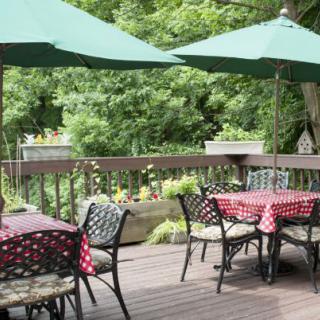




 When to Transition from Assisted Living to Memory Care: Key Indicators, Steps, and Finding the Right Community
 Assisted Living and Memory Care: Understanding Their Core Differences
 Beyond the Bingo Hall: 50+ Enriching Activities for Seniors in Assisted Living