
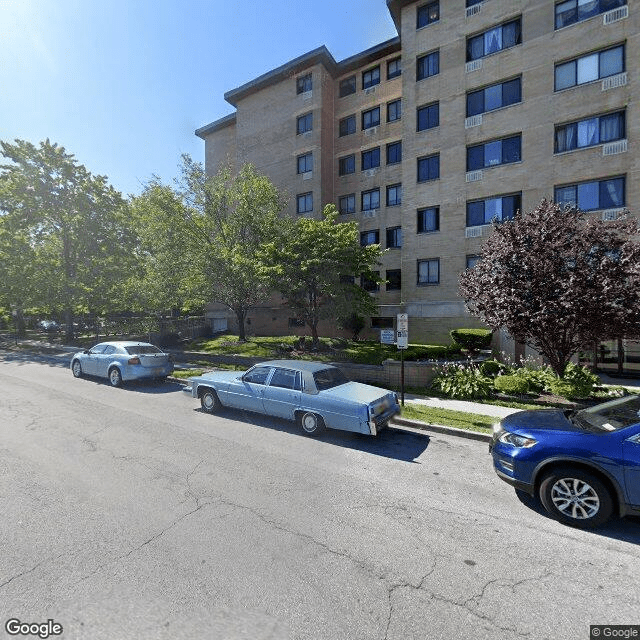
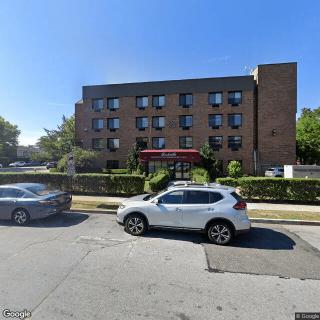
40 Maine Ave, Rockville Centre, NY 11570
To contact a resident: (516) 766-4499
For more information about senior living options: (866) 208-4318
Mill River House Assoc Costs & Pricing
Mill River House Association offers competitive pricing when compared to both Nassau County and the broader New York state averages. For instance, a studio apartment at Mill River is priced at $3,650 per month, significantly lower than Nassau County's average of $6,045 and also below New York's average of $4,532. Similarly, the one-bedroom units are available for $6,000, which is quite favorable compared to Nassau's rate of $6,764 and notably higher state average of $4,307. The two-bedroom options stand out as well at $10,000 per month; while this is higher than both county ($7,912) and state averages ($4,786), it reflects the unique amenities and services Mill River House provides that may justify this premium. Overall, while some unit types align closely with or exceed local averages, the overall offerings present a compelling case for value in a region where housing costs can be steep.
| Floor plans | Mill River House Assoc | Nassau County | New York |
|---|---|---|---|
| Studio | $3,650 | $6,045 | $4,532 |
| 1 Bedroom | $6,000 | $6,764 | $4,307 |
| 2 Bedrooms | $10,000 | $7,912 | $4,786 |
Senior living communities with a similar price nearby
-
from +$500 / mo

Elder Home Care - Queens, NY
$4,150 to $4,475 / month11.1 miles away -
from -$150 / mo

Pleasantview Home for Adults
$3,500 to $6,500 / month21.8 miles away -
from +$150 / mo
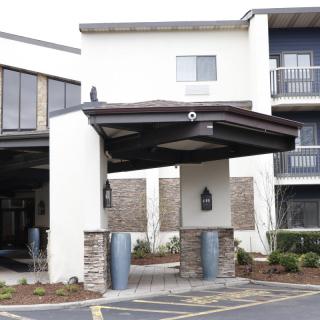
The Residences at Plainview By Chelsea Senior Living
$3,800 to $6,900 / month11.8 miles away -
About the same
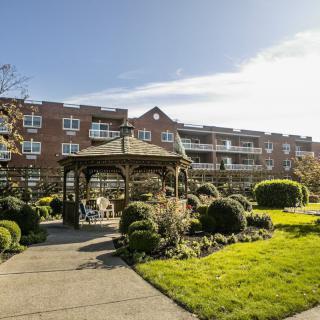
Plattduetsche Home Society
$3,650 to $6,250 / month3.5 miles away -
from -$650 / mo
The Kensington White Plains
$3,000 to $6,588 / month20.1 miles away
Overall Review of Mill River House Assoc
Pros
 Ms. Powell is such a pleasure and very professional.
- The staff were very helpful.
- They are looking forward to a long-term relationship here.
Cons
 The communication is terrible; the property manager billed a balance that was not owed.
- The fees were never explained and it was unclear whether they were legitimate charges or how to pay them.
- Phone lines were not answered for years and dozens of messages went unreturned.
- Rodents and roaches are present everywhere in the building.
- There is hostility among residents, with harassment and threats.
- The staff are unprofessional and make residents feel uncomfortable.
- The building houses ex-convicts and other dangerous individuals, and management does not properly screen renters.
- It is not recommended for vulnerable or elderly individuals to live there.
Review
Mill River House Assoc in Rockville Centre is best suited for independent seniors who want an affordable, no-fruss, straightforward living option and who can tolerate variable management responsiveness. The setting appears to work best for residents who do not require intensive on-site support or daily oversight, and for families that are prepared to take an active, hands-on role in monitoring billing, safety, and neighbor dynamics. Those who need reliable, proactive management, consistent communication, and a strongly screened resident community should look at alternatives instead. The combination of mixed reviews on management conduct and safety considerations suggests this community rewards residents who can advocate for themselves and lean on family oversight rather than expecting a uniformly well-run experience.
On the plus side, several reviews highlight pockets of professionalism and helpfulness that can make a real difference day to day. Ms Powell is cited as a standout, described as a pleasure and very professional, and some commenters note that staffing can be supportive and open to building a longer-term relationship. The practical value of on-site parking is also mentioned, which matters in a suburban/urban fringe setting where mobility and ease of access are real conveniences for daily routines, medical visits, and errands. For residents who can align with the current staff culture, these elements can translate into a workable, if imperfect, living experience and occasional positive interactions that reinforce a sense of stability.
Yet the strongest, most consequential themes across the reviews are troubling. Communication is repeatedly described as terrifically poor, with a persistent pattern of unanswered calls, ignored messages, and billing disputes that linger for years. A balance due can turn into ongoing friction if the property manager and corporate channels won’t engage. When the financial side feels unsettled or opaque, trust erodes quickly, and residents or their families end up spending disproportionate time chasing clarity instead of focusing on daily life. That kind of systemic communication failure bleeds into every other interaction with management and makes even routine matters feel uncertain and frustrating.
Environmental and safety concerns compound the communication issues. Reports of rodents and roaches, plus a climate of discomfort and hostility among some residents, create a sense of instability that is hard to overlook. The presence of individuals with lengthy criminal records and what is described as inadequate screening has direct implications for safety and peace of mind. When threats and harassment surface, as some accounts recount, the burden falls on residents and families to navigate unclear processes for protection, grievance resolution, and transition plans. In short, the cons here are not minor annoyances; they touch on basic living safety, health, and financial assurance, areas where residents need unwavering reliability.
Given those dynamics, prospects should consider alternatives if safety, consistent communication, and transparent billing are non-negotiable. For seniors who require a higher degree of assurance, whether through better screening of tenants, more responsive management, or stronger pest control and maintenance regimes, other communities are likely to offer a calmer, more predictable environment. If choosing Mill River House, it should be with a clear strategy: establish a direct point of contact for finances, insist on written, itemized statements, request routine updates, and set explicit expectations for issue resolution. Without that structure, the downsides can disproportionately shape daily life, eroding the perceived value of the price point.
The practical path forward is decisive and leads to concrete steps before moving in. Require a current, detailed ledger of charges with explanations for every item and a guaranteed response window for inquiries. Request a formal pest-control and housekeeping plan with measurable targets and regular reporting. Seek a tour of the property with a current resident or family member to observe interactions between staff and residents in real time, and ask for a copy of the resident screening policy to understand how safety is managed. Finally, demand a written policy on complaint handling, escalation, and accountability, up to corporate contact, so concerns do not vanish into voicemail. If these assurances cannot be documented and upheld, the prudent choice is to pursue options that offer steadier communication, stronger safety nets, and cleaner, more predictable operations.
 Board and Care Home
 John F Kennedy International (7 miles away)


 Navigating the Financial Road to Nursing Home Care: In-Depth Guidance and Resources
 Supportive Employee Benefits That Help Caregivers Attain Better Work-Life Harmony
 Top Cars for Senior Drivers and Essential Safety Innovations