
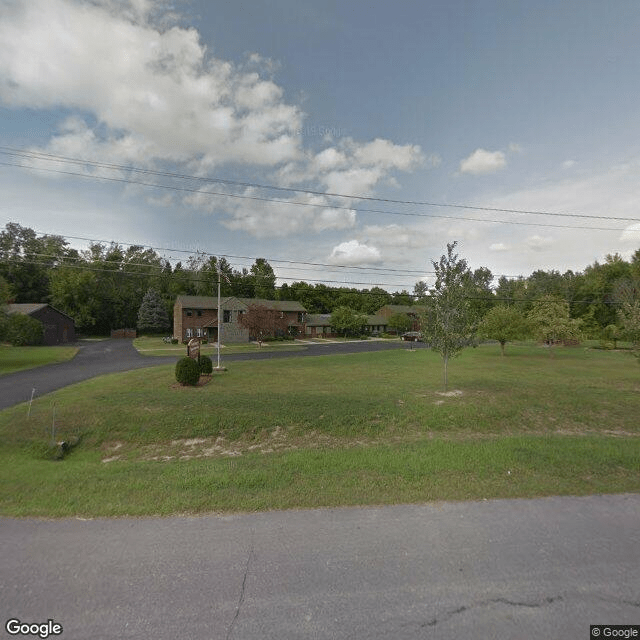
2320 Ford St Ext, Ogdensburg, NY 13669
To contact a resident: (315) 393-9425
For more information about senior living options: (866) 208-4318
Overall Review of United Helpers Act Team
Cons
 They did nothing for him and put him away, despite him living alone.
- The stay at the ward made him physically sicker.
Review
United Helpers Act Team in Ogdensburg, NY is not a match for seniors who need reliable daily support. The single, detailed review paints a picture of a facility that fails to provide timely assistance and leaves residents to fend for themselves. For an older adult living alone, the experience signals a real risk of neglect and health decline rather than safety or comfort. The best-case characterization is that the place might shelter someone with extremely low care needs who can tolerate minimal interaction or supervision, but that scenario scarcely justifies the risk. In short: this is not a strong fit for anyone expecting proactive care.
Families prioritizing safety, responsiveness, and transparent caregiving should look elsewhere. Prospective residents with needs such as medication management, mobility assistance, fall prevention, or cognitive support will want to consider other options immediately. Alternatives should offer documented staffing levels, prompt response times, and regular engagement with residents, not a program that places individuals in wards or leaves health issues unaddressed. If access to reliable in-house care is essential, this community should not be first on the list. Even for those with tight budgets or limited geographic options, the risk of harm outweighs any potential savings.
Prospects from the reviewed experience are negligible; as a result, no offset exists. The absence of reported positive aspects means any potential benefits, stability of housing, basic meals, or shelter, do not counterbalance the core failure: a lack of proactive care. When a resident shows signs of distress or needs assistance, the response appears insufficient, and the harm from delays can compound health problems. In practical terms, the few predictable advantages of placement (structure, routine) cannot outweigh the risk of being neglected or left untreated. That imbalance drives families to seek facilities with stronger commitments to resident welfare.
Primary drawbacks are safety failures and neglect. The most pointed critique, “they did nothing for me but put me away”, summarizes a pattern of disengagement and confinement rather than support. A ward stay that worsens health indicates serious gaps in medical oversight, monitoring, and timely interventions. The emotional toll of feeling discarded or forgotten compounds the physical risk. This combination undermines the core purpose of assisted living, which is to sustain independence while providing dependable help. Without visible accountability or consistent staffing, the experience becomes unsafe rather than comforting.
For families weighing options, implement a rigorous evaluation checklist. Demand detailed staffing data, including numbers per shift, qualifications, and on-call protocols. Observe response times during tours, and speak with current residents or families about responsiveness. Request written care plans with explicit escalation procedures and know who makes medical decisions. Compare facilities based on documented incident reports, licensure status, and the ability to customize services as needs evolve. If any facility shows signs of delayed responses, neglect, or repeated safety concerns, deprioritize it and proceed toward options with proven track records.
Given the single, strongly negative account, this community should be deprioritized by families seeking dependable support. It is not a prudent choice for anyone who expects to live with daily supervision, prompt care, or ongoing health monitoring. The recommended path is to identify other local options with transparent staffing, visible engagement, and a track record of maintaining residents' health and dignity. If a move is imminent, arrange comparative tours focused on real-time responsiveness, and trust firsthand observations over assurances. In high-stakes decisions, prioritizing safety and reliable care over savings will yield far better long-term outcomes for seniors and their families.

 Comprehensive on-site care and amenities (24/7 supervision, nursing, dining, transportation, fitness, beauty salon, and activities).



 A Detailed Exploration of Living Wills and Advance Directives
 Comprehensive Guide to Medicare Coverage for Hospice Care
 Caring for Those Who Care: Recognizing, Understanding, and Overcoming Caregiver Burnout