
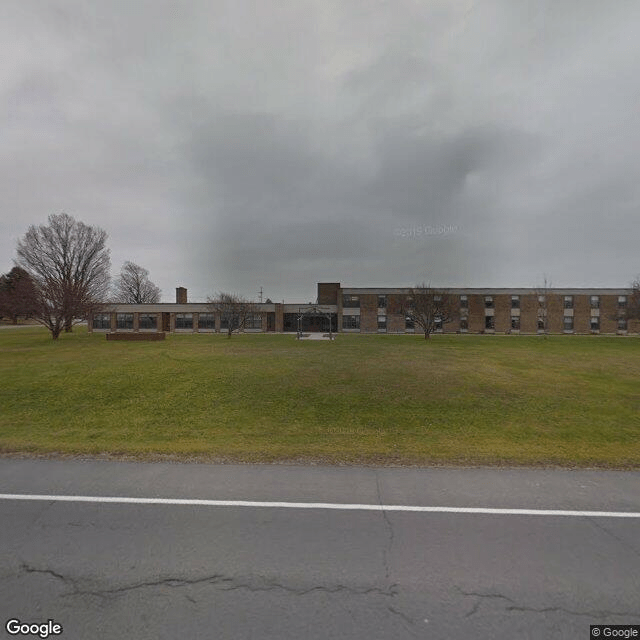
8103 State Highway 68, Ogdensburg, NY 13669
To contact a resident: (315) 393-2567
For more information about senior living options: (866) 208-4318
Overall Review of United Helpers Adult Residence
Pros
 The counselors there are described as great people.
- The staff are described as extremely kind and helpful.
- The nurses knew the residents by name and seemed to genuinely care for them.
- The staff are friendly and attentive.
- The reviewer is glad this is the facility that was chosen.
- The nurses provided regular updates on residents' condition.
Cons
 The place is a joke.
- The process has been a continual struggle just to reach a doctor.
- The staff rushed through documents and failed to explain them clearly.
- They were never apologized after missed appointments, and scheduling was inconsistent.
- The experience caused severe anxiety and required driving to the facility, only to find the staff not present.
- Billing practices were deceptive, charging him hundreds of dollars despite unemployment and misrepresenting insurance coverage.
- United Helpers' management is incompetent and primarily concerned with money.
Review
United Helpers Adult Residence in Ogdensburg is best suited for seniors who prize genuine, person-to-person care from a consistently engaged nursing team and who can tolerate a lean, sometimes slows-to-map administrative engine. It works for residents who already have, or can enlist, external support, such as a family member, a paid care manager, or a dedicated social worker, who can coordinate doctor visits, appointments, and billing. When staff are present and familiar, residents are known by name, family updates flow, and daily routines carry a real sense of warmth. The caveat is that the system behind the care can feel fractured; schedules shift, and logistics communication can stall, undermining the otherwise compassionate care on the floor.
Those who require dependable, on-site medical oversight should look elsewhere. Several reviews describe missed appointments, late or non-existent doctor visits, and a process that makes medical coordination unpredictable. Families prioritizing transparent billing and consistent administrative communication will want to compare other options with clearer policies and a more proactive management team. For residents with pronounced anxiety, severe mental health needs, or any condition that hinges on reliable, punctual access to clinicians, the current setup can add stress rather than relieve it.
On balance, the strongest pro is the caregiving demeanor: staff who know residents by name, provide regular updates, and deliver attentive day-to-day support. Some reviewers praise accessible mental health counseling and the general warmth of the front-line team. These strengths create a homey atmosphere that can markedly improve daily quality of life when they occur consistently. Yet those benefits are only as durable as the administrative backdrop. If forms are rushed, appointments are missed, or billing remains opaque, the positive impressions quickly erode and the care feel becomes a roll of the dice rather than a steady guarantee.
Prospective residents should push for clarity before joining: request a written, predictable schedule for doctor visits and on-site services, and confirm how medical records and discharge papers are handled. Demand transparent billing practices, including upfront discussion of co-pays and any outstanding balances, and request a single point of contact for administrative questions. Engage the director in a candid discussion about staffing stability and communication protocols. A short trial period with explicit expectations, when clinicians will visit, how updates are delivered, and how problems are escalated, can reveal whether the operation can meet specific needs.
Two recurring themes surface in the negative feedback: concerns about management effectiveness and inconsistent administrative performance, together with confusion around billing. While the front-line clinical staff often receives praise for kindness and attentiveness, the perception that upper management is misaligned or slow to respond undermines confidence over time. The combination of limited on-site medical access, scheduling irregularities, and unclear accountability creates meaningful risk for anyone relying on predictable care. This is not a facility that will deliver end-to-end care coordination without deliberate, external support from families or care partners.
In short, United Helpers Adult Residence is a practical option for families willing to pair warm, attentive frontline staff with a proactive external coordination effort. It rewards residents who can tolerate administrative friction and rely on outside resources for medical access and billing clarity. For seniors who prioritize seamless physician oversight, transparent finances, and consistently smooth communication, alternatives with stronger management and guaranteed on-site medical services will be the safer bet. The decision should hinge on the degree to which a family can stack external supports to compensate for the facility’s admitted administrative weaknesses.
 Board and Care Home

 California's Form 602A: An In-Depth Examination of Senior Care Assessment
 Comprehensive Look at Senior Blood Pressure Charts: Normal and Elevated Levels by Age
 Top Canine Companions for Older Adults