24 Canasawacta St, Norwich, NY 13815
To contact a resident: (607) 334-6598
For more information about senior living options: (866) 208-4318
Chenango Valley Home Costs & Pricing
Chenango Valley Home offers a studio accommodation at a monthly cost of $3,500, which positions it above the average for Chenango County, where similar options are priced at around $2,114. However, this rate remains competitive when compared to the broader New York state average of $4,532 for studio living. This pricing reflects the quality of care and services provided at Chenango Valley Home, making it an appealing choice for individuals seeking a supportive environment while still being mindful of regional cost variations.
| Floor plans | Chenango Valley Home | Chenango County | New York |
|---|---|---|---|
| Studio | $3,500 | $2,114 | $4,532 |
Overall Review of Chenango Valley Home
Pros
 The staff are great at preparing residents' rooms, including hanging TVs and ensuring power for lift recliners.
- A head staff member consistently visits to provide updates and helps with packing and loading during moves.
- The staff are consistently helpful, making difficult times easier for families.
- The facility is top-notch, with warm, kind, and professional staff across care, administration, maintenance, and housekeeping.
- The care and compassion feel like being cared for by family, with engaging activities and a welcoming atmosphere.
- The activity program, grounds, and opportunities for genuine friendship make the place feel like home.
- The team is accommodating, understanding, and friendly, with attentive tours and thorough follow-up.
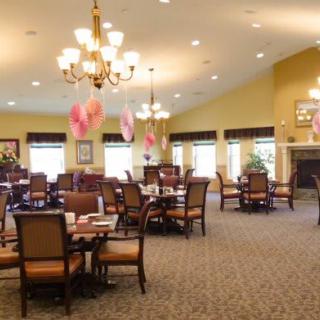
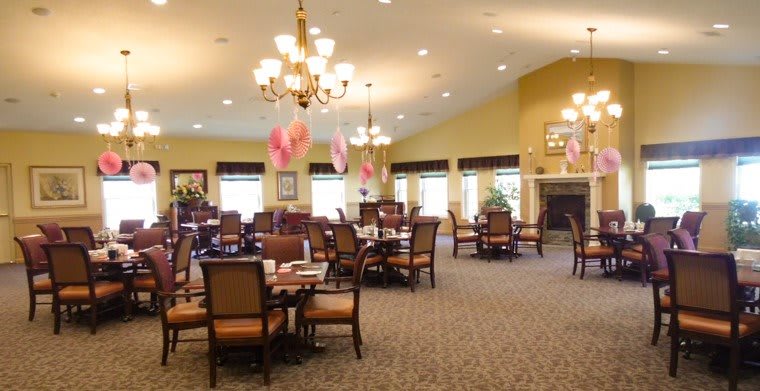
- The dining area is clean, professional-looking, and offers set meals plus menu options.
Cons
 A family member had a medical issue and they wouldn't allow her back there to live; the staff were not very nice to her and some of her things were stolen.
Review
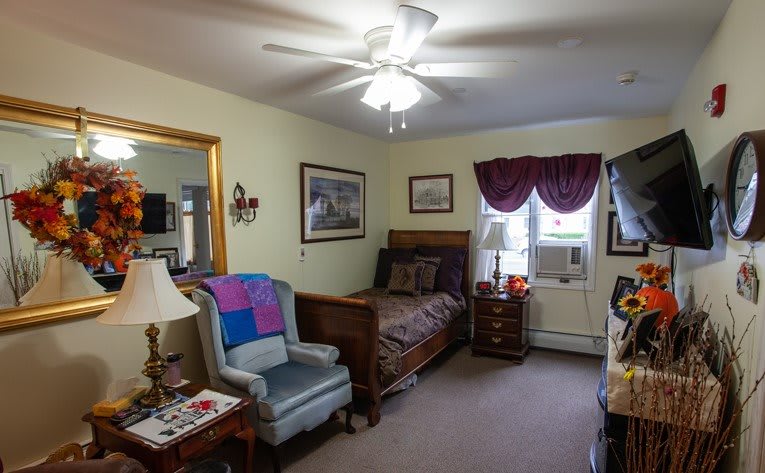
Chenango Valley Home is best suited for families seeking a warm, person-centered assisted living where staff attention feels like family. It fits residents who value consistent, compassionate care, an engaging activity calendar, and practical, hands-on help with everyday tasks, from moving in furniture to hanging a TV, and who want a community where caregivers know names, routines, and preferences. The strongest appeal lies in the staff's willingness to treat residents as individuals and in a physically tidy, home-like environment that supports independence while providing backup when needed.
However, not every resident will be comfortable with every policy or outcome. Those with high medical acuity or specialized memory care needs may want alternatives with on-site clinicians, longer-term nursing oversight, or more structured rehab capabilities. A single report of readmission refusal after a medical issue and another report of items going missing suggest the importance of clear admission criteria, robust safeguarding, and proactive accountability. Families weighing CVH should verify how policies would handle medical contingencies and what assurances exist about resident possessions and staff responsiveness.
Conversely, the documented strengths are compelling. The care team is consistently described as friendly, professional, and responsive across shifts. Families report that staff go the extra mile, assisting with moves, hanging pictures, setting up electronics, and staying in touch with updates after a loved one leaves. The culture feels like a close-knit family, with administrators, maintenance, and housekeeping all contributing to a safe, clean, and well-maintained setting. The activity program and social opportunities help residents forge friendships, making daily life enjoyable rather than routine.
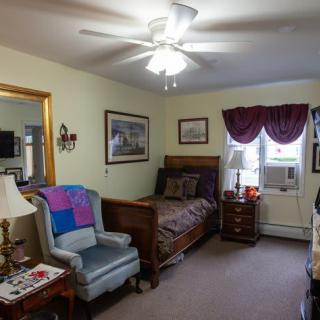
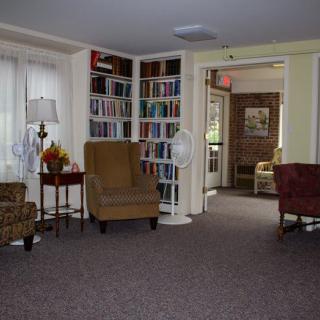
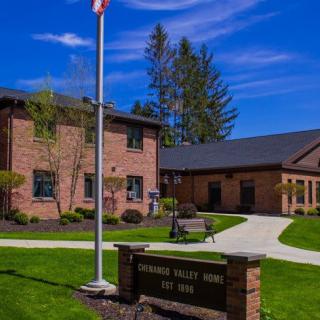
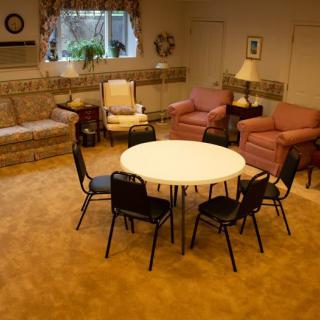
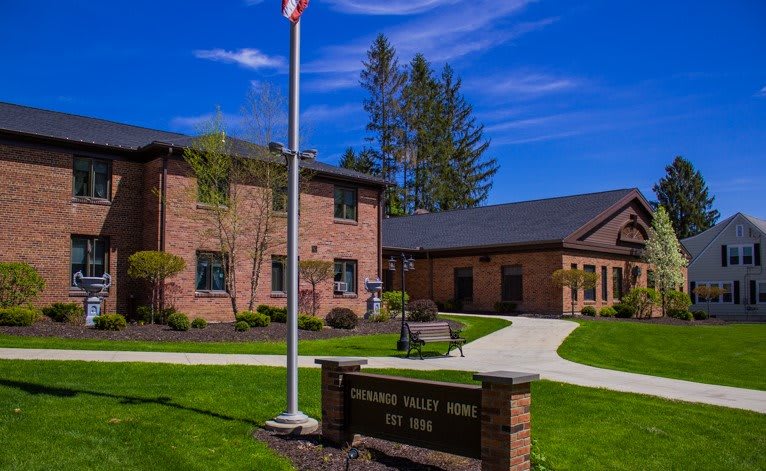
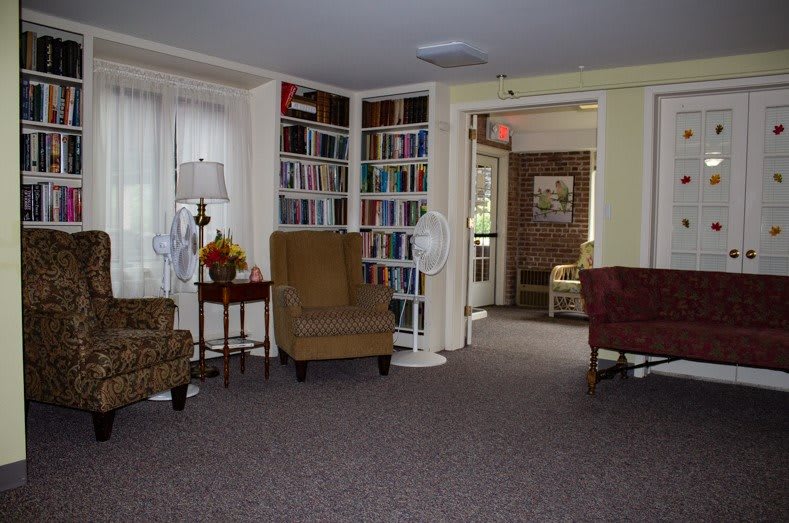
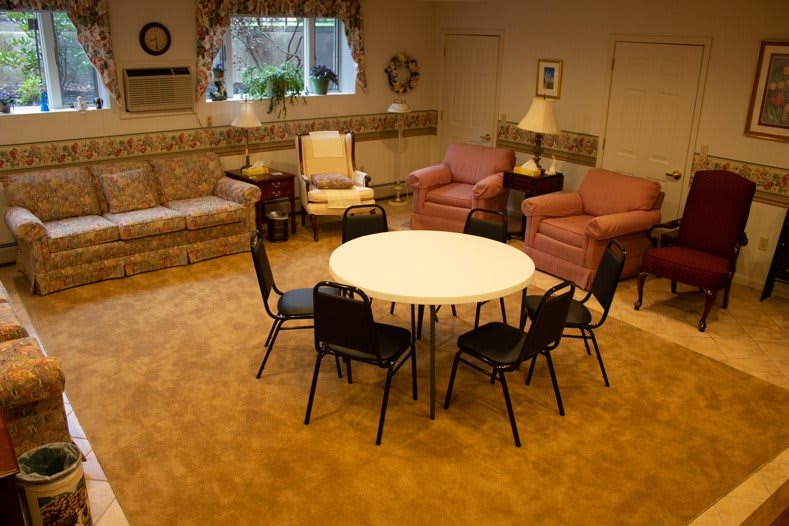
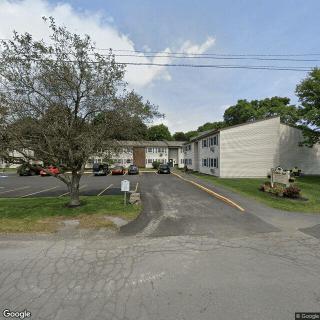
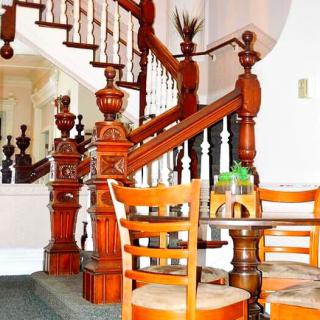
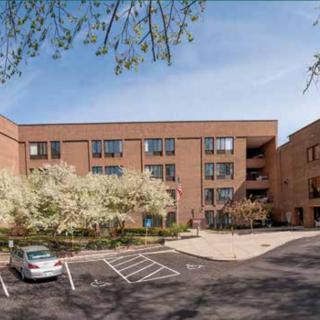
Immaculate attention to detail extends to the physical spaces: spotless dining areas, clean apartments, and well-kept grounds, plus attractive common rooms that support socializing and privacy. Tours consistently highlight this professionalism, and families note that communication persists even when staff are busy, calls return promptly, concerns are addressed, and questions are answered with clarity. The dining program appears solid, set meals with daily specials and varied menu options, supporting nutritional needs without sacrificing choice, a practical advocate for those who value consistency and taste.
Value is another practical driver here. Several reviewers highlight a reasonable cost relative to other privately owned facilities, a meaningful factor for families evaluating ongoing budgets. The combination of home-like ambiance, attentive staffing, and robust moving-in support, along with maintenance help during transitions, creates a compelling package for those who want ease and reliability. The physical layout and services encourage independence while ensuring safety, which is essential for seniors who still want to stay active and engaged.
Bottom line: Chenango Valley Home is a strong fit for seniors who want a warm, engaged community with dependable staff, plentiful activities, and clear attention to residents' daily routines. It deserves consideration for families prioritizing care consistency and personal connections, especially when the resident values a home-like setting over a more clinical vibe. Alternatives are worth exploring if medical complexity, strict readmission policies, or heightened concerns about belongings require different containment or security structures. Prospective families should tour with specific questions about admission criteria, incident handling, and rate structure, then decide whether CVH aligns with the residentā€™s goals, temperament, and family expectations.
 Assisted Living
 Activities on-site
 Beautician on-site
 Devotional services off-site
 Indoor common areas
 Ambulatory care
 Diabetic care
 Incontinence care
 Medication management
 Meals provided
 Catholic services


 8 Key Indicators That Suggest It May Be Time to Transition from Assisted Living to Skilled Nursing Care
 Vibrant Senior Living: A Comprehensive Guide for Active Older Adults
 When to Transition from Assisted Living to Memory Care: Key Indicators, Steps, and Finding the Right Community