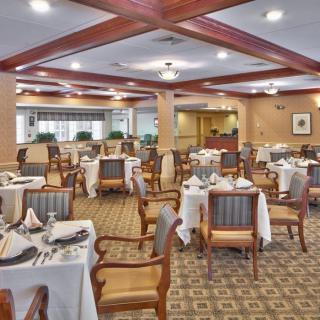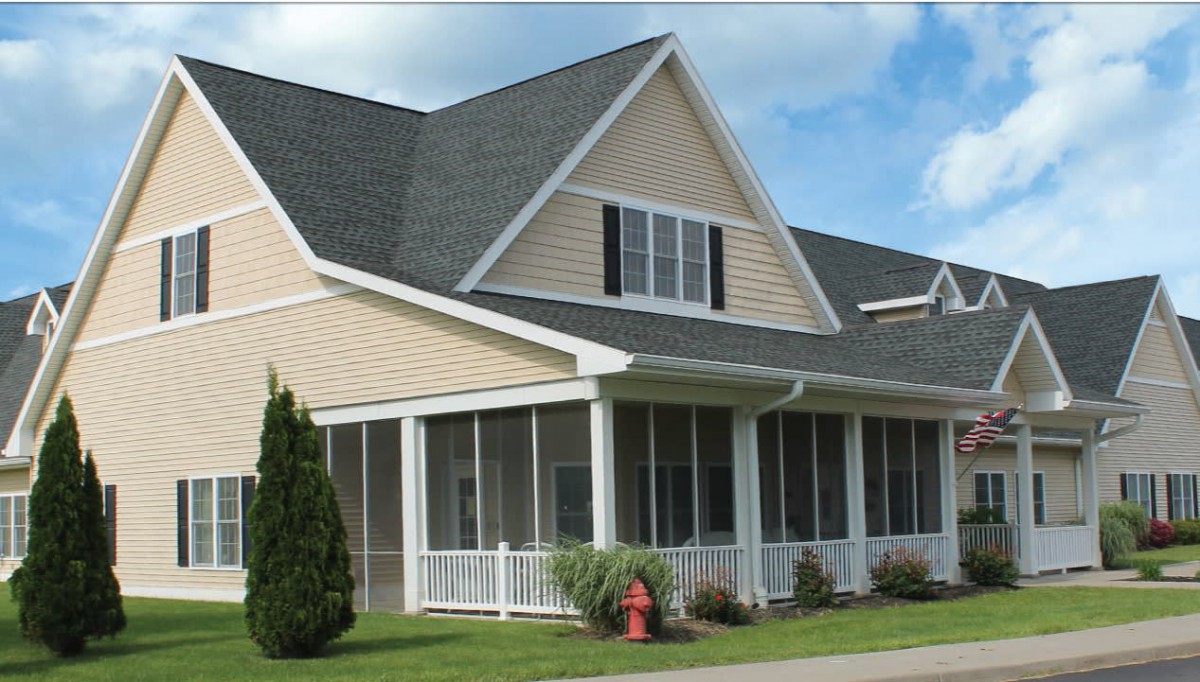
Rochester Presbyterian Home- Cottage Grove in North Chili, NY

Save
Rochester Presbyterian Home- Cottage Grove

Rochester Presbyterian Home- Cottage Grove in North Chili, NY

48 Cottage Grove Circle, North Chili, NY 14514

For more information about senior living options: (844) 490-3973

4 from 14 reviews
5 stars
7
4 stars
3
3 stars
2
2 stars
1
1 stars
1

Assisted Living Memory Care

Rochester Presbyterian Home- Cottage Grove Costs & Pricing

Rochester Presbyterian Home - Cottage Grove presents a monthly cost of $7,140 for a studio room, significantly higher than the average costs observed in Monroe County and across New York State. In Monroe County, the average monthly rate for similar accommodations is approximately $3,416, while statewide figures indicate an average of $4,532. This disparity highlights the premium associated with the specialized care and services provided at Rochester Presbyterian Home - Cottage Grove, reflecting its commitment to offering a comprehensive and supportive living environment tailored to meet the needs of its residents. The investment in such a facility suggests an emphasis on quality care and enhanced amenities that may not be present at other options within the region.

Floor plansRochester Presbyterian Home- Cottage GroveMonroe CountyNew York
Studio$7,140$3,416$4,532

Overall Review of Rochester Presbyterian Home- Cottage Grove

Pros

  • pro The Cottage Grove Memory Care staff are kind, loving, and genuinely attentive to residents.
  • pro The community provides a warm, home?like atmosphere where residents feel safe, valued, and well cared for.
  • pro There are plentiful, varied activities that engage residents, including dancing, singing, and musical programs.
  • pro The meals are delicious with a good variety, and snacks are available whenever desired.
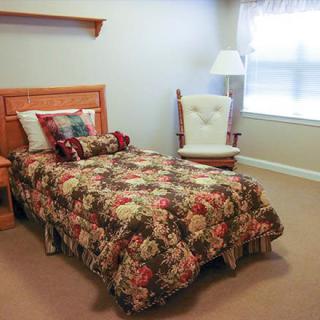
  • pro The facility maintains clean, comfortable spaces, with many rooms offering private baths and accessible layouts.
  • pro The smaller, 12-resident community allows for personal attention and closer staff?resident relationships.
  • pro Families stay connected through regular updates and photo posts that showcase residents and events.

Cons

  • pro The facility fails in relationships with families.
  • pro Medical coordination is severely lacking; families are not connected with nurses or physicians for months.
  • pro Some staff are unfriendly toward residents' families and fail to treat them with respect.
  • pro Night staff are slow to respond; call bells are left unanswered for long periods.
  • pro There are instances of neglect and even staff threats toward residents.
  • pro Rooms and bathrooms are dusty and dirty, with cleanliness inconsistent across areas.
  • pro Activities were absent or limited for months due to staff shortages.
  • pro Basic supplies (soap, toiletries) are inconsistently provided and poorly managed.
  • pro The care, in some cases, has been described as abysmal and mishandled.

Review

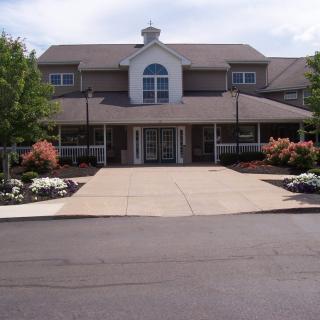
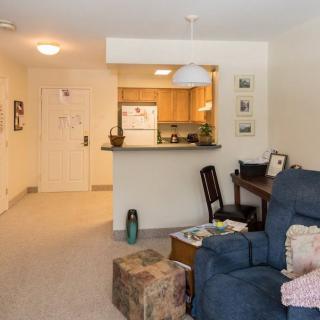
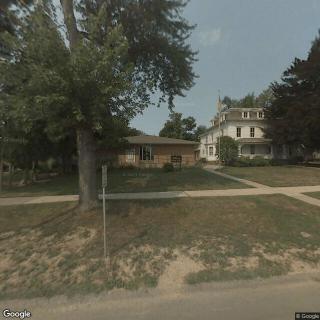
Rochester Presbyterian Home - Cottage Grove is best suited for families seeking a small, home-like setting where private space and comfort are prioritized, particularly for residents exploring memory care. The property features individual cottages with clean, cozy rooms and private baths, creating a domestic atmosphere that many families find reassuring. Food is consistently praised, with residents enjoying meals and even gaining weight when dining choices align with preferences. For families who value a warm, touchpoint-oriented environment over a polished, hospital-like campus, Cottage Grove offers a tangible sense of "home" that can ease transitions for both residents and their loved ones.

Nevertheless, this community is not without meaningful drawbacks, and certain family circumstances will want to consider alternatives. The most persistent concerns center on medical coordination and communications. Several families report delays in meeting medical staff, no formal care-team meetings for extended periods, and little integration with outside medical professionals who might advise on follow-up care after emergency visits. For families that rely on regular physician or dentist input, or on proactive care planning that includes outside specialists, Cottage Grove often falls short, making it essential to establish clear expectations and a firm point of contact before move-in.

On the upside, the strongest offset to the cons is the genuine warmth and attentiveness of many caregivers, especially in the memory care setting. Several reviewers describe staff who are kind, patient, and dedicated, with residents engaging in activities, music, and social moments that feel personal rather than procedural. The smaller, intimate footprint of the cottages supports closer relationships between staff and residents, and the existence of a family-oriented communication flow (as reflected in frequent social media updates and visible family involvement) provides a lifeline for families who want reassurance that a loved one is seen and valued.

However, the quality of daily operations appears uneven, and that inconsistency is a recurring theme in the feedback. Some residents receive attentive, respectful care and clear communication regarding routines, while others experience lapses - reported issues range from dusty rooms and maintenance gaps to abrupt or unfriendly interactions and gaps in privacy during routine care. These swings are not trivial: they affect trust, comfort, and the daily experience of living there. For families weighing Cottage Grove, it is critical to verify the current team's consistency, request detailed care plans, and set up structured updates so that expectations align with on-site reality.

A practical path for prospective residents is to push for a formal, member-facing care-management approach that can bridge the gap between what is promised and what is delivered. Inquire about regular family conferences or at least a scheduled medical review with a nurse practitioner or physician, and insist on explicit communication protocols when problems arise. If memory care is the goal, probe the specifics of programming, activity frequency, and staffing ratios, and ask to meet the direct care team responsible for the resident. Ensure housekeeping and supply systems are in place, and confirm that dietary accommodations - such as lactose-free options - are consistently available across all social and dining events.

In sum, Cottage Grove delivers a warm, intimate living environment with strong culinary appeal and a genuine sense of home, especially in its memory care cohort. For families that prize personal connections, home-like pacing, and a resident-centered feel, this community can be a compelling choice. Yet the decision hinges on tolerance for variability in medical coordination, staff consistency, and housekeeping standards. If seamless medical communication, reliably scheduled activities, and uniformly attentive daily care are non-negotiables, alternatives with more robust care-management infrastructure should be explored. For the right family, Cottage Grove offers a welcoming, affection-forward option that can translate into real comfort and security for a loved one who thrives on personal attention and a cozy, communal rhythm.

Features

Housing

  • 52 resident community capacity 52 resident community capacity

Types of Care

  • Assisted Living Assisted LivingAssisted living facilities provide crucial support and care for seniors who may need help with daily tasks such as medication management, bathing, and meal preparation. These communities offer a safe and comfortable environment where seniors can maintain their independence while receiving the assistance they need to thrive in their golden years.
  • Memory Care Memory CareMemory care is crucial for seniors as it provides specialized support and services for individuals with dementia or Alzheimer's disease. These programs offer a safe and secure environment where residents receive personalized care, cognitive stimulation, and help with daily activities. Memory care helps seniors maintain their independence, quality of life, and dignity while also providing peace of mind for their families.

Pets

  • Cats allowed Cats allowed"Pet friendly" senior living communities are important for seniors because pets provide companionship, reduce feelings of loneliness and depression, promote physical activity and mental stimulation, and offer a sense of purpose and responsibility. Pets can improve overall well-being and quality of life for seniors in many ways.
  • Dogs allowed Dogs allowed"Pet friendly" senior living communities are important for seniors because pets provide companionship, reduce feelings of loneliness and depression, promote physical activity and mental stimulation, and offer a sense of purpose and responsibility. Pets can improve overall well-being and quality of life for seniors in many ways.

Amenities

  • Activities off-site Activities off-siteEngaging in off-site activities is crucial for seniors to maintain social connections, stay active, and stimulate their minds. It promotes overall well-being and helps combat feelings of isolation and loneliness.
  • Activities on-site Activities on-siteActivities on-site are important for seniors because they provide opportunities for socialization, mental stimulation, physical activity, and overall well-being. Engaging in activities can help seniors stay active, maintain their independence, and improve their quality of life.
  • Air-conditioning Air-conditioningAir conditioning is important for seniors as they are more vulnerable to heat-related illnesses and may have underlying health conditions that make it difficult for them to regulate their body temperature. It helps to keep them comfortable, safe, and healthy in hot weather.
  • Beautician on-site Beautician on-siteHaving a beautician on-site at a senior living community is important for seniors as it allows them to easily access grooming and personal care services, boosting their self-esteem and overall well-being. It also provides convenience and helps seniors maintain their sense of independence and personal style.
  • Beauty salon Beauty salonBeauty salons are important for seniors because they provide a space for them to feel pampered, socialize, and maintain their personal grooming and hygiene. Regular visits to a beauty salon can help boost seniors' self-esteem and overall well-being.
  • Cable or satellite TV Cable or satellite TVCable or satellite TV is important for seniors because it provides entertainment, news, and companionship, helping to combat loneliness and boredom. It also offers a wide range of programming options tailored to different interests and preferences.
  • Computer center Computer centerA computer center is essential for seniors as it provides access to technology, communication tools, and resources that can enhance their daily lives. It allows them to stay connected with loved ones, engage in online activities, and learn new skills, ultimately promoting socialization and mental stimulation.
  • Devotional services on-site Devotional services on-siteDevotional services on-site provide seniors with spiritual support and a sense of community, as well as an opportunity for reflection and guidance during their senior living experience. This can promote emotional well-being and connection to others, leading to a more fulfilling and enriching lifestyle in their later years.
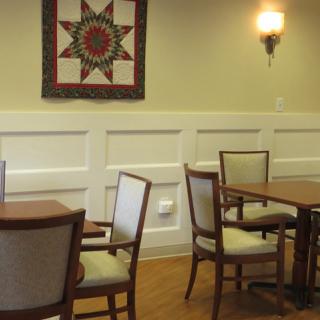
  • Dining room Dining roomDining rooms are important for seniors as they provide a space for socialization, connection, and nutritious meals. They offer opportunities for residents to bond over shared meals, foster a sense of community, and promote healthy eating habits. Dining rooms also ensure that seniors have access to well-balanced meals tailored to their dietary needs and preferences.
  • Fitness room Fitness roomHaving a fitness room in a senior living community is essential for seniors to stay active, maintain their physical health, and improve their overall well-being. Regular exercise can help prevent falls, reduce the risk of chronic diseases, and promote mental sharpness. It also provides social opportunities for residents to connect with others and enjoy a sense of community.
  • Fully furnished Fully furnishedFully furnished senior living communities are important for seniors because they provide convenience, comfort, and a hassle-free moving experience. Seniors can easily settle into their new living space without the stress of having to buy and move furniture. This allows them to focus on enjoying their new home and community.
  • Gaming room Gaming roomGaming rooms are important for seniors as they provide a fun and engaging environment for socializing, cognitive stimulation, and physical activity. Games can improve memory, problem-solving skills, and overall mental well-being while fostering friendships and reducing feelings of isolation.
  • Garden GardenGardens are important for seniors as they provide a peaceful and therapeutic environment for relaxation, physical activity, and socialization. Being in nature has been shown to reduce stress, improve mood, and promote overall well-being. Gardens also offer opportunities for seniors to engage in gardening activities, which can improve mobility, flexibility, and cognitive function. Additionally, gardens create a sense of community and connection with others who share a passion for plants and outdoor spaces.
  • Housekeeping services Housekeeping servicesHousekeeping services are important for seniors because they help maintain a clean and safe living environment, promote independence, and reduce the risk of accidents or illnesses. Additionally, having assistance with household chores can alleviate physical strain and allow seniors to focus on other aspects of their well-being.
  • Indoor common areas Indoor common areasIndoor common areas are crucial for seniors as they provide a space for socialization, recreation, and community engagement, promoting overall well-being and reducing feelings of isolation and loneliness.
  • Kitchenette KitchenetteKitchenettes are important for seniors living in senior living communities because they provide the convenience and independence of being able to prepare simple meals and snacks in the comfort of their own living space. This can help promote a sense of autonomy and well-being for seniors, allowing them to maintain some level of control over their dietary choices and daily routines.
  • Move-in coordination Move-in coordinationMove-in coordination is important for seniors because it helps ease the transition into their new living environment. It ensures that all logistics, such as packing, organizing movers, and setting up utilities are taken care of, allowing seniors to focus on settling in and adjusting to their new home. Having a smooth move-in process can alleviate stress and anxiety, making the transition smoother and more enjoyable for seniors.
  • Outdoor common areas Outdoor common areasOutdoor common areas are important for seniors as they provide a space for socialization, physical activity, and relaxation. Being outside in nature can improve mood and overall well-being, while also encouraging movement and engagement with others. These spaces can help combat feelings of isolation and promote a sense of community among residents.
  • Outdoor space Outdoor spaceOutdoor spaces are important for seniors as they provide opportunities for physical activity, social interaction, exposure to natural light and fresh air, and a sense of connection to nature. Having access to outdoor spaces can improve overall well-being and quality of life for older adults living in senior communities.
  • Private bathrooms Private bathroomsPrivate bathrooms are important for seniors in senior living communities because they provide independence, dignity, and comfort. Having a private bathroom allows seniors to maintain their personal hygiene routines without the need for assistance, promoting a sense of autonomy and privacy. Additionally, private bathrooms help prevent the spread of infections and provide a safe and clean environment for seniors to navigate safely.
  • Respite or short term stays offered Respite or short term stays offeredRespite or short term stays provide seniors with a temporary solution when their regular caregiver is unavailable, offering them the opportunity to receive additional care and support during times of need, while also giving caregivers a chance to rest and recharge.
  • Restaurant-style dining Restaurant-style diningRestaurant-style dining is important for seniors because it allows them to enjoy delicious, nutritious meals in a social and upscale setting. This enhances their dining experience, promotes healthy eating habits, and fosters socialization with fellow residents, ultimately contributing to their overall well-being and quality of life.
  • Small library Small librarySmall libraries are important for seniors as they provide access to a variety of reading materials, including books, newspapers, and magazines. This can help stimulate their minds, keep them engaged, and provide a sense of community through book clubs and other social activities. Additionally, reading has been shown to improve cognitive function and overall mental well-being in older adults.
  • Telephone TelephoneTelephones are important for seniors as they provide a lifeline for communication with loved ones, emergency services, and healthcare providers. They offer a sense of security and independence, enabling seniors to stay connected and access assistance when needed.
  • Wellness center Wellness centerWellness centers are important for seniors because they offer a variety of programs and services that promote physical, mental, and emotional well-being. These centers provide opportunities for exercise, socialization, education, and relaxation, helping seniors maintain their overall health and quality of life.
  • Wheelchair accessible showers Wheelchair accessible showersWheelchair accessible showers are crucial for seniors as they provide a safe and independent bathing option for those with mobility challenges. These showers help prevent falls and allow seniors to maintain their dignity and autonomy while ensuring they can bathe comfortably.
  • Wi-Fi/high-speed internet available Wi-Fi/high-speed internet availableWi-Fi/high-speed internet is important for seniors to stay connected with loved ones, access online resources, and participate in virtual activities to combat feelings of loneliness and isolation. It also allows them to easily manage healthcare needs, access entertainment, and engage in lifelong learning opportunities.

Transportation

  • Greater Rochester International (7 miles away) Greater Rochester International (7 miles away)
  • Community operated transportation Community operated transportationCommunity operated transportation is crucial for seniors as it provides them with the means to access essential services, social activities, and medical appointments. It allows seniors to maintain their independence and quality of life by ensuring they can participate in activities outside of their homes. Additionally, community-operated transportation services offer a safe and reliable way for seniors to travel without having to rely on family or friends for assistance.
  • Transportation arrangement Transportation arrangementTransportation arrangements are crucial for seniors as they may face challenges with driving, mobility, or access to public transportation. Having reliable transportation services ensures that seniors can easily attend appointments, social activities, and maintain their independence and quality of life.
  • Transportation arrangement (non-medical) Transportation arrangement (non-medical)Transportation arrangements are essential for seniors as they provide access to essential services, activities, and social interactions outside the home. This service helps maintain independence, mobility, and overall well-being for seniors who may have limited transportation options.
  • Transportation to doctors appointments Transportation to doctors appointmentsTransportation to doctors appointments is crucial for seniors as it ensures they have access to necessary medical care and support, promoting their health and well-being. It allows them to receive timely treatment, monitor existing conditions, and address any new health concerns efficiently. Additionally, transportation services can help seniors maintain their independence and quality of life by enabling them to stay connected with their healthcare providers.

Care Services

  • 12-16 hour nursing 12-16 hour nursing12-16 hour nursing care is crucial for seniors in order to ensure around-the-clock monitoring, timely medication administration, and prompt response to any health concerns or emergencies. This level of care helps to promote the overall well-being and safety of seniors living in senior living communities.
  • 24-hour call system 24-hour call system24-hour call systems are important for seniors because they provide peace of mind and immediate assistance in case of emergencies. This technology ensures that help is always available, promoting safety and security for elderly individuals living alone or in assisted living facilities.
  • 24-hour supervision 24-hour supervision24-hour supervision is important for seniors to ensure their safety, well-being, and access to immediate assistance in case of emergencies or health issues. This constant support provides peace of mind for both seniors and their loved ones, allowing them to age in place with dignity and security.
  • Activities of daily living assistance Activities of daily living assistanceActivities of daily living assistance are important for seniors because they provide essential support with tasks such as eating, bathing, dressing, and mobility. This assistance helps seniors maintain their independence, dignity, and overall quality of life as they age.
  • Ambulatory care Ambulatory care"Ambulatory care services provide essential medical support and treatment to seniors without requiring hospitalization, allowing them to maintain their independence and quality of life while managing chronic conditions or receiving routine medical care."
  • Assistance with bathing Assistance with bathingAssistance with bathing is crucial for seniors as it helps maintain personal hygiene, prevents infections, and ensures their overall well-being and comfort. It also provides a sense of dignity and independence for seniors who may struggle with this task on their own.
  • Assistance with dressing Assistance with dressingAssistance with dressing is important for seniors because it helps maintain their independence, promotes personal hygiene, prevents accidents and injuries, and improves overall quality of life. This service ensures that seniors can continue to dress comfortably and confidently, despite any physical limitations they may have.
  • Assistance with transfers Assistance with transfersAssistance with transfers is crucial for seniors as it helps prevent falls and injuries, maintains their independence, and ensures they can safely navigate their living environment. It also provides peace of mind for both seniors and their loved ones.
  • Diabetes diet Diabetes dietA diabetes diet is crucial for seniors as it helps manage blood sugar levels, reduce risks of complications, and improve overall health and well-being. By following a balanced and nutritious diet tailored to their specific needs, seniors can better control their diabetes and enhance their quality of life.
  • Diabetic care Diabetic careDiabetic care is crucial for seniors as they are more susceptible to developing diabetes due to aging and other health conditions. Proper management of diabetes can help prevent complications such as heart disease, vision loss, and nerve damage, improving the overall quality of life for seniors in senior living communities.
  • Incontinence care Incontinence careIncontinence care is essential for seniors to maintain their dignity, hygiene, and overall quality of life. By addressing incontinence issues promptly and effectively, seniors can enjoy a sense of independence and comfort in their daily activities.
  • Meal preparation and service Meal preparation and serviceMeal preparation and service are crucial for seniors as they may have limited mobility or energy to cook nutritious meals. Having access to healthy and convenient food options can ensure they are getting the proper nutrition needed to maintain their overall health and well-being.
  • Medication management Medication managementMedication management is crucial for seniors to ensure they are taking the right medications at the correct dosages and times. This helps prevent adverse drug interactions, reduces the risk of medication errors, and promotes overall health and well-being. Proactive management also allows for adjustments as needed based on changing health conditions or new prescriptions.
  • Mental wellness program Mental wellness programMental wellness programs are essential for seniors as they promote cognitive stimulation, emotional support, and social engagement. These programs help prevent isolation, depression, and cognitive decline, ultimately enhancing the overall quality of life for older adults.
  • Mild cognitive impairment Mild cognitive impairment"Mild cognitive impairment" is important for seniors because it is an early stage of cognitive decline that can potentially progress to more severe conditions such as dementia. Recognizing and addressing mild cognitive impairment can help seniors receive appropriate care and support to maintain their quality of life and independence for as long as possible.
  • Special dietary restrictions Special dietary restrictionsSpecial dietary restrictions are important for seniors because age-related changes in metabolism and health conditions can make it difficult for their bodies to process certain foods. By following a diet tailored to their specific needs, seniors can maintain their overall health and well-being, manage chronic conditions, and reduce the risk of complications such as malnutrition or food interactions with medications.
  • Specialized memory care programming Specialized memory care programmingSpecialized memory care programming is crucial for seniors with cognitive impairments such as dementia or Alzheimer's disease. These programs provide a safe and supportive environment tailored to the unique needs of individuals with memory loss, helping them maintain their independence, dignity, and quality of life.

Dining

  • Diabetes diet Diabetes dietA diabetes diet is crucial for seniors as it helps manage blood sugar levels, reduce risks of complications, and improve overall health and well-being. By following a balanced and nutritious diet tailored to their specific needs, seniors can better control their diabetes and enhance their quality of life.
  • Low / no sodium Low / no sodiumLow/no sodium options are important for seniors because excessive sodium intake can lead to high blood pressure, heart disease, and other health issues commonly experienced by older adults. By choosing low/no sodium foods, seniors can better manage their health and reduce their risk of developing these conditions.
  • No Sugar No SugarNo sugar diets are important for seniors because they can help prevent or manage chronic conditions such as diabetes, heart disease, and obesity. Sugar can also contribute to cognitive decline and inflammation in the body, so reducing sugar intake can lead to overall improved health and well-being in older adults.
  • Special dietary restrictions Special dietary restrictionsSpecial dietary restrictions are important for seniors because age-related changes in metabolism and health conditions can make it difficult for their bodies to process certain foods. By following a diet tailored to their specific needs, seniors can maintain their overall health and well-being, manage chronic conditions, and reduce the risk of complications such as malnutrition or food interactions with medications.
  • Special dining programs Special dining programsSpecial dining programs are important for seniors because they provide nutritious meals tailored to their dietary needs and preferences. These programs also offer socialization opportunities, promote overall health and well-being, and can help prevent malnutrition.

Activities

  • Activities off-site Activities off-siteEngaging in off-site activities is crucial for seniors to maintain social connections, stay active, and stimulate their minds. It promotes overall well-being and helps combat feelings of isolation and loneliness.
  • Activities on-site Activities on-siteActivities on-site are important for seniors because they provide opportunities for socialization, mental stimulation, physical activity, and overall well-being. Engaging in activities can help seniors stay active, maintain their independence, and improve their quality of life.
  • BBQs or picnics BBQs or picnicsBBQs or picnics provide seniors with social interaction, enjoyment of the outdoors, and a sense of community, contributing to their overall well-being and quality of life.
  • Birthday parties Birthday partiesBirthday parties are important for seniors as they provide an opportunity for celebration, socialization, and joy. They allow seniors to feel special and appreciated, boosting their mood and overall well-being. Additionally, birthday parties can help combat feelings of isolation and loneliness by fostering connections with friends, family, and community members.
  • Community-sponsored activities Community-sponsored activitiesCommunity-sponsored activities are important for seniors as they provide opportunities for social interaction, mental stimulation, and physical activity. These activities can help improve overall well-being, combat loneliness and isolation, and promote a sense of belonging and purpose among older adults.
  • Concierge services Concierge servicesConcierge services are essential for seniors as they provide assistance with daily tasks and errands, enhance their quality of life by offering convenience and personalized care, and promote a sense of safety and security.
  • Day trips and outings Day trips and outingsDay trips and outings are important for seniors as they provide opportunities for socialization, mental stimulation, physical activity, and a break from daily routines. These experiences can enhance overall well-being and quality of life for older adults living in senior communities.
  • Devotional activities on-site Devotional activities on-siteDevotional activities on-site provide seniors with a sense of community, spiritual fulfillment, and emotional support, promoting overall well-being and a positive sense of purpose in their lives.
  • Fitness programs Fitness programsFitness programs are crucial for seniors as they help improve strength, flexibility, balance, and overall well-being. Staying active can reduce the risk of chronic diseases, improve mental health, and enhance quality of life in older adults.
  • Holiday parties Holiday partiesHoliday parties are important for seniors because they provide opportunities for socialization, community involvement, and mental stimulation. These festive events offer a sense of belonging and connection during a time that can be lonely for many older adults. Additionally, participating in holiday celebrations can boost mood and overall well-being for seniors living in senior living communities.
  • Intergenerational programs Intergenerational programsIntergenerational programs are important for seniors because they provide social interaction, mental stimulation, and a sense of purpose. These programs allow seniors to connect with younger generations, share their wisdom and experiences, and maintain a sense of belonging in the community. This can help reduce feelings of isolation, improve cognitive function, and promote overall well-being in older adults.
  • Live musical performances Live musical performancesLive musical performances can provide seniors with a sense of joy, nostalgia, and connection. Music has the power to evoke emotions and memories, improve mood and cognitive function, and foster social interaction among seniors. It can also serve as a form of therapy and stress relief for older adults, making it an important activity to include in senior living communities.
  • Other religious services Other religious servicesOther religious services are important for seniors as they provide a sense of community, spiritual comfort, and opportunities for socializing. These services can help seniors feel connected to their faith and maintain a sense of purpose and belonging in their later years.
  • Planned day trips Planned day tripsPlanned day trips are important for seniors because they offer opportunities for socialization, mental stimulation, and physical activity. They provide a change of scenery and help seniors stay engaged and connected to their community, promoting overall well-being and quality of life.
  • Resident-run activities Resident-run activitiesResident-run activities are important for seniors as they encourage social interaction, creativity, and a sense of autonomy. These activities empower seniors to stay engaged and active in their community while fostering meaningful connections with their peers.
  • Scheduled daily activities Scheduled daily activitiesScheduled daily activities are important for seniors because they provide structure, socialization, mental stimulation, and physical activity. Engaging in regular activities can improve overall well-being and quality of life for seniors living in a community setting.
  • Stretching classes Stretching classesStretching classes are important for seniors because they help improve flexibility, reduce the risk of injury, and promote overall health and well-being. Regular stretching can also help alleviate joint pain and stiffness, enhance balance and coordination, and increase range of motion.
  • Visiting chaplain or priest Visiting chaplain or priestHaving a visiting chaplain or priest at a senior living community is important for seniors because it provides spiritual support, comfort, and guidance during a time of life that can be challenging and uncertain. Their presence can help seniors feel connected to their faith, find peace of mind, and cope with the emotional and mental struggles they may face in their later years.
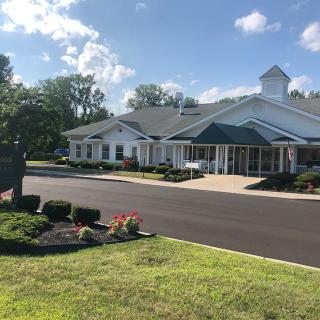
Description

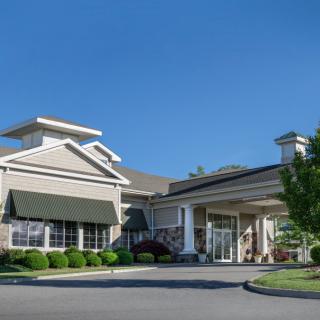
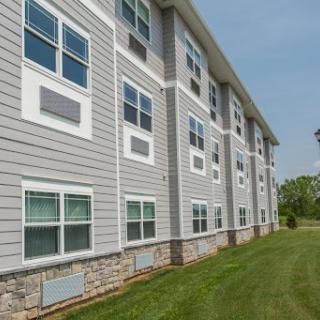
The Rochester Presbyterian Home- Cottage Grove in North Chili, NY is an assisted living community that specializes in memory care. Our dedicated staff provides 24-hour supervision and assistance with activities of daily living for our residents. We offer a range of amenities to enhance the comfort and well-being of our residents, including air-conditioning, cable or satellite TV, and Wi-Fi/high-speed internet.

Our community features a variety of on-site activities to keep our residents engaged and socially active. From gaming rooms to fitness programs, there is something for everyone. We also have beautiful outdoor spaces where residents can enjoy the fresh air and take part in BBQs or picnics. Our small library offers a quiet space for reading and relaxation.

At Rochester Presbyterian Home- Cottage Grove, we understand the importance of dining choices for health and enjoyment. Our restaurant-style dining room provides delicious meals prepared by our skilled chefs. We accommodate special dietary restrictions, including low/no sodium and no sugar diets.

We prioritize the mental wellness of our residents through specialized memory care programming and a mental wellness program. Our caring staff also assists with medication management to ensure the health and safety of our residents.

In terms of location, we are conveniently situated near cafes, parks, pharmacies, restaurants, physicians' offices, and transportation options. Transportation arrangements are available for non-medical needs as well as doctor's appointments.

At Rochester Presbyterian Home- Cottage Grove, we strive to create a warm and welcoming environment where our residents can feel at home while receiving high-quality care tailored to their unique needs.

Nearby Places of Interest

Located in North Chili, New York, this area offers a variety of amenities and services that cater to seniors looking for convenience and comfort. With numerous cafes like Tim Hortons and Jitters Cafe nearby, you can enjoy a leisurely coffee break or meet friends for a meal at restaurants such as North Chili Family Restaurant or Stone's Countryside Tavern. Access to pharmacies like Walgreens and Wegmans ensures easy access to medications and healthcare needs. For outdoor activities and relaxation, parks such as Black Creek Park and Churchville Park provide lovely green spaces for walks or picnics. In terms of medical care, there are several physicians' offices nearby, including Spencerport Optical and University of Rochester Orthopedics, as well as hospitals like Unity Perinatal Medicine within a short distance. Overall, this area in North Chili offers a mix of amenities that make it an attractive option for seniors seeking a convenient and comfortable living environment.

Cafes

  • Tim Hortons (0.2 miles)
  • Jitters Cafe (0.3 miles)
  • Leaf & Bean Coffee Co. (3.1 miles)
  • Tim Hortons (5.8 miles)
  • Starbucks (6.2 miles)
  • Midnight Oil (7.1 miles)
  • Artisan Coffee House (7.6 miles)

Restaurants

  • North Chili Family Restaurant (0.2 miles)
  • Stone's Countryside Tavern (2.4 miles)
  • Rohrbach Brewing Co. (2.7 miles)
  • McDonald's (3.1 miles)
  • Bill Gray's (3.1 miles)
  • Wendy's (3.3 miles)
  • The Johnson House (4 miles)

Pharmacies

  • Walgreens (0.3 miles)
  • Wegmans (3.5 miles)
  • Spencerport Family Apothecary (4.3 miles)
  • CVS Pharmacy (5.1 miles)
  • CVS Pharmacy (6.3 miles)
  • Walgreens (6.4 miles)
  • Walgreens (6.5 miles)

Parks

  • Black Creek Park (2.8 miles)
  • Churchville Park (3.9 miles)
  • Johnson Park (7.4 miles)
  • Oatka Creek Park (7.8 miles)
  • Genesee Valley Park (8.7 miles)

Transportation

  • CSX Tracks (3.8 miles)
  • Greater Rochester International Airport (ROC) (7.4 miles)
  • Enterprise Rent-A-Car (9 miles)

Physicians

  • Spencerport Optical (4.9 miles)
  • Rochester Gynecologic Associates (5.8 miles)
  • Orthopaedics - Chili (6.1 miles)
  • University of Rochester Orthopedics and Rehabilitation (6.8 miles)
  • Canalside Family Medicine (6.8 miles)
  • Westside Allergy Care (7.1 miles)
  • WorkReady - Unity Hospital (7.2 miles)

Places of Worship

  • St John the Evangelist Religious Shop (5.1 miles)
  • Calm in the Chaos Interfaith Center (6.6 miles)
  • St Lawrence Church (8.3 miles)
  • Greece Baptist Church (8.6 miles)

Hospitals

  • Unity Perinatal Medicine (7.3 miles)
  • Brockport ASAP Urgent Care Add to Favorites (8.6 miles)
  • University Of Rochester Medical Center Surg/Path Lab (9.3 miles)
  • Neuro ICU 8-1200 (9.4 miles)
  • SMH Nicu (9.4 miles)
  • Strong Memorial Hospital - Cardiology (9.4 miles)

Frequently Asked Questions

How much does it cost to live at Rochester Presbyterian Home- Cottage Grove in North Chili, NY?
Where is Rochester Presbyterian Home- Cottage Grove?
Does Rochester Presbyterian Home- Cottage Grove provide care for residents with dementia or Alzheimer's disease?
Does Rochester Presbyterian Home- Cottage Grove allow residents to have pets?

Nearby Communities

  • Westwood Commons,  a DePaul Senior Living Comm

    Westwood Commons, a DePaul Senior Living Comm

    North Chili, NY

    4.6 from 64 reviews
    $3,150 / month

    pro Excellent, attentive staff and a clean, welcoming environment with engaging daily activities.

  • Westwood Commons Adult Home

    Westwood Commons Adult Home

    North Chili, NY

    4.5 from 27 reviews
     

    pro Friendly staff and clean, inviting environment with engaging activities.

  • College Greene Senior Apartments

    College Greene Senior Apartments

    North Chili, NY

    4.4 from 20 reviews
    $718 to $830 / month

    pro Secured entry, friendly staff, and recently renovated apartments with pleasant surroundings.

  • Legacy at Parklands

    Legacy at Parklands

    Churchville, NY

    5 from 49 reviews
    $1,770 to $3,170 / month

    pro Clean facility with friendly staff, comfortable private rooms, and engaging dining/activities.

  • Seabury Woods

    Seabury Woods

    Rochester, NY

    3.4 from 13 reviews
    $3,775 to $5,250 / month

    pro Friendly, attentive staff; clean, spacious apartments; and varied dining and activities.

  • Villa Capri Senior Apartments

    Villa Capri Senior Apartments

    Rochester, NY

    4.6 from 27 reviews
    $945 / month

    pro Modern, well-maintained community with friendly staff and good social spaces.

  • Wedgewood Nursing Home

    Wedgewood Nursing Home

    Spencerport, NY

    3 from 53 reviews
     

    pro Reputable, safe, and nurturing care with easy access to pharmacies, physicians, dining, worship, and emergency services.

  • Dunn Tower II

    Dunn Tower II

    Rochester, NY

    3.7 from 11 reviews
     

    pro High?standard, reputable retirement community with courteous staff and a willingness to reconsider applications.

  • The Village At Unity

    The Village At Unity

    Rochester, NY

    4.5 from 114 reviews
    $3,400 to $5,400 / month

    pro Beautiful grounds, bright, well-maintained facilities, engaging activities, and attentive staff.

Related Resources

  • power of attorney for elderly parentGuiding Your Journey: Understanding Power of Attorney for Elderly Parents

    The article emphasizes the significance of establishing a power of attorney for elderly parents to enable an agent to make decisions on their behalf regarding health and finances, especially during cognitive or physical decline. It outlines various types of power of attorney, the importance of consulting legal professionals, and the responsibilities and challenges faced by agents, while also discussing alternatives and common misconceptions.

  • caregiver support group22 Remarkable Caregiver Support Groups Available Online and In-Person

    Caregiver support groups are crucial for providing emotional and practical assistance to those caring for loved ones, offering resources, coping strategies, and a sense of community through various organizations and platforms. These groups help alleviate isolation and burnout while addressing the unique challenges faced by caregivers of individuals with specific conditions.

  • does medicaid pay for assisted livingUnderstanding Medicaid Coverage for Assisted Living: A Comprehensive Guide
    The guide outlines the complexities of Medicaid coverage for assisted living, highlighting significant state-to-state variations, limited coverage often restricted to personal care services, and the existence of specialized waivers for certain needs like memory care. It advises families to consult local Medicaid offices for options while emphasizing the importance of understanding state-specific regulations and facility policies.