
Home Instead - Manhattan, NY in New York, NY
Save
Information last verified:
400 E 56th St Professional Wing, Suite 2, New York, NY 10022
For more information about senior living options: (844) 490-3973
 Home Instead is a very good homecare agency. The agency is an excellent place to work. They have excellent people to care for loved ones. Home Instead Senior Care consistently ensures there are assignments available, helping caregivers stay active and balanced. The staff are very caring and respectful. They have a large back-office team that is always available for questions or problems. The office staff are professional and courteous. The team is friendly, supportive, and dedicated to providing the best care possible. Home Instead is a wonderful company to work for. They provide great hours and pay and make employees feel like family.
 They fired a caregiver on the way to work, which was unprofessional. The aides were terrible and unprofessional; the reviewer would never use the agency again. The reviewer would not recommend this agency to anyone seeking employment.
Best suited for families who want to keep a loved one at home with dependable, person-centered support and who prize organizational reliability over time. Home Instead Manhattan clearly excels for seniors who need help with daily activities and companionship, without moving into a facility. The reviews show a workforce that feels connected to families, long-term caregiver assignments, and a back-office that coordinates lives as a team. When a dementia diagnosis, limited mobility, or the need for regular medication reminders is present, this agency often delivers continuity: the same aides showing up, a nurse who visits, and a clear plan that travels with the client. In short, this is the choice for households that want to preserve the home environment while layering in professional oversight and 24/7 access to support.
However, this is not the right fit for every path. Families confronting hours of 24/7 skilled medical care with constant RN oversight outside the scope of typical HHA duties may want alternatives such as a licensed home health agency with higher nursing presence or a traditional memory-care capable facility. For seniors who relish social interaction within a defined resident community, or who require a structured daily calendar of group activities beyond what in-home care typically provides, an assisted living or memory-care setting may be more appropriate. Budget transparency and predictable pricing loops are also a concern for some; while Home Instead's care is often described as reliable and flexible, the variability of caregiver availability and the potential for staff turnover means some families may prefer a system with guaranteed staffing or a fixed-rate model.
On the pro side, the strongest argument is continuity: many clients see the same caregiver for extended periods, and the back-office team coordinates scheduling, medication management, and problem-solving with visible dependability. That reliability translates into real peace of mind for families who cannot be present day-to-day. The 24/7 accessibility and nurse oversight are not merely marketing talking points; they translate into timely responses during emergencies, routine medication administration, and a sense that clinical judgment remains part of the care plan. The organizational culture comes through in the respectful treatment of staff and families, which tends to reduce turnover among caregivers and keeps care consistent. When a hiccup does occur, one reviewer notes a difficult personnel moment, the agency’s structure typically allows rapid reassignment and clear communication, softening the impact on the loved one.
Yet there are cautions worth noting. A small number of reviews reference missteps, an instance of an employee being dismissed en route to work and another pointing to underwhelming aide performance in the past. These aren’t normative experiences in the overall pool, but they underscore the importance of a careful caregiver match, a solid contingency plan, and transparent escalation paths. Prospective clients should ask directly about the agency’s caregiver-stability metrics, how quick replacement happens if a match isn’t working, and how the back-office handles schedule changes when illness or travel affects coverage. The strength of Home Instead lies in its people and processes, but no system is immune to isolated gaps; the key is the speed and clarity of response when issues surface.
To decide, families should probe the matching process, verify the frequency of nurse visits, and confirm live-in capabilities if 24/7 presence is required. Request a clear care plan that outlines ADLs, memory-assist strategies, medication support, and escalation procedures. Seek references from other families with similar needs, and demand a trial period to observe caregiver chemistry and scheduling reliability. In New York City, where traffic and scheduling complexity can influence reliability, the agency’s ability to coordinate multiple caregivers without leaving the client without coverage is non-negotiable. Also clarify the billing model: is care billed hourly, by shift, or via live-in arrangements, and what is included in the rate, supervision, back-office coordination, and nurse visits?
When chosen carefully, Home Instead Manhattan offers a robust, home-centered path that many families find preferable to a facility-based existence. It is especially advantageous for seniors who benefit from familiar routines, stable caregiver relationships, and clinical oversight in a non-institutional setting. For households where the priority is full-time medical nursing or a built-in community life with structured social programming, alternatives, such as licensed in-home nursing or an assisted living/memory-care residence, should be weighed. The decisive factor is whether the care ecosystem can deliver consistent, high-touch support around the clock while preserving home life. With due diligence, clear caregiver matching, strong escalation protocols, and transparent pricing, this agency can be a sound, practical solution that reduces family stress and keeps a loved one safely at home.
 LaGuardia (5 miles away) Newark International (11 miles away) John F Kennedy International (13 miles away)
Home Instead is an assisted living community located in Manhattan, NY, providing a comfortable and safe environment for seniors in the heart of New York City. With its prime location, residents can enjoy easy access to various amenities and services that cater to their needs.
Within close proximity to Home Instead, there are six cafes offering a wide range of beverages and pastries, perfect for socializing or enjoying a quiet afternoon. Additionally, 24 parks provide serene outdoor spaces where residents can take leisurely strolls, relax amidst nature, or engage in recreational activities.
The presence of 36 pharmacies ensures that residents have convenient access to medication and healthcare supplies. In the event of any medical concerns, three physicians nearby offer prompt medical attention and guidance.
For dining options, Home Instead's location boasts ten nearby restaurants featuring diverse cuisines to satisfy residents' culinary preferences. Whether they prefer casual dining or fine dining experiences, these establishments cater to all tastes.
With 14 transportation options available nearby, traveling in and around the city is convenient for residents. They can easily explore New York City's iconic attractions or visit family and friends without hassle.
Additionally, the presence of one place of worship nearby allows residents to maintain their spiritual practices within their community. This offers a sense of comfort and support for those who wish to continue practicing their faith.
Residents seeking entertainment will find three theaters nearby where they can enjoy live performances ranging from Broadway shows to local productions. There are also three hospitals in close proximity, ensuring immediate medical attention if required.
Overall, Home Instead provides seniors with a vibrant assisted living community that offers convenience, accessibility to essential services, opportunities for socialization, cultural experiences through theaters and restaurants alike, all situated within the bustling energy of Manhattan while still emphasizing the importance of safety and comfort for its residents.
Home Instead - Manhattan, NY is located at 400 E 56th St Professional Wing, Suite 2, New York, NY 10022 in New York County, New York
Allegiant Home Care - Nassau, NY
New York, NY
Excellent access to nearby amenities and healthcare.

Anchor Select
New York, NY
Excellent access to parks, dining, and health services nearby.
Synergy Homecare of Manhattan
New York, NY
Responsive and accommodating care.

SeniorBridge - New York, NY
New York, NY
Excellent access to dining, parks, pharmacies, medical care, transportation, and cultural venues.

SYNERGY Home Care - Manhattan/New York, NY
New York, NY
Great access to nearby amenities and healthcare in Manhattan.
Allegiant Home Care - Suffolk, NY
New York, NY
Strong access to healthcare, dining, parks, and cultural activities nearby.

Coterie Hudson Yards
New York, NY
Exclusive luxury with top-tier dining, comprehensive medical care, and premier amenities.
Hoboken University Medical Center - TCU
Hoboken, NJ
Fully furnished suites with garden space and comprehensive care services.
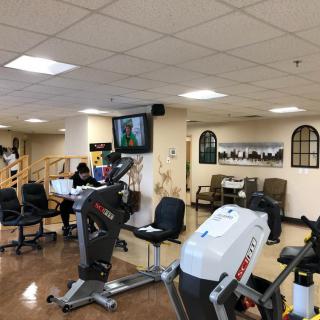
Hudson View Care & Rehab Ctr
North Bergen, NJ
Compassionate staff and strong rehab in a clean, comfortable setting.
 Comprehensive Guide to Qualifying for Home Health Care Services
The guide outlines the eligibility criteria for home health care services, emphasizing clinical requirements, insurance options, and application processes. It distinguishes between Medicare's strict and Medicaid's flexible qualifications while addressing challenges families may face in securing necessary care at home.
 Powerful Realities of Elder Abuse and the Most Effective Ways to Report It
Elder abuse affects many older adults worldwide and includes physical, emotional, neglectful, and financial harm, with about one in six individuals over 60 experiencing abuse annually. Prevention and intervention strategies focus on awareness, support for caregivers, and mandatory reporting, while recovery necessitates comprehensive support for both physical and emotional needs.
 Ten Vital Duties of a Senior Caregiver: A Comprehensive Guide
The guide details ten essential responsibilities of senior caregivers, including personal care, mobility assistance, medication management, and emotional support, while emphasizing the importance of safety, nutrition, and maintaining a safe living environment to enhance seniors' quality of life and independence.
