
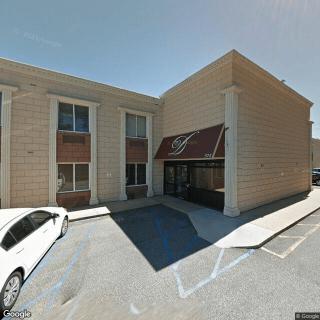
25 Deshon Drive, Melville, NY 11747
For more information about senior living options: (866) 208-4318
The Club at Melville Costs & Pricing
The Club at Melville offers competitive pricing that stands out in comparison to both Suffolk County and the broader New York state market. For semi-private rooms, residents can expect to pay $2,300 per month, which is significantly lower than the county's average of $3,706 and the state's average of $4,389. Similarly, the pricing for private rooms at The Club at Melville is set at $2,700 monthly, offering a substantial savings relative to Suffolk County's average of $4,234 and New York's overall average of $5,159. This advantage in affordability not only provides quality care but also enhances accessibility for individuals seeking exceptional assisted living options without compromising on comfort or amenities.
| Floor plans | The Club at Melville | Suffolk County | New York |
|---|---|---|---|
| Semi-Private | $2,300 | $3,706 | $4,389 |
| Private | $2,700 | $4,234 | $5,159 |
Senior living communities with a similar price nearby
-
from +$145 / mo
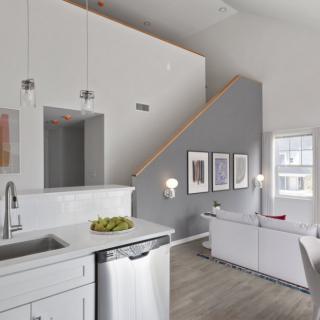
The Cornerstone at Hauppauge
$2,445 to $2,895 / month11.1 miles away -
from +$400 / mo

Marian Care Inc
$2,700 / month12.2 miles away -
from +$116 / mo

Jefferson's Ferry Lifecare Retirement
$2,416 to $3,377 / month19.9 miles away -
from +$280 / mo
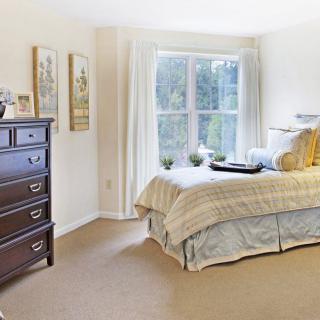
Sunrise of Dix Hills
$2,580 to $6,000 / month5.1 miles away -
from +$100 / mo
Babylon Beach House
$2,400 to $7,082 / month7.3 miles away
Overall Review of The Club at Melville
Pros
 The dentists, Dr. Ari and Dr. Yuri, are described as simply the best.
 - The front desk staff, Julia and Kim, are wonderful at what they do and make visitors feel comfortable.
- The entire staff is awesome.
- Plainview Dental is a great choice, and patients feel they will never go wrong by choosing it.
- The complex is a nice, quiet place for senior living.
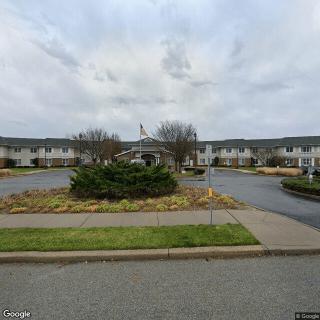
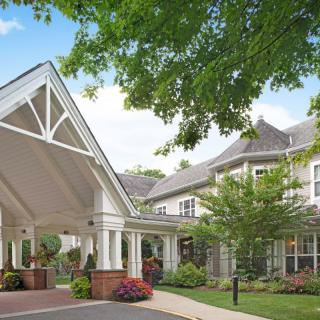
- The landscaping is gorgeous and the facilities are well maintained.
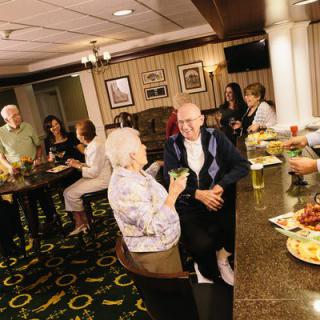
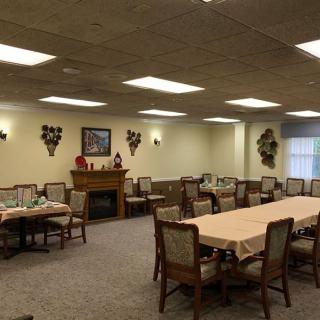
- The Club has ample parking and a clubhouse with a game area, fitness center, and a spacious party area with a kitchen for residents to reserve.
- The front gate guard is very nice.
- The grounds are beautiful and well kept.
- The community is brand new and designed as a first-class 55+ community by a reputable builder.
- There are very nice people in the community.
- There is an outdoor swimming pool as part of the amenities.
Cons
 The place is an awful, terrible place.
- The building is built so cheaply that the builder is actually being sued.
- Visitors can’t park after 9 PM.
- Management is a joke and the board shows little interest in helping with problems.
- The complex charged residents $50 to fix a pond, which was described as theft.
- Foreclosure notices were issued over a debt of $50 that they didn’t owe.
- The HOA fees are $500 and snow removal is absolutely horrible.
- The Hartz Mountain facility across the street is an eyesore and noisy, and it blocks the street.
Review
The Club at Melville is best suited for active, independent seniors who want a polished 55-plus lifestyle and are prepared to engage with a homeowners association to protect the quality of the environment. The property presents as an upscale, amenity-rich setting: meticulously kept landscaping, a clubhouse with a functional gym, game area, reservable spaces, and a well-used kitchen for gatherings; an outdoor pool and pond add to the resort-like atmosphere; ample resident parking and a guarded entrance contribute to a sense of security. For residents who place social connection, organized activities, and ease of access to common facilities at the center of daily life, this community delivers a compelling home base.
Those who may want to consider alternatives are the ones who prize a low-friction experience with transparent governance and fewer constraints on access and parking. Several residents report a governance climate that feels adversarial or opaque, with complaints about mismanagement, hefty HOA fees, and aggressive fiscal actions that can escalate over seemingly small balances. Changes to parking rules, guest access restrictions, and the perception that finances and legal issues are being handled in ways that burden residents can erode peace of mind. For buyers who want a straightforward, predictable financial and operational environment, exploring other 55-plus options or independent living arrangements may be prudent.
On the positive side, the community’s core assets are tangible and substantial. The grounds are described as exquisite and well maintained, creating immediate curb appeal and a welcoming pedestrian environment. The clubhouse stands out as a central hub, offering a gym, a playable game area, a generous party space with a kitchen, and reservation capability that supports a robust calendar of resident-driven activities. A gated entry and the presence of a front-desk-like security posture contribute to a sense of safety, while the sheer variety of amenities and social spaces supports ongoing opportunities for fellowship, clubs, and events. These strengths are particularly meaningful for residents who value daily engagement and an upscale living environment.
The main drawbacks center on governance and day-to-day friction. Parking policies frequently cited by residents restrict access, most notably a rule that limits clubhouse parking to visitors after certain hours, which complicates hosting at-home gatherings and puts pressure on residents’ own spaces. Speed bumps, traffic design, and related parking challenges have frustrated residents who rely on convenient vehicle access. Even routine maintenance items become flashpoints: reports of broken pool loungers, chemical issues affecting pool usability, alarm-system failures, and uneven snow removal contribute to a sense that the common areas are not consistently reliable. More troubling are accounts of legal and financial disputes tied to the HOA, including notices of charges, potential foreclosures over small sums, and aggressive collection or legal action tied to issues that feel administrative rather than resident-driven.
These cons can be meaningfully offset for the right resident by the undeniable value of the amenities and the social fabric. When a buyer is prepared to participate in HOA governance, advocate for clear budgeting, and engage with neighbors to shape communal life, the Club at Melville offers a high-reward environment: beauty, security through controlled access, abundant activity options, and the convenience of an all-in-one live-work-play setting. The quality of common spaces reduces personal upkeep and creates immediate social leverage for forming robust networks, an especially important consideration for seniors seeking connection and purpose in daily life. In short, the upside of resort-like amenities and a well-kept campus can outweigh governance frictions if the resident is willing to invest time in community processes.
Bottom line: The Club at Melville serves a distinctive niche, seniors who want a refined, amenity-forward lifestyle and who are comfortable navigating an HOA framework to protect that lifestyle. For households prioritizing predictable costs, transparent management, and flexible access for visitors, alternatives with simpler governance and fewer parking constraints should be explored. Prospective residents should demand a thorough review of the HOA budget, reserve studies, and upcoming capital plans; talk to several residents about their experiences with maintenance, operations, and guest policies; and scrutinize parking and clubhouse access rules before signing. The right fit is a buyer who values the community’s beauty and activity calendar enough to tolerate the governance nuances, while a more hands-off, lower-friction setting may better serve those wary of ongoing HOA tensions.
 6 resident community capacity
 Active Adult Communities (55+)
 Housekeeping services
 Telephone
 Wi-Fi/high-speed internet available
 Long Island - MacArthur (16 miles away)
 Assistance with dressing
 Meal preparation and service
 Medication management
 Diabetes diet
 Special dietary restrictions

 Senior Move Management: Understanding the Role, Value, and Associated Costs
 Weight Training for Seniors: Building Strength and Vitality
 Understanding the Sandwich Generation: Stress and Responsibilities for Multigenerational Caregivers