

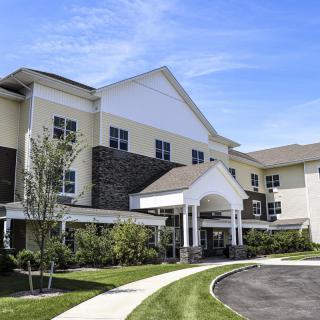
146 Hampton Vista Drive, Manorville, NY 11949
To contact a resident: (631) 396-1876
For more information about senior living options: (866) 208-4318
Overall Review of Companion Care USA Suffolk County
Pros
 Home Companion Services provides tremendous, outstanding home care that families can rely on.
- The staff is caring, accommodating, and reliable, and the companions are easy to work with.
- The aides show care, understanding, and trustworthiness, adapting to loved ones’ needs through all stages of illness.
- The management team is professional, compassionate, and a pleasure to work with.
- The services enable families to keep their loved ones at home with comfort and peace of mind.
- The company demonstrates integrity, dignity, and high standards in every interaction.
- Families report prompt, attentive service and highly recommend Home Companion Services.
Cons
 They were not able to provide a caregiver who met the client's requirements.
- The caregiver sent over did not meet any of the stated requirements.
Review
Companion Care USA Suffolk County in Manorville is best suited for families seeking reliable, non-medical in-home support that enables aging loved ones to stay in their own homes. This community shines when a steady, compassionate presence is needed for daily living tasks, gentle companionship, and flexible scheduling to match fluctuating needs. For families facing early to mid-stage cognitive changes, particularly Alzheimer's, the care team demonstrated a noteworthy capacity to adapt to changing requirements while maintaining continuity of care. The strongest value lies in the human connection: caregivers who feel like an extension of the family and a management team that treats each case as ongoing, evolving work rather than a one-off assignment.
Those pursuing a facility-based option or clinical oversight should consider alternatives. This arrangement is not a substitute for professional nursing care or 24/7 medical monitoring, and families with highly specialized medical needs may find that a licensed home health agency or an accredited assisted living environment better aligns with clinical goals. Additionally, if the priority is an initial caregiver match that is guaranteed to be perfect on day one with very rigid prerequisites, some flexibility may be required. While the service has a track record of adjusting caregivers to fit personalities and needs, the process hinges on clear communication and ongoing collaboration, which may feel slower for families expecting an immediate, exact fit.
The core strengths of this provider offset the principal drawbacks through a demonstrated commitment to responsiveness and continuity. Caregivers are described as caring, trustworthy, and easy to work with, with staff that can pivot as a loved one’s needs shift, an indispensable asset for progressive conditions such as Alzheimer’s. A notable advantage is the ability to assign a caregiver for extended periods, sometimes months, which builds real familiarity with routines, preferences, and triggers. Office leadership, recognized in testimonials for professionalism and compassionate coordination, actively works to align personnel with individual personalities and care goals, reducing the frequency of disruptive changes and supporting a stable home environment.
The most salient con to anticipate is the potential mismatch between a caregiver’s exact qualifications and a family’s non-negotiable requirements. A reviewer pointed to a mismatch between expectations and capabilities, underscoring that not every assignment will perfectly meet every criterion. That risk is mitigated by an active matching process and the option to switch caregivers when needed. Still, families should approach initial intake with precise, written requirements and a clear discussion of non-negotiables, knowing that the agency will pursue alternatives until a suitable fit emerges. This is not a perfect guarantee, but the pattern in reviews shows a proactive stance toward remedying misalignments and preserving care continuity.
Practical considerations reinforce the decision to engage this service. The caregivers are praised for reliability and for maintaining a steady presence, which matters deeply when a loved one relies on routine and familiar cues. The agency demonstrates capacity for long-range planning, support during hospital-to-home transitions, and assistance as needs escalate toward Medicaid in-home arrangements, highlighting an ability to scale care in tandem with financial and clinical planning. Families should expect ongoing collaboration with management to tailor schedules, document evolving care plans, and address personality dynamics that influence day-to-day harmony.
In sum, this Manorville option delivers a pragmatic, experienced path for aging-in-place where emotional warmth and consistency count as much as practical support. It is a strong fit for households seeking trustworthy companionship, steady aides, and a management team willing to adjust course to protect dignity and comfort. The few drawbacks, chiefly the possibility of mismatches in caregiver qualifications, are counterbalanced by a responsive, problem-solving approach and a genuine emphasis on continuity. For families prioritizing home-based well-being, this provider stands out as a disciplined, compassionate partner; for those requiring intensive clinical oversight or a highly specialized staffing profile, exploring licensed home health or facility-based alternatives remains prudent.
 Long Island - MacArthur (18 miles away)




 Managing Nursing Home Expenses After Medicare Coverage Ends
 Is a Geriatric Care Manager the Right Choice for Your Family?
 Compassionate Conversations: How to Comfort Someone Who Is Grieving