
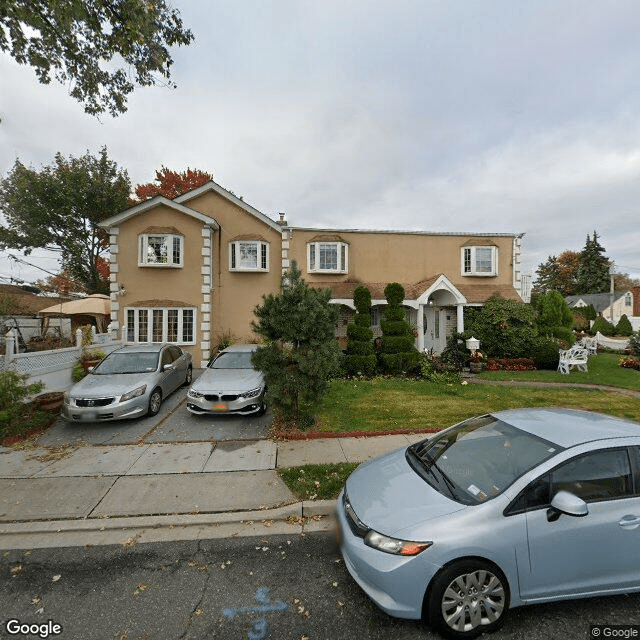
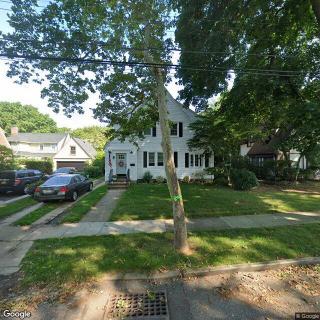
215 Fieldmere Street, Elmont, NY 11003
To contact a resident: (516) 437-4496
For more information about senior living options: (866) 208-4318
J&M Enterprise Costs & Pricing
J&M Enterprise offers competitive pricing for its services compared to the broader market in Queens County and New York State. For a semi-private room, J&M Enterprise charges $1,300 per month, significantly lower than the county average of $3,901 and the state average of $4,389. Similarly, their private rooms are priced at $1,800 monthly, which is more affordable compared to $4,193 in Queens County and $5,159 across New York State. These cost advantages position J&M Enterprise as an attractive option for individuals seeking quality care without the financial burden typically associated with such accommodations in the region.
| Floor plans | J&M Enterprise | Queens County | New York |
|---|---|---|---|
| Semi-Private | $1,300 | $3,901 | $4,389 |
| Private | $1,800 | $4,193 | $5,159 |
Senior living communities with a similar price nearby
-
About the same
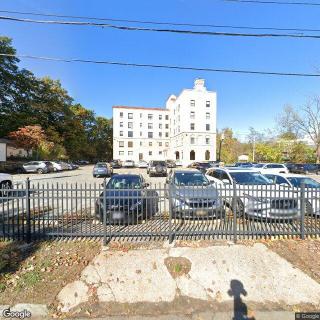
Senior Helpers Westchester
$1,275 to $6,900 / month19.4 miles away -
from -$75 / mo
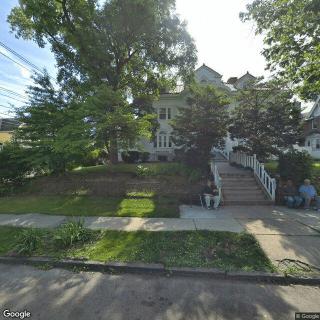
Chester Hill Adult Home
$1,225 to $1,317 / month16.0 miles away -
About the same

Queens Adult Care Center
$1,313 / month9.0 miles away -
from +$200 / mo

Gladhaven Club
$1,500 / month22.8 miles away -
from +$67 / mo

Lott Community Home Health Care
$1,367 / month13.7 miles away
Overall Review of J&M Enterprise
Pros
 The director is on top of things.
- The place is clean.
- The food is healthy.
- The staff has been willing to accommodate his needs.
- They invite him into the kitchen occasionally because he loves to cook.
- They care about involving the residents.
- The room is large and sunny.
- They highly recommend this community for other families.
Cons
 The staff could be more engaging with the residents.
- They could be more open to letting visitors in.
- He can be a little tough.
Review
J&M Enterprise in Elmont is best suited for seniors who want a quiet, home-like setting where care feels intimate, personalized, and solidly overseen by a proactive administrator. The strongest signal comes from families whose loved one requires around-the-clock attention and appreciates care that feels more like family involvement than a clinical routine. For residents who value predictable routines, direct access to a capable director, and daily care plans shaped with input from loved ones, this community offers a reassuring framework and steady support that lowers the anxiety of long-term placement.
Those considering alternatives are wise to note that this community may feel too low-key for someone craving constant social programming or a highly open visitor policy. The feedback points to a need for more ongoing staff engagement and a visitor-friendly atmosphere, which can matter when a resident thrives on interactive activities and broader social connections. Families seeking a bustling calendar, frequent staff-initiated interactions, or looser visitation norms may prefer larger, more program-driven options that deliver such stimulation on a daily basis.
The strongest pros here center on reliability, care quality, and a calm, accommodating environment. Cleanliness and healthy meals are repeatedly cited, with staff willing to tailor care to individual needs and a director who stays actively involved. The setting is described as peaceful, with large, sunlit rooms that contribute to a sense of safety and comfort. Activities are viewed as helpful, and residents are positioned to participate in practical, everyday routines, which reinforces a sense of belonging and purpose even in a smaller, more intimate community.
Another clear advantage is the emphasis on resident involvement and practical caregiving. Staff are perceived as gentle, patient, and helpful, and the culture appears to support simple, meaningful engagement, such as inviting residents to contribute to kitchen moments or daily tasks. This kind of participation can be particularly meaningful for families who want their loved one to stay connected to familiar rituals and a slower, steadier pace of life. The physical layout, a tranquil, light-filled space, further supports a lifestyle that centers on comfort, dignity, and steady progression in daily living.
To make a well-informed decision, families should verify that the level of staff engagement aligns with their loved one’s social needs and that the care plan can sustain consistent attention over time. Prospective residents or their representatives should request a face-to-face meeting with the director, review a current daily schedule, and examine how care plans adapt to changing needs. Clarify visitor policies and any exceptions, and confirm how flexible the facility is with individual preferences while maintaining clear boundaries that protect safety. A short trial stay or a scheduled observation of mealtimes and routine care can reveal whether the atmosphere and team dynamics meet expectations.
In the end, J&M Enterprise stands out as a practical choice for families prioritizing a home-like, person-centered care model with strong administrative oversight and a calm, reassuring atmosphere. It may not be the best fit for those who equate senior living with high-energy programming or limitless visitor access. For loved ones who thrive on individualized care delivered with quiet efficiency, and for families prepared to engage actively in care decisions, this community deserves serious consideration, paired with candid conversations about expectations and a plan to monitor progress and satisfaction over the first weeks of residency.
 Board and Care Home
 Activities on-site
 Air-conditioning
 Cable or satellite TV
 Devotional services off-site
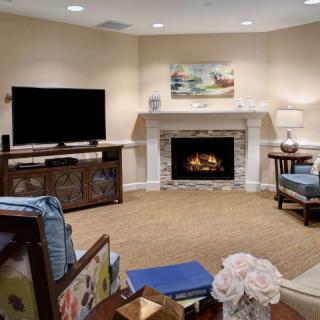
 Indoor common areas
 Outdoor common areas
 Private
 Respite or short term stays offered
 Wheelchair accessible showers
 Wi-Fi/high-speed internet available
 John F Kennedy International (5 miles away)
 Ambulatory care
 Incontinence care
 Medication management
 Anytime dining
 BBQs or picnics
 Birthday parties




 Comprehensive Guide to Qualifying for Home Health Care Services
 Powerful Realities of Elder Abuse and the Most Effective Ways to Report It
 Ten Vital Duties of a Senior Caregiver: A Comprehensive Guide