141 Rockefeller Road, Delmar, NY 12054
For more information about senior living options: (866) 208-4318
Overall Review of Kenwood Manor at Good Samaritan Village
Pros
 The tour guide was friendly.
- The price was right.
- The staff seemed very good.
- The residents seemed happy.
- There is a broad range of activities.
- The facility offers a library and a computer for residents.
- The rooms are nice and clean.
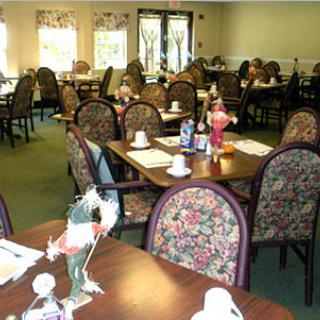
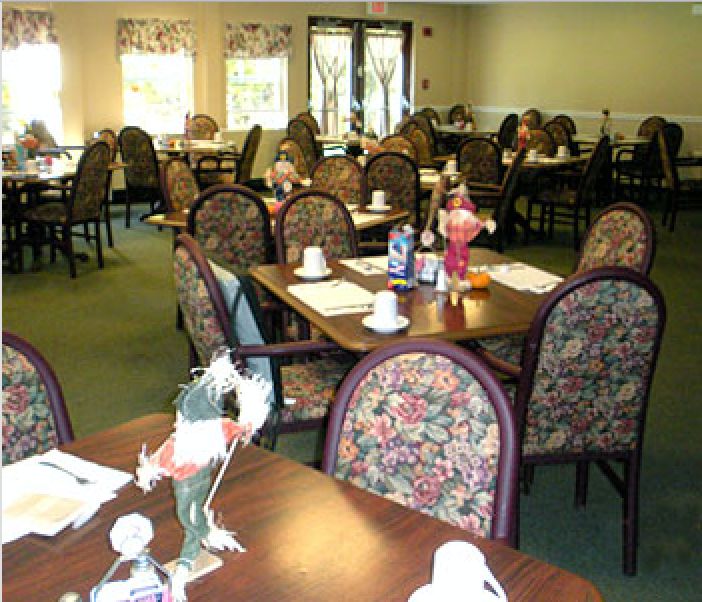
- The meals look good.
Cons
 It was older.
- It was nowhere near as nice as the other places they visited.
- The rooms were small and dingy looking.
- It was not a nice, upscale place.
- They did not offer food there like the other places did.
- Black mold was busting.
- Cooking in the room was not possible.
- The building was older and not as plush as the other place.
- The building had areas that could use repair.
Review
Kenwood Manor at Good Samaritan Village in Delmar, NY is best suited for seniors who want steady, dependable day-to-day supports, a solid menu of social and wellness activities, and staff who are consistently approachable and helpful. This community fits those seeking a practical, no-nonsense environment where daily routines are predictable, assistance is available when needed, and the emphasis is on staying engaged rather than on luxury amenities. It appeals to families prioritizing value, reliability, and a collegial atmosphere over showroom finishes.
Those who may want to consider alternatives include individuals who insist on contemporary, ultra-plush surroundings with in-room kitchenettes, resort-style common areas, or highly upscale design. For seniors chasing a newer build with premium finishes or a facility that markets a more extravagant resident experience, other options will likely feel more aligned with that preference. Similarly, families prioritizing very intensive medical rehab or specialized clinical programs may need a setting tailored to higher acuity care beyond what this community is positioned to offer.
The strongest pros center on the fundamentals that matter daily: attentive staff, a diverse activity calendar, and accessible support services. When residents want companionship, structured programming, and opportunities to pursue hobbies or fitness, these elements typically deliver consistent value. On-site amenities that support independent living and social connection, such as library resources, computer access, and basic wellness services, help keep residents engaged without requiring elaborate furnishings. Meals are generally considered solid and appealing, contributing directly to daily satisfaction and overall well-being. Taken together, these strengths counterbalance the realities of an older-building footprint by emphasizing reliability, sociability, and practical comfort.
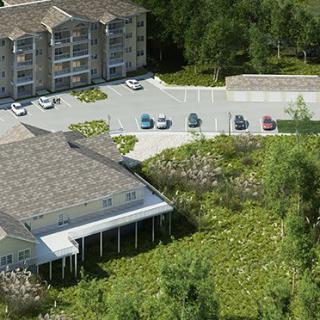
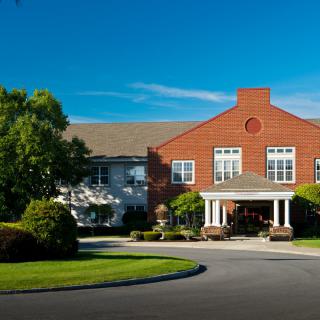
The main drawbacks to weigh against these strengths revolve around the physical footprint and the inherent limitations of an older property. Small or dated rooms, while serviceable, can feel restrictive for residents who value more private space or the option to tailor a room to personal tastes. In-room cooking is typically not available, which means residents must adapt to communal dining or designated meal options rather than preparing favorites. The age of the building can also bring repairs or modernization needs, which may translate into occasional maintenance considerations or a perception of dated aesthetics compared with newer communities. Some ancillary conveniences, like arranging private phone lines, require coordination with outside providers, adding a layer of planning for residents who prize seamless connectivity.
Despite these drawbacks, the value proposition remains compelling for the right fit. Value is enhanced when the daily rhythm, meals, activities, and social opportunities, meets expectations and staff responsiveness stays consistently high. The safety-focused design ethos common to mid-market assisted living translates into predictable routines, clear assistance pathways, and stable staffing, all of which reduce everyday stress for residents and families. For households looking to balance cost with meaningful engagement, Kenwood Manor’s package often delivers more in practice than a purely price-driven comparison would suggest, particularly when the goal is reliable companionship and steady support rather than luxury.
Guidance for families deciding this community is straightforward. Schedule an in-person tour with a specific checklist: review floor plans, measure room sizes, and observe how safety features are implemented in common areas and bedrooms. Request a sample menu and ask about dietary accommodations, food quality, and dining flexibility. Confirm what services are included in the rate (housekeeping, transportation, activities, and care coordination) and what incurs extra charges. Speak with current residents about daily life, the cadence of activities, and the responsiveness of staff. In the end, Kenwood Manor emerges as a practical, well-rounded option for those who value consistent care, social vitality, and a straightforward, affordable living experience over high-end finishes or private culinary autonomy.
 67 resident community capacity
 Studio apartments
 Assisted Living
 Skilled Nursing Facility
 Air-conditioning
 Beautician on-site
 Cable or satellite TV
 Cafe
Cafe Computer center
 Dining room
 Fitness room
 Fully furnished
 Gaming room
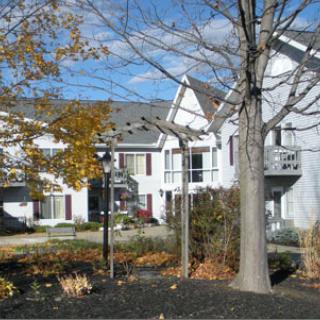
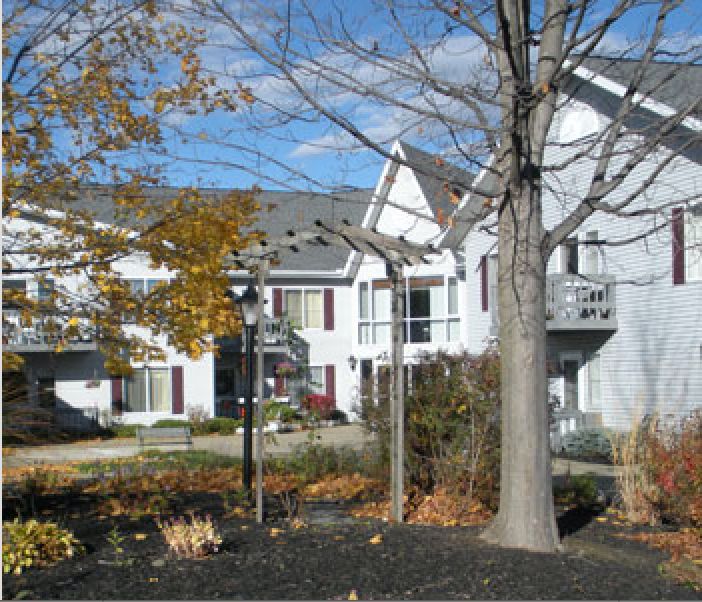
 Garden
 General store
 Guest parking
 Housekeeping services
 Kitchenette
 Laundry
 Move-in coordination
 Outdoor space
 Party space
 Private bathrooms
 Restaurant-style dining
 Small library
 Telephone
 VA Benefits Consultation
 Wellness center
 Wi-Fi/high-speed internet available
 Albany Cty (8 miles away)
 Community operated transportation
 12-16 hour nursing
 24-hour call system
 Activities of daily living assistance
 Assistance with bathing
 Assistance with dressing
 Assistance with transfers
 Companion care
 Diabetes diet
 Hospice care
 Medication management
 Mental wellness program
 Personal care assistants
 Physical therapy
 Psychiatric care
 Special dietary restrictions
 Arts and crafts
 Book club
 Concierge services
 Cooking club
 Educational speakers / life long learning
 Games
Games Live musical performances
 Planned day trips
 Religious services



 Comprehensive Insights into Activities of Daily Living (ADLs) and Their Assessment
 Medicare Coverage for Assisted Living: An In-Depth Exploration
 Choosing the Right Senior Care: A Detailed Exploration of Assisted Living and Nursing Homes