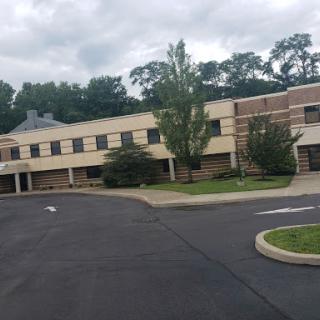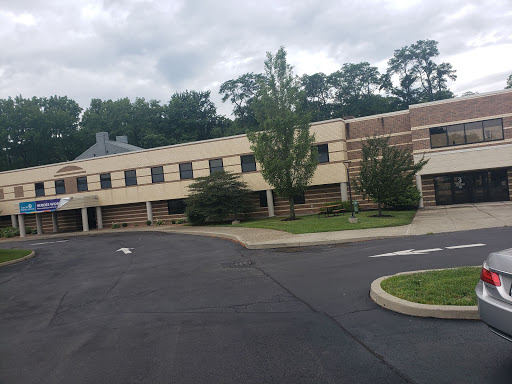
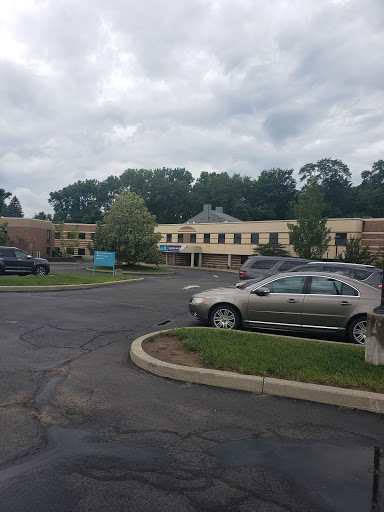
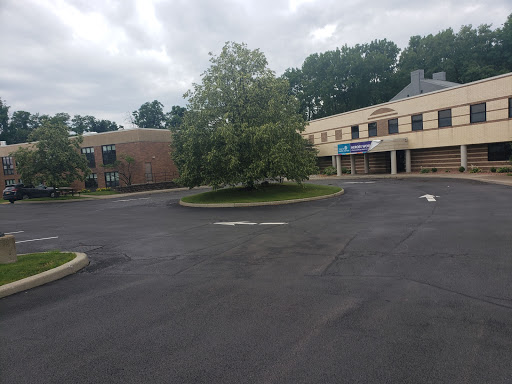
27 Hackett Boulevard, Albany, NY 12208
For more information about senior living options: (866) 208-4318
Overall Review of St Margarets Center
Pros
 The Respiratory staff is amazing; nothing but good things to say about them.
- The housekeeping and dietary staff are a nice group of people, hardworking and pleasant.
- There are a few staff members who definitely care, and their work shows.
- The staff are dedicated and caring, with superb guest accommodations.
- The staff have made him a main priority; they are always there for him, and the vent unit has made him feel at home.
Cons
 The daughter was neglected and mistreated at the respite facility.
- The staff called CPS and lied about the parent refusing to pick up their child.
- The staff did not take accountability and treated the parent as the problem.
- The nursing staff’s word cannot be trusted, and some have a God complex.
- The administration is described as smiling fake faces and more concerned with money than care.
- There are cover-ups of accidents to residents, which is shameful.
- The granddaughter’s condition worsened since arriving, and the nurses and their entourage are the worst.
- The facility is not a good place to send a child; it is a terrible place for a human being.
Review
St. Margarets Center in Albany is best suited for families that need intensive rehabilitative and respiratory support for a child or young person and are prepared to be actively involved in caregiving oversight. The most reliable positives lie in the hands-on clinical competencies of the frontline teams: respiratory care is repeatedly described as capable, and housekeeping and dietary staff are noted as hardworking and responsive. For families willing to document care, ride with frequent visits, and press for precise attention to medications and therapeutic plans, there is a path to meaningful benefit. Those whose top priority is consistent, transparent leadership and a harm-free environment should recognize that benefits can be undermined by serious concerns raised about administration and overall safety culture. In short, this community may work for engaged families who can supervise care closely, and it may not be suitable for those who require a steadier, risk-free environment.
On the strong side, the respiratory program and the direct care milieu emerge as meaningful assets. Reviews consistently praise the respiratory staff for competence and reliability, delivering steady support in a setting where breathing and airway management can be pivotal. The dietary and housekeeping teams are described as pleasant, diligent, and patient-centered, contributing to daily comfort and basic quality of life. Positive anecdotes also highlight moments when dedicated staff members made a real difference, and for some residents the vent unit has helped feelings of security and home-like continuity. These frontline strengths create a foundation where actual daily care can be competent and compassionate in practice, which matters when clinical needs are complex and ongoing.
Yet the most troubling themes center on governance, safety, and trust. Several families report neglect or mistreatment, with one describing a child as unnerved by care and another alleging abusive incidents and cover-ups. The repetition of concerns about administration, portrayed in some reviews as insincere or “fake” in demeanor, casts a long shadow over the care environment. Accusations range from being admonished for speaking up, to alleged retaliatory actions, to stories about misrepresented situations with authorities. There is also persistent warning about turning to financial considerations, insurance billing and “money motive” concerns, that can color perceptions of care quality. Coupled with claims of high staff turnover and inconsistent med management practices, the risk profile becomes substantial. Taken together, these red flags demand rigorous scrutiny before choosing this center.
The pros and cons do not cancel each other out; they interact in a way that tilts decision-making toward caution. Strong frontline care can mitigate risk only when governance is transparent, accountable, and steady. If a family can secure unfettered access to the care team, insist on strict med administration protocols, demand timely incident reporting, and keep regular, documented communications with supervisors, the favorable clinical elements may offset some risk. However, without an unwavering leadership structure and a demonstrated track record of safe, person-centered care, the frontline strengths can be overshadowed by reports of neglect, miscommunication, and a perceived prioritization of financial considerations over resident welfare. The practical takeaway is that benefit is conditional on high-touch oversight and verifiable safety practices.
Who should consider alternatives? Families that cannot tolerate conflicting signals about staff reliability, or who prize consistent, transparent accountability, should look elsewhere. Those who require a proven record of safeguarding from administration, a stable caregiving team, and ongoing third-party oversight will likely find more reliable options. For residents with complex medical needs that depend on precise medication management and disciplined safety protocols, the potential risks documented in several reviews warrant serious comparison with other providers that emphasize safety culture, graduated therapy plans, and long-tenured staff. In short, if the overall environment feels uncertain or if administrative responsiveness is lacking, alternatives with clearer governance and proven safety records are prudent.
For families proceeding with St. Margarets Center, the prudent path is rigorous due diligence. Schedule unannounced visits to observe daily routines, request to review incident logs, and meet with direct supervisors and the medical director. Probe specifically about med administration protocols, response to adverse events, and the cadence of care plan updates with therapists. Demand transparent explanations for any turnover in key caregiving roles and insist on documented care plans that align with the child’s medical and behavioral needs. Ensure a concrete, written plan for communication that includes regular updates and access to independent documentation. If these safeguards cannot be consistently demonstrated, the better course is to pursue alternatives that deliver greater reliability, steadier leadership, and a culture of safety that families can trust day in and day out.
 92 resident community capacity
 Skilled Nursing Facility
 Air-conditioning
 Beauty salon
 Cable or satellite TV
 Computer center
 Dining room
 Fitness room
 Fully furnished
 Gaming room
 Garden
 Housekeeping services
 Kitchenette
 Move-in coordination
 Outdoor space
 Private bathrooms
 Restaurant-style dining
 Small library
 Telephone
 Wellness center
 Wi-Fi/high-speed internet available
 Albany Cty (7 miles away)
 Community operated transportation
 12-16 hour nursing
 24-hour call system
 Activities of daily living assistance
 Assistance with bathing
 Assistance with dressing
 Assistance with transfers
 Diabetes diet
 Medication management
 Mental wellness program
 Special dietary restrictions
 Concierge services
 Planned day trips




 8 Essential Assistive Devices for Older Adults
 Navigating the Financial Road to Nursing Home Care: In-Depth Guidance and Resources
 Supportive Employee Benefits That Help Caregivers Attain Better Work-Life Harmony