






Albany Center in Delmar, NY

Save

  • Interior

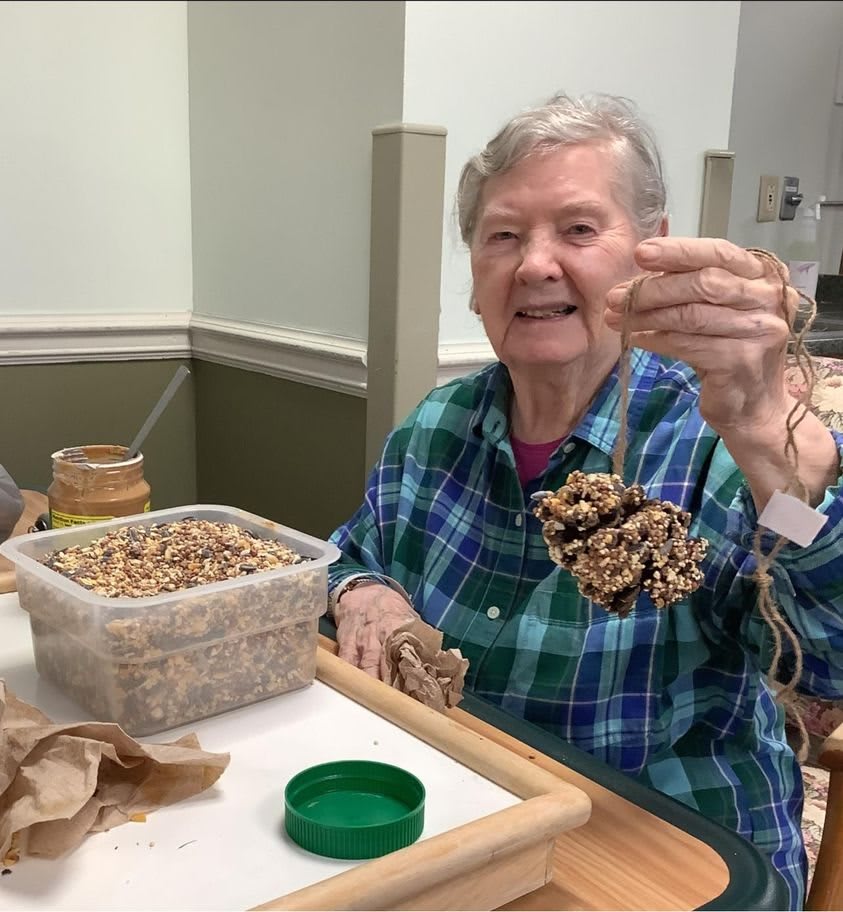
    An elderly person smiling while working on a bead craft project indoors.
  • Decor

    People enjoying a Halloween-themed party with decorations and costumes.
  • Building

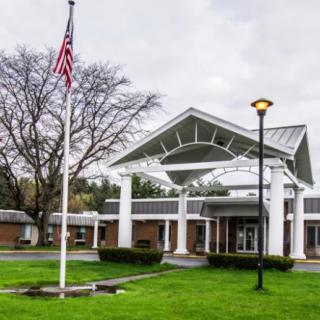
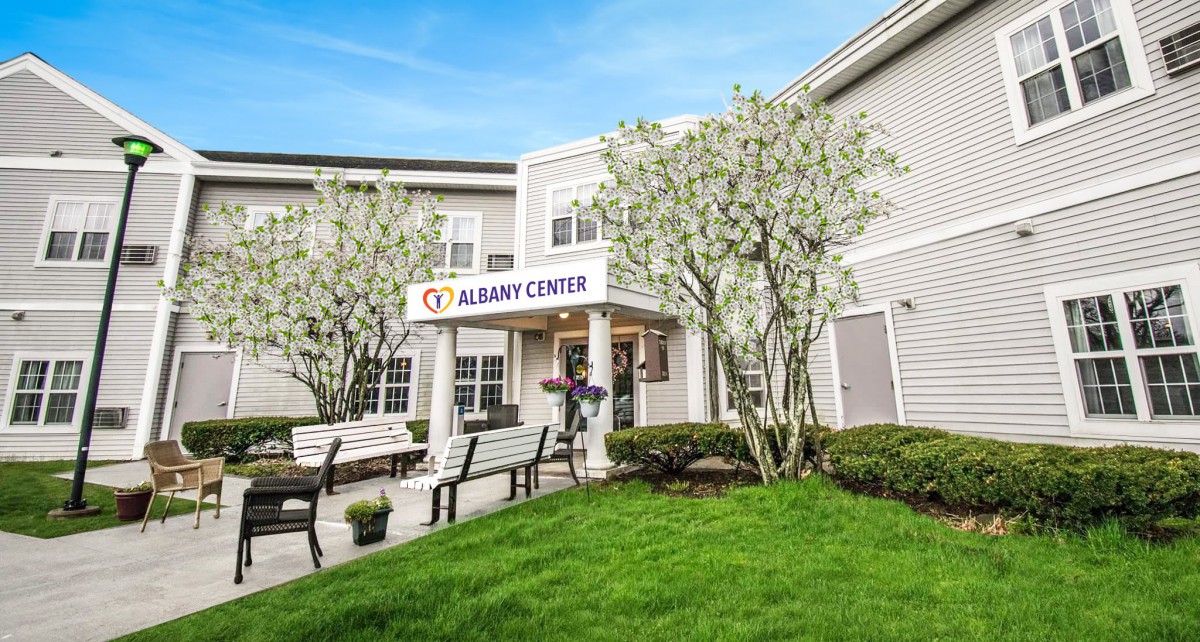
    A healthcare center entrance with blooming trees and benches.
  • Trees

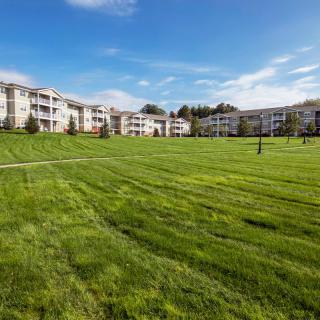
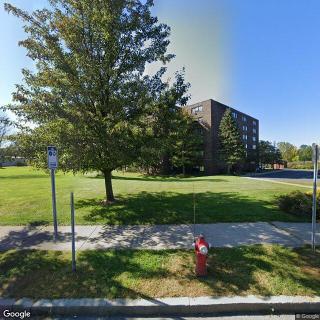
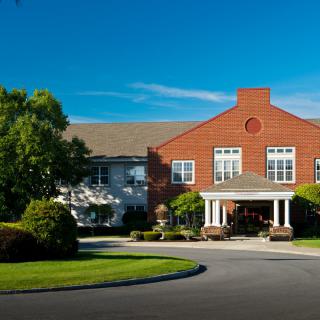
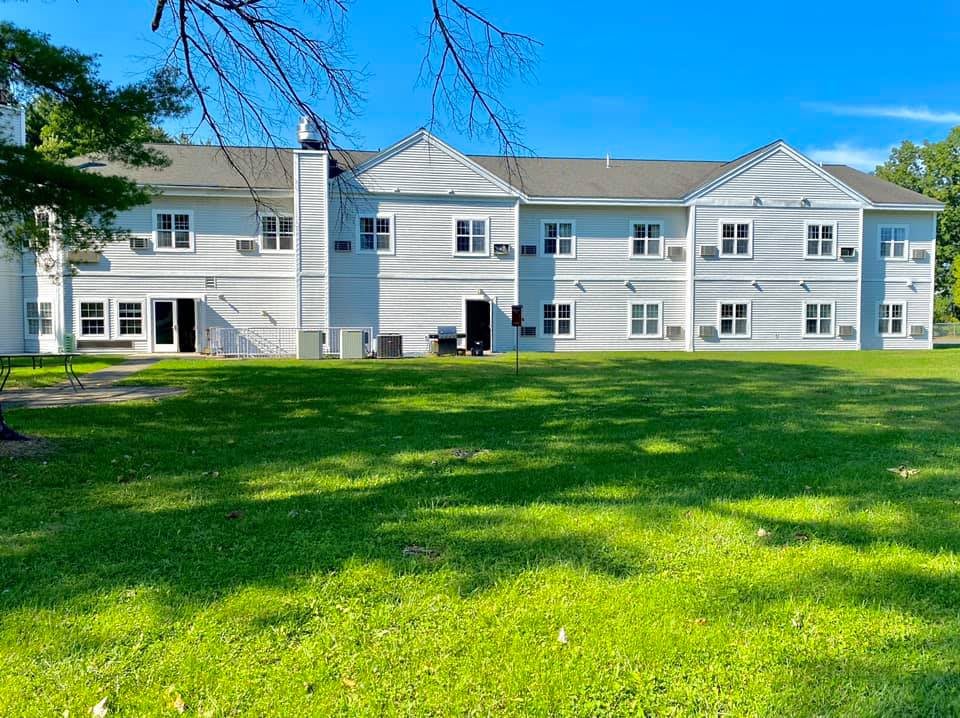
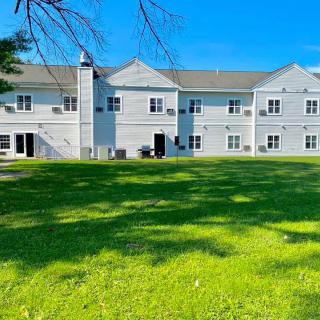
    A residential building with a green lawn and clear blue sky.
  • Windows

    A table filled with a variety of snacks displayed indoors by a window.
  • Dining

    Two individuals interacting at an outdoor table during a community event on a sunny day.
  • Painting

    A person painting on a canvas using a brush.
  • Wheelchair

    An elderly person sitting at a table with a meal in front of them.
  • Nursing Home

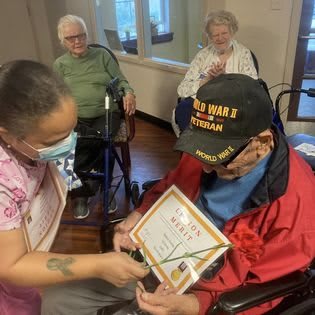
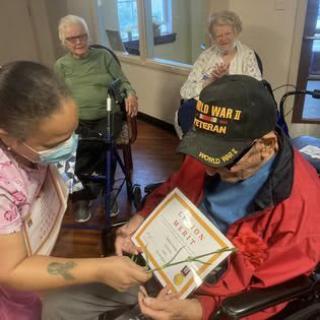
    A caregiver presents an award to an elderly veteran in a nursing home setting.
  • Daylight

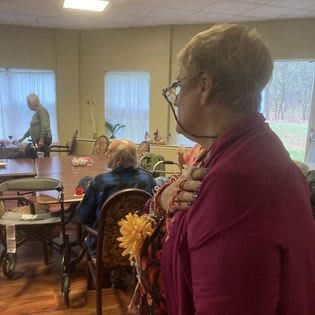
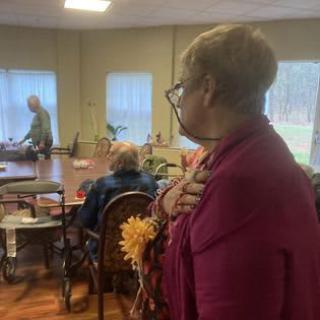
    A woman standing in a senior activity room, observing while others are seated.

Albany Center in Delmar, NY

Information last verified:

141 Rockefeller Rd, Delmar, NY 12054

For more information about senior living options: (844) 490-3973

3.5 from 10 reviews
5 stars
5
4 stars
1
3 stars
1
2 stars
0
1 stars
3

Albany Center Costs & Pricing

Albany Center offers a competitive pricing structure for its studio accommodations, with a monthly cost of $2,100. This rate is significantly lower than the average costs observed in Albany County, which stands at $3,873, and even more favorable when compared to the broader context of New York state averages, reaching approximately $4,532. Such a pricing advantage not only marks Albany Center as an attractive option for potential residents seeking quality living spaces but also highlights its commitment to providing affordable housing solutions within the region.

Floor plansAlbany CenterAlbany CountyNew York
Studio$2,100$3,873$4,532

Overall Review of Albany Center

Pros

  • pro The staff are very responsive to his needs and very patient with his dementia.
  • pro They genuinely care for him, including the head of medical, the caseworker, the med techs, the activities director, the dining hall and housekeeping staff.
  • pro The staff are professional and helpful, and they clearly enjoy their work.
  • pro Everyone has been helpful and friendly.
  • pro The admissions process was easy and the admin staff are friendly and understanding, with the executive director accessible.
  • pro Residents really enjoy the friendly atmosphere and the accessibility of the executive director.
  • pro They would definitely recommend this place to a loved one.

Cons

  • pro The facility has a high employee turnover, leaving residents understaffed.
  • pro Cleaning staff do not consistently clean residents' living areas.
  • pro There is no on-site physician, and the nurse practitioner is described as useless.
  • pro The facility allegedly mishandled a resident’s finances, including stealing money.
  • pro Rooms have a leaking ceiling and a broken bed.
  • pro The food is described as terrible or inedible.
  • pro Staff are condescending and medication errors are tolerated.
  • pro Laundry service is unreliable and clothes frequently go missing.
  • pro Weekend staffing is insufficient, with one nurse managing two floors.
  • pro Mouse droppings are found throughout the facility.

Review

Albany Center in Delmar, NY is best suited for families seeking an affordable option where memory-impaired seniors can be supervised daily and kept on a predictable routine, provided a family member or advocate is prepared to stay actively involved. The community presents itself as a place where meals, basic care, and medication routines are managed on site, and where staff interactions can be genuine and supportive for residents with dementia or cognitive needs. In practice, residents with wandering or safety concerns may find value in a setting that offers visible structure and an on-site team that appears capable of addressing daily tasks, at least in the short term. This is not a luxury environment, but it can function as a practical bridge for families navigating budget constraints while insisting on vigilant oversight. The decisive factor is whether the family can and will monitor day-to-day operations closely enough to catch lapses before they accumulate into larger risks.

Those who should seriously weigh alternatives include families whose loved one requires consistently rigorous medical oversight, or who cannot tolerate recurring governance gaps. Several reviews flag recurring administration changes and uncertain leadership, which translate into inconsistent policies and variable staffing. If a steady, proactive medical presence, on-site physicians or reliably available nurse practitioners, remains nonnegotiable, Albany Center may fall short. Likewise, if rigorous cleanliness, reliable housekeeping, and dependable laundry service are non-negotiable for daily quality of life, other options with clearer operational stability will likely serve better. For families without the bandwidth to supervise closely, the risk of neglect or mismanagement becomes too high to justify keeping a loved one here.

On the positive side, there are meaningful stories of care when attention is present. In instances where dementia care is the focus, staff responsiveness and patience can make a tangible difference in daily functioning, including medication adherence and meal-time supervision. Several residents or families point to staff who genuinely engage with residents and remember routines, and to administrative access that can help resolve problems when they arise. These pockets of reliability demonstrate that, when governance is stable and staffing is coordinated, Albany Center can deliver the essential caregiving tasks that many families require. Yet these bright spots are not universal and do not erase the structural concerns that color the overall experience.

The list of significant cons is hard to overlook. Multiple reviews recount ongoing cleanliness issues, with rooms not consistently maintained and facilities sometimes feeling dreary upon entry. Med-management problems recur, including wrong dosages or incorrect medications, and there are alarming accusations of financial mismanagement and theft by staff, which undermine trust in the system. Laundry service is uneven at best, with reports of missed pickups or items going missing, and weekend staffing is described as lean, resulting in slower responses to needs. The physical environment has also included a leaking ceiling and a broken heater in cold months, alongside mice sightings, all of which raise safety and comfort concerns. These factors collectively erode confidence in Albany Center as a reliable long-term home.

Operational dynamics further complicate the decision. A recent narrative of ownership changes, mixed experiences with administration, and a perception that the facility concentrates on taking money rather than delivering comprehensive resident care creates a cautionary backdrop. The absence of a stable, predictable medical leadership framework compounds risk for residents with complex health profiles. Meals are sometimes sourced externally, with service delays on weekends, and even the quality of dining can feel inconsistent. Taken together, these issues emphasize that Albany Center is unlikely to be the best fit for families requiring a consistently high standard of cleanliness, medical oversight, and administrative reliability. For those who prioritize predictability and safety above all, alternatives with stronger governance and delivery systems are advisable.

In the end, Albany Center functions best as a pragmatic option for cost-conscious families who are willing to be actively engaged in daily oversight, particularly for a loved one with memory challenges who benefits from structured routines and attentive but intermittent medical support. The decision hinges on whether the family can tolerate notable governance churn, labor shortages at the margins, and the risk of lapses in medication, housekeeping, and basic safety. If those risks are judged manageable with regular, hands-on advocacy, the community can deliver meaningful improvement and a decent quality of life. If not, the wiser route is to pursue facilities with demonstrated consistency in staffing, medical oversight, and housekeeping, and with a track record of stable leadership and transparent operations. The choice, ultimately, comes down to a clear assessment of willingness and capacity to supervise, and a willingness to move promptly if safety or dignity is compromised.

Features

Types of Care

  • Assisted Living Assisted LivingAssisted living facilities provide crucial support and care for seniors who may need help with daily tasks such as medication management, bathing, and meal preparation. These communities offer a safe and comfortable environment where seniors can maintain their independence while receiving the assistance they need to thrive in their golden years.

Amenities

  • Activities off-site Activities off-siteEngaging in off-site activities is crucial for seniors to maintain social connections, stay active, and stimulate their minds. It promotes overall well-being and helps combat feelings of isolation and loneliness.
  • Activities on-site Activities on-siteActivities on-site are important for seniors because they provide opportunities for socialization, mental stimulation, physical activity, and overall well-being. Engaging in activities can help seniors stay active, maintain their independence, and improve their quality of life.
  • Air-conditioning Air-conditioningAir conditioning is important for seniors as they are more vulnerable to heat-related illnesses and may have underlying health conditions that make it difficult for them to regulate their body temperature. It helps to keep them comfortable, safe, and healthy in hot weather.
  • Bath tubs Bath tubsBath tubs are important for seniors because they provide a safe and relaxing way to bathe, helping to prevent slips and falls while promoting independence and overall well-being.
  • Beautician on-site Beautician on-siteHaving a beautician on-site at a senior living community is important for seniors as it allows them to easily access grooming and personal care services, boosting their self-esteem and overall well-being. It also provides convenience and helps seniors maintain their sense of independence and personal style.
  • Cable or satellite TV Cable or satellite TVCable or satellite TV is important for seniors because it provides entertainment, news, and companionship, helping to combat loneliness and boredom. It also offers a wide range of programming options tailored to different interests and preferences.
  • Devotional services off-site Devotional services off-siteDevotional services off-site are important for seniors as they provide spiritual nourishment, social engagement, and a sense of community outside of the senior living facility. This can enhance overall well-being and help combat feelings of isolation and loneliness often experienced by older adults.
  • Devotional services on-site Devotional services on-siteDevotional services on-site provide seniors with spiritual support and a sense of community, as well as an opportunity for reflection and guidance during their senior living experience. This can promote emotional well-being and connection to others, leading to a more fulfilling and enriching lifestyle in their later years.
  • Garden view Garden viewGarden views are important for seniors as they provide natural beauty and tranquility, promoting relaxation and overall well-being. Access to green spaces can also encourage outdoor activity and socialization, enhancing physical and mental health.
  • Ground floor units Ground floor unitsGround floor units are important for seniors because they provide easy accessibility, reduced risk of falls and injuries, and convenience for those with mobility issues. Seniors can avoid climbing stairs or using elevators, making daily tasks and activities more manageable and enjoyable.
  • Handicap accessible Handicap accessible"Handicap accessible" amenities are crucial for seniors to ensure they can easily navigate and access facilities, services, and activities without barriers or limitations due to physical impairments. This promotes independence, safety, and inclusivity for seniors in senior living communities.
  • Indoor common areas Indoor common areasIndoor common areas are crucial for seniors as they provide a space for socialization, recreation, and community engagement, promoting overall well-being and reducing feelings of isolation and loneliness.
  • Outdoor common areas Outdoor common areasOutdoor common areas are important for seniors as they provide a space for socialization, physical activity, and relaxation. Being outside in nature can improve mood and overall well-being, while also encouraging movement and engagement with others. These spaces can help combat feelings of isolation and promote a sense of community among residents.
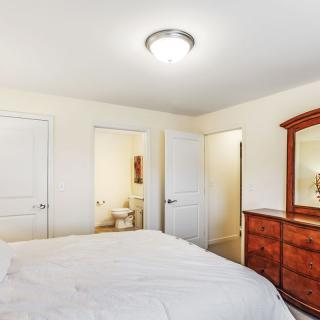
  • Private bathrooms Private bathroomsPrivate bathrooms are important for seniors in senior living communities because they provide independence, dignity, and comfort. Having a private bathroom allows seniors to maintain their personal hygiene routines without the need for assistance, promoting a sense of autonomy and privacy. Additionally, private bathrooms help prevent the spread of infections and provide a safe and clean environment for seniors to navigate safely.
  • Respite or short term stays offered Respite or short term stays offeredRespite or short term stays provide seniors with a temporary solution when their regular caregiver is unavailable, offering them the opportunity to receive additional care and support during times of need, while also giving caregivers a chance to rest and recharge.
  • Wheelchair accessible showers Wheelchair accessible showersWheelchair accessible showers are crucial for seniors as they provide a safe and independent bathing option for those with mobility challenges. These showers help prevent falls and allow seniors to maintain their dignity and autonomy while ensuring they can bathe comfortably.
  • Wi-Fi/high-speed internet available Wi-Fi/high-speed internet availableWi-Fi/high-speed internet is important for seniors to stay connected with loved ones, access online resources, and participate in virtual activities to combat feelings of loneliness and isolation. It also allows them to easily manage healthcare needs, access entertainment, and engage in lifelong learning opportunities.

Transportation

  • Albany Cty (8 miles away) Albany Cty (8 miles away)

Care Services

  • Ambulatory care Ambulatory care"Ambulatory care services provide essential medical support and treatment to seniors without requiring hospitalization, allowing them to maintain their independence and quality of life while managing chronic conditions or receiving routine medical care."
  • Diabetic care Diabetic careDiabetic care is crucial for seniors as they are more susceptible to developing diabetes due to aging and other health conditions. Proper management of diabetes can help prevent complications such as heart disease, vision loss, and nerve damage, improving the overall quality of life for seniors in senior living communities.
  • High acuity care High acuity careHigh acuity care is important for seniors because it provides specialized medical attention and support for individuals with complex medical needs. This level of care ensures that seniors receive the appropriate treatment and assistance to maintain their health and quality of life as they age.
  • Incontinence care Incontinence careIncontinence care is essential for seniors to maintain their dignity, hygiene, and overall quality of life. By addressing incontinence issues promptly and effectively, seniors can enjoy a sense of independence and comfort in their daily activities.
  • Medication management Medication managementMedication management is crucial for seniors to ensure they are taking the right medications at the correct dosages and times. This helps prevent adverse drug interactions, reduces the risk of medication errors, and promotes overall health and well-being. Proactive management also allows for adjustments as needed based on changing health conditions or new prescriptions.

Dining

  • Guest meals Guest mealsGuest meals are important for seniors living in senior living communities because they provide an opportunity for socialization and companionship. Sharing a meal with friends, family, or new acquaintances can help combat feelings of loneliness and isolation, promote a sense of community, and enhance overall well-being. Additionally, guest meals allow seniors to enjoy delicious food in a comfortable setting without the hassle of cooking or cleaning up, making dining a pleasurable and stress-free experience.
  • Kosher KosherKosher options are important for seniors because they adhere to dietary laws that are significant to many Jewish individuals, providing them with peace of mind and an opportunity to maintain their cultural traditions and beliefs while living in a senior living community.
  • Low / no sodium Low / no sodiumLow/no sodium options are important for seniors because excessive sodium intake can lead to high blood pressure, heart disease, and other health issues commonly experienced by older adults. By choosing low/no sodium foods, seniors can better manage their health and reduce their risk of developing these conditions.
  • Meals provided Meals provided"Meals provided" are crucial for seniors in assisted living communities as it ensures they have access to nutritious, balanced meals without the stress of meal planning and preparation. This can help promote overall health and well-being for seniors who may have limited mobility or cognitive abilities.
  • No Sugar No SugarNo sugar diets are important for seniors because they can help prevent or manage chronic conditions such as diabetes, heart disease, and obesity. Sugar can also contribute to cognitive decline and inflammation in the body, so reducing sugar intake can lead to overall improved health and well-being in older adults.
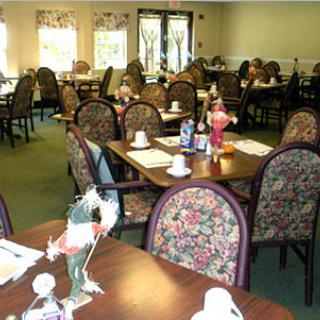
  • Restaurant style dining Restaurant style diningRestaurant style dining is important for seniors as it offers them a social and enjoyable dining experience, promotes healthy eating habits, and provides personalized menu options to cater to their dietary needs and preferences. This type of dining setting can enhance their overall quality of life and create a sense of community within the senior living facility.
  • Room service Room serviceRoom service is important for seniors in a senior living community because it provides convenience and allows them to have their meals delivered directly to their room. This can be especially beneficial for seniors who may have mobility issues or difficulty accessing the dining area. Room service ensures that seniors are able to receive nutritious meals without having to navigate through the facility, allowing them to maintain their independence and overall well-being.
  • Vegetarian VegetarianA vegetarian diet is important for seniors because it can help lower the risk of chronic diseases, maintain a healthy weight, and provide essential nutrients needed for aging bodies. Additionally, plant-based diets are often easier on digestive systems and can contribute to overall well-being in older adults.

Activities

  • Art classes Art classesArt classes are important for seniors because they provide a creative outlet, improve cognitive function, reduce stress and anxiety, promote socialization, and enhance overall well-being and quality of life.
  • Bible study group Bible study groupBible study groups provide seniors with a sense of community, spiritual growth, and support during their later years. It helps them stay connected to their faith, find comfort in difficult times, and build meaningful relationships with others.
  • Catholic services Catholic servicesCatholic services are important for seniors because they provide spiritual support, a sense of community, and opportunities for social interaction that can enhance overall well-being and quality of life in their later years.
  • Cooking classes Cooking classesCooking classes are important for seniors as they provide opportunities for social interaction, enhance cognitive skills, promote healthy eating habits, and boost confidence in the kitchen.
  • Devotional activities offsite Devotional activities offsiteDevotional activities offsite are important for seniors because they provide social engagement, spiritual growth, and a sense of community outside of their living environment. This can improve overall well-being, mental health, and combat feelings of isolation or loneliness.
  • Devotional activities on-site Devotional activities on-siteDevotional activities on-site provide seniors with a sense of community, spiritual fulfillment, and emotional support, promoting overall well-being and a positive sense of purpose in their lives.
  • Educational speakers / life long learning Educational speakers / life long learningEducational speakers and lifelong learning opportunities are crucial for seniors as they provide mental stimulation, promote social engagement, and contribute to overall well-being. Continuous learning helps seniors stay mentally sharp, build new skills, and maintain a sense of purpose and fulfillment in their lives. It also allows them to stay connected to the world around them and fosters a sense of community within senior living facilities.
  • Jewish services Jewish servicesJewish services are important for seniors as they provide a sense of community, spiritual support, and connection to their heritage and traditions. These services help enhance overall well-being and quality of life for older adults in senior living settings.
  • Other religious services Other religious servicesOther religious services are important for seniors as they provide a sense of community, spiritual comfort, and opportunities for socializing. These services can help seniors feel connected to their faith and maintain a sense of purpose and belonging in their later years.
  • Protestant services Protestant servicesProtestant services are important for seniors because they provide spiritual nourishment, community support, and a sense of belonging. These services can help seniors connect with others who share their faith, find comfort and guidance in times of need, and maintain a sense of purpose and fulfillment in their later years.
  • Visiting Rabbi Visiting Rabbi"Visiting rabbis provide spiritual and emotional support to seniors in assisted living communities, helping them connect with their faith, find comfort in times of need, and maintain a sense of community and belonging."
  • Visiting chaplain or priest Visiting chaplain or priestHaving a visiting chaplain or priest at a senior living community is important for seniors because it provides spiritual support, comfort, and guidance during a time of life that can be challenging and uncertain. Their presence can help seniors feel connected to their faith, find peace of mind, and cope with the emotional and mental struggles they may face in their later years.

Description

Albany Center in Delmar, NY is an assisted living community that offers a variety of amenities and care services to meet the needs of its residents. The center provides comfortable accommodations with air-conditioning and private bathrooms, as well as beautiful garden views for a tranquil living environment. The facility is also wheelchair accessible, with features such as handicap accessible showers to ensure ease of mobility for all residents. Wi-Fi and high-speed internet are available throughout the center, allowing residents to stay connected with friends and family.

In terms of care services, Albany Center offers specialized care for diabetic individuals, high acuity care for those with complex medical needs, incontinence care, and medication management. The center aims to provide a safe and supportive environment where residents can receive the assistance they need while maintaining their independence.

Dining at Albany Center focuses on catering to individual dietary preferences and restrictions. Residents can enjoy kosher, low/no sodium, no sugar added, vegetarian meals in a restaurant-style dining setting. Room service is also available for added convenience.

The community promotes an active lifestyle through various activities and religious services. Residents have the opportunity to participate in Bible study groups, Catholic services, cooking classes, educational speakers/life-long learning sessions, Jewish services, Protestant services, and other religious activities both on-site and off-site. A visiting Rabbi as well as a chaplain or priest are available to cater to specific religious needs.

Albany Center benefits from its convenient location with numerous amenities nearby. There are 5 cafes within close proximity for socializing or grabbing a quick bite with friends or family. Nature enthusiasts will appreciate the 4 parks nearby where they can enjoy outdoor activities and relaxation. For any medical needs or prescriptions, there are 11 pharmacies and 30 physicians available in the area. Additionally, there are 27 restaurants offering a variety of cuisines for dining out options. Transportation options are easily accessible with two options nearby for convenient travel. Places of worship are also within reach for residents to continue practicing their faith. Should any medical emergencies arise, there are 13 hospitals in close proximity to ensure prompt and quality care.

Overall, Albany Center provides a comfortable and supportive living environment, with amenities and services designed to enhance the well-being and quality of life for its residents.

Nearby Places of Interest

Delmar, New York, offers a convenient and diverse range of amenities for seniors looking to settle in the area. With multiple restaurants such as Tastee Freez, Tool's Restaurant, and O'Slattery's Irish Restaurant & Pub within close proximity, there are plenty of dining options to explore. Additionally, there are several healthcare providers nearby including Community Care Delmar and Capital District Dermatology PC for medical needs. For pharmaceutical needs, CVS Pharmacy and College Parkside Pharmacy are easily accessible. Those seeking spiritual fulfillment can visit Bethlehem Lutheran Church or New Covenant Presbyterian Church. The area also boasts scenic parks like Washington Park and North Bethlehem Park for leisurely strolls or relaxation. Transportation options are readily available with the Amtrak station and CDTA bus stop close by for easy travel around the area. Overall, Delmar provides a well-rounded living environment with essential services and recreational opportunities for seniors to enjoy.

Restaurants

  • Tastee Freez (0.4 miles)
  • Tool's Restaurant (1.1 miles)
  • Nicole's Restaurant (1.1 miles)
  • O'Slattery's Irish Restaurant & Pub (1.3 miles)
  • The Real McCoy Beer Co. (1.4 miles)
  • Popeyes Louisiana Kitchen (1.5 miles)
  • Sonic Drive-In (1.5 miles)

Physicians

  • Community Care Delmar (0.9 miles)
  • Stram Center for Intergrative Medicine (1.5 miles)
  • Mark Lukowitsky MD - Albany Medical Center Neurology Group (1.8 miles)
  • Capital District Dermatology PC (1.9 miles)
  • Developmental Pediatrics (2 miles)
  • Kimble David M MD (2.1 miles)
  • Albany Obstetrics and Gynecology (2.1 miles)

Pharmacies

  • CVS Pharmacy (0.9 miles)
  • CVS Albany (1.7 miles)
  • Walgreens (2.2 miles)
  • CVS Pharmacy (2.5 miles)
  • College Parkside Pharmacy (2.5 miles)
  • CVS Pharmacy (2.8 miles)
  • Regeneron Pharmaceuticals (3.2 miles)

Cafes

  • Panera Bread (1.2 miles)
  • Starbucks (2.3 miles)
  • Stacks Espresso Bar (3.2 miles)
  • Starbucks (3.9 miles)
  • Starbucks (4.4 miles)
  • Starbucks (5.1 miles)

Hospitals

  • Albany Medical Center Endocrinology (1.9 miles)
  • Albany Medical Center South Clinical Campus - Patient Billing Services, Human Resources (1.9 miles)
  • Albany Medical Center Pediatrics Developmental/Behavioral (2 miles)
  • St Peter's Hospital (2.1 miles)
  • Cancer Care Center (2.2 miles)
  • St Peter's Hospital (2.2 miles)
  • Albany Medical Center Hemophilia And Von Willebrand S Disease Tr (2.4 miles)

Places of Worship

  • Bethlehem Lutheran Church (2.4 miles)
  • New Covenant Presbyterian Church (3.2 miles)

Parks

  • Washington Park (2.6 miles)
  • North Bethlehem Park (3.3 miles)
  • Jennings Landing (3.3 miles)
  • Collins Circle (4.4 miles)

Transportation

  • Amtrak (3.3 miles)
  • CDTA Bus Stop (3.5 miles)

Frequently Asked Questions

How much does it cost to live at Albany Center in Delmar, NY?
Where is Albany Center?
What photos are available for Albany Center in Delmar, New York?

Nearby Communities

  • Kenwood Manor at Good Samaritan Village

    Kenwood Manor at Good Samaritan Village

    Delmar, NY

    4 from 5 reviews
     

    pro Extensive on-site amenities and active lifestyle programs.

  • Bethlehem Commons Care Center

    Bethlehem Commons Care Center

    Delmar, NY

    3.3 from 117 reviews
     

    pro Extensive amenities and care services, including 1-bedroom apartments, restaurant-style dining, fitness and wellness programs, outdoor spaces, and transportation assistance.

  • Bethlehem Commons

    Bethlehem Commons

    Delmar, NY

    3.2 from 102 reviews
    $9,500 / month

    pro Personalized diabetic care and spiritual support in a warm setting.

  • St Sophia Apartments

    St Sophia Apartments

    Albany, NY

    5 from 2 reviews
     

    pro Excellent access to a wide range of amenities and nearby healthcare.

  • Child's Nursing Home

    Child's Nursing Home

    Albany, NY


    pro Warm, nurturing environment with nearby healthcare and amenities.

  • St Margarets Center

    St Margarets Center

    Albany, NY

    3.1 from 10 reviews
     

    pro Comprehensive amenities and personalized care

  • Peregrine Delmar Place

    Peregrine Delmar Place

    Delmar, NY

    4.5 from 81 reviews
    $3,295 to $4,295 / month

    pro Caring staff in a welcoming, community-focused setting with well-kept grounds.

  • Glenmont Abbey Village

    Glenmont Abbey Village

    Glenmont, NY

    4.5 from 31 reviews
    $1,595 to $1,950 / month

    pro Friendly staff with well-maintained facilities and an active community.

  • Beverwyck

    Beverwyck

    Slingerlands, NY

    4.7 from 101 reviews
    $2,948 to $3,585 / month

    pro Caring staff with a strong sense of community and abundant activities.

Related Resources

  • assisted living for disabled adultsComprehensive Supportive Living Arrangements for Adults with Disabilities

    Assisted living for adults with disabilities has transformed to provide personalized care and support services aimed at improving residents' quality of life while balancing independence and assistance. However, low-income individuals often face challenges in affording these services, requiring navigation of various financial resources and advocacy for better policies and solutions.

  • how to pay for assisted livingFunding and Affording Assisted Living: A Thorough Overview

    Assisted living facilities provide support for older adults needing help with daily activities without extensive medical care, but their costs can be high and vary by location and services offered. Families often seek various funding options and financial strategies to manage these expenses effectively while considering future needs and potential price increases.

  • assisted living insuranceAssisted Living Expenses and Long-Term Care Insurance: A Comprehensive Exploration


    The article discusses assisted living expenses, the importance of long-term care insurance in covering these costs, and various financing options, highlighting the need for careful policy review and early planning to address potential needs. It also clarifies common misconceptions about Medicare and private health insurance limitations regarding long-term care coverage.