
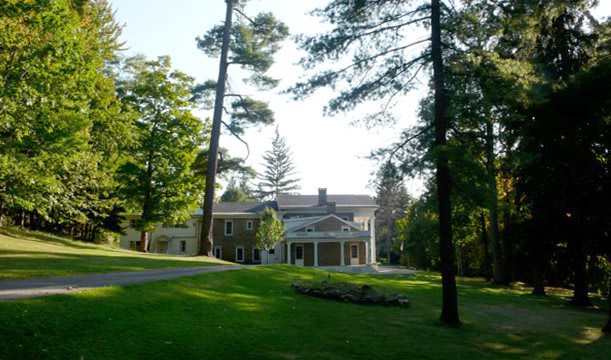






One Main Street, Cooperstown, NY 13326
For more information about senior living options: (866) 208-4318
Woodside Hall Costs & Pricing
Woodside Hall offers competitive pricing for its accommodations, with monthly costs slightly above the average for Otsego County but aligned with New York State figures. For instance, a studio apartment at Woodside Hall is priced at $4,000 per month, which exceeds the county's average of $3,613 while remaining somewhat below the state average of $4,532. Similarly, the one-bedroom units are offered at $4,200 - a figure that surpasses the county's average of $3,542 but is slightly lower than the state average of $4,307. This positioning suggests that while Woodside Hall may come at a premium compared to local standards, it also reflects the value and amenities available within this desirable community setting.
| Floor plans | Woodside Hall | Otsego County | New York |
|---|---|---|---|
| Studio | $4,000 | $3,613 | $4,532 |
| 1 Bedroom | $4,200 | $3,542 | $4,307 |
Overall Review of Woodside Hall
Pros
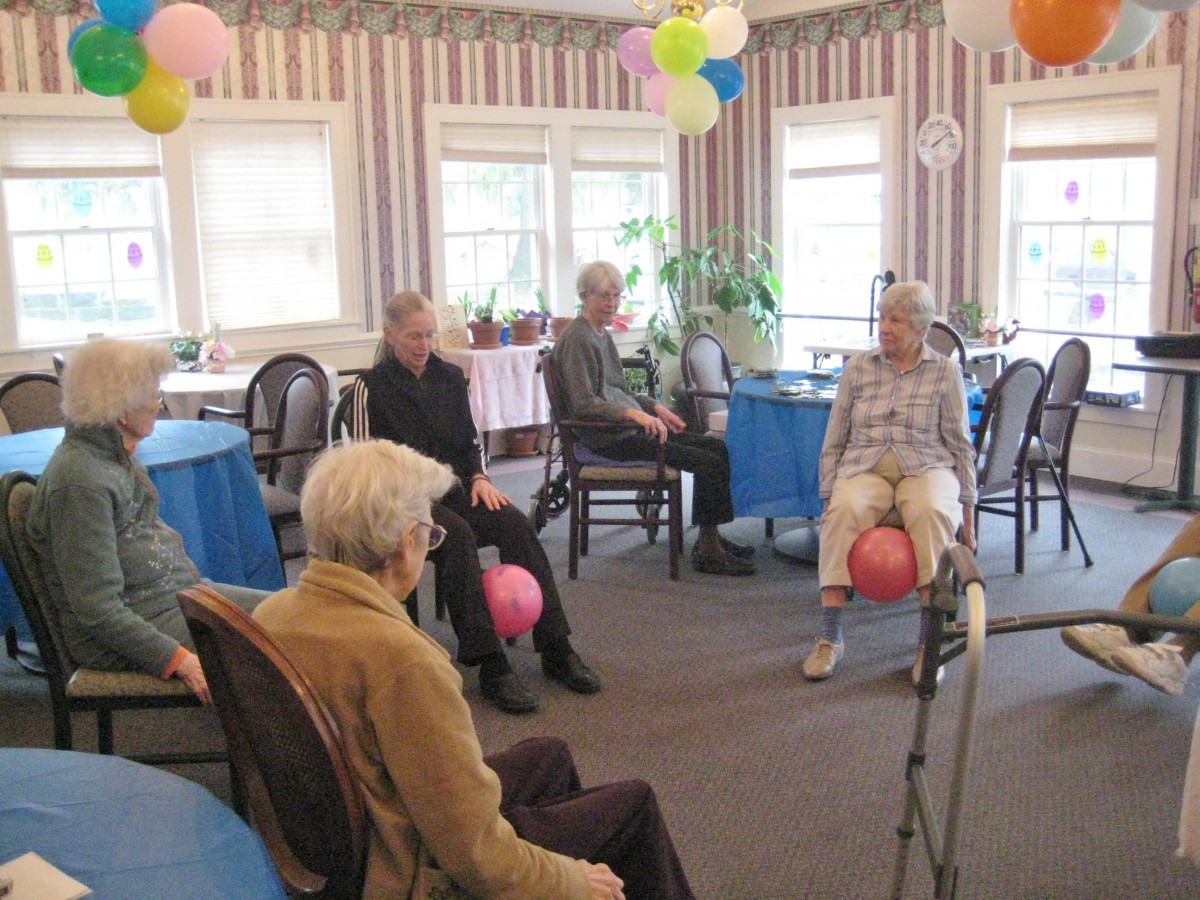
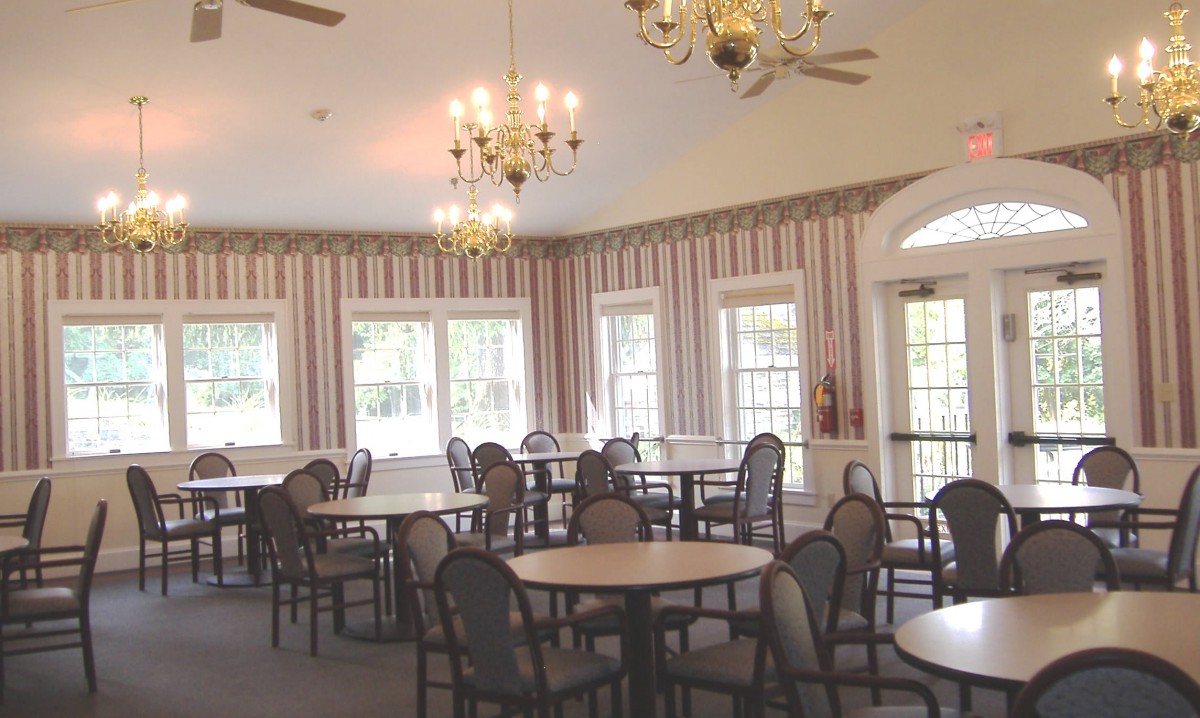
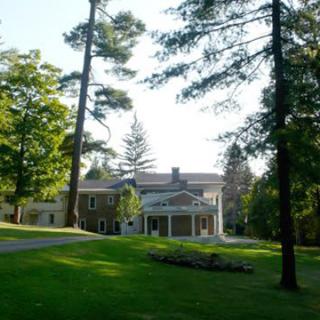
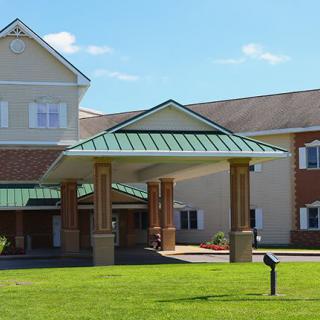
 Woodside Hall has a rare, family‑like atmosphere that welcomes you as soon as you walk in.
- It is a family‑owned home with warmth, consistency, and genuine care that goes beyond basic services.
- Residents are encouraged to remain as independent as possible while always feeling supported and safe.
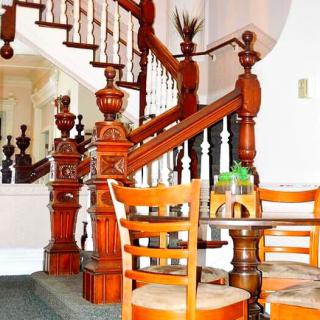
- The environment feels calm, welcoming, and truly like a home—not a facility.
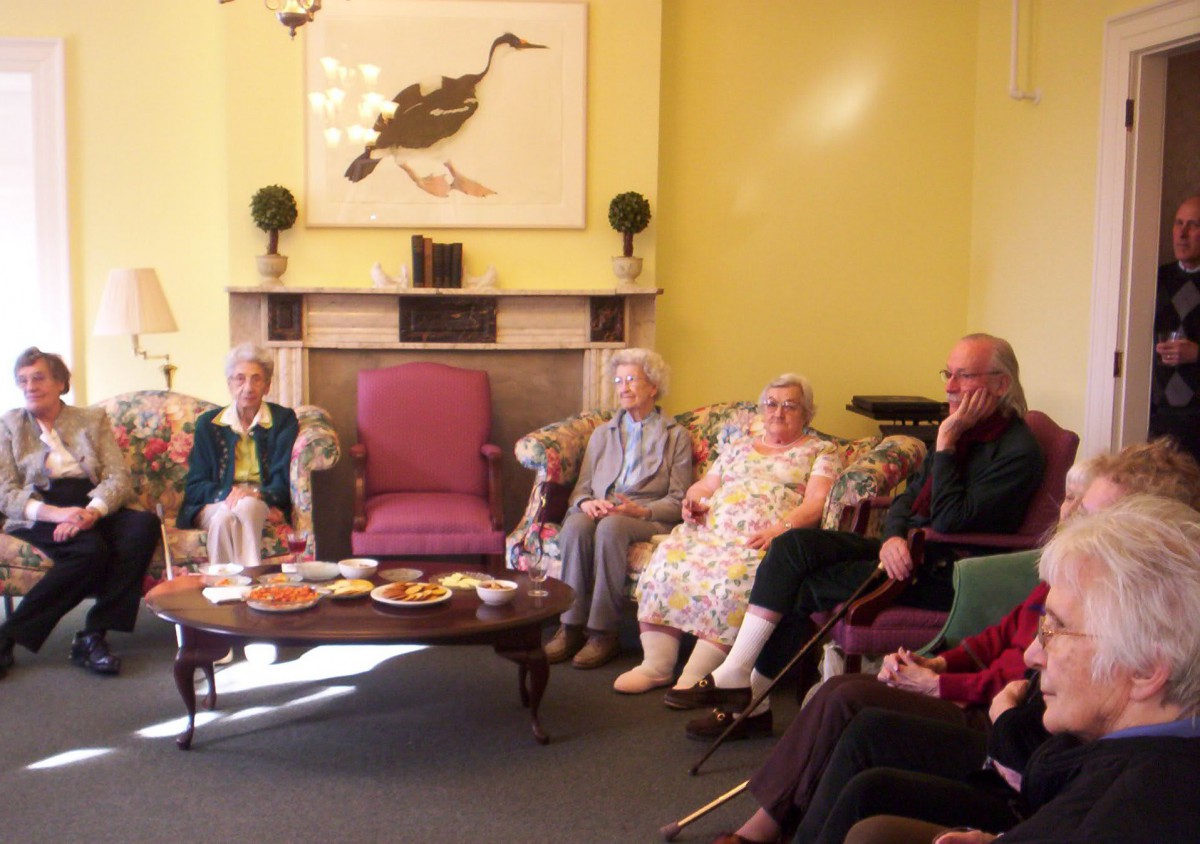
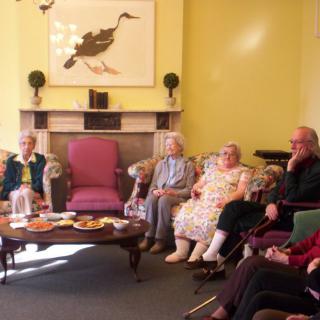
- Residents form real, meaningful friendships with both other residents and staff.
- Staff know residents by name, by personality, and by heart.
- Families feel secure and deeply grateful that their loved ones are valued, safe, and part of a caring community.
- The meals are delicious, and activities and small keepsakes contribute to a joyful living experience.
Review
Woodside Hall in Cooperstown is best suited for seniors who prize a truly homelike atmosphere, where residents are known by name and treated as part of a family. The community shines for those who want independence preserved within a warm, supportive setting, and for families that value steady, meaningful connections with both peers and staff. The reviews paint a clear profile: a family-owned culture that prioritizes warmth, consistency, and genuine care over institutional formality. The environment feels calm, welcoming, and intimate, not clinical, and this resonance shows in how neighbors greet one another and how residents settle in. For seniors who resist the impersonal feel of larger campuses, Woodside Hall offers belonging, comfort, and a sense of purpose that often translates into lasting happiness.
Yet Woodside Hall is not a universal fit. Those who require heavy medical oversight, aggressive therapy programs, or memory-care environments with specialized units may find options at larger communities more aligned with clinical expectations. Families seeking a wide spectrum of services, a sprawling campus, or a bustling calendar of advanced amenities could feel the footprint too small. The same intimate scale that fosters close relationships can limit breadth of activities and access to on-site specialists for acute or complex care needs. Prospective residents who require highly structured care plans, regular physician rounds, or seamless coordination with external medical facilities should compare Woodside Hall with facilities that offer larger professional staffs and formal memory-care capabilities. In short, it excels as a home-like setting, not a substitute for intensive clinical care.
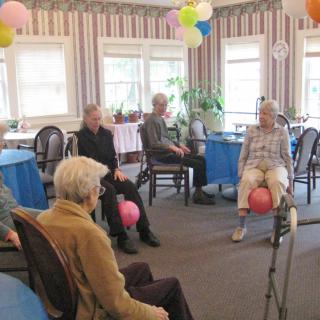
Primary strengths center on relationships that anchor daily life. The family-owned character translates into warmth, steadiness, and a reassuring sense that staff know residents personally. The close, attentive interactions create a security blanket, residents are called by name, their stories recalled, and everyday moments become meaningful. Independence is encouraged within a safety net: residents manage tasks and socialize on their terms, with visible support when needed. The home atmosphere extends to strong peer connections; residents form real friendships, not just casual acquaintances. Meals are described as delicious, and simple pleasures, Bingo, Trivial Pursuit, and thoughtful prizes, become regular, anticipated rituals. Testimonials about a mother reaching 104 who felt valued and protected underscore a culture where aging with dignity is the expectation, not the exception.
The same elements that define the pros offset potential drawbacks of a smaller operation. The lack of a cavernous clinical footprint is balanced by sustained, hands-on attention from staff who know preferences and histories, enabling personalized care plans and flexible activity schedules. Family ownership tends to reduce turnover, boosting reliability and consistency. The intimate setting makes programming navigable and adaptable, allowing residents to steer their days without getting lost in crowds. While the calendar may not mirror a resort, the quality of meals, purposeful engagement, and the feeling of belonging more than compensate for any desire for grand amenities. In practice, this translates into fewer disorienting transitions, steadier routines, and relationships that endure through the years.
For families evaluating Woodside Hall, the key tests are conversations about daily life, care coordination, and long-term needs. Observe how the staff address needs during a visit, whether personal preferences are honored, and how safety is woven into daily routines. Inquire about on-site care: medication administration, mobility assistance, and access to visiting clinicians; confirm how often a clinician checks in and how rehab services are arranged. Assess meal service quality, dining ambience, and opportunities for cognitive engagement beyond traditional games. Seek candid stories from current residents’ families about transitions, respite options, and emergency planning. A tour should reveal not only clean rooms and inviting common areas but also the consistency of interactions, whether residents are greeted warmly, whether birthdays are remembered, and how quickly help responds when a need is signaled.
Overall, Woodside Hall stands out for seniors who prize an intimate, home-like community where independence and relationships are central. The strongest draw is the authentic, family-forward culture that yields lasting friendships, reliable support, and a sense of security woven into daily life. Families seeking to avoid impersonal environments will find this setting compelling. The caveat is that it may not satisfy those demanding extensive clinical programming, aggressive therapies, or a wide array of specialized services under one roof; in those scenarios, alternatives with larger medical staffing and formal memory-care offerings should be explored. For the right resident, however, Woodside Hall delivers a rare combination of dignity, companionship, and comfort that makes aging feel like coming home rather than merely growing older. The verdict is clear: this community often becomes the trusted, stabilizing anchor families want in later years.
 37 resident community capacity
 Assisted Living
 Respite Care
 Cats allowed
 Dogs allowed
 Activities off-site
 Air-conditioning
 Bath tubs
 Beautician on-site
 Cable or satellite TV
 Devotional services off-site
 Dining room
 Fully furnished
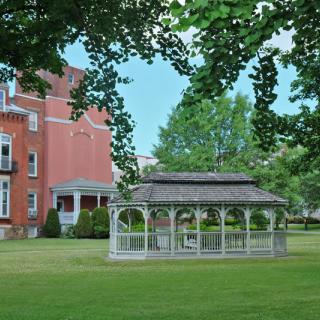
 Garden
 Ground floor units
 Handicap accessible
 Housekeeping services
 Indoor common areas
 Kitchenette
 Move-in coordination
 Outdoor common areas
 Restaurant-style dining
 Small library
 Telephone
 Wheelchair accessible showers
 Wi-Fi/high-speed internet available
 24-hour call system
 Ambulatory care
 Assistance with bathing
 Assistance with dressing
 Assistance with transfers
 Diabetes diet
 Diabetic care
 Incontinence care
 Medication management
 Mental wellness program
 Special dietary restrictions
 Art classes
 Catholic services
 Day trips and outings
 Educational speakers / life long learning
 Happy hour
 Live dance or theater performances
 Live musical performances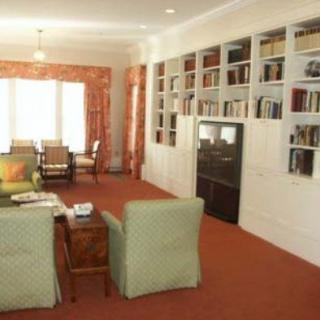




 Exploring the Path to Senior Living: A Comprehensive Look at Independent Living and Assisted Living
 Is Assisted Living Deductible on Your Taxes? Understanding the Complexities of Assisted Living Expenses and Deductions
 Assisted Living Support for Veterans: A Complete and Detailed Overview