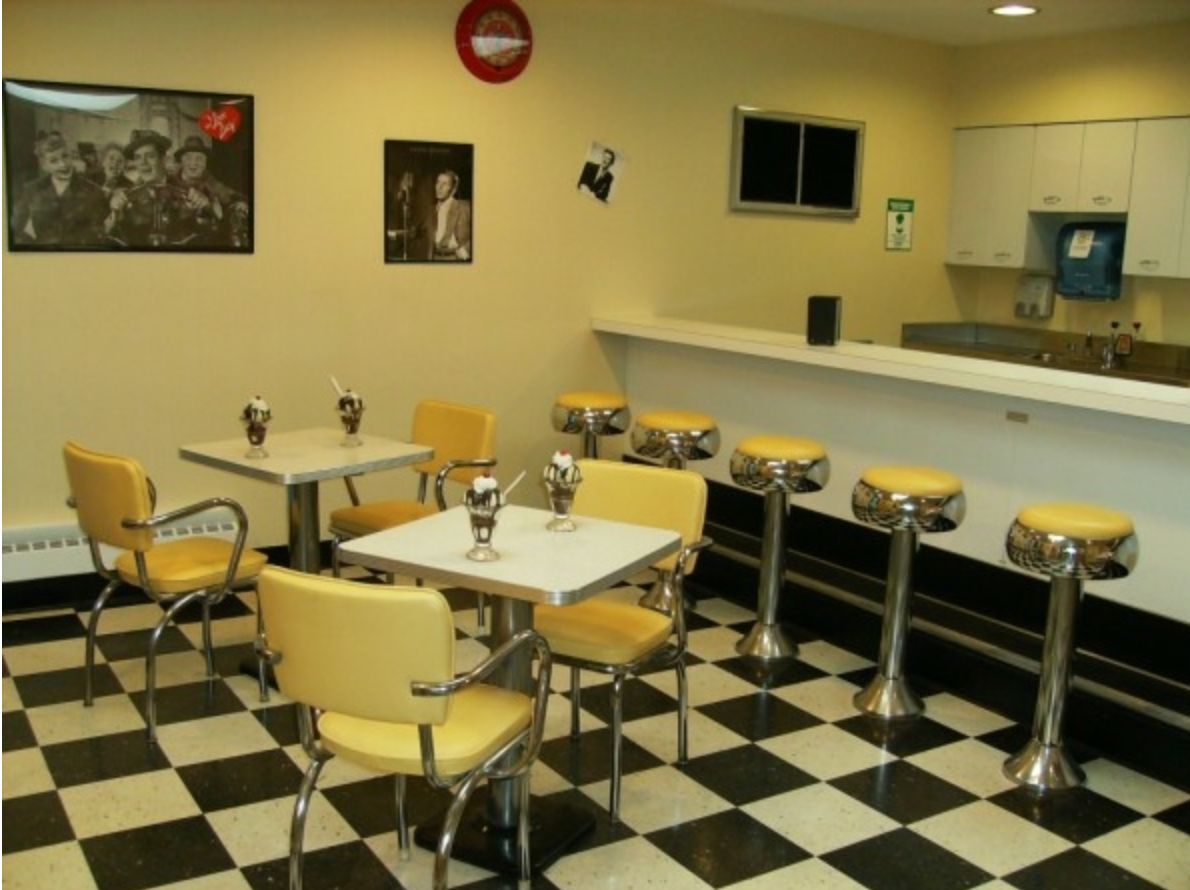
410 Mill Street, Buffalo, NY 14221
For more information about senior living options: (866) 208-4318
Overall Review of Park Creek Senior Living Community
Pros
 Park Creek became a home to the entire family.
- The staff are incredible, kind, and always smiling.
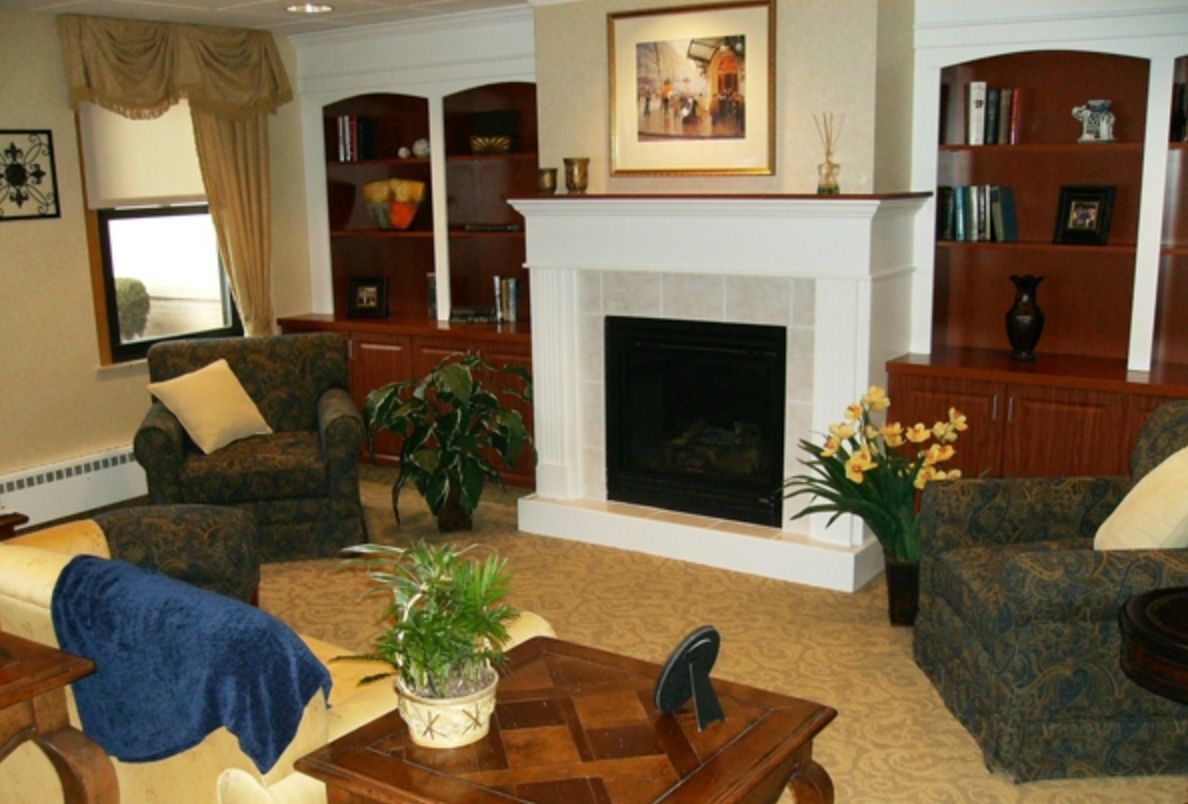
- It is a warm, homey place.
- The facility and its staff are wonderful, clean, and professional.
- Park Creek is clean, with friendly staff and many daily activities.
- The staff, including Jessica and Andrea, are friendly and amazing and go out of their way for residents.
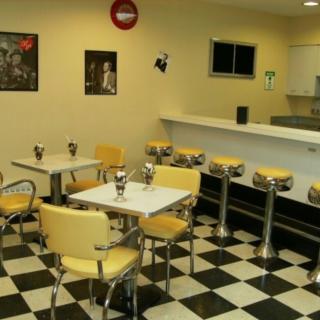
- The meals are great, with a nice dining room and attentive service.
- Park Creek offers shuttle service for seniors and a welcoming community.
Cons
 Park Creek didn’t impress the reviewer.
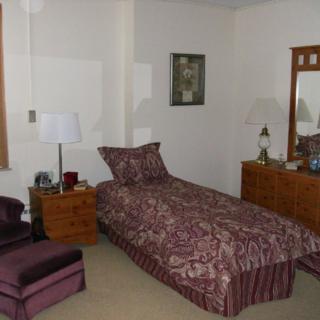
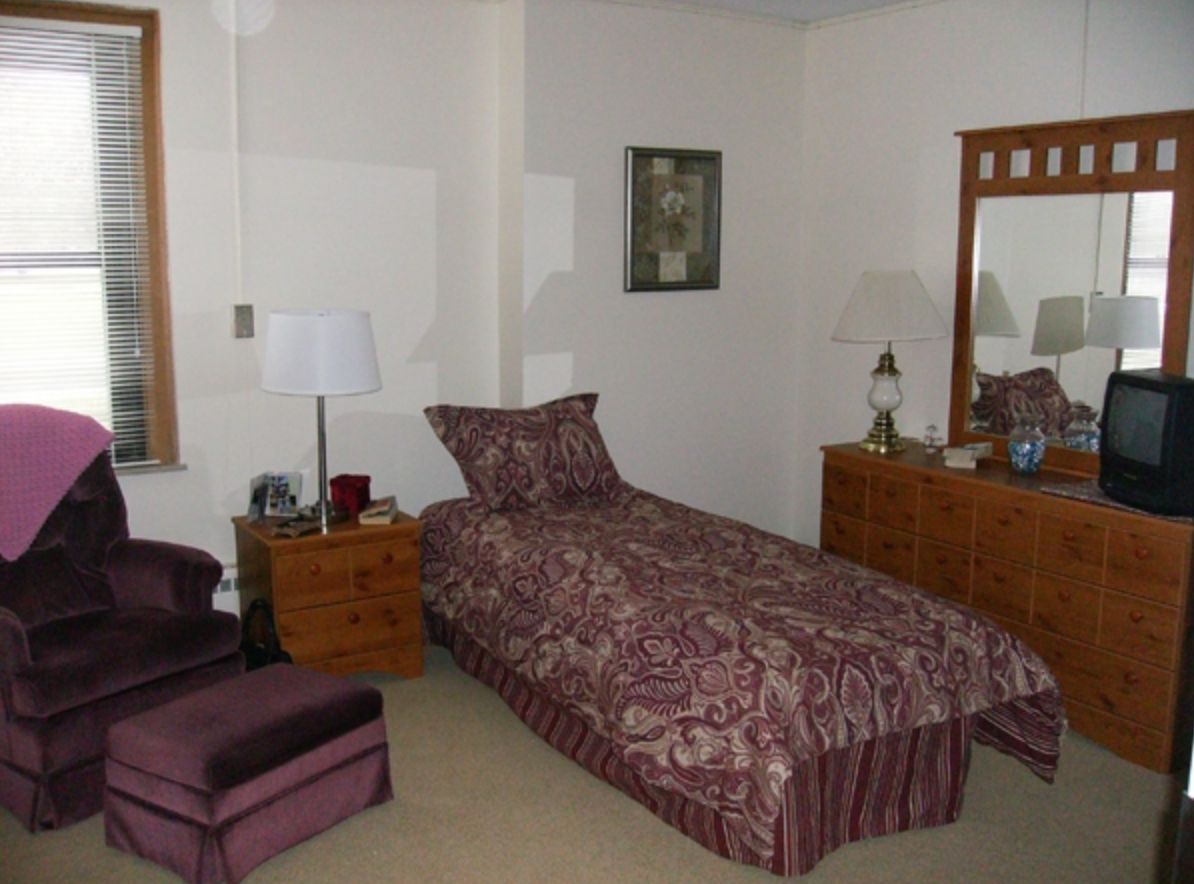
- The rooms were small.
- The facility lacked central air-conditioning, which frustrated the reviewer.
- A staff member seemed to roll her eyes at a resident.
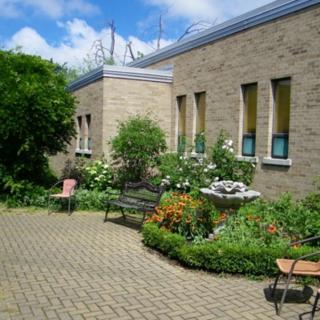
- The facility appeared older and not updated.
Review
Park Creek Senior Living Community in Buffalo is best suited for seniors who prize a warm, family-like atmosphere, reliable daily routines, and a built-in social life. The community earns high marks for staff who are consistently described as kind, attentive, and genuinely engaging, creating a homey environment where questions are welcomed and residents are treated like people first. Families seeking reassurance that caregivers will stay present, know residents by name, and provide steady oversight will find Park Creek a dependable choice. It is especially suitable for those who value daily activities, familiar routines, and meals that feel comfortable and satisfying rather than flashy.
Those who should consider alternatives include families prioritizing modern construction, expansive private suites, and the latest amenities. Several reviews note that Park Creek sits in a smaller, older footprint with smaller rooms, and some residents would prefer true central air in warmer months. For seniors who demand a more upscale campus feel, or who need advanced medical programs and a broader menu of amenities, other options may offer a closer match. In short, Park Creek shines on atmosphere and care-but not on sleek new-construction polish or room size.
The strongest pros play directly into everyday life: a consistently warm staff, a clean and quiet environment, and a dense activity calendar that keeps residents engaged. Visitors repeatedly hear about friendly faces, heartfelt service, and the sense that the place truly becomes family. Dining is described as solid and approachable, with menus offering variety and familiar comfort foods. Religious offerings, daily Mass and communion, add meaningful value for residents who hold spiritual life as central to their well-being. A smaller, intimate setting supports regular interaction, while services like shuttle transportation and wellness-oriented activities (sittercise, Wii bowling) keep mobility and social connections active.
However, the facility’s drawbacks do temper the overall impression. The building’s age shows in some observations: smaller rooms and a layout that isn’t as modern or updated as newer competitors. The absence of central air in certain areas is noted by critics, along with occasional perceptions of uneven customer service experiences, including at least one report of less-than-ideal staff conduct. These factors matter for those who expect contemporary design, expansive private spaces, or uniform, consistently high service across all shifts. For reviewers comparing multiple options, the contrast with newer facilities is real and worth weighing.
Still, the positives tend to offset these drawbacks for the right resident profile. The sense of belonging that comes from a tight-knit, staff-centered community often translates into higher satisfaction and easier adjustment, particularly for residents who value daily routines, social time, and spiritual nourishment. The cost is frequently cited as more favorable than gleaming new builds, which can make Park Creek a practical choice for families balancing budget with meaningful quality of life. In this light, the overall experience, warm connections, reliable care, and an active calendar, becomes the keystone argument for choosing Park Creek over more modern but impersonally scaled options.
Practical next steps: plan visits with a focus on the daily rhythm that residents actually experience. Observe staff interactions with several residents, ask current couples about meal satisfaction and activity variety, and request a sample activity schedule for the next two weeks. Inspect the room sizes and the available apartment options to determine whether they meet current privacy and comfort expectations. Inquire explicitly about climate comfort in warm months and whether any recent renovations address older areas. If frequent trips to worship or chapel-based programming are important, confirm the cadence and access to those services. Park Creek is a well-suited match for families prioritizing warmth, community, and spiritual life, provided the need is for a intimate, home-like setting rather than a cutting-edge, modern campus.
 94 resident community capacity
 1-bedroom apartments
 Assisted Living
 Memory Care
 Air-conditioning
 Beautician on-site
 Cable or satellite TV
 Cafe
Cafe Computer center
 Dining room
 Fitness room
 Fully furnished
 Gaming room
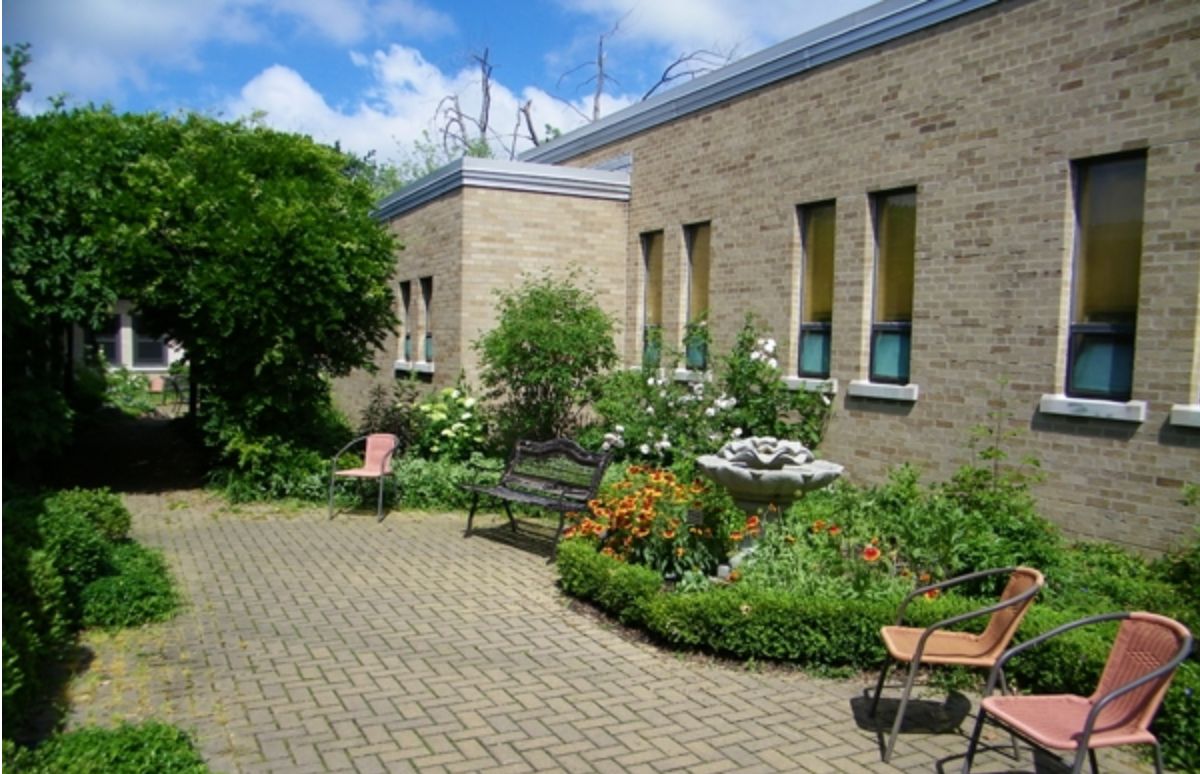
 Garden
 Guest parking
 Hiking trails
 Housekeeping services
 Kitchenette
 Laundry
 Move-in coordination
 Outdoor space
 Party space
 Private bathrooms
 Respite or short term stays offered
 Restaurant-style dining
 Small library
 Telephone
 Wellness center
 Wi-Fi/high-speed internet available
 Buffalo Niagara International (2 miles away)
 Community operated transportation
 12-16 hour nursing
 24-hour call system
 Activities of daily living assistance
 Assistance with bathing
 Assistance with dressing
 Assistance with transfers
 Diabetes diet
 Hospice care
 Medication management
 Mental wellness program
 Physical therapy
 Special dietary restrictions
 Arts and crafts
 Concierge services
 Educational speakers / life long learning
 Games
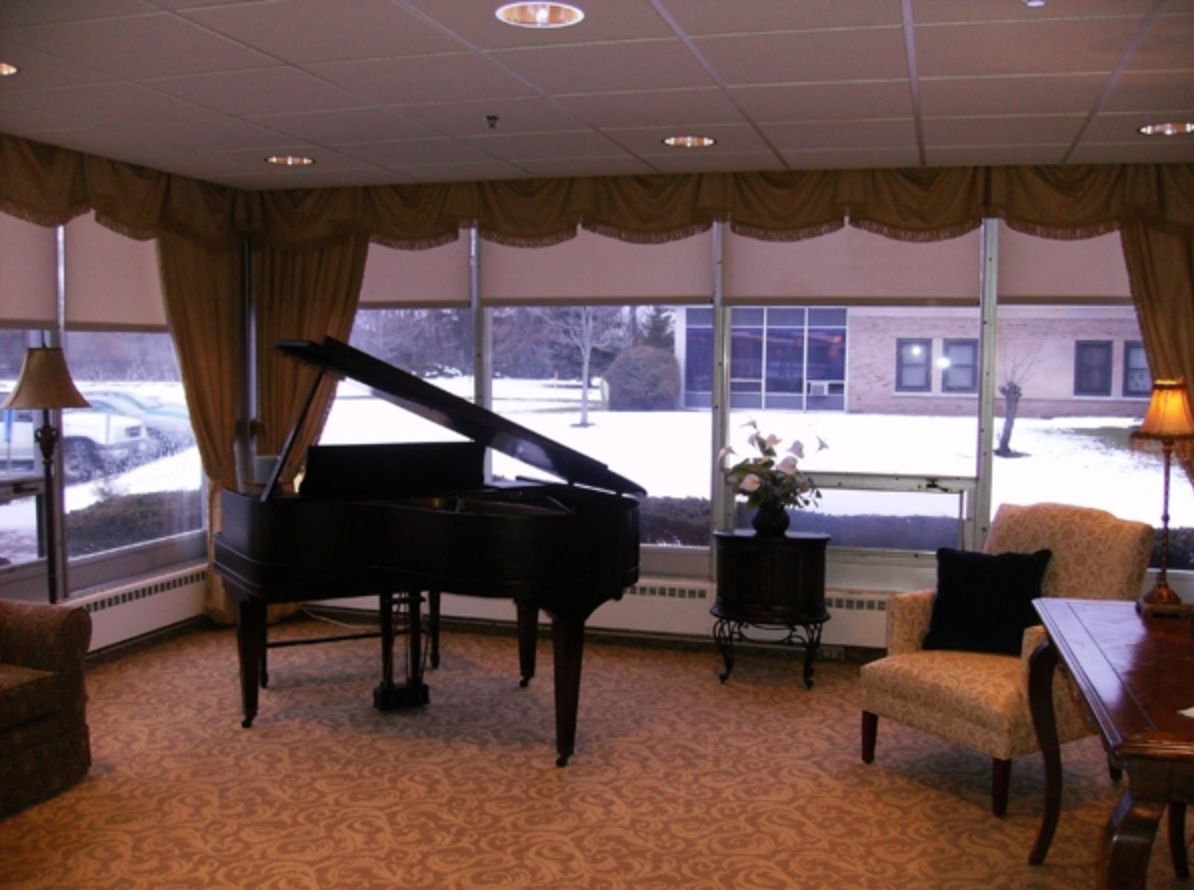
Games Live musical performances
 Planned day trips
 Religious services
 Stories
 Engaging Memory Care Activities That Enhance Quality of Life
 When to Transition from Assisted Living to Memory Care: Key Indicators, Steps, and Finding the Right Community
 Understanding the Distinctions: Assisted Living and Memory Care Explained