
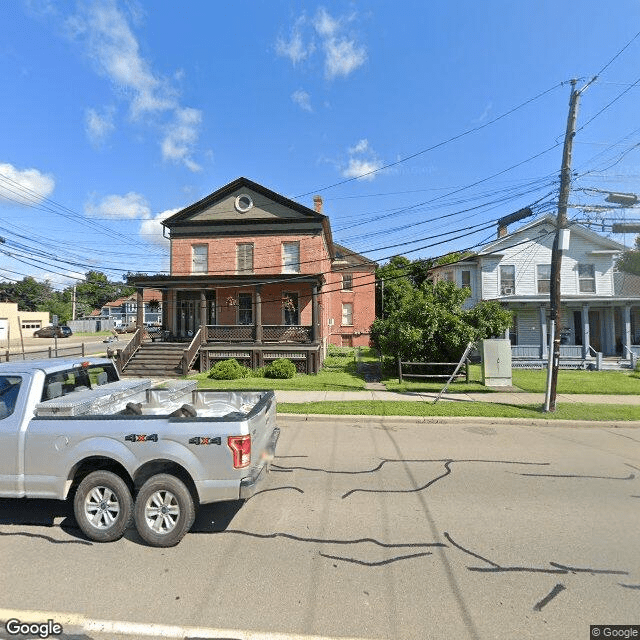
101 E Steuben St, Bath, NY 14810
To contact a resident: (607) 776-7868
For more information about senior living options: (866) 208-4318
Overall Review of Wiltshire House Home-Adults
Pros
 They do their best to help others achieve sobriety and their own paths to recovery.
- The residents and staff are nice.
- The staff are respectful and do everything in their power to help.
- They help many people who want help.
- Kinship is an awesome place.
- Kinship’s staff and community encourage residents to set priorities and put their lives on a positive path.
- The staff help residents see changes they need to make to stay sober.
- Kinship is highly recommended for those seeking an extra boost or positive support to stay on a straight path.
Cons
 The reviewer states the facility is no good and not even worthy of a one-star rating.
- The reviewer does not believe the facility is fair to the residents.
- The reviewer claims residents are treated terribly and health guidelines and rules are not followed.
- The reviewer contends the staff make their own rules and supervisors may not know what the employees truly do.
- The reviewer says the house needs to be shut down.
- The reviewer states it causes more grief for their loved one than anything else.
- The reviewer plans to speak to higher-ups about the facility.
Review
Wiltshire House Home-Adults in Bath, NY is best suited for adults actively pursuing sobriety who want a structured, community-based living environment. The reviews depict a halfway-house style setting where staff focus on recovery, routine, and peer accountability. For residents who need help translating intent into daily habits, such as regular participation in recovery activities, adherence to house rules, and the development of independent living skills, this community provides a practical path forward rather than pure clinical care.
That practicality comes with a caveat: families should consider alternatives if safety, consistent governance, or formal medical oversight are top priorities. At least one reviewer labeled the home unsafe, alleging mistreatment of residents, failure to follow health guidelines, and a lack of supervisory visibility. Those kinds of claims, whether fully verifiable or not, signal a need for thorough due-diligence: confirm licensing status, probe incident reporting processes, and demand a clear governance structure before deciding. For households requiring licensed medical care and strict regulatory compliance, other facilities may be the safer fit.
On the positive side, multiple accounts describe respectful, engaged staff who go out of their way to help residents. Staff are portrayed as available, supportive, and motivated to assist with sobriety goals and daily life challenges. A number of reviews emphasize a constructive, encouraging community atmosphere where residents feel guided to set priorities and make meaningful life changes with staff facilitation. In those scenarios, the program’s recovery emphasis and peer-support network appear to deliver tangible value.
Nevertheless, the most serious concerns cannot be dismissed. The negative feedback about rule adherence and supervision raises questions about consistency and safety. In a setting designed to support recovery, uneven rules or perceptions of staff operating without adequate oversight can erode trust and stability, critical elements for sustaining sobriety. The tension between positive, proactive engagement and claims of mistreatment or noncompliance suggests experiences may vary significantly by shift, staff member, or individual resident, making reliability a central question for families.
Decision-makers should pursue concrete questions before enrolling. Request a tour and meet direct caregivers, program coordinators, and current residents. Inquire about staff-to-resident ratios, emergency procedures, incident reporting, and the steps taken when concerns arise. Review licensing status and inspection citations, and ask for written policies on resident rights, safety, and grievance resolution. If medical needs are present, determine what on-site care is available and how medical records are managed. Gather multiple perspectives to gauge whether the environment aligns with the resident’s risk tolerance and recovery plan.
Overall, Wiltshire House Home-Adults offers a recovery-forward living option with accessible staff and a community oriented toward sobriety. For individuals who thrive in a structured, supportive setting and can tolerate some variability in day-to-day governance, it can be a solid fit. Yet for families prioritizing unwavering safety, formal oversight, and licensed medical care, exploring alternatives is prudent. The best course is a careful, data-driven evaluation that weighs the described pros against the potential cons, with a clear plan for monitoring progress once a resident enters the program.
 Board and Care Home
 Elmira Corning Regional (25 miles away)






 Navigating the Financial Road to Nursing Home Care: In-Depth Guidance and Resources
 Supportive Employee Benefits That Help Caregivers Attain Better Work-Life Harmony
 Top Cars for Senior Drivers and Essential Safety Innovations