
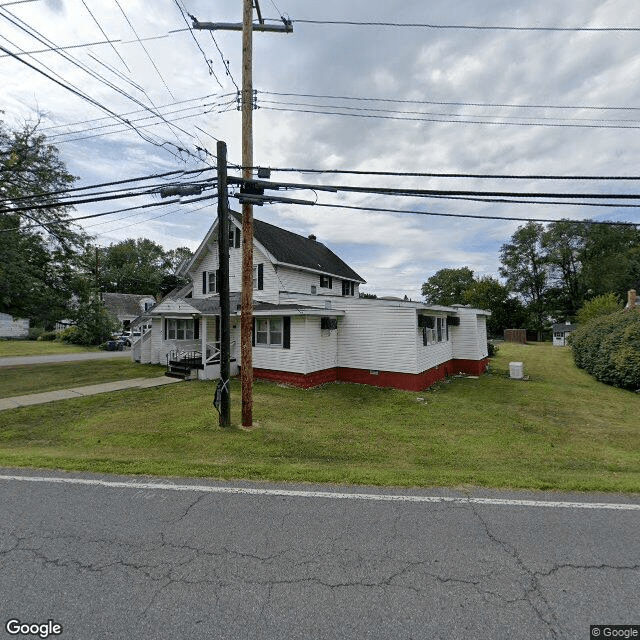
5 Gipp Rd, Albany, NY 12203
To contact a resident: (518) 456-8355
For more information about senior living options: (866) 208-4318
Westmere Home For Adults Costs & Pricing
Westmere Home For Adults offers competitive pricing for its accommodations compared to both Albany County and the broader New York state market. The monthly cost for a studio apartment at Westmere is $3,589, which is notably lower than the county average of $3,873 and significantly more affordable than the state average of $4,532. When considering a one-bedroom unit, residents will find Westmere's price of $5,850 to be higher than Albany County's average of $3,440 but still within a reasonable range when looking at New York state averages that reach up to $4,307. Overall, Westmere positions itself as an appealing option for those seeking quality adult living with comfortable pricing in the local context.
| Floor plans | Westmere Home For Adults | Albany County | New York |
|---|---|---|---|
| Studio | $3,589 | $3,873 | $4,532 |
| 1 Bedroom | $5,850 | $3,440 | $4,307 |
Assisted Living communities with a similar price nearby
-
from -$289 / mo
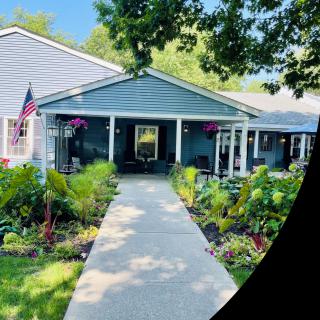
Peregrine Crossgate
$3,300 to $4,095 / month1.0 miles away -
from -$294 / mo
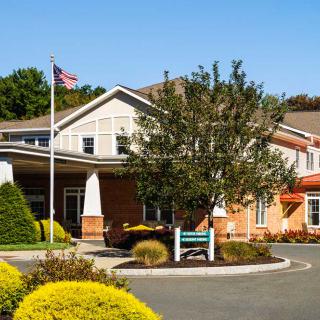
Peregrine Delmar Place
$3,295 to $4,295 / month5.2 miles away -
from -$641 / mo
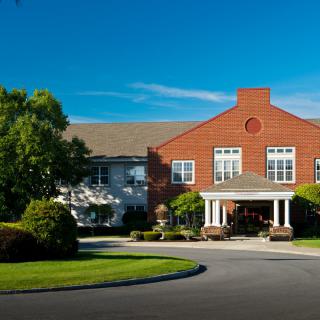
Beverwyck
$2,948 to $3,585 / month2.9 miles away -
from +$428 / mo
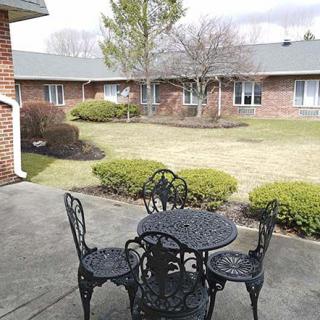
Elderwood Village at Colonie
$4,017 to $5,200 / month5.9 miles away -
from -$459 / mo
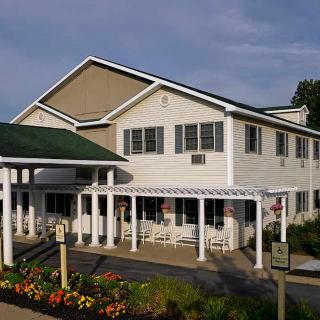
Peregrine Shaker
$3,130 to $6,000 / month6.0 miles away
Overall Review of Westmere Home For Adults
Pros
 Terri enjoyed her stay at the Westmere Home.
- The staff were very helpful and treated her well.
- The food was delicious.
- It was a great experience for Terri.
Cons
 This facility is closed.
- Terry paid $6,200 a month for her stay.
- She shared a room with another person and the furniture really needed to be replaced along with the carpet.
Review
Westmere Home For Adults in Albany appears best suited for families seeking a small, hands-on environment where attentive staff and solid meal service are the primary strengths, and where privacy can be traded for a more intimate, caregiver-directed setting. The available feedback paints a picture of a place that delivers personal attention and dependable daily routines, traits that matter when a resident prioritizes daily reassurance and accessible staff over upscale amenities. However, the operating status is a critical caveat: one account explicitly notes that the facility is closed, which immediately shifts the lens from “consider this option” to “confirm current viability and continuity of care.”
Those who should consider alternatives are families needing private rooms, modern refurbishments, or transparent, ongoing operations. The pricing and room-sharing realities described in the reviews raise questions for anyone evaluating long-term affordability and value in a market where monthly costs approach and exceed four figures. For residents who require greater privacy, more up-to-date furnishings, or a facility that clearly operates day-to-day, neighboring options with demonstrated stability and clearer pricing structures will likely deliver more predictable peace of mind and a stronger sense of long-term viability.
The strongest positives here revolve around staff responsiveness and the dining experience. The sentiment that staff were helpful and treated residents well, paired with praise for the meals, suggests a setting where daily care and quality of life can feel personal and reliable. In practice, these factors translate into meaningful comfort for families seeking someone who will actively oversee routines, monitor wellbeing, and provide reassurance that a loved one is cared for. The peace of mind described by a family member highlights a real differentiator for smaller facilities when care coordination and daily oversight are the primary concerns.
Yet the main cons cannot be dismissed. A monthly cost of about $6,200, paired with a shared-room arrangement and noticeably aged furnishings and carpet, undermines perceived value, especially for families comparing options in the Albany market. The affordability issue is amplified by the lack of private space and the expectation that long-term residence would justify ongoing investment in room upgrades and decor. When the financial outlay does not clearly align with private accommodations or contemporary amenities, the financial calculus becomes difficult to defend, even if care staff are commendable. The combination of price, privacy limits, and aging furnishings creates a tension that outsiders must resolve before committing.
Operational stability is the decisive risk factor. The explicit note that the facility is closed introduces a fundamental, non-negotiable concern: continuity of care. A family cannot anchor a year-long plan on a location that may cease operations, disappear from licensure, or suspend services without notice. That risk dwarfs even the most favorable impressions of staff kindness or meal quality. Prospective residents must verify current licensing, confirm open status, understand whether any deposits are refundable, and demand a clear, written plan for transition or continuity if changes occur. Until the operation status is resolved, the practical recommendation is to deprioritize this community in favor of open, financially transparent options with stable service.
In the final analysis, the decision hinges on concrete stability and value. Westmere Home For Adults offers a compelling picture for families who prize attentive staffing and dependable meal service within a modest, home-like setting, but those advantages do not compensate for the lack of privacy, questionable value at high cost, or the critical uncertainty of closure. For anyone prioritizing privacy, modern amenities, and assured ongoing operation, this facility should be crossed off the shortlist until its status is clarified and a transparent, favorable pricing and room-plan structure is established. The prudent course is to explore other Albany-area options first, using Westmere as a last-resort consideration only after confirming open status, private-room availability, and a pricing package that meaningfully aligns with contemporary standards.
 Assisted Living
 Activities off-site
 Beautician on-site
 Devotional services off-site
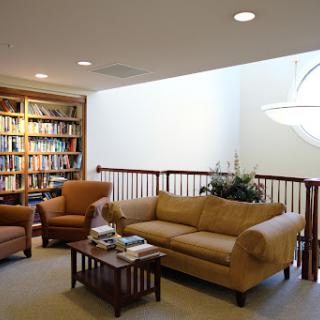
 Indoor common areas
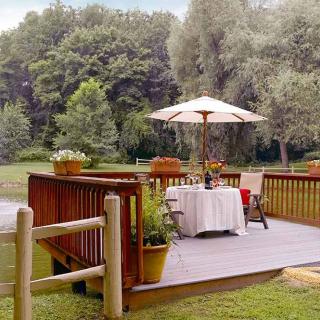
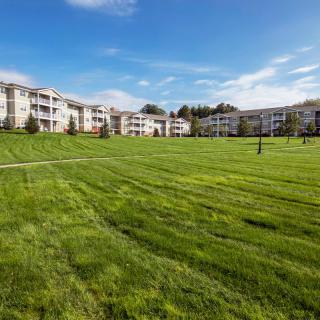
 Outdoor common areas
 Respite or short term stays offered
 Wheelchair accessible showers
 Albany Cty (5 miles away)
 Ambulatory care
 Diabetic care
 Incontinence care
 Meals provided

 A Detailed Exploration of Assisted Living Medicaid Waivers Across the United States
 Comprehensive Residential Support and Assisted Living Solutions for Individuals with Disabilities
 Comprehensive Supportive Living Arrangements for Adults with Disabilities