

PO Box 1279, Socorro, NM 87801
To contact a resident: (505) 835-2724
For more information about senior living options: (866) 208-4318
Overall Review of Socorro Good Samaritan Village
Pros
 The facility is great, and the rehab team is amazing.
 - The rehab team takes their time with physical therapy, and everyone there is extremely nice.
- The facility is well run, and the staff are always ready to help.
- The administration and staff have been incredibly helpful, efficient, and kind.
- Good Samaritan Societies have a good reputation nationwide, and the Socorro location offers post-acute rehab and 24-hour nursing care.
Cons
 The mother did not receive the medications prescribed at discharge, resulting in another ER visit and hospital stay.
- The doctor is contracted and only in the building on Mondays and Tuesdays, so families never meet him.
- Medications arrive only on Thursdays, so if they are not in stock, patients must wait.
- The facility is old and in need of repair, with insufficient outlets to run a NIV machine.
- A water issue caused a building-wide smell, intensified by ongoing painting in the hallway.
- The kitchen floor was coming up, raising safety concerns.
- The mother was crammed into a small room with a long-term nursing home resident.
- Upper management is perceived as caring only about money; staff are short-handed and residents are secondary.
- The review warns to not put a loved one there and to seek a different alternative.
Review
Socorro Good Samaritan Village is best suited for seniors who need substantial post-acute rehab coupled with reliable 24-hour nursing care, and for families that prize tangible progress in physical therapy and a friendly, responsive caregiving staff. For residents whose priority is a pristine, showroom-quality facility, or who require constant, physician-on-site oversight, this community may fall short. The environment leans toward practical, action-oriented rehab and daily support rather than indulgent comfort upgrades, so expectations should be calibrated to the realities of the building and the staffing model.
Those who may want to consider alternatives include individuals with complicated medication regimens, or families needing steady, in-person physician presence every day. Several reviews flag gaps in medical coordination, medications not dispensed on discharge, limited doctor visibility, and reliance on a contracted physician schedule. The combination of an aging facility and episodic clinical oversight can translate into safety and continuity concerns for residents who depend on precise medical management. Prospective residents should weigh these factors against the benefits of strong rehab teams and attentive staff.
On the upside, the strongest draw is the rehab program and the people delivering it. The therapy teams are praised for their patience and thoroughness, with patients returning home after meaningful functional gains. Staff across roles are described as courteous, efficient, and consistently helpful, contributing to a feel of genuine care and steady progress rather than transactional service. In addition, several reviews highlight a well-run operation and a capable, 24-hour nursing presence, which matters when the goal is rapid recovery and reliable daily support. Administration is often characterized as responsive and organized, reinforcing a sense that resident needs are taken seriously.
Yet the caveats are concrete and accumulate as a counterweight to the positives. The facility’s physical condition, old infrastructure, water issues, a persistent odor during maintenance periods, limited electrical outlets, and a floor in need of repair, creates an environment that can impede comfort and certain medical needs, such as devices requiring power or oxygen therapy. Small rooms and a long-term resident concentration in close quarters can feel cramped, limiting privacy and personal space. Coupled with perceptions of staffing strain and a corporate ownership narrative, questions arise about long-term consistency, investment in upkeep, and whether resident care is consistently prioritized over cost control.
The balance of pros and cons hinges on what matters most to the family and the resident. If the objective is a rehabilitative finish line, strengthen, improve mobility, and safely return home, the standout therapy program and the supportive staff can offset some environmental drawbacks. However, if medication reliability, daily physician touchpoints, and a continuously well-maintained living space are non-negotiables, the cons begin to outweigh the benefits. The mixed experiences in reviews, some praising care and others citing systemic shortcomings, suggest that quality may vary by shift, with concerns more acute during peak times or when management priorities shift.
For families navigating a decision, the prudent path combines diligence with leverage. Schedule multiple visits at different times, request current metrics on rehab outcomes, and confirm the exact medication administration protocol and physician availability. Inspect the facility’s maintenance plan, verify the presence and accessibility of outlets for medical devices, and assess room size and privacy implications firsthand. Ask for a dedicated care planning meeting, and insist on transparent communication about any corporate ownership changes and what that entails for staffing and investment. If choosing Socorro, proceed with clear benchmarks: a defined discharge plan, routine progress updates, and an agreement on accountability for medication, physician rounds, and facility upkeep. For those prioritizing pristine surroundings and unbroken medical oversight, safer alternatives exist; for rehab-focused families willing to navigate the realities of upkeep and governance, Socorro Good Samaritan Village can deliver real functional gains when engaged with vigilant advocacy.
 Assisted Living
 Activities on-site
 Devotional services off-site
 Indoor common areas
 Ambulatory care
 Diabetic care
 Meals provided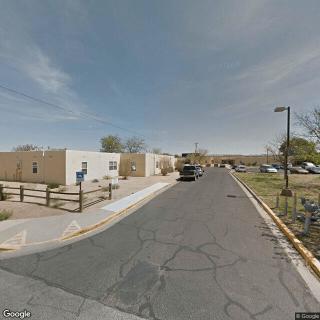

 8 Key Indicators That Suggest It May Be Time to Transition from Assisted Living to Skilled Nursing Care
 Vibrant Senior Living: A Comprehensive Guide for Active Older Adults
 When to Transition from Assisted Living to Memory Care: Key Indicators, Steps, and Finding the Right Community