
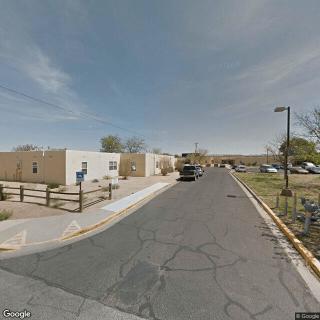
1203 Highway 60 West, Socorro, NM 87801
For more information about senior living options: (866) 208-4318
Overall Review of Good Samaritan Society - Socorro
Pros
 The rehab team is amazing and helps his father get back home.
- The rehab team takes their time with physical therapy, and everyone there is extremely nice.
- The facility is well run and the staff are always ready to help.
- The administration and staff have been incredibly helpful, efficient, and kind.
- This quaint quality rehab center offers post-acute rehab programs and 24-hour nursing care.
- Good Samaritan Societies have a good reputation nationwide.
- It is one of the best places in the Sorocco community.
Cons
 Misty refused to let him speak to his mother and asserted that asking questions was a HIPAA violation.
- The reviewer warns others not to place a loved one there and to seek a different alternative.
- They claim the facility was bought by a California company, with short-handed staff who only care about money, and upper management focused on the mighty dollar.
- The facility is described as old and in disrepair, with insufficient outlets for a NIV machine, a water issue causing a smell, ongoing painting, and a floor coming up in the kitchen.
- The reviewer notes the mother was crammed into a small room with a long-term nursing home resident.
- Medications prescribed were not given, leading to another ER visit, and staff could not explain why.
Review
Good Samaritan Society - Socorro is best suited for seniors who need post-acute rehabilitation with the explicit aim of returning to independent living, and for families that prioritize a capable therapy team and dependable 24-hour nursing over a pristine campus. The rehab program stands out as the core strength, with therapists who take time with patients and a staff that remains consistently approachable and ready to assist. Families facing a hospital discharge and seeking a concrete plan for mobility recovery, daily functioning, and discharge readiness will find value here. This community rewards engaged oversight and concrete progress in physical therapy, and it works best when expectations are anchored in measurable rehab outcomes rather than luxury amenities. In short, the setting suits those who want a solid rehabilitative track record and steady day-to-day care rather than a glossy, new-construction environment.
Those considering alternatives should weigh several red flags that may tilt the balance elsewhere. If the emphasis is on medication accuracy, seamless physician presence, or a modern facility with contemporary infrastructure, this may not be the best fit. Multiple notes from families describe gaps in medication administration, with doctors contracted on only limited days and medication supply timing creating avoidable ER-level concerns. The building’s condition, outlets insufficient for medical equipment, odors from water issues, ongoing painting, and visible wear, suggests that cosmetic comfort and reliable basic infrastructure are not the top strengths here. For residents who require highly predictable medical management, private space, or a facility that feels newer and less burdened by maintenance, exploring other options is prudent.
On the upside, the strongest pros here are tangible: a rehab team that many families call outstanding, with therapists who are patient and thorough, and staff who seem genuinely committed and helpful beyond routine expectations. The 24-hour nursing presence provides a dependable layer of daily medical oversight that can be crucial during recovery, and the overall operation is described as well run and responsive. These advantages can translate into real, accelerated progress toward discharge goals and safer transitions home, particularly for residents who enter with clear, therapy-driven recovery plans. When the objective is a focused, results-oriented rehab experience, the positives can meaningfully offset some operational drawbacks.
Yet the main cons cannot be ignored, and they have the potential to derail recovery plans if not managed carefully. The medication concerns, delays, missing doses, and fragmented medical oversight, pose serious risks for someone recuperating from surgery or acute illness. The facility’s age and maintenance challenges, limited electrical outlets for equipment, a persistent odor issue tied to water problems, visible wear in common spaces, and a cramped room for long-term residents, undermine comfort and raise questions about daily livability. Administrative messages and staffing patterns that feel reactive rather than proactive, plus assertions from some families about a corporate emphasis on cost, can erode trust. For families whose priorities include meticulous, hands-on oversight and a predictably calm environment, these gaps are meaningful enough to explore alternatives.
Weighing the balance, the pros in post-acute rehabilitation and the warmth of the staff can offset notable cons for families who plan to stay engaged and who place a premium on functional recovery. If a loved one’s primary goal is to regain mobility and independence after a hospital stay, and if regular family or advocate involvement is feasible, Socorro’s rehab program can deliver tangible gains and a smoother route to discharge. For residents with ongoing complex medical needs requiring steadfast, uninterrupted medication management or for those who prize modern facility standards, the offset is less convincing. The critical decision point centers on whether the family can tolerate and actively manage the identified logistical and maintenance issues while leveraging the strong rehab core. For some, this will be a worthy trade; for others, a reason to consider nearby options with more robust clinical continuity and newer facilities.
Actionable next steps for families facing this decision include verifying the specifics of medical oversight during rehab: how medications are tracked and delivered, who is responsible when the contracted physician is not on site, and what contingency plans exist for delays. Inspect the physical space with a checklist: number of outlets per patient room, accessibility to essential equipment, cleanliness, odor control, and the pace of ongoing maintenance. Request to meet the therapy leadership and the nursing manager to understand discharge planning processes, daily schedules, and how family communication is handled when concerns arise. Compare this with nearby facilities that offer similar rehab strengths but with newer campuses and more transparent medication-management protocols. If choosing Socorro, enter with a plan to visit often, advocate consistently, and document every care milestone to ensure the best possible outcome.
 21 resident community capacity
 Assisted Living
 Skilled Nursing Facility
 Beauty salon
 Cable or satellite TV
 Dining room
 Fully furnished
 Garden
 Housekeeping services
 Kitchenette
 Move-in coordination
 Outdoor space
 Telephone
 Wi-Fi/high-speed internet available
 24-hour call system
 Activities of daily living assistance
 Assistance with bathing
 Assistance with dressing
 Assistance with transfers
 Diabetes diet
 Meal preparation and service
 Medication management
 Mental wellness program
 Special dietary restrictions
 Transportation arrangement (medical)
 Transportation to doctors appointments

 A Detailed Exploration of Assisted Living Medicaid Waivers Across the United States
 Comprehensive Residential Support and Assisted Living Solutions for Individuals with Disabilities
 Comprehensive Supportive Living Arrangements for Adults with Disabilities