
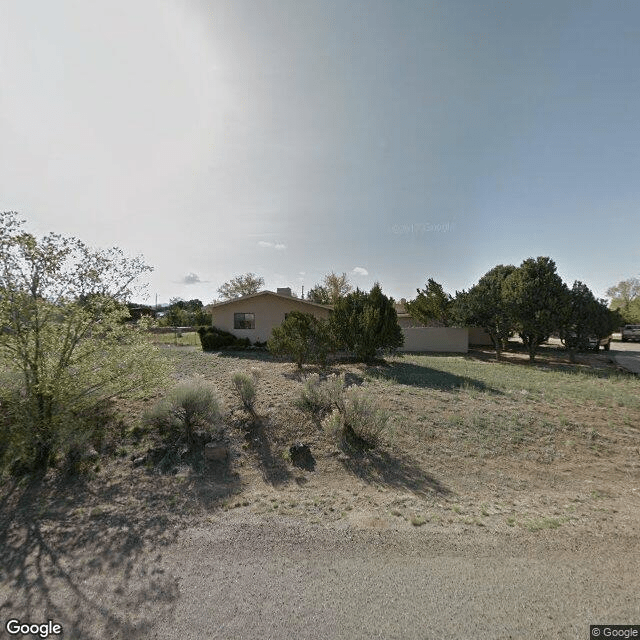
2929 Calle Vera Cruz, Santa Fe, NM 87505
To contact a resident: (505) 474-8031
For more information about senior living options: (866) 208-4318
La Vida Hermosa Costs & Pricing
La Vida Hermosa offers competitive pricing for its accommodations compared to both Santa Fe County and the broader New Mexico region. For a semi-private room, residents can expect to pay $3,500 per month, which is notably lower than the county average of $3,849 and aligns closely with the state average of $3,324. In terms of private rooms, La Vida Hermosa's rate of $4,000 is more affordable than the county's average of $4,475 while being slightly below the state margin of $4,391. This positioning reflects La Vida Hermosa's commitment to providing quality care at a reasonable cost, making it an attractive option for individuals seeking assisted living within a vibrant community.
| Floor plans | La Vida Hermosa | Santa Fe County | New Mexico |
|---|---|---|---|
| Semi-Private | $3,500 | $3,849 | $3,324 |
| Private | $4,000 | $4,475 | $4,391 |
Senior living communities with a similar price nearby
-
from -$400 / mo

Sierra Vista Retirement Community
$3,100 / month3.1 miles away -
from +$450 / mo

The Montecito Santa Fe
$3,950 to $4,450 / month2.8 miles away -
from -$500 / mo
Pacifica Senior Living Santa Fe
$3,000 to $4,300 / month2.2 miles away -
About the same
Enchanted Care Center -Spring Villa
$3,500 to $4,400 / month1.3 miles away -
from -$500 / mo
Casa del Toro
$3,000 to $3,500 / month5.0 miles away
Overall Review of La Vida Hermosa
Pros
 Vista Hermosa earns praise for its caring atmosphere that differentiates it from other Santa Fe memory care facilities.
- The caregivers' compassion, expertise, and dedication provide families with peace of mind.
- Residents like Nancy feel at home, with staff and other elders treated like family.
- The small, family-like setting makes the facility feel welcoming and ensures residents are well-known to the staff.
- Low staff turnover is viewed as a positive sign for the well-being of both workers and residents.
- The staff practices individualized, person-centered care that respects each resident's unique needs and preferences.
- Vista Living is described as a community built on kindness, respect, and heartfelt service, where care goes beyond the basics.
Review
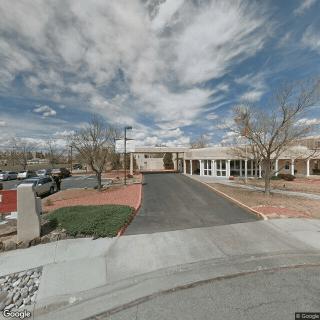
La Vida Hermosa is best suited for families seeking a small, home‑like memory‑care environment in Santa Fe where a loved one with dementia or Alzheimer’s can receive highly personalized attention, steady caregivers, and a warm, family‑oriented culture. The facility’s intimate scale and consistent staff relationships create a sense of safety and belonging that many families value deeply. Residents appear engaged in a yard with trees, outdoor spaces, and even animals, which helps keep daily life comforting and familiar. For families who want to visit a place that feels like home and where staff know each resident by name, this community is a compelling match.
Those weighing alternatives should consider options for families who prioritize a larger campus, broader medical oversight, or a wider array of specialized programs. If daily life needs more clinical intensity, more on‑site therapy, or a schedule of activities at a grander scale, a bigger operator or a facility with more extensive rehab and nursing resources could be a better fit. Similarly, if the goal is a facility with a very brisk pace of change or more specialized dementia programming not described here, exploring other communities would be prudent. La Vida Hermosa excels in warmth and continuity, but may not be the right fit for every care priority.
The strongest pros center on care that is genuinely person‑centered and relationship‑driven. Reviewers repeatedly describe caregivers who are compassionate, patient, and attentive to each resident’s personality and routines. The continuity of staff, low turnover, translates into predictable days for residents and fewer disruptions for families. A homey atmosphere, opportunities for meaningful connections, and creative engagement (themes, activities, and individualized routines) make daily life feel dignified and enjoyable. For families seeking peace of mind that a loved one is treated with respect and kindness, these factors carry substantial weight against more clinical alternatives.
Staff culture and environment emerge as another pivotal strength. The company’s characterization as leading with love and treating residents like family is not merely rhetoric: families observe that staff feel supported, engaged, and capable of sustaining a positive mood across shifts. That culture reduces the friction often found in larger settings, where residents may experience turnover and inconsistent routines. The result is a reliable ecosystem where the person with dementia is known, valued, and serenely supported, rather than pushed through a rote program.
Memory‑care outcomes are the highlight: an emphasis on compassion, individualized care plans, and meaningful, age‑appropriate activities that honor personal history and preference. Reviews stress that Rosemary and Nancy received care that went beyond basic tasks to foster safety, dignity, and connection. The environment is described as uplifting and comforting, enabling families to feel confident that their loved one is not only safe but also thriving in moments of joy and engagement. Such outcomes are powerful considerations for families who fear the loneliness or agitation that can accompany memory decline.
In decision terms, La Vida Hermosa lands decisively for families seeking intimate, consistent, and compassionate memory care in a home‑like setting. It is well suited for residents who flourish with routine, community, and individualized attention, and for families who value a caring culture that permeates daily life. Those with higher medical or rehab needs, or who require a larger campus with broader clinical resources, may prefer alternatives. Prospective families should plan a visit to observe resident‑staff interactions, inquire about daily activity variety, and assess how routines align with their loved one’s history and preferences. A candid conversation with care staff about medical oversight, emergency protocols, and personalized care plans will crystallize the fit.
 Board and Care Home
 Private
 Santa Fe Municipal (5 miles away)


 Highly Beneficial Low-Impact Exercises for Senior Living Residents
 Is In-Home Healthcare Tax Deductible? Your Comprehensive Guide
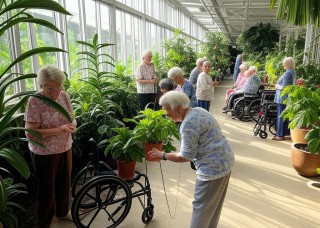 Nurturing Well-Being Through Gardening: A Detailed Guide for Senior Enthusiasts