
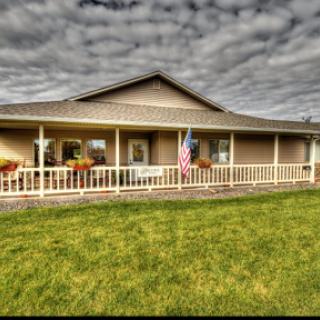
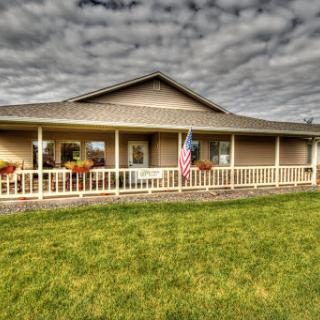
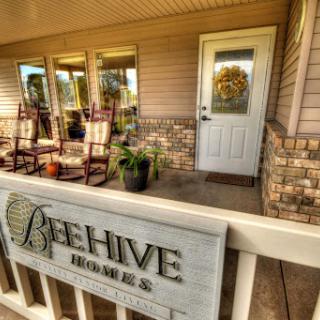
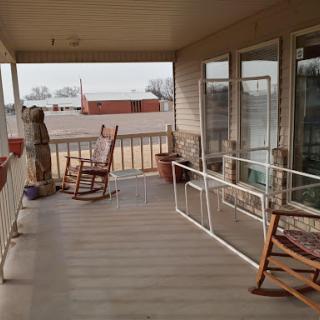
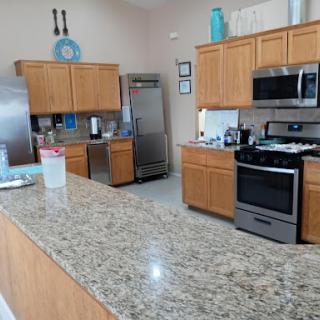
1420 S Main St, Portales, NM 88130
To contact a resident: (505) 268-3000
For more information about senior living options: (866) 208-4318
Beehive Homes of Portales Costs & Pricing
Beehive Homes of Portales offers a private room at a monthly cost of $4,500, which aligns with the average rate for Roosevelt County. This pricing is competitive within the local market, as it matches the county's standard while slightly exceeding the statewide average of $4,391 for similar accommodations in New Mexico. The rates reflect Beehive's commitment to providing quality care and comfortable living conditions, making it a viable option for those seeking assisted living services in this region.
| Floor plans | Beehive Homes of Portales | Roosevelt County | New Mexico |
|---|---|---|---|
| Private | $4,500 | $4,500 | $4,391 |
Senior living communities with a similar price nearby
-
About the same
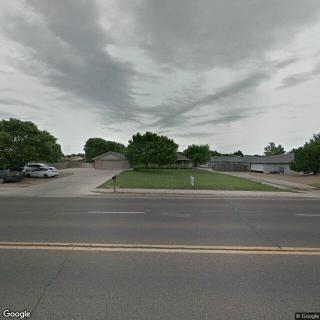
Beehive Homes of Clovis
$4,500 / month19.1 miles away
Overall Review of Beehive Homes of Portales
Pros
 The manager is helpful and understanding.
- The owners are praised for not charging for a month.
- The home is recommended for caring for loved ones.
- The home is described as a lovely place to spend one's days.
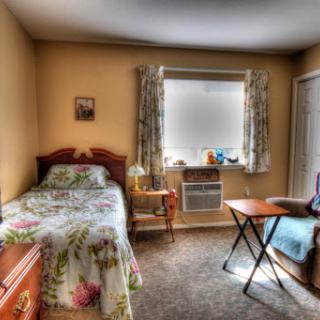
- The home is caring and clean.
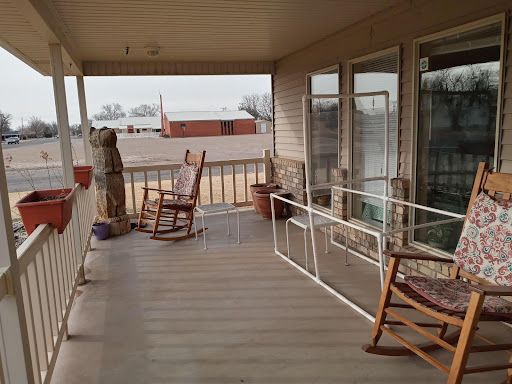
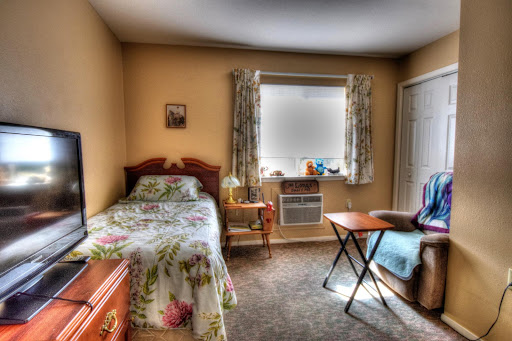
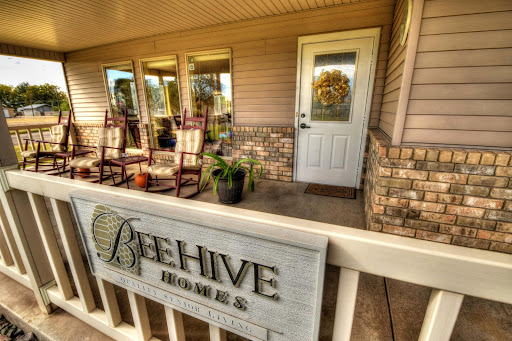
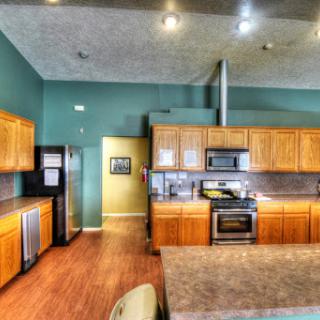
- The facility is friendly and offers three meals a day, activities, porch time, and a home-like atmosphere.
- Beehive Homes of Portales is described as the best in town and is highly recommended for tours.
Review
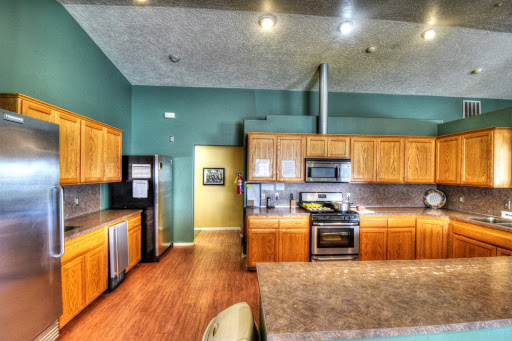
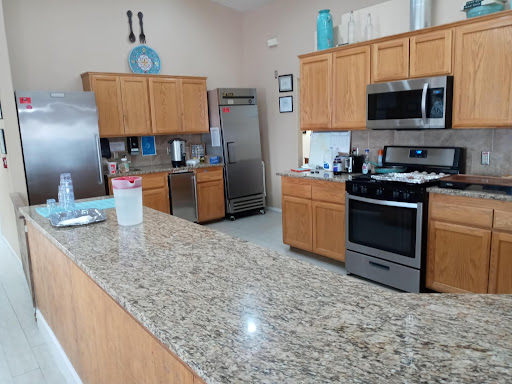
Beehive Homes of Portales is best suited for seniors who want a warm, home-like environment where care feels personal and responsive. This community works best for families seeking a smaller, intimate setting in which staff members know residents well, routines are predictable, and daily life emphasizes comfort, simplicity, and connection. It is especially well-matched for couples or individuals making a transition from independence to assisted living, where the emphasis is on plainspoken care, approachable staff, and a setting that feels like a true home rather than a clinical campus.
Those evaluating alternatives should note that Beehive Homes may not be the ideal fit for everyone. If a higher level of medical oversight is essential, think 24/7 on-site nursing, memory-care specialization, or a broad menu of on-site therapies, larger facilities or dedicated memory-care communities with more robust clinical programs could be preferable. Families needing extensive transportation to multiple medical appointments, or seeking a campus with more extensive recreational and social programming across a wider age range, may want to compare options in the area to ensure all medical and social needs are fully covered.
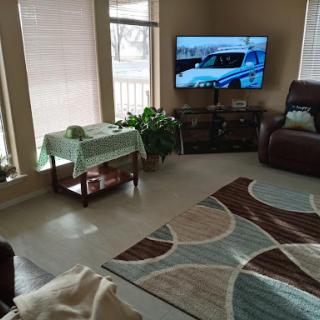
The strongest positives are palpable and practical: a consistently caring and capable staff, led by a manager described as understanding and supportive, creates a trustworthy backbone for daily life. The owner and management are seen as compassionate, as evidenced by the notable gesture of not charging for a month during a delicate family transition. Cleanliness and a home-like ambience reinforce comfort, while meals, three per day, along with regular activities and porch time cultivate routine, engagement, and social warmth. The sentiment that the facility “feels like home” is a recurring thread, and the praise that it is among the best in town signals reliable, steady quality that families can lean on when making difficult decisions.
These advantages offset most potential drawbacks by prioritizing relational care over sprawling amenities. A small, tightly knit setting can mean fewer on-site medical amenities, but the personal attention, ease of communication with staff, and a cooperative stance toward family requests help bridge that gap. The practical benefits, clean, comfortable spaces, predictable meal schedules, opportunities for social interaction, and a welcoming environment, tend to reduce the stress that accompanies transitions into assisted living. In the context of-end-of-life or hospice-related transitions, the demonstrated willingness to accommodate and support families becomes a decisive factor, softening what otherwise might be perceived as a lack of medical depth.
To make a confident choice, approach a tour with clear, outcome-oriented questions: What is the staff-to-resident ratio at different shifts? How are medical emergencies handled, and what level of nursing support is actually available on-site? How flexible are meal times and activities, and what is the calendar like for social opportunities, outings, and porch time? Probe the facility’s relationships with local physicians and hospice providers to understand coordination of care. Confirm the exact fees, what is included in the base rate, and whether any temporary waivers or concessions, such as the month-long accommodation experienced by a former resident, are possible in the future. Ask to speak with current residents and families about response times, cleanliness, and the consistency of caregiving staff.
In the end, Beehive Homes of Portales stands out for families prioritizing warmth, personal attention, and a homelike rhythm over institutional scale. It is a compelling choice for seniors who want to feel seen, have predictable daily routines, and rely on staff who treat care as a humane, relational act. Those who must have extensive clinical services on-site or who require specialized memory-care environments should weigh options with larger facilities. For many, the clear strengths in compassion, practicality, and a sense of “this could be home” make Beehive Homes a strong contender in Portales.
 Board and Care Home
 Cats allowed
 Dogs allowed
 Activities off-site
 Air-conditioning
 Bath tubs
 Cable or satellite TV
 Devotional services on-site
 Handicap accessible
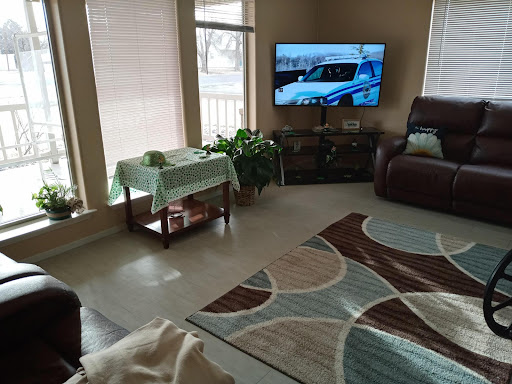
 Indoor common areas
 Outdoor common areas
 Private
 Private bathrooms
 Wheelchair accessible showers
 Wi-Fi/high-speed internet available
 Diabetic care
 Incontinence care
 Medication management
 Anytime dining
 BBQs or picnics
 Birthday parties
 Day trips and outings
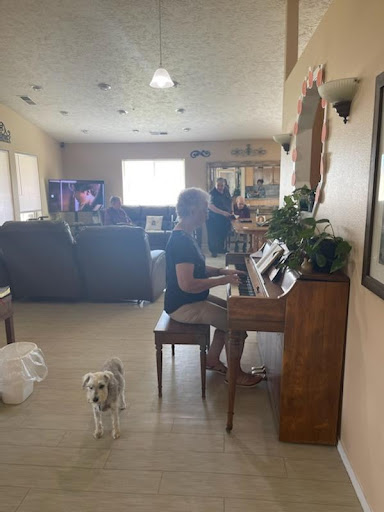
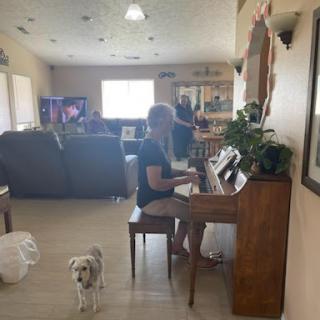
 Live musical performances
 Pet-focused programs
 Stretching classes
 Trivia games
 Visiting chaplain or priest


 A Detailed Exploration of Living Wills and Advance Directives
 Comprehensive Guide to Medicare Coverage for Hospice Care
 Caring for Those Who Care: Recognizing, Understanding, and Overcoming Caregiver Burnout