Landmark at Desert Gardens offers competitive pricing for its residents compared to both Lea County and the broader New Mexico region. For a semi-private room, the cost is $2,000 per month, significantly lower than the county average of $2,667 and the state average of $3,324. Studio apartments are priced at $2,700, providing an attractive alternative to the higher costs in Lea County ($3,925) and slightly less than the New Mexico average ($3,553). The one-bedroom option maintains a balanced rate of $4,000 per month, which matches Lea County's pricing while remaining slightly below the state average of $4,055. Overall, Landmark at Desert Gardens presents itself as a cost-effective choice within its market area.
Floor plans
Landmark at Desert Gardens
Lea County
New Mexico
Semi-Private
$2,000
$2,667
$3,324
Studio
$2,700
$3,925
$3,553
1 Bedroom
$4,000
$4,000
$4,055
Overall Review of Landmark at Desert Gardens
caveat2 reviews mention this
Price feels below average
Pricing comes up as a reason families chose or compared options.
A couple of reviews mention cost directly, with one calling the community affordable and another saying the price was average. That pricing positioning aligns with the community’s current price range being well below county and state benchmarks across multiple unit types. Even with that value angle, a few visitors still described the building as outdated or in need of updates.
differentiator2 reviews mention this
24/7 help eases family worry
Residents and families highlight around-the-clock help as a key benefit.
Several reviewers frame the day-to-day reassurance as the availability of help at all times, including one specifically stating care is available 24/7. Another review also ties confidence to having 24-hr help if it’s ever needed. In the same vein, families describe staff stepping in when they can’t be there themselves.
common3 reviews mention this
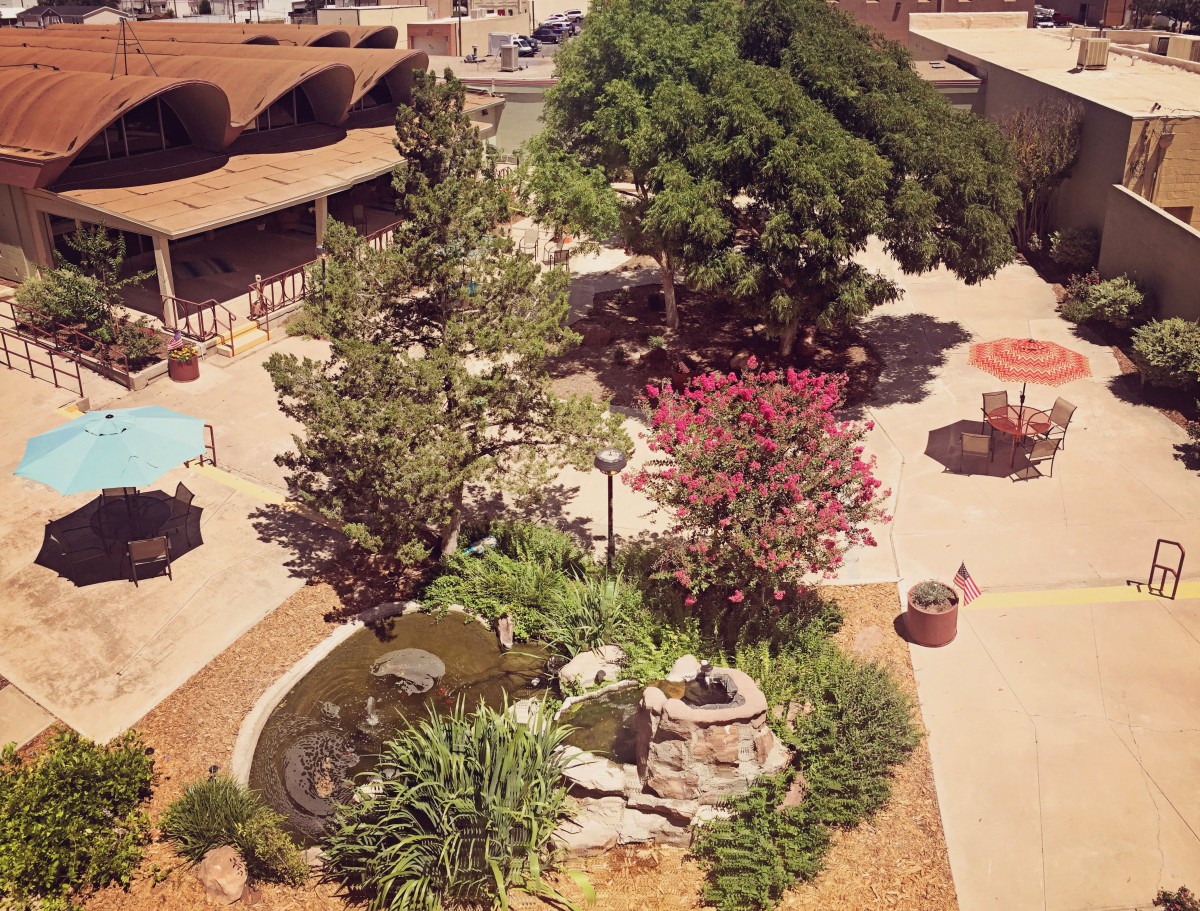
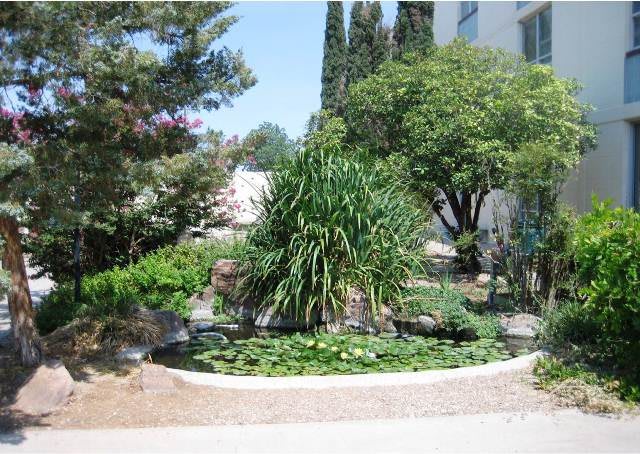
Outdoor patio and pond draw praise
Outdoor space like patios and a pond shows up in multiple visits.
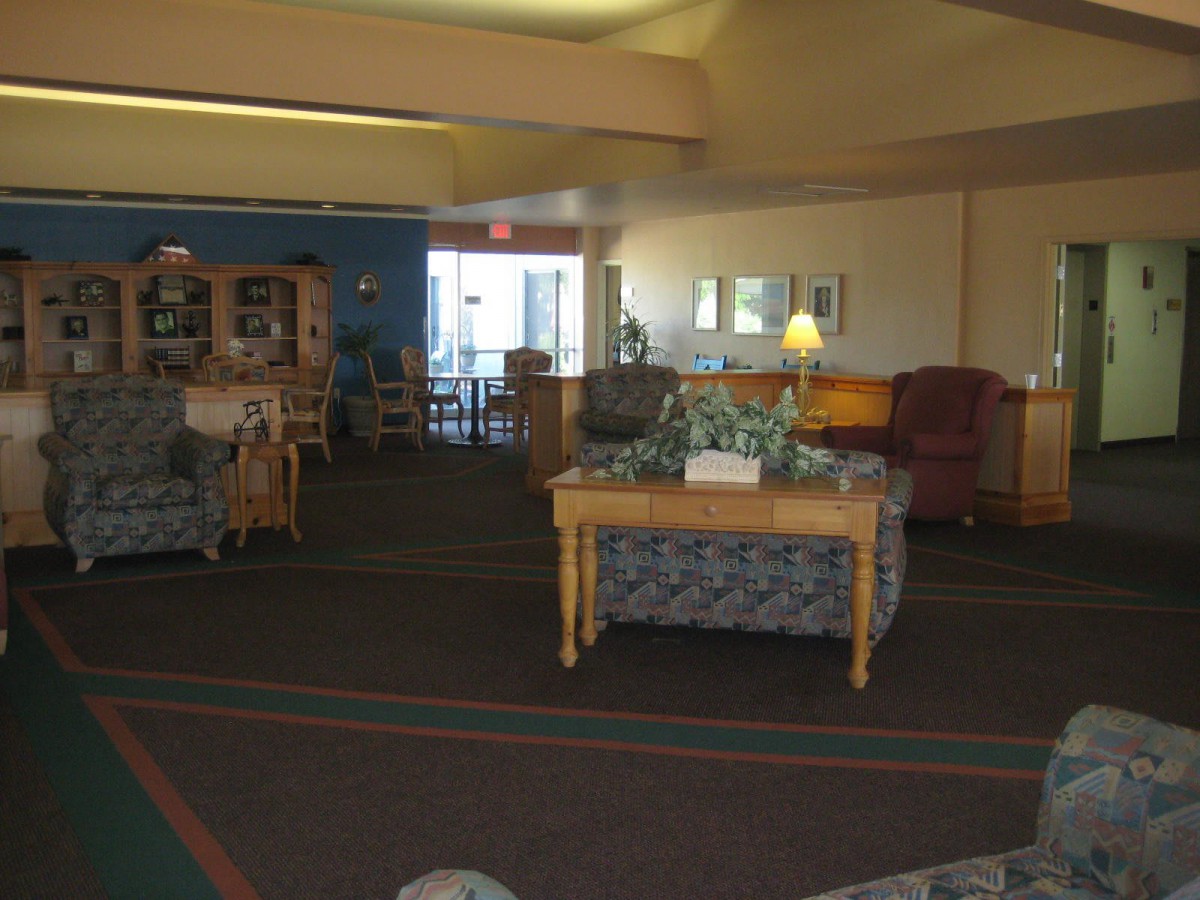
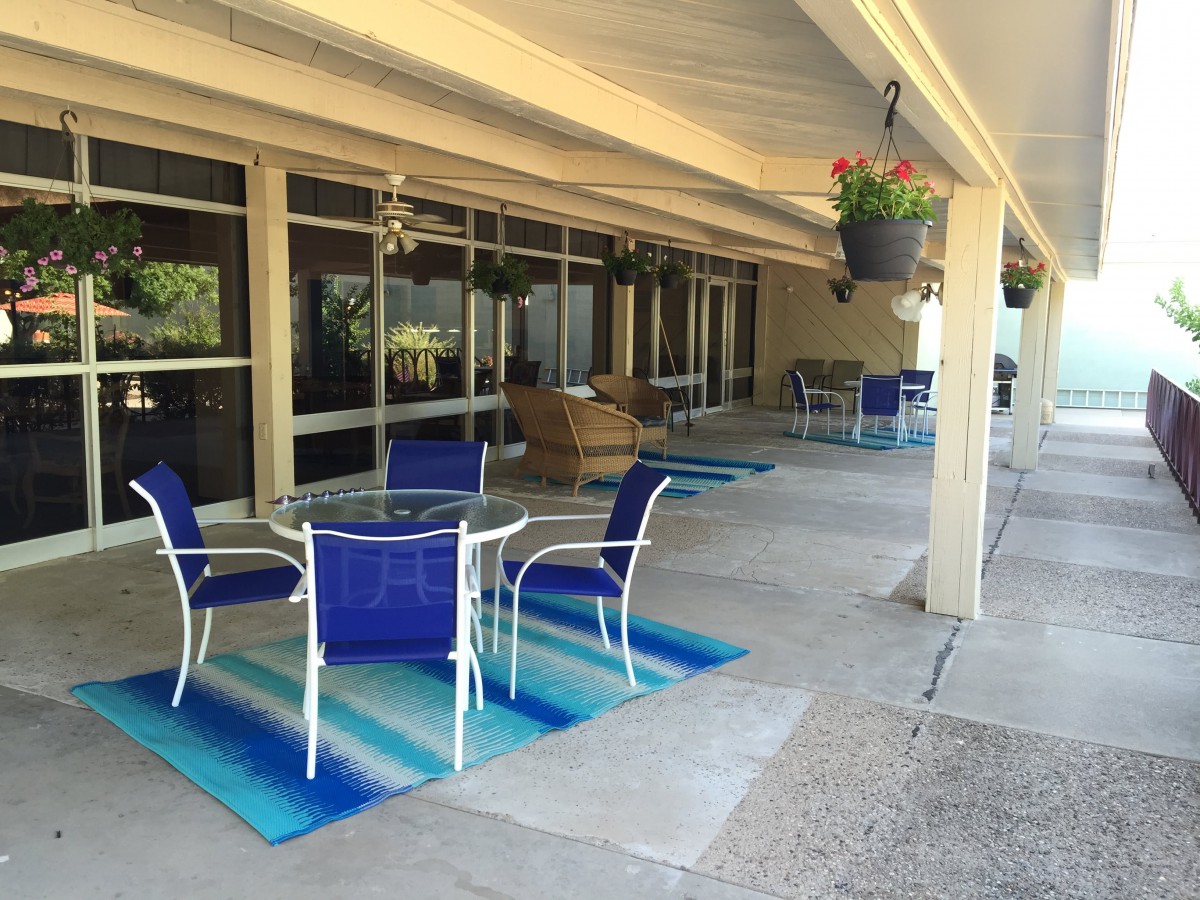
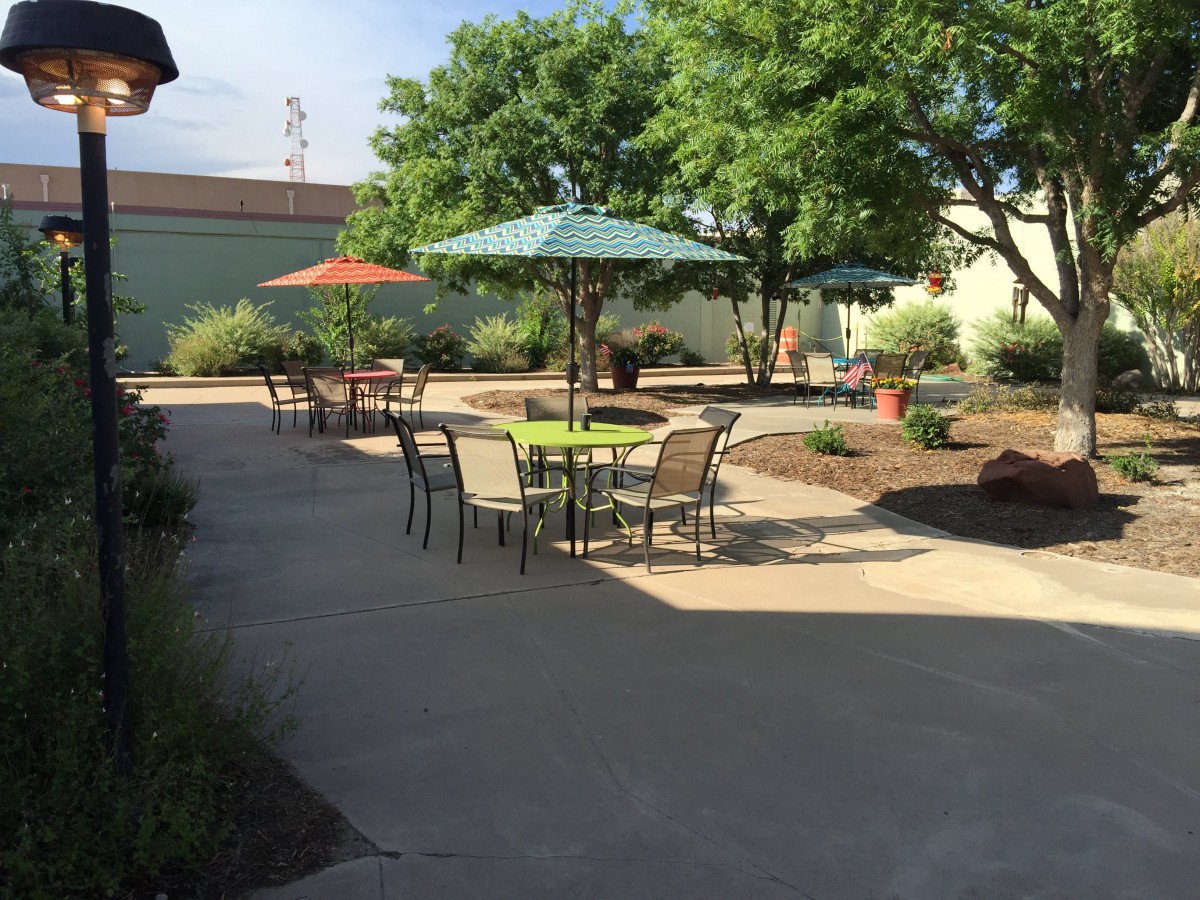
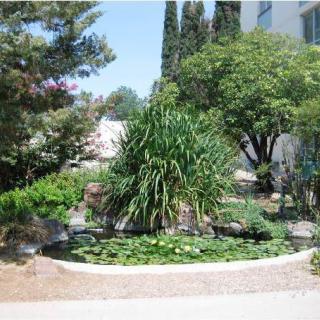
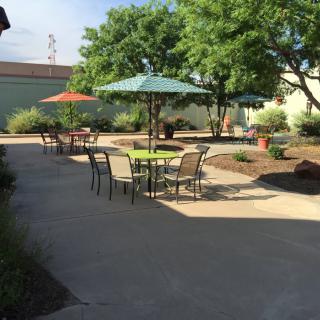
Reviews mention outdoor hangout areas such as a garden area and an outdoor patio. Others describe a patio plus a small pond with fish, and one also notes a clean sitting area out back with a pond. These kinds of spaces complement the community’s many scheduled activities described elsewhere.
common2 reviews mention this
Memory care gets targeted support
Families seeking memory-care support report help that feels specialized.
Reviews connected to memory care describe staff involvement at a level they felt their loved ones needed. One reviewer specifically mentioned the nurse in memory care going through what was needed, and another said they were impressed with the care their friend was receiving in the memory care unit. Both reviews also mention the facility working to help someone settle in comfortably.
How we summarize
Counts show how many written reviews mention each theme; a review can touch several themes, and only frequently mentioned themes are displayed.
Features
Housing
Studio apartments
Types of Care
Assisted Living
Independent Living
Memory Care
Pets
Cats allowed
Dogs allowed
Amenities
Activities off-site
Activities on-site
Air-conditioning
Bath tubs
Beautician on-site
Cable or satellite TV
Computer center
Devotional services off-site
Devotional services on-site
Dining room
Financing advice
Garden
Ground floor units
Guasts at mealtime
Guest parking
Handicap accessible
Home sale assistance
Housekeeping services
Indoor common areas
Kitchenette
Laundry
Outdoor common areas
Overnight guests
Party space
Private cleaning services
Resident parking
Respite or short term stays offered
TV room
VA Benefits Consultation
Wi-Fi/high-speed internet available
Transportation
Lea County Regional (5 miles away)
Transportation & parking
Care Services
Ambulatory care
Diabetic care
Incontinence care
Medication management
Physical therapy
Dining
Guest meals
Meals provided
Professional chef
Restaurant style dining
Room service
Special dining programs
Vegetarian
Activities
Activities off-site
Art classes
Arts and crafts
Cooking classes
Cooking club
Day trips and outings
Devotional activities offsite
Devotional activities on-site
Educational speakers / life long learning
Fitness programs
Games
Happy hour
Live dance or theater performances
Live musical performances
Other religious services
Religious services
Stories
Visiting chaplain or priest
Wii bowling
Languages Spoken
English
Nearby Places of Interest
This part of Hobbs, New Mexico offers a convenient and diverse range of amenities for senior living. With several restaurants within walking distance, including Mexican cuisine, there are plenty of dining options to explore. Places of worship are also easily accessible, providing opportunities for spiritual fulfillment. Nearby cafes like Crave the Cup offer a cozy setting for socializing with friends or enjoying a cup of coffee. The presence of parks and hospitals within close proximity ensures easy access to outdoor recreational activities and medical services. Additionally, pharmacies and physicians' offices are located nearby, providing convenient healthcare options. Transportation services such as U-Haul and Enterprise Rent-A-Car make it easy to get around the area when needed. Overall, this part of Hobbs presents a well-rounded community with various resources that cater to the needs of seniors looking for comfortable living arrangements.
Landmark at Desert Gardens offers competitive pricing for its residents compared to both Lea County and the broader New Mexico region. For a semi-private room, the cost is $2,000 per month, significantly lower than the county average of $2,667 and the state average of $3,324. Studio apartments are priced at $2,700, providing an attractive alternative to the higher costs in Lea County ($3,925) and slightly less than the New Mexico average ($3,553). The one-bedroom option maintains a balanced rate of $4,000 per month, which matches Lea County's pricing while remaining slightly below the state average of $4,055. Overall, Landmark at Desert Gardens presents itself as a cost-effective choice within its market area.
Incontinence care is essential for maintaining dignity and comfort in residents experiencing memory challenges, as it alleviates stress associated with potential accidents and promotes overall well-being. Medication management ensures that individuals receive their prescribed treatments accurately and on time, which is crucial for managing symptoms of dementia or Alzheimer's, thereby helping to stabilize cognitive function and enhance quality of life. Additionally, physical therapy plays a vital role in promoting mobility and physical health, which can often decline in those with memory impairments; it encourages engagement in daily activities and social interaction while also reducing the risk of falls, fostering independence and confidence among residents. Together, these features create a supportive environment tailored to the unique needs of individuals with memory disorders.
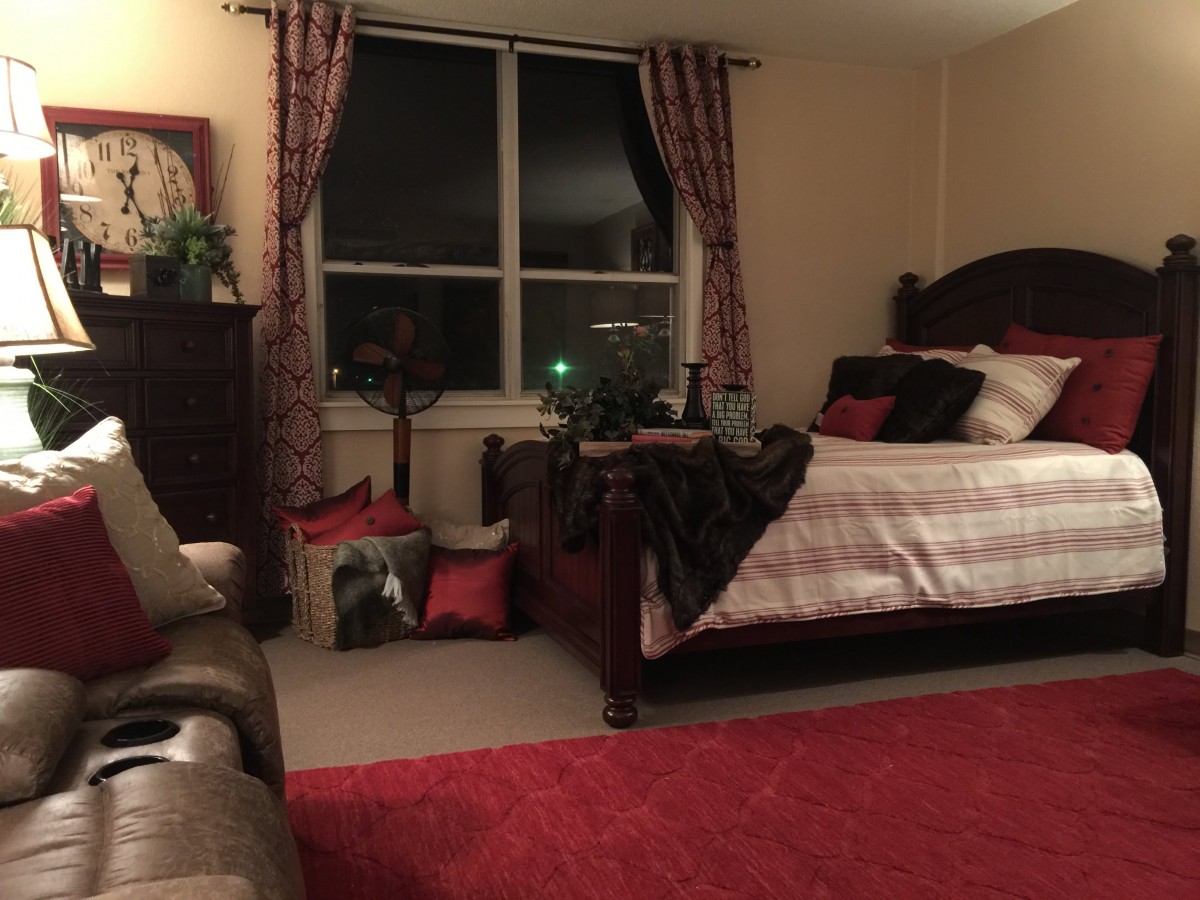
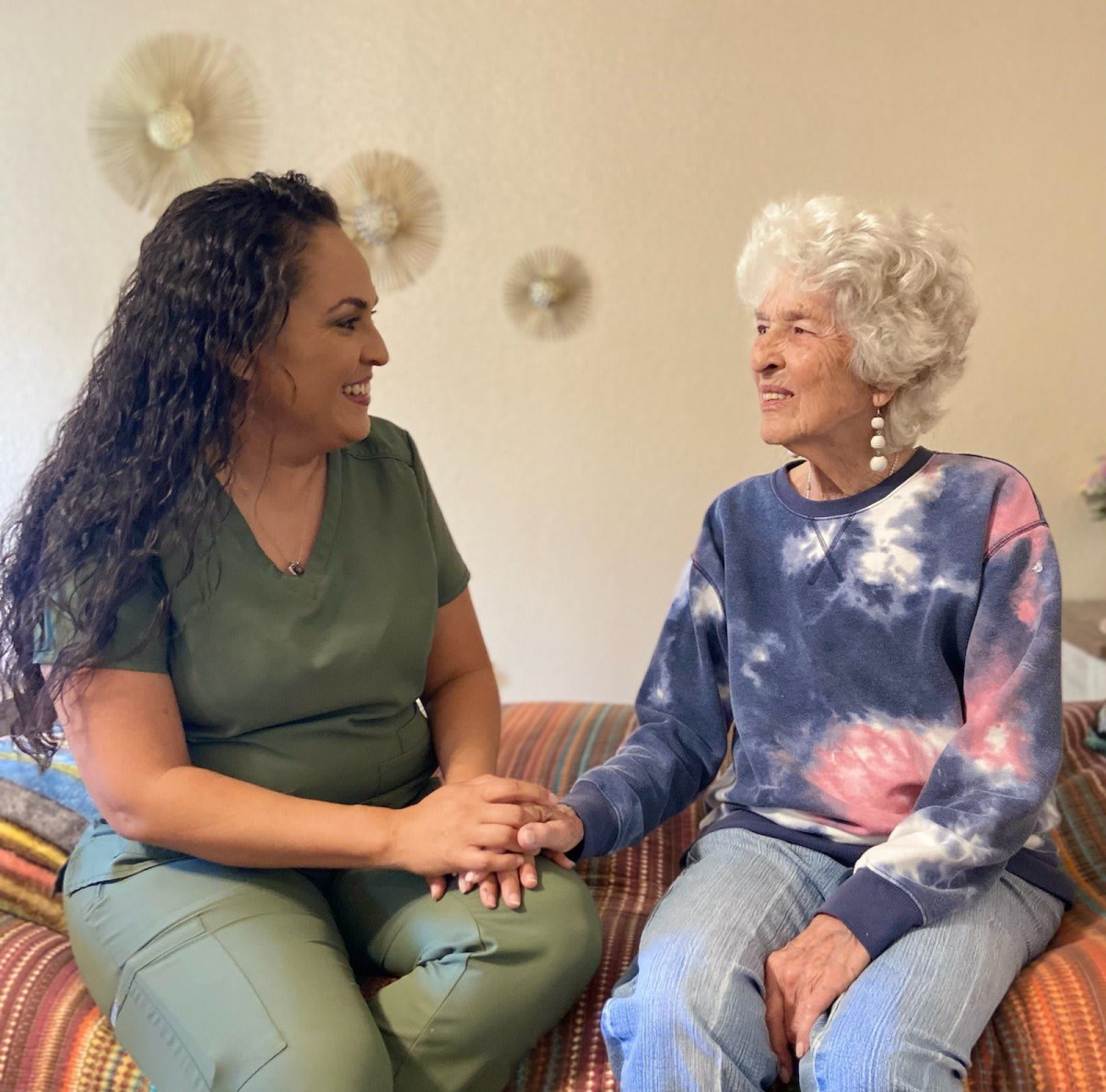
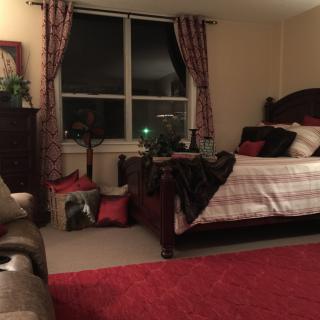
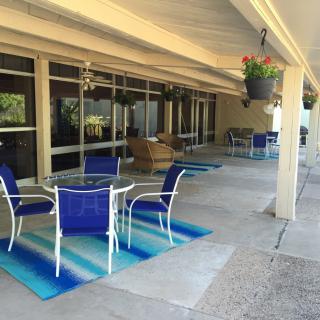
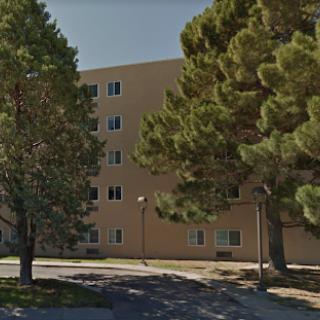
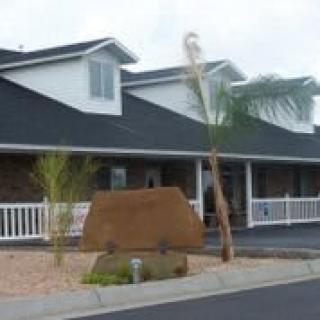
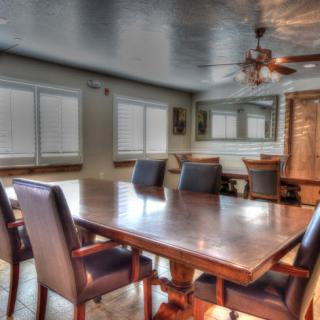
Landmark at Desert Gardens on seniors.fyi includes 12 photos including images showing garden, outdoors, interior, landscaping, trees, patio, bedroom, architecture, and more.
Nearby Communities
Desert Springs Health Care
Hobbs, NM
4.8 from 91 reviews
Luxurious, comfortable atmosphere with extensive amenities and 24/7 care.
Good Samaritan Village
Hobbs, NM
4.7 from 89 reviews
Friendly staff and a positive, well-maintained community.
Casa De Camino Alto Apts
Hobbs, NM
4.5 from 4 reviews
Clean, welcoming community with engaging activities and accessible design.
Copper Springs Senior Living Community
Hobbs, NM
4.7 from 87 reviews
Offers independent living and memory care with specialized diabetic care and wellness programs, plus convenient access to local amenities.
GoodLife Senior Living Hobbs
Hobbs, NM
4.8 from 6 reviews
$3,000 to $4,250 / month
Caring staff in a home-like, well-maintained setting with good meals and activities.
Beehive Homes Of Hobbs
Hobbs, NM
5 from 12 reviews
$4,500 / month
Specialized memory-care with 24-hour supervision and comprehensive ADL/medication support.
Medicaid coverage for assisted living varies by state and is primarily available to low-income individuals, with eligibility dependent on strict income and asset limits. Some states offer HCBS waivers for specific services in assisted living, but families must generally cover room and board costs, and should verify facility acceptance of Medicaid while considering potential waiting lists.
Medicaid waivers for assisted living services provide vital support for seniors and individuals with disabilities in need of long-term care, with varying state-specific eligibility criteria and benefits. These waivers cover personal care and case management but often do not fully cover room and board, leading to waiting lists for many applicants.
The article compares assisted living and skilled nursing facilities, detailing their differing levels of assistance, medical support, cost structures, and day-to-day experiences. It emphasizes that assisted living is for those needing help with daily activities while maintaining independence, whereas skilled nursing facilities provide intensive medical care with 24-hour staff supervision.
Outdoor Seating, Table And Chairs, and Covered Area
Additional Photos
Get PricingAsk A QuestionSchedule A TourContact Senior Advisor
By clicking submit, you agree to our Partner's Terms of Use. You
also consent to receive calls and texts, which may be autodialed, from our Partner. Your consent is not a condition to
using our Partner's service. Please visit our Partner's Privacy Policy for information about their privacy practices.




 Studio apartments
 Assisted Living
 Independent Living
 Memory Care
 Cats allowed
 Dogs allowed
 Activities off-site
 Air-conditioning
 Bath tubs
 Beautician on-site
 Cable or satellite TV
 Computer center
 Devotional services off-site
 Dining room
 Financing advice
 Garden
 Ground floor units
 Guest parking
 Handicap accessible
 Housekeeping services
 Indoor common areas
 Kitchenette
 Laundry
 Outdoor common areas
 Overnight guests
 Party space
 Respite or short term stays offered
 Wi-Fi/high-speed internet available
 Lea County Regional (5 miles away)
 Transportation & parking
 Ambulatory care
 Diabetic care
 Incontinence care
 Medication management
 Physical therapy
 Guest meals
 Art classes
 Cooking classes
 Day trips and outings
 Educational speakers / life long learning
 Fitness programs
 Games
Games Happy hour
 Live dance or theater performances
 Live musical performances
 Stories
 Visiting chaplain or priest
 Wii bowling
 English
 Luxurious, comfortable atmosphere with extensive amenities and 24/7 care.
 How and When Medicaid May Cover Assisted Living Costs
 A Detailed Exploration of Assisted Living Medicaid Waivers Across the United States
 Exploring the Contrasts Between Assisted Living and Skilled Nursing