
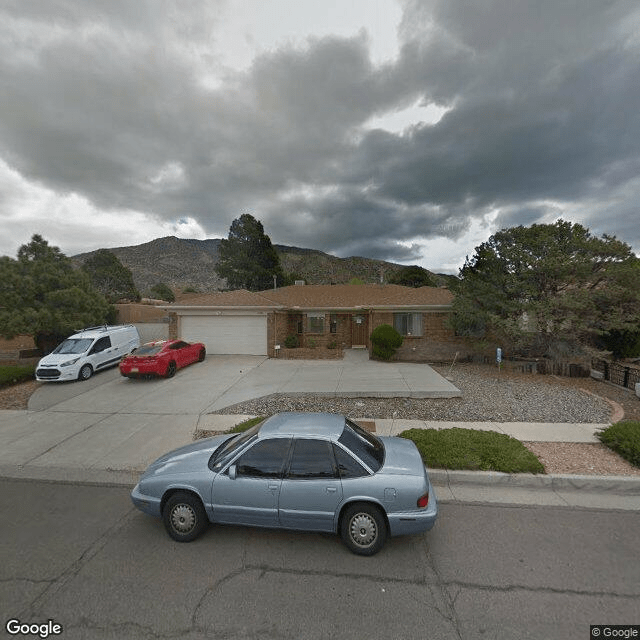
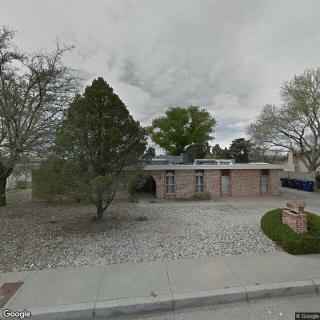
2020 White Cloud NE, Albuquerque, NM 87112
To contact a resident: (505) 379-2369
For more information about senior living options: (866) 208-4318
Elite Senior Care, LLC - Kathryn House Costs & Pricing
Elite Senior Care, LLC - Kathryn House offers competitive pricing for its residential care services, particularly when compared to the broader market in Bernalillo County and across New Mexico. For semi-private rooms, the monthly cost is $2,700, significantly lower than the county average of $3,285 and the state average of $3,324. Similarly, private rooms are available for $2,900, which also undercuts both the county's average of $4,602 and New Mexico's average of $4,391. This positioning not only reflects Elite Senior Care's commitment to affordable senior living but also underscores their dedication to providing quality care without compromising on comfort or services.
| Floor plans | Elite Senior Care, LLC - Kathryn House | Bernalillo County | New Mexico |
|---|---|---|---|
| Semi-Private | $2,700 | $3,285 | $3,324 |
| Private | $2,900 | $4,602 | $4,391 |
Senior living communities with a similar price nearby
-
from +$100 / mo

Home Sweet Home - Palomas Drive
$2,800 to $3,500 / month5.0 miles away -
from +$500 / mo
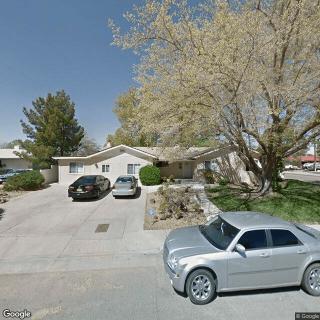
Aspen Care
$3,200 to $3,500 / month4.4 miles away -
About the same
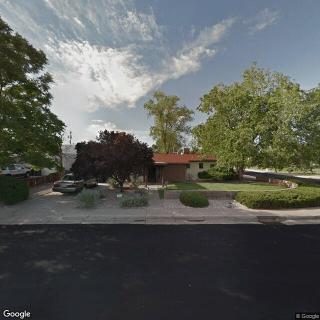
Senior Care - Arvilla
$2,700 to $3,200 / month2.6 miles away -
About the same

Fairwinds - Rio Rancho
$2,675 to $3,895 / month12.5 miles away -
from -$215 / mo

Paloma Landing
$2,485 to $4,495 / month5.6 miles away
Overall Review of Elite Senior Care, LLC - Kathryn House
Pros
 The facility is lovely and clean, with spotless surroundings.
- The caregivers are described as lovely and intelligent.
- The care provided is described as really good.
- The staff made efforts to help residents feel comfortable, such as ordering pizza on the first night.
- The setting is presented as a supportive assisted-living environment.
Cons
 Deborah is very rude.
- Deborah hung up on callers before hearing their questions, showing a very unprofessional telephone manner.
- She lived there for five days, but she was not happy.
- The residents were extremely dysfunctional.
- At dinner, no one said a word to each other.
- They really tried to make her feel comfortable, but it just wasn't possible.
Review
Kathryn House at Elite Senior Care in Albuquerque is best suited for families seeking a small, consistently managed assisted-living option where caregivers are reliable and routines feel calm and predictable. It works well for residents who are largely independent but want hands-on help with daily tasks and the reassurance that comes from a close-knit staff that appears to know each resident by name. The single-room setup with a bathroom down the hall, paired with a secured, door-locked environment, prioritizes safety and orderly operation over expansive privacy or high-energy activity. For someone who may eventually require more intensive care, this setting can function as a transitional home, provided expectations are calibrated around limited in-room privacy and a quieter social climate.
That said, the community is not for everyone. Families pursuing a vibrant social scene, abundant programming, or a high level of medical oversight may want alternatives. The experience tends toward quiet evenings and a smaller resident cohort, which can feel isolating to someone craving constant conversation and varied stimulation. The design supports efficiency and safety, but it signals a trade-off in privacy and ease of access to spontaneous social engagement. If a resident prioritizes active programming, broad social opportunities, or easier in-room privacy, it is prudent to look at larger campuses with more dynamic activity calendars.
On the plus side, the reviews converge on core strengths: cleanliness, competent caregiving, and staff who come across as intelligent and attentive. Residents are described as well cared-for, with caregivers who handle daily needs with professionalism and warmth. The facility’s tidy, orderly environment translates into predictable routines that many families value. A small, closely connected staff can offer quicker responsiveness and more personalized attention than a larger operation. A small gesture, such as arranging a pizza on the first night, signals a genuine effort to ease the transition and make a new resident feel welcomed. Taken together, these strengths provide real peace of mind about day-to-day care, which can substantially offset the limitations in privacy and social variety.
However, the experience is not uniformly rosy. The most salient negative note centers on frontline communication, with at least one reviewer describing rude phone behavior and abrupt disengagement. That kind of first impression matters, because smooth, respectful contact with administration sets the tone for a long-term placement. It is essential to verify, in person, that the front desk and leadership culture align with expectations for partnership with families. While most feedback highlights solid care quality, this friction point cannot be ignored. A candid tour and direct conversations about how concerns are managed will reveal whether administrative responsiveness matches the evident care competency elsewhere in the operation.
Decision-making should hinge on matching needs to what Kathryn House actually delivers. If a resident values a tidy, quiet environment and dependable daily care, the facility delivers on those fronts, and the small community size can feel comforting rather than claustrophobic. If, instead, the family expects abundant daily programming, robust social interaction, and easier access to private amenities, there are clearer, likely more satisfying options to explore. Prospective residents should tour thoroughly, request sample menus and activity rosters, observe meal times, meet the caregiving team, and ask about staff-to-resident ratios, emergency procedures, and how care plans adapt as needs evolve. For families anticipating possible higher-acuity needs, probing memory-care or higher-need options nearby will prevent later dissonance.
Overall, Kathryn House is a solid choice for families prioritizing safety, cleanliness, and dependable caregiving within a calm, low-drama setting. It excels at delivering steady care in a small, orderly environment and performs well on safety and housekeeping. The trade-off is a relatively modest social scene and limited in-room privacy, anchored by a design that favors routine over resource-rich activity. Those who value a thoughtfully run, low-stress home and can accept occasional evenings that feel subdued will find it a reassuring option. For residents who require more social stimulation, more immediate private amenities, or deeper medical resources, it is wise to evaluate larger campuses or facilities with broader programming and care options. A deliberate tour and an honest assessment of goals will reveal whether Kathryn House aligns with the family’s caregiving philosophy and the loved one’s quality-of-life priorities.
 Board and Care Home
 Cats allowed
 Dogs allowed
 Private
 Albuquerque International (8 miles away)



 Exploring the World of Home Health Nurses: Qualifications, Roles, and Hiring Tips
 Navigating Medicare Coverage for In-Home Care Services
 In-Home Care Costs in 2025: A Detailed State-by-State Exploration