

3620 Wyoming Blvd. NE, Suite 226, Albuquerque, NM 87111
To contact a resident: (505) 316-5440
For more information about senior living options: (866) 208-4318
Overall Review of A Place at Home - Albuquerque, NM
Pros
 Miranda and Rachel were praised for understanding the client’s needs and for pairing a compatible, nearby caregiver.
- Kaisie was described as a reliable caregiver who understands life in the East Mountain area.
- A Place At Home was very responsive and ensured the caregivers fit the client’s needs.
- All the caregivers were great, and Miranda was available to step in and train new caregivers.
- The group of home care providers is described as a blessing, with Rachel and her team being professional and compassionate.
- Miranda and Rachel were fantastic at pairing the dad with his caregiver Leilani, and the family was grateful for her help.
- Rachel is described as a lifesaver who provided crucial support during recovery, staying calm in chaotic times.
- The agency helps caregivers by matching them to clients and offers online paid training, plus clients can request the amount of time they want to work.
Cons
 They ignored a wheelchair-bound client and said he was a joke they could not help him.
- Scheduling was chaotic, with caregivers often not showing up.
- Office staff and coordinators were rude whenever issues were raised.
- They seemed to care more about money than their clients.
- Billing amounts were inconsistent, with different weekly charges and no hard copies provided.
- They made false claims and involved adult protective services after service stopped.
- The reviewer suspected racial bias in the treatment received.
- A caregiver allegedly tried to take belongings and smoked on the premises.
Review
This community is best for families who want deeply personalized caregiver matching and proactive coordination, especially those with loved ones in Albuquerque’s East Mountain area. The standout advantage is the emphasis on pairing caregivers to fit the client’s personality and daily rhythms, coupled with coordinators who can source near-by caregivers and stay engaged when shifts shift or new needs emerge. When a client requires a calm, steady presence and a clear human point of contact to manage doctor visits and daily routines, this agency often delivers. Miranda and Rachel frequently appear as the anchors of that effort, guiding the process, communicating with families, and backing caregivers with training and onboarding to preserve compatibility over time. For households prioritizing fit and proximity over sheer scale, this firm presents a compelling, hands-on model.
However, this is not a choice for everyone. Families that demand flawless scheduling and absolute reliability should look elsewhere. The reviews feature repeated reports of late starts, no-shows, and inconsistent caregiver coverage, including a troubling instance where a client received only a fraction of the planned hours. Office staff and coordinators are occasionally described as rude or dismissive when issues are raised, and billing practices have produced confusion and frustration for several clients. Serious accusations about mismanagement and unfair treatment also surface in some accounts, including claims of retaliation and false referrals. In short, if dependable attendance, transparent billing, and consistently respectful communication are non-negotiable, alternative providers deserve consideration.
The compelling advantages, highly tailored caregiver matching, robust staff involvement, and practical training, often offset many drawbacks when the client prioritizes compatibility and responsiveness. The ability to match a caregiver who shares life experiences and values, and to bring in backup caregivers trained to the client’s preferences, creates a sense of continuity that is hard to sustain elsewhere. Praise for the coordinators who maintain caregiver pipelines and quickly train new aides reinforces the sense that the operation can deliver stable, personalized care when the client’s needs are clear. Positive experiences, such as finding caregivers who effectively support mobility and daily routines, and having coordinators who stay engaged during medical visits, demonstrate a model that can work exceptionally well for families who demand careful alignment and ongoing adjustments.
Yet the realities of operations cannot be ignored. The same strengths become less persuasive if scheduling reliability collapses, if caregivers rotate too quickly, or if billing becomes opaque. The client experience hinges on a few dependable staff members who can institute a consistent cadence. When that cadence is disrupted, frustration grows and families begin to doubt value. The care quality can vary from one caregiver to the next, which makes the role of the coordinators even more critical: there must be a reliable system to manage back-up coverage and to ensure that any new caregiver is thoroughly oriented to the client’s routines and safety plan. In these conditions, the decision to proceed should be accompanied by explicit safeguards and a written escalation path.
For families weighing options, the practical move is to lean into the agency’s strengths while demanding explicit guarantees. Request a dedicated care coordinator with a written service plan, and insist on a reliable back-up caregiver protocol for inevitable scheduling gaps. Ask for detailed billing statements with week-by-week itemization and a clear, predictable billing policy to prevent drift in charges. Demand a trial window during which the client experiences a consistent routine and receives timely shift confirmations, followed by a formal review to confirm ongoing fit. It is prudent to check references and, if possible, speak with families who have used the service for several months to gauge long-term reliability and the consistency of caregiver onboarding.
Bottom line: this agency can be an excellent fit for families who prize precise matching, quick responsiveness, and hands-on coordination, especially when care demands align with near-term mobility challenges and doctor visits. It may not be the right choice for those who cannot tolerate recurring scheduling hiccups, opaque billing, or uneven caregiver continuity. The prudent path is to enter with a clear, written plan: designate a primary coordinator, map out backup coverage, request transparent billing protocols, and set a measurable trial period with a defined review. When those conditions are met and communications stay constructive, the benefits of personalized care and engaged coordination can outweigh the risks, delivering genuinely meaningful support for a loved one who values compatibility and attentive, human-led care.
 Albuquerque International (8 miles away)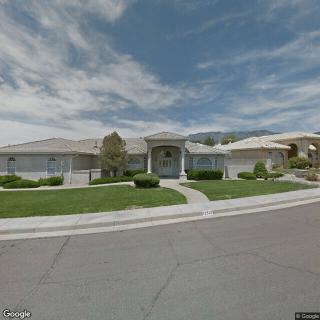







 Navigating the Tax Landscape of Caregiving: Credits, Deductions, and Beyond
 Highly Beneficial Low-Impact Exercises for Senior Living Residents
 Is In-Home Healthcare Tax Deductible? Your Comprehensive Guide