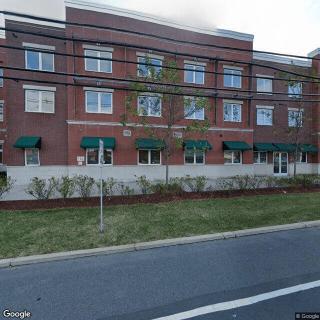
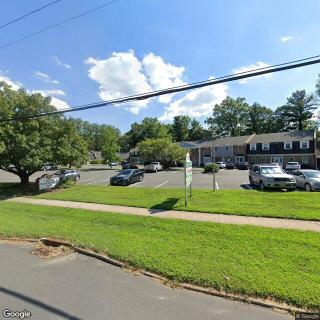
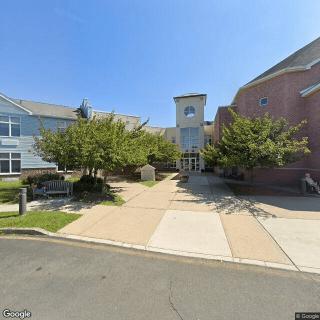
Assisted Living in Ewing, NJ

Information last verified:

1015 Whitehead Road Extension, Ewing, NJ 08638

For more information about senior living options: (844) 490-3973

3.5 from 14 reviews
5 stars
8
4 stars
0
3 stars
1
2 stars
1
1 stars
4

Overall Review of Assisted Living

Pros

  • pro Steve in the office is very helpful and very nice.
  • pro Steve in the office is an awesome guy! Very helpful and understanding.
  • pro It’s a good quiet place.
  • pro Amazing staff. Very friendly and extremely helpful.

Cons

  • pro The carpet was never replaced after ten years, yet the unit was only painted.
  • pro They were charged $900 for indoor-outdoor carpet.
  • pro The grandmother’s $1,700 deposit was not fully returned, with only $800 issued.
  • pro The building manager was unresponsive, and no contact was received from management since July.
  • pro The reviewer believes the facility takes advantage of the elderly.
  • pro They caution other families not to trust Ewing Independent Living.

Review

This community is best suited for independent seniors who value a quiet, family-run atmosphere and a welcoming, resident-centered environment. The layout and culture favor residents who do not require hands-on daily care and who are comfortable navigating independent living with minimal, optional support services. In practice, this means a homey, low-stress setting where residents can socialize and rely on a consistently helpful front-dock team, particularly the on-site staff person repeatedly praised for responsiveness. Those seeking a bustling, high-service campus or a facility with integrated medical oversight will likely find the fit too lean. If independence is the core goal and the need for assisted living is low, this community earns serious consideration.

Those who may want to explore alternatives are primarily families with loved ones who require ongoing care, medical supervision, or substantial daily assistance. The building is explicitly separate from any “ala carte” support services, which means care needs would not be automatically provided here and would require arranging external help. Prospective residents who anticipate memory care, mobility aids, or complex medication management should look for communities that bundle or clearly bill for on-site care. Additionally, the most vocal concerns center on billing and administrative responsiveness; families who prize transparent, prompt answers about deposits, refunds, and long-term charges should plan to scrutinize contracts and management practices elsewhere.

The strongest pros are the approachable staff and the quiet, welcoming environment. Multiple reviews highlight Steve in the office as a consistently helpful, understanding presence who makes administrative matters feel manageable. A family-run feel and a warm resident community contribute to a sense of belonging and stability, which can translate into genuine day-to-day comfort for residents who can live largely independently. These advantages offset, to a degree, the reality of a limited care footprint, delivering real value for seniors who want a dignified, low-stress place to call home without aggressive service-up charges or a bustling campus vibe.

Yet the main cons carry serious weight for decision-making. The most troubling thread involves questions about long-term reliability of charges and refunds, for example, disputes over deposits tied to long-term occupancy and a perceived gap between what is charged and what remains in a resident’s apartment after years of occupancy. One detailed account alleges an elderly relative and family were drawn into a costly deposit situation without satisfactory resolution, and another review underscores a lack of carpet replacement under a large, years-long deposit. Such experiences erode trust and signal that financial transparency and problem-resolution processes may not meet the expectations required for families planning for a loved one’s lifetime residence.

In practical terms, these cons are not merely administrative irritants; they shape risk. The separation between independent living and “support services” means the property cannot automatically fill care gaps, and disputes or perceived mismanagement can linger without timely, transparent remedies. For families weighing this option, the offsetting benefits hinge on a resident’s ability to stay self-sufficient, the daily experiences of warmth from staff, and the overall quality of life in a quiet, social building. However, when care needs rise or when a deposit dispute surfaces, the lack of integrated care and the reported management friction become decisive factors against choosing this community.

The bottom line is straightforward. If independence, a family-run feel, and reliable front-desk support are the primary criteria, this community can meet them well and offer a comfortable, low-stress home. If, instead, a loved one requires regular assistance, memory care, or a predictable, transparent financial plan with clear policies on deposits and repairs, alternatives deserve careful comparison. Prospective residents should insist on a comprehensive tour with the exact terms of any support services included or available, and demand written explanations of deposit policies, refund timelines, and how any long-term charges are handled. Engage multiple residents and staff, review contracts meticulously, and compare with other Ewing-area options to ensure alignment with long-term care needs and financial expectations.

Features

Housing

  • 21 resident community capacity 21 resident community capacity

Types of Care

  • Assisted Living Assisted LivingAssisted living facilities provide crucial support and care for seniors who may need help with daily tasks such as medication management, bathing, and meal preparation. These communities offer a safe and comfortable environment where seniors can maintain their independence while receiving the assistance they need to thrive in their golden years.

Amenities

  • Beauty salon Beauty salonBeauty salons are important for seniors because they provide a space for them to feel pampered, socialize, and maintain their personal grooming and hygiene. Regular visits to a beauty salon can help boost seniors' self-esteem and overall well-being.
  • Cable or satellite TV Cable or satellite TVCable or satellite TV is important for seniors because it provides entertainment, news, and companionship, helping to combat loneliness and boredom. It also offers a wide range of programming options tailored to different interests and preferences.
  • Dining room Dining roomDining rooms are important for seniors as they provide a space for socialization, connection, and nutritious meals. They offer opportunities for residents to bond over shared meals, foster a sense of community, and promote healthy eating habits. Dining rooms also ensure that seniors have access to well-balanced meals tailored to their dietary needs and preferences.
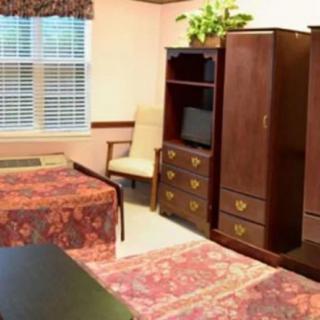
  • Fully furnished Fully furnishedFully furnished senior living communities are important for seniors because they provide convenience, comfort, and a hassle-free moving experience. Seniors can easily settle into their new living space without the stress of having to buy and move furniture. This allows them to focus on enjoying their new home and community.
  • Garden GardenGardens are important for seniors as they provide a peaceful and therapeutic environment for relaxation, physical activity, and socialization. Being in nature has been shown to reduce stress, improve mood, and promote overall well-being. Gardens also offer opportunities for seniors to engage in gardening activities, which can improve mobility, flexibility, and cognitive function. Additionally, gardens create a sense of community and connection with others who share a passion for plants and outdoor spaces.
  • Housekeeping services Housekeeping servicesHousekeeping services are important for seniors because they help maintain a clean and safe living environment, promote independence, and reduce the risk of accidents or illnesses. Additionally, having assistance with household chores can alleviate physical strain and allow seniors to focus on other aspects of their well-being.
  • Kitchenette KitchenetteKitchenettes are important for seniors living in senior living communities because they provide the convenience and independence of being able to prepare simple meals and snacks in the comfort of their own living space. This can help promote a sense of autonomy and well-being for seniors, allowing them to maintain some level of control over their dietary choices and daily routines.
  • Move-in coordination Move-in coordinationMove-in coordination is important for seniors because it helps ease the transition into their new living environment. It ensures that all logistics, such as packing, organizing movers, and setting up utilities are taken care of, allowing seniors to focus on settling in and adjusting to their new home. Having a smooth move-in process can alleviate stress and anxiety, making the transition smoother and more enjoyable for seniors.
  • Outdoor space Outdoor spaceOutdoor spaces are important for seniors as they provide opportunities for physical activity, social interaction, exposure to natural light and fresh air, and a sense of connection to nature. Having access to outdoor spaces can improve overall well-being and quality of life for older adults living in senior communities.
  • Telephone TelephoneTelephones are important for seniors as they provide a lifeline for communication with loved ones, emergency services, and healthcare providers. They offer a sense of security and independence, enabling seniors to stay connected and access assistance when needed.
  • Wi-Fi/high-speed internet available Wi-Fi/high-speed internet availableWi-Fi/high-speed internet is important for seniors to stay connected with loved ones, access online resources, and participate in virtual activities to combat feelings of loneliness and isolation. It also allows them to easily manage healthcare needs, access entertainment, and engage in lifelong learning opportunities.

Transportation

  • Trenton-Mercer County (3 miles away) Trenton-Mercer County (3 miles away)

Care Services

  • 24-hour call system 24-hour call system24-hour call systems are important for seniors because they provide peace of mind and immediate assistance in case of emergencies. This technology ensures that help is always available, promoting safety and security for elderly individuals living alone or in assisted living facilities.
  • 24-hour supervision 24-hour supervision24-hour supervision is important for seniors to ensure their safety, well-being, and access to immediate assistance in case of emergencies or health issues. This constant support provides peace of mind for both seniors and their loved ones, allowing them to age in place with dignity and security.
  • Activities of daily living assistance Activities of daily living assistanceActivities of daily living assistance are important for seniors because they provide essential support with tasks such as eating, bathing, dressing, and mobility. This assistance helps seniors maintain their independence, dignity, and overall quality of life as they age.
  • Assistance with bathing Assistance with bathingAssistance with bathing is crucial for seniors as it helps maintain personal hygiene, prevents infections, and ensures their overall well-being and comfort. It also provides a sense of dignity and independence for seniors who may struggle with this task on their own.
  • Assistance with dressing Assistance with dressingAssistance with dressing is important for seniors because it helps maintain their independence, promotes personal hygiene, prevents accidents and injuries, and improves overall quality of life. This service ensures that seniors can continue to dress comfortably and confidently, despite any physical limitations they may have.
  • Assistance with transfers Assistance with transfersAssistance with transfers is crucial for seniors as it helps prevent falls and injuries, maintains their independence, and ensures they can safely navigate their living environment. It also provides peace of mind for both seniors and their loved ones.
  • Coordination with health care providers Coordination with health care providersCoordination with health care providers is crucial for seniors to ensure proper medical care, medication management, and overall well-being. This collaboration helps prevent overlapping treatments, track progress more effectively, and provide comprehensive support tailored to individual needs.
  • Diabetes diet Diabetes dietA diabetes diet is crucial for seniors as it helps manage blood sugar levels, reduce risks of complications, and improve overall health and well-being. By following a balanced and nutritious diet tailored to their specific needs, seniors can better control their diabetes and enhance their quality of life.
  • Meal preparation and service Meal preparation and serviceMeal preparation and service are crucial for seniors as they may have limited mobility or energy to cook nutritious meals. Having access to healthy and convenient food options can ensure they are getting the proper nutrition needed to maintain their overall health and well-being.
  • Medication management Medication managementMedication management is crucial for seniors to ensure they are taking the right medications at the correct dosages and times. This helps prevent adverse drug interactions, reduces the risk of medication errors, and promotes overall health and well-being. Proactive management also allows for adjustments as needed based on changing health conditions or new prescriptions.
  • Mental wellness program Mental wellness programMental wellness programs are essential for seniors as they promote cognitive stimulation, emotional support, and social engagement. These programs help prevent isolation, depression, and cognitive decline, ultimately enhancing the overall quality of life for older adults.
  • Special dietary restrictions Special dietary restrictionsSpecial dietary restrictions are important for seniors because age-related changes in metabolism and health conditions can make it difficult for their bodies to process certain foods. By following a diet tailored to their specific needs, seniors can maintain their overall health and well-being, manage chronic conditions, and reduce the risk of complications such as malnutrition or food interactions with medications.
  • Transportation arrangement (medical) Transportation arrangement (medical)Transportation arrangements for medical purposes are essential for seniors as they may have difficulty driving themselves to appointments or accessing public transportation. Having reliable and safe transportation options ensures that seniors can receive timely medical care and maintain their health and well-being.
  • Transportation to doctors appointments Transportation to doctors appointmentsTransportation to doctors' appointments is crucial for seniors as it ensures they have access to necessary medical care and support for their health needs. Without reliable transportation, seniors may struggle to attend important appointments, leading to potential delays in treatment and health complications. Providing transportation services helps seniors maintain their overall well-being and quality of life.

Dining

  • Diabetes diet Diabetes dietA diabetes diet is crucial for seniors as it helps manage blood sugar levels, reduce risks of complications, and improve overall health and well-being. By following a balanced and nutritious diet tailored to their specific needs, seniors can better control their diabetes and enhance their quality of life.
  • Special dietary restrictions Special dietary restrictionsSpecial dietary restrictions are important for seniors because age-related changes in metabolism and health conditions can make it difficult for their bodies to process certain foods. By following a diet tailored to their specific needs, seniors can maintain their overall health and well-being, manage chronic conditions, and reduce the risk of complications such as malnutrition or food interactions with medications.

Activities

  • Community-sponsored activities Community-sponsored activitiesCommunity-sponsored activities are important for seniors as they provide opportunities for social interaction, mental stimulation, and physical activity. These activities can help improve overall well-being, combat loneliness and isolation, and promote a sense of belonging and purpose among older adults.
  • Resident-run activities Resident-run activitiesResident-run activities are important for seniors as they encourage social interaction, creativity, and a sense of autonomy. These activities empower seniors to stay engaged and active in their community while fostering meaningful connections with their peers.
  • Scheduled daily activities Scheduled daily activitiesScheduled daily activities are important for seniors because they provide structure, socialization, mental stimulation, and physical activity. Engaging in regular activities can improve overall well-being and quality of life for seniors living in a community setting.

Description

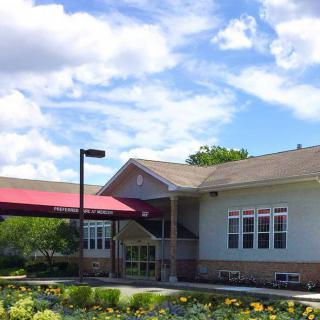
Located in the charming town of Ewing, NJ, our assisted living community offers a range of amenities and care services to ensure the comfort and well-being of our residents. Our beautifully furnished accommodations feature cable or satellite TV, Wi-Fi/high-speed internet access, and a convenient kitchenette. Daily housekeeping services are provided to maintain a clean and organized living environment.

Our community boasts a lovely garden and outdoor space where residents can relax and enjoy the fresh air. Move-in coordination is available to make the transition into our community seamless and stress-free for new residents. They can also take advantage of our on-site dining room, where delicious meals are prepared and served by our staff.

When it comes to care services, we provide 24-hour supervision to ensure the safety of our residents. Our trained staff is available to assist with activities of daily living such as bathing, dressing, and transfers. We also coordinate with healthcare providers to ensure that all medical needs are met.

For individuals with specific dietary restrictions or special meal requirements such as a diabetes diet, our dining options cater to those needs. In addition to this, we offer medication management services to ensure that medications are taken correctly and on time.

At our assisted living community, we prioritize the mental wellness of our residents by offering a mental wellness program designed to promote emotional well-being. Additionally, our activity calendar includes resident-run activities as well as scheduled daily activities for entertainment and social engagement.

Convenience is key at our location, with cafes, parks, pharmacies, physicians' offices, restaurants, transportation options including medical transportation nearby. This makes it easy for residents to access additional amenities and services outside of our community.

Overall, our assisted living community in Ewing provides a comfortable and supportive environment for seniors looking for personalized care while enjoying a variety of amenities and nearby conveniences.

Nearby Places of Interest

Restaurants

  • Sonic Drive-In (1.1 miles)
  • Rat's Restaurant (2.7 miles)
  • Amalfi Cuisine (2.7 miles)
  • Taco Bell (3.8 miles)
  • Blooming Grove Inn (4 miles)
  • Morrisville Tavern (4.2 miles)
  • McDonald's (4.3 miles)

Pharmacies

  • CVS Pharmacy (1.2 miles)
  • Walgreens (1.2 miles)
  • CVS Pharmacy (1.4 miles)
  • CVS Pharmacy (2 miles)
  • CVS Pharmacy (2.4 miles)
  • CVS Pharmacy (2.8 miles)
  • Walmart Pharmacy (2.9 miles)

Parks

  • Cadwalader Park (1.9 miles)
  • Delaware River Canal Tow Path (4.5 miles)
  • Veteran's Park Hamilton (5.6 miles)
  • Sharp's Lane Crestwood Park (5.9 miles)
  • Mercer County Park (6.1 miles)
  • Washington Crossing Historic Park (6.5 miles)

Physicians

  • Lawrenceville Dermatology (2.4 miles)
  • Princeton Eye and Ear (2.4 miles)
  • Delaware Valley Family Eye Care (2.6 miles)
  • Delaware Valley Pediatric Associates (2.6 miles)
  • Retina-Vitreous Center PA (2.6 miles)
  • Nottingham Medical Associates (2.7 miles)
  • Delaware Valley OB/GYN (2.8 miles)

Hospitals

  • Mercer Family Health Center (2.5 miles)
  • Trenton Psychiatric Hospital (3 miles)
  • Capital Health Medical Center (4.6 miles)
  • Frankford Hospital-Bucks County (8 miles)
  • University Medical Center of Princeton at Plainsboro (8.9 miles)

Cafes

  • Van Gogh Cafe (2.6 miles)
  • Starbucks (3.1 miles)
  • Starbucks (4.7 miles)
  • Panera Bread (5.4 miles)
  • Starbucks (6.3 miles)
  • Starbucks (7.2 miles)
  • Starbucks (7.2 miles)

Transportation

  • Hamilton Station (2.8 miles)
  • Trenton Transit Center (3 miles)
  • Trenton-Mercer Airport (TTN) (3.4 miles)
  • NJT - Princeton Junction Station (8 miles)

Places of Worship

  • St Gregory the Great Roman Catholic Church (6.8 miles)
  • Princeton University Chapel (8 miles)
  • Blawenburg Reformed Church (9 miles)

Frequently Asked Questions

Where is Assisted Living?

Nearby Communities

  • Senior Care of Trenton

    Senior Care of Trenton

    Trenton, NJ

    1 from 1 review
     

    pro Prime location with nearby parks, dining options, pharmacies, and healthcare access.

  • Lawrenceville Point

    Lawrenceville Point

    Lawrence Township, NJ


    pro Extensive amenities with nearby services for convenience.

  • Heritage Village at Lawrence

    Heritage Village at Lawrence

    Lawrenceville, NJ

    2.2 from 6 reviews
     

    pro Excellent nearby access to healthcare, dining, parks, and transportation in a peaceful Lawrenceville neighborhood.

  • Royal Health Gate Nursing Rehab

    Royal Health Gate Nursing Rehab

    Trenton, NJ


    pro Wide range of amenities and comprehensive care services.

  • ComForcare Senior Services Mercer County

    ComForcare Senior Services Mercer County

    Ewing, NJ

    4.8 from 62 reviews
     

    pro Available, compassionate care with professional staff and thorough screening.

  • Traditions at Federal Point

    Traditions at Federal Point

    Lawrence Township, NJ

    3.6 from 40 reviews
     

    pro Intimate community with on-site care (medication management, dressing assistance) and customizable meals (diabetes diet) plus reliable Wi-Fi.

  • The Terraces at Lawrence

    The Terraces at Lawrence

    Lawrenceville, NJ

    4.8 from 41 reviews
    $5,400 / month

    pro Friendly staff and a clean, homelike environment.

  • Preferred Care At Mercer

    Preferred Care At Mercer

    Ewing, NJ

    4.7 from 100 reviews
     

    pro Extensive on-site care and amenities (24/7 supervision, medication management, dining, activities).

  • Abrams Residence

    Abrams Residence

    Trenton, NJ

    5 from 2 reviews
    $7,020 to $11,670 / month

    pro Personalized care with engaging activities and spacious, furnished apartments.

Related Resources

  • when to move from assisted living to nursing home8 Key Indicators That Suggest It May Be Time to Transition from Assisted Living to Skilled Nursing Care

    The transition from assisted living to skilled nursing care is often prompted by complex medical needs that assisted living cannot meet, with key indicators including frequent health declines, increased falls, severe memory issues, and caregiver burnout. Families should recognize these signs early to discuss options with healthcare providers and prepare for the emotional and logistical aspects of moving to a facility that offers comprehensive medical support.

  • active senior livingVibrant Senior Living: A Comprehensive Guide for Active Older Adults

    Vibrant Senior Living emphasizes active senior living communities that promote independence and engagement through diverse amenities and activities, fostering wellness and social interaction among older adults. These communities range from independent to assisted living, with a focus on personal growth, family involvement, financial planning, and leveraging technology to enhance residents' experiences.

  • when to move from assisted living to memory careWhen to Transition from Assisted Living to Memory Care: Key Indicators, Steps, and Finding the Right Community

    Transitioning from assisted living to memory care is driven by an individual's cognitive decline and specific needs, requiring careful evaluation of indicators like increased confusion and wandering. The process involves consulting medical professionals, researching suitable communities, considering financial and legal aspects, and ensuring effective communication for personalized care plans.