
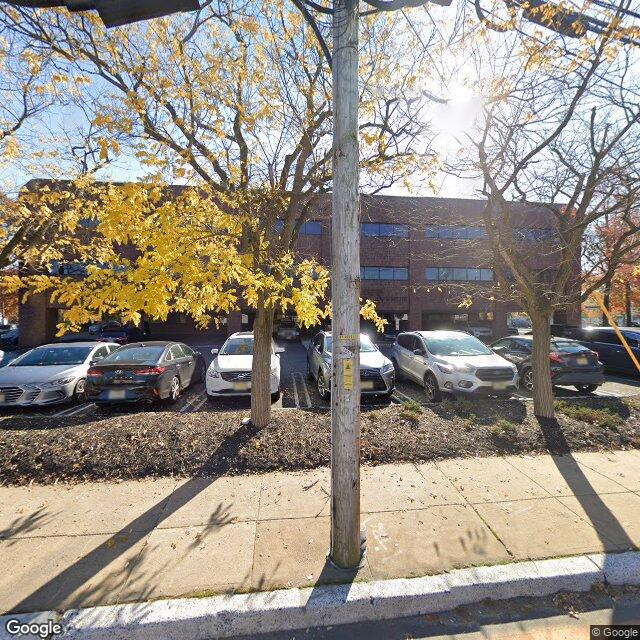
150 Morris Ave, Springfield, NJ 07081
To contact a resident: (973) 379-4910
For more information about senior living options: (866) 208-4318
Overall Review of Home Instead - Springfield, NJ
Pros
 Home Instead has a rapid response rate to families’ home care requests.
- Their highly trained caregivers for dementia and Alzheimer’s patients are rare and welcoming.
- The longevity of their staff is very comforting.
- They highly recommend Home Instead.
- Their parents’ aides are wonderful and enable the parents to stay in their home.
Review
Home Instead Springfield, NJ is best suited for families that want to keep a loved one at home while receiving highly reliable, specialized in-home care, particularly when dementia or Alzheimer’s is a central concern. The program shines where rapid responsiveness and staff stability matter most: families that need timely help to manage daily routines, safety, and behavior challenges without moving the senior to a facility. The combination of quick caregiver deployment and a workforce with deep dementia care training creates a foundation that makes preserving home life feasible and less stressful for relatives.
For those weighing alternatives, this is not the right fit for every scenario. Families seeking around-the-clock, on-site supervision in a campus setting, or a robust social environment with built-in activities and medical oversight may prefer an assisted living or memory care community. If the goal includes a highly structured daily schedule, consistent in-house medical care, or a more communal living experience, consider facility-based options. Cost dynamics, insurance coverage, and the desire to avoid hospital-level care at home can also steer families toward alternatives.
The strongest pros here, rapid response to home care requests, deeply trained caregivers for dementia and Alzheimer’s, and unusually long-tenured staff, deliver real value that can offset the most common concerns about in-home care. A rapid response means fewer missed safety cues and quicker adjustment to evolving needs, reducing the risk of crises when a request arises. Dementia- and Alzheimer’s-specific training translates into more effective management of memory-impairment behaviors, communication challenges, and daily care tasks, which in turn preserves both dignity and routine. Long-tenured aides bring a reassuring familiarity to clients and families, lowering anxiety around care consistency and reliability.
Those advantages help mitigate several typical drawbacks of in-home care, but they do not erase them. The primary trade-off is the inherent limitation of home-based care: while supervision and companionship can be tailored, there isn’t the same built-in social ecosystem, structured activities, or on-site clinical depth that a dedicated memory care setting provides. Caregiver rotation, though mitigated by staff longevity, can still introduce changes in personalities or approaches over time. Costs, scheduling logistics, and the need for ongoing family coordination remain factors to scrutinize, especially if a transition to more hands-on medical or social oversight is desired.
Practical steps for families making a decision include confirming the agency’s ability to cover 24/7 needs if those arise, and understanding how caregiver matching works over time. Invite the team to outline a care plan that includes dementia-specific strategies, crisis response protocols, and contingencies for backups when a primary aide is unavailable. Inquire about trial periods or short-term contracts to gauge compatibility, and request transparent pricing, including any add-ons for specialized training. Ask for references who faced similar conditions (memory care needs, mobility limits, or behavioral challenges) to validate real-world outcomes.
Ultimately, Home Instead Springfield, NJ delivers a compelling option for keeping an aging loved one at home with high-caliber dementia care and dependable responsiveness. It serves best when independence at home remains the core objective, and when families prize continuity and specialized expertise over the social and medical ecosystem of a facility. For families prioritizing a community setting with round-the-clock supervision, or those needing a built-in social calendar and in-house medical resources, alternatives should be explored. The right choice aligns with the senior’s care needs, the family’s capacity for coordination, and the willingness to invest in either a home-based or facility-based path that guarantees safety, respect, and meaningful daily life.
 Newark International (7 miles away)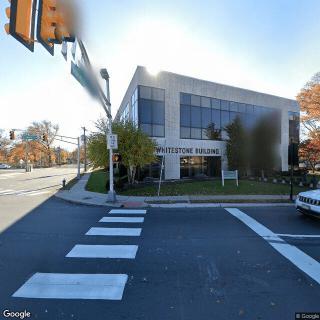




 Ten Vital Duties of a Senior Caregiver: A Comprehensive Guide
 9 Stimulating Memory Activities for Seniors: Puzzles, Cards, and Much More
 Managing Nursing Home Expenses After Medicare Coverage Ends