

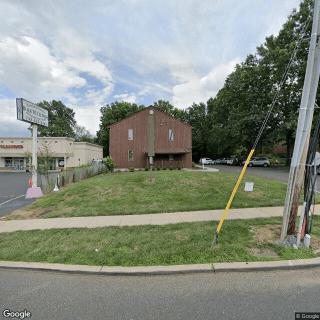
540 Bordentown Ave, South Amboy, NJ 08879
To contact a resident: (732) 553-1600
For more information about senior living options: (866) 208-4318
Overall Review of South Amboy Adult Day Health Care Center
Pros
 The staff are amazing—truly kind, warm, caring, and responsive.
- The center offers a wide range of activities, from small-group to large-group, with a recreational director and short trips.
- The nurse is thorough and comprehensive.
- The cooks prepare meals with love and accommodate dietary needs, including vegan options.
- The center is described as an oasis and a relief for families seeking care while returning to work.
- The staff are incredibly amazing for what they do there and have a strong positive impact.
- The facility is full of wonderful people who provide good service and thoughtful care.
- Parents report being very happy with the center and often come home smiling.
- It is a good place to socialize and go on trips, with computer access and bingo.
Cons
 The director Mary Ann is fake.
- The van drivers are rude and won’t let people sit, causing discomfort.
- There is favoritism toward some clients and disrespect toward others.
- The program discharged the member on hearsay without discussing the incident.
- The program forced the member to switch all doctors to their facility and made false accusations.
- Appointments with doctors, the dentist, and the eye doctor were delayed.
- Transportation was unreliable; drivers refused pickups and staff lied about problems.
- The van operations risked disabled clients by driving on ice and snow.
- There is phoniness in the program.
- Outings require personal funds and are the only perceived benefit.
- The bathrooms are disgusting, old, and dirty.
- Some drivers drive too fast, which is dangerous.
- The facility lacks transportation for wheelchair users, limiting outings.
Review
South Amboy Adult Day Health Care Center is best suited for families seeking a socially rich, caregiver-friendly daytime option where a loved one can engage in regular activities, enjoy meals prepared with care, and receive attentive personal support. The program clearly shines in the human touch: a warm, responsive staff, ongoing opportunities for small and large group activities, and recurrent outings that foster a sense of community. For a parent or spouse who benefits from structure, routine, and meaningful interaction, especially someone recovering from a brain injury or someone who simply needs daily social engagement, this center presents a compelling, practical framework. The open-door schedule, including Sunday through Friday activity possibilities, strengthens its appeal for caregivers who must balance work and caregiving duties.
On the positive side, the core strength lies in the people who staff and run the day program. From the nurse who delivers thorough, patient-focused care to the cooks who tailor meals to dietary needs, the center projects a culture of genuine care. The activities program is not a gimmick; it includes varied formats, from small group to large group sessions, and the recreational director coordinates short trips that offer real-life engagement beyond the four walls. For families, this translates into real value: a reliable routine, social stimulation, and a respite that allows caregivers to return to employment or other commitments with greater peace of mind. The testimonials about being “a second family” and about staff going the extra mile underscore the practical benefit for those who value warmth as part of daily care.
Yet the negatives cannot be dismissed, and they significantly color the decision calculus. Several reviews point to serious administrative and interpersonal friction, most notably, concerns about a director who comes across as dismissive or partial in her dealings with clients. The sense that discharges can be arbitrary or based on personal dynamics creates a troubling backdrop for families choosing long-term placement. Transportation, a linchpin for any day program, is repeatedly flagged as a weak link: rude or inconsistent van drivers, delays or failures to pick up, and a feeling that staff sometimes “talk behind backs” rather than solving problems. The physical plant surfaces as a downside too, with reports of very old, dirty bathrooms that contrast sharply with the otherwise caring staff and active programming. These operational shadows are real and nontrivial for families weighing daily participation.
Taken together, the favorable elements, staff warmth, robust activity offerings, meaningful meals, and practical caregiver relief, do offset some of the program’s downsides, but not all. The human-centric strengths directly address motivation, social needs, and daily routine, which are critical for many participants and for the peace of mind of working family members. However, inconsistencies in leadership approach, coupled with transportation reliability and maintenance concerns, undermine confidence in the program’s ability to consistently deliver a smooth, predictable experience. For families counting on dependable scheduling, punctual doctor and specialist access, and a transparent administrative process, these gaps can overshadow even a strong social program.
Given these dynamics, certain families should actively consider alternatives. Those who require highly reliable, wheelchair-accessible transportation to outings or medical appointments will want a program with a proven, non-negotiable commitment to accessible mobility. Families needing strict, fair, and fully transparent administrative handling, especially around admissions, discharges, and staff interactions, may prefer environments with a clearer, more consistent leadership approach. If there is a history of medical coordination being sluggish or inconsistent, or if the expectations around physician, dentist, and eye-care appointments must be met promptly, it is prudent to explore other options before committing.
For families who still see value in this community, concrete steps can sharpen the decision. Schedule a tour and ask to meet directly with the administrative leadership to discuss transportation policies, discharge criteria, and how medical appointment coordination is managed day-to-day. Observe a typical activity period and speak with direct caregivers about how they handle challenging behaviors, safety concerns on transports, and the handling of complaints. Verify the current state of facilities, especially restrooms, and request specifics about ongoing maintenance plans. In sum, South Amboy Adult Day Health Care Center offers a genuinely caring, activity-rich environment that can illuminate a caregiver’s load and enrich a loved one’s days, provided transportation reliability and administrative consistency align with the family’s nonnegotiables. For those whose needs center on consistent logistics and transparent governance, alternatives may yield more predictable outcomes; for others, the center represents a practical, compassionate option that delivers meaningful daily engagement and a supportive community.
 Day Program
 Newark International (16 miles away)




 Comprehensive Look at Senior Blood Pressure Charts: Normal and Elevated Levels by Age
 Top Canine Companions for Older Adults
 Comprehensive Guide to Blood Pressure Charts for Older Adults: Understanding Normal and High Readings by Age