
Gondek Drive, Sayreville, NJ 08859
For more information about senior living options: (866) 208-4318
Overall Review of Regents Wharf
Pros
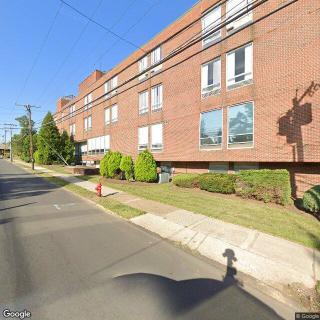
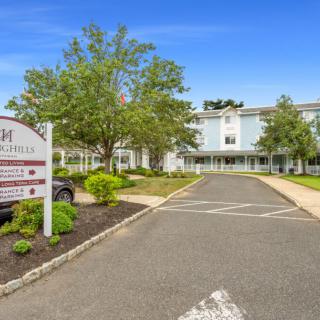
 The homes and areas are beautiful and serene.
- The owner of the town home is a wonderful person.
- The houses are awesome and the community is awesome.
- It is a great and beautiful place to live.
Cons
 The residents are not receptive to all people.
- There is a lack of diversity within the community.
- The residents harassed the reviewer’s family to push them out.
Review
Regents Wharf is best suited for seniors or families who prize a pristine, modern living environment and a quiet, well-kept setting. The homes and common areas are described as beautiful and serene, delivering an immediate sense of privacy and order. This is the kind of place where curb appeal and contemporary design matter, and where residents can enjoy a polished, low‑stress backdrop for daily life. The caveat is that the social climate matters just as much as the physical space: the community can feel tight-knit in ways that favor familiarity over inclusivity, especially for newcomers or those who don’t fit a certain mold.
Those who should consider alternatives are families and individuals who value broad inclusivity, a welcoming resident culture, and robust social integration. If a sense of belonging and ease of social navigation are non-negotiables, particularly for new residents, mixed-age caregiving teams, or households with diverse backgrounds, the experience at Regents Wharf may not align with those priorities. Prospective residents should also weigh whether the level of on-site support and organized programming meets evolving assisted-living needs, rather than relying primarily on a residential townhome model.
The strongest positives are aesthetic and environmental: new-looking townhomes, well-kept grounds, and a serene atmosphere that can reduce daily stress and create a predictable routine. These elements translate into a tangible sense of safety and pride in ownership or tenancy, making everyday living feel orderly and comfortable. However, these advantages do not fully compensate for a social environment that some residents describe as unwelcoming or intolerant of outsiders. The tension between beauty and belonging becomes the deciding factor for many families, if the latter is uncertain, the appeal of the former may quickly fade.
On balance, the community earns solid ratings for its appearance and perceived quality of living, but the social climate undermines its value for many. Reviews show a split: a majority praise the setting and homes, while a notable minority report experiences that range from discomfort to outright harassment aimed at pushing families out. The presence of harassment claims is a red flag for households seeking stability and long-term comfort, especially where intergenerational interaction and resident diversity are part of daily life. In short, the physical package is compelling, but the cultural package requires careful scrutiny.
For decision-making, visit with a clear checklist: ask about resident diversity and inclusion initiatives, observe interactions during tours, and probe how conflicts are handled by management. Speak with current residents about welcome practices for newcomers, and request specific examples of how diversity is fostered in social events and daily life. If possible, tour at different times to gauge the cadence of activity and the temperament of the community. If the answers lean toward exclusivity or if reports of pressure or harassment reemerge, treat those signals as material redeployment factors. The strongest path is to reserve Regents Wharf for households that can tolerate, or even embrace, a tight-knit environment, while keeping a contingency plan in case social dynamics prove misaligned.
Ultimately, Regents Wharf presents a practical choice for those prioritizing physical beauty, quiet, and modern townhome living, with a caution: the social climate can decisively tilt the experience. For families who prize inclusivity, proactive community management, and a welcoming, varied resident mix, alternatives in Sayreville or nearby communities may offer a better fit. The owner-tenant relationship highlighted by some residents can ease friction in rental arrangements, but it should not be mistaken for a comprehensive, resident-wide culture of support. The practical conclusion is straightforward: if the social atmosphere aligns with expectations for warmth and openness, the setting is compelling; if not, pursue options that foreground belonging, inclusive practice, and consistently welcoming neighborhoods.
 6 resident community capacity
 Active Adult Communities (55+)
 Housekeeping services
 Telephone
 Wi-Fi/high-speed internet available
 Newark International (17 miles away)
 Assistance with dressing
 Meal preparation and service
 Medication management
 Diabetes diet
 Special dietary restrictions



 Recognizing the Journey: Understanding and Navigating Anticipatory Grief
 Encouraging Participation in Adult Day Care: A Guide to Supporting a Hesitant Parent
 Comprehensive Exploration of Living Wills and Other Advance Directives