
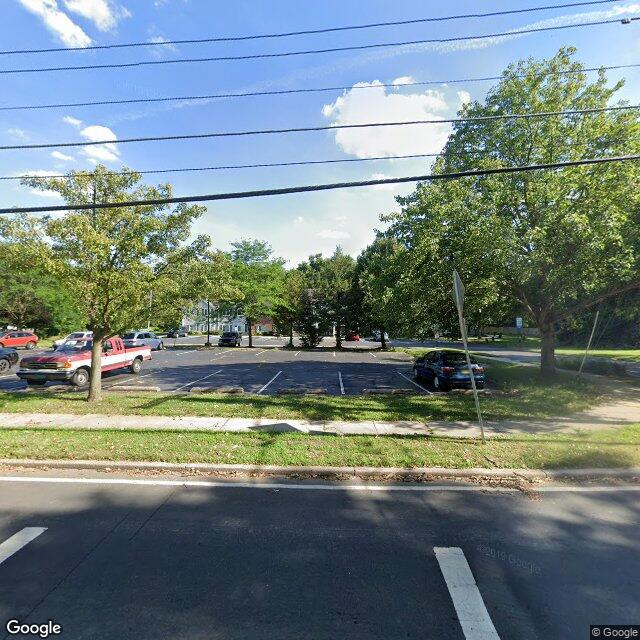
1340 Hornberger Ave, Roebling, NJ 08554
To contact a resident: (609) 499-7789
For more information about senior living options: (866) 208-4318
Overall Review of Roebling Arms
Pros
 Roebling Arms is described as wonderful.
- The place is considered a very nice place.
- They hope to call Roebling Arms home soon.
- The assisted living is attractive to wheelchair-bound residents.
Cons
 Staff discouraged him from applying after learning his financial situation, implying he might be overqualified for the place.
- The facility reportedly required letters from lawyers stating that he would surrender possessions, a demand they did not wish to fulfill.
Review
Roebling Arms in Roebling, New Jersey is best suited for seniors who want assisted living with a strong emphasis on accessibility and staying close to family. The community appears well-matched to residents who need mobility support and daily assistance without surrendering a sense of independence. Prospective residents speak to a pleasant, inviting environment where people look forward to calling Roebling Arms home and continuing to live on their own, with just the right level of structured support. For families prioritizing proximity to a son or daughter and a practical, home-like setting, this community offers a straightforward path to manageable daily living.
At the same time, several red flags justify looking at alternatives. The admissions vibe in the reviews hints at gatekeeping based on financial status, with staff reportedly discouraging an applicant once financial circumstances came to light. The notion that lawyers’ letters asserting surrender of assets might be required signals a rigidity that may not sit well with every family. For households navigating complex finances or preferring transparent, flexible intake policies, other communities with clearer admissions criteria and less transactional gatekeeping are worth evaluating. These financial wrinkles can undermine trust even when the care environment otherwise aligns with needs.
The strongest pro is the environment’s accessibility and suitability for wheelchair users. The facility’s design and services seem oriented toward mobility challenges, which translates into smoother daily routines, safer navigation, and easier participation in activities for residents who rely on mobility aids. When a loved one’s independence hinges on reliable help with tasks and predictable safety, these features weigh heavily in favor of Roebling Arms. Yet the specter of a restrictive admissions stance tempers the overall value, because trust in the willingness to accommodate individual financial and care stories is foundational to choosing the right home.
Beyond accessibility, the social and logistical upside centers on proximity to family and the possibility of living independently within a supported framework. The sentiment, that Roebling Arms feels like a place one could call home and that living on one’s own is still feasible with assistance, points to a balanced model: personal autonomy paired with access to help. For seniors who fear losing autonomy in more institutional settings, this mix can translate into better mood, more stable routines, and stronger connections with loved ones through regular visits. When paired with practical amenities, the independence-on-call dynamic becomes a meaningful differentiator.
However, the admissions dynamics can’t be ignored in a final decision. Families should push for explicit, written policies on eligibility, waitlists, and what exactly is required of applicants. Inquiries should cover what surrender of assets entails, whether there are alternative pathways for those with different financial arrangements, and how flexible the process remains if circumstances evolve. Tours should pair conversations with admissions staff with candid chats with current residents about how open staff feel when requests for additional services or clarification arise. A lack of transparency in these areas remains a serious drawback that can derail even a well-matched fit.
In the end, Roebling Arms presents a credible option for wheelchair-accessible assisted living near Roebling, with a clear emphasis on independence within a structured support system. It is well worth serious consideration for families with solid financial footing who prize proximity to loved ones and the reassurance of accessible daily life. For others, especially those wary of admissions rigidity or uncertain about long-term financial arrangements, alternatives that demonstrate transparent policies and a warmer, more flexible intake culture should be compared side by side. The prudent path is a thorough tour, direct questions about care levels and costs, and conversations with current residents to gauge how well the atmosphere matches expectations. When due diligence is done, Roebling Arms can function as a dependable home that preserves autonomy while delivering essential assistance.
 Active Adult Communities (55+)
 Trenton-Mercer County (11 miles away)


 Caregiver Exhaustion: Recognizing the Signs and Restoring Your Well-Being
 Understanding Hospice Care at Home: Comprehensive Services, Key Benefits, and Eligibility
 Understanding the Full Cost of 24/7 In-Home Care: A Detailed Overview