For more information about senior living options: (866) 208-4318
3.8 from 122 reviews
5 stars
77
4 stars
9
3 stars
5
2 stars
2
1 stars
29
Overall Review of PowerBack Rehabilitation - Piscataway
caveat
Staff care varies a lot
Reviews describe a wide gap between good care and serious breakdowns.
Many reviewers praise nurses, CNAs, therapy, and other team members as kind, attentive, and supportive. Others report delayed responses to call buttons, missed or late medication, inadequate toileting help, and patients left waiting for hours. Several comments also point to staffing coverage as a key factor behind these problems, with some shifts described as better than others. If you’re considering care here, reviewers suggest paying close attention to responsiveness and consistency once your loved one is settled.
common
Rehab and therapy outcomes
Residents and families often mention therapy progress, along with concerns about consistency.
A number of reviews say physical, occupational, and speech therapy were helpful and that patients made progress or felt stronger over time. Some reviews also call out specific therapy staff members as particularly effective. At the same time, other reviewers report missed or limited therapy sessions, therapy that ended early, or problems receiving the amount of rehabilitation they expected. Overall, the reviews suggest therapy experience can depend heavily on day-to-day delivery.
caveat
Communication and follow-through
Reviews repeatedly raise issues with communication and follow-through.
Some families describe being kept updated and feel supported by nursing leadership and the care team. Others describe difficulty reaching staff by phone, lack of call-bell responsiveness, and complaints that don’t appear to be followed up. Several comments also mention paperwork, discharge logistics, or care coordination as frustrating when planning next steps. Taken together, the reviews emphasize that day-to-day responsiveness and consistent updates are uneven.
common
Clean rooms and facility appearance
Reviews are split on cleanliness and overall condition.
Many reviewers describe the facility as clean, spacious, and well kept, sometimes comparing it to a hotel, and several mention clean rooms and bathrooms. Other reviews describe the environment as dirty or filthy, including unpleasant odors and housekeeping concerns. A few comments also point to housekeeping and bathroom cleanliness as specific areas needing improvement. Overall, cleanliness comes through as a strength for some, but a recurring concern for others.
caveat
Food quality and diet needs
Meal experience is inconsistent, especially for timing and diet accuracy.
Some reviewers say the food was good and that staff tried to accommodate food allergies or diet needs. Others describe meals arriving late or cold, food tasting poor, or nutrition not aligning with conditions like diabetes. A few comments also mention concerns about diet follow-through, alongside other caregiving delays. The community does list diabetes-diet and special dietary restriction support, but the reviews show results can differ from one stay to another.
How we summarize
We summarize when many written reviews mention each theme; a review can touch several themes, and only frequently mentioned themes are displayed.
Features
Housing
21 resident community capacity
Types of Care
Assisted Living
Skilled Nursing Facility
Amenities
Beauty salon
Cable or satellite TV
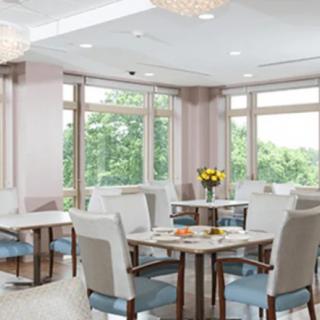
Dining room
Fully furnished
Garden
Housekeeping services
Kitchenette
Move-in coordination
Outdoor space
Telephone
Wi-Fi/high-speed internet available
Transportation
Newark International (19 miles away)
Care Services
24-hour call system
24-hour supervision
Activities of daily living assistance
Assistance with bathing
Assistance with dressing
Assistance with transfers
Coordination with health care providers
Diabetes diet
Meal preparation and service
Medication management
Mental wellness program
Special dietary restrictions
Transportation arrangement (medical)
Transportation to doctors appointments
Dining
Diabetes diet
Special dietary restrictions
Activities
Community-sponsored activities
Scheduled daily activities
Nearby Places of Interest
Places of Worship
Muslim Center of Middlesex County (0.6 miles)
Somerset Presbyterian Church (2.1 miles)
Our Lady of Fatima Roman Catholic Church (3 miles)
Chinese Christian Church (3.2 miles)
The Parish Community of St Joseph (6.6 miles)
Pharmacies
Amneal Pharmaceuticals (1 miles)
Pharmscript (2.5 miles)
CVS Pharmacy (2.7 miles)
Walgreens (3.2 miles)
Walgreens (3.4 miles)
CVS Pharmacy (3.5 miles)
Walgreens (3.5 miles)
Restaurants
Somerset Diner (1.6 miles)
Chick-fil-A (2.5 miles)
McDonald's (2.8 miles)
Stage House Tavern (3.8 miles)
The Original Tastee Su (4.1 miles)
Edison Diner (4.3 miles)
McDonald's (4.9 miles)
Physicians
University Orthopaedic Associates (1.8 miles)
Cancer Institute of New Jersey (3.1 miles)
Johnson & Johnson (3.7 miles)
University Radiology Group PC (4.4 miles)
Medemerge (4.5 miles)
Princeton Dermatology Associates (5.6 miles)
University Radiology (5.8 miles)
Parks
Grandview School Play Ground (2.2 miles)
Columbia Park (3.8 miles)
Donaldson Park (3.9 miles)
Bicentennial Park (7 miles)
Ponderosa Farm Park (8.4 miles)
Cafes
Panera Bread (2.3 miles)
Starbucks (2.6 miles)
Panera Bread (3.4 miles)
Starbucks (3.9 miles)
Starbucks (5.6 miles)
Starbucks (6.8 miles)
Starbucks (8 miles)
Hospitals
Emergency Department, St Peter's University Hospital (2.6 miles)
Robert Wood Johnson University Hospital (3.2 miles)
Transportation
New Brunswick Train Station (3.2 miles)
NJT - Edison Station (3.6 miles)
NJT - Metuchen Station (6.1 miles)
New Jersey Transit - Metropark Station (8 miles)
Theaters
2220 Amc New Brunswic (4.6 miles)
Reading Cinemas Manville with TITAN LUXE (5.9 miles)
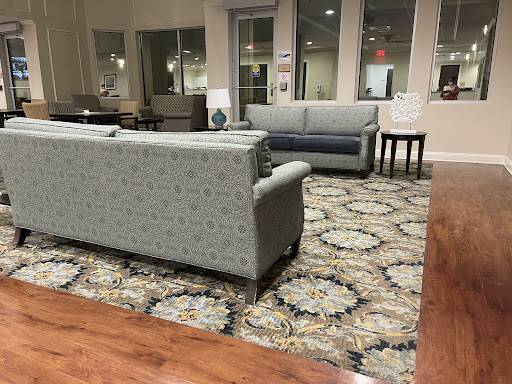
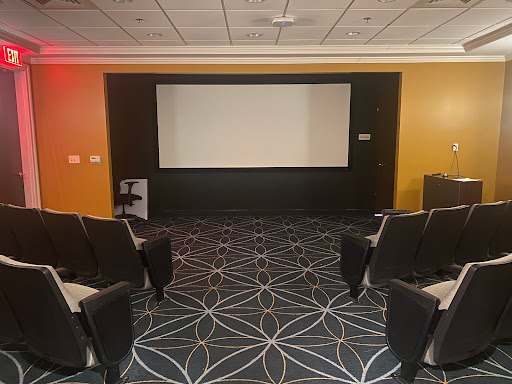
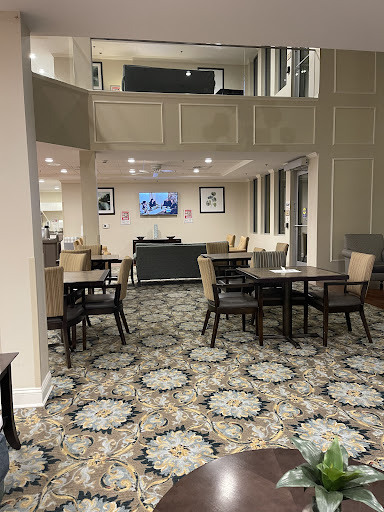
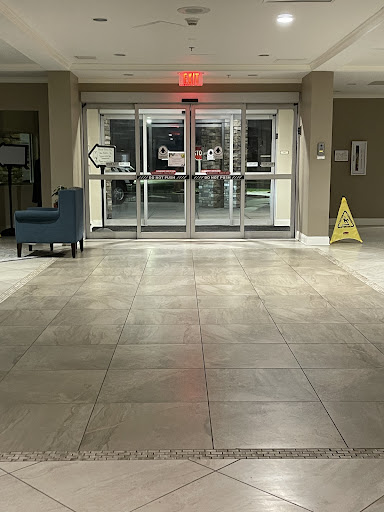
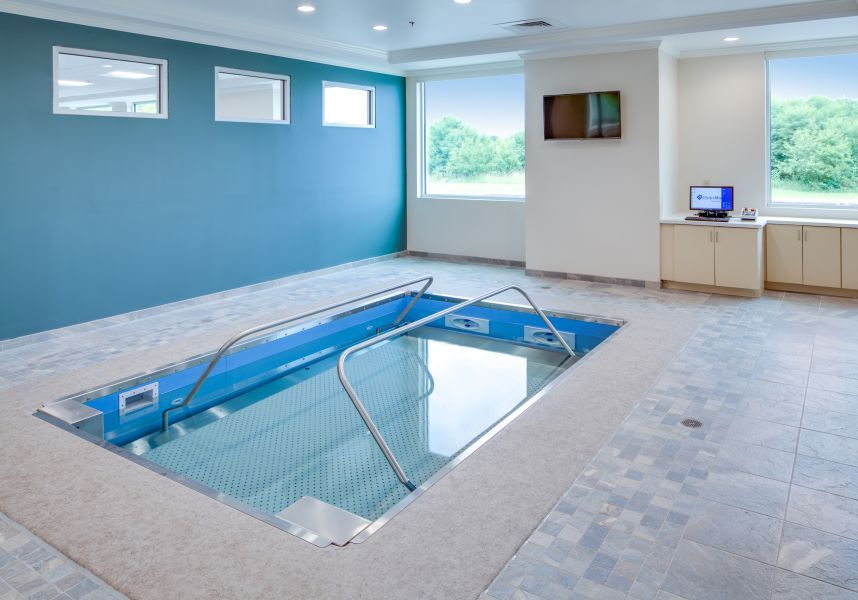
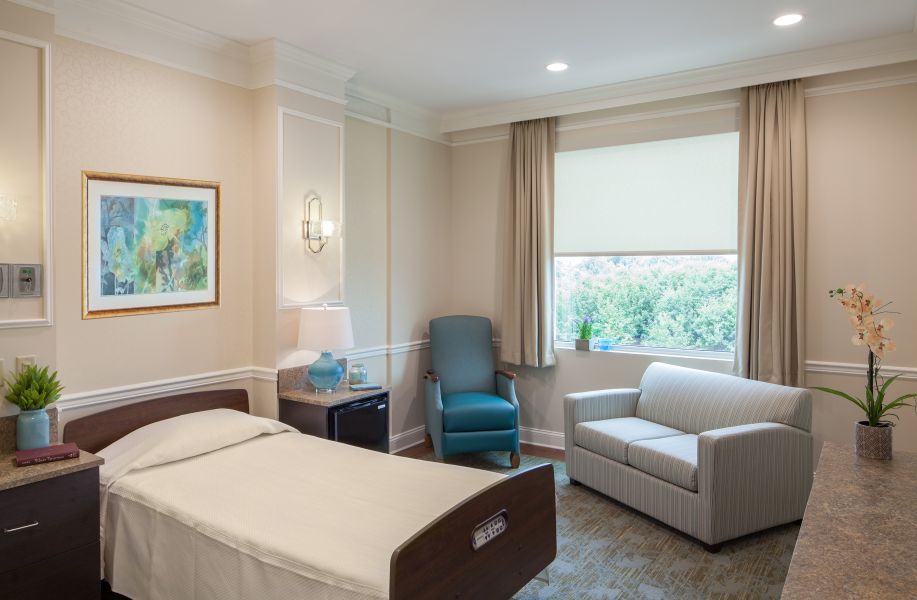
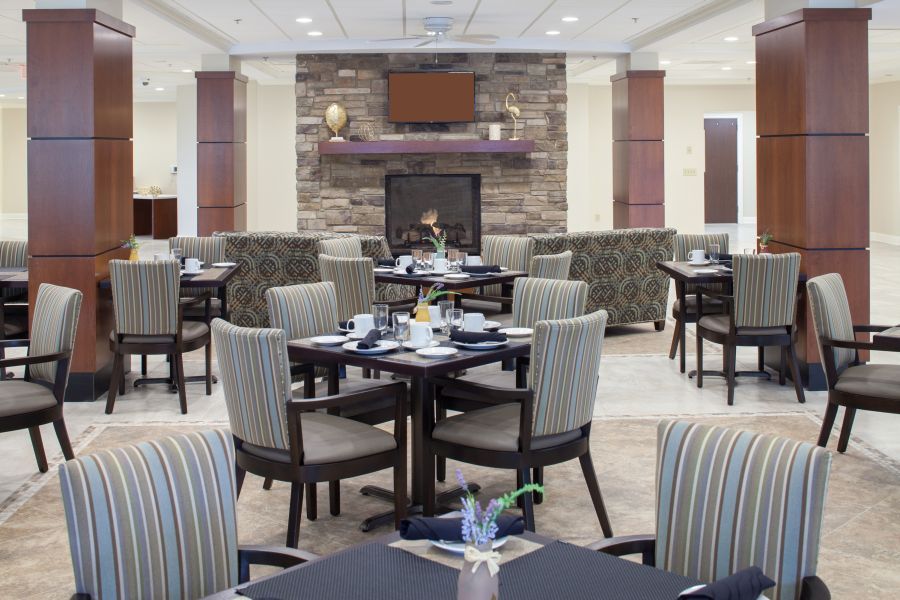
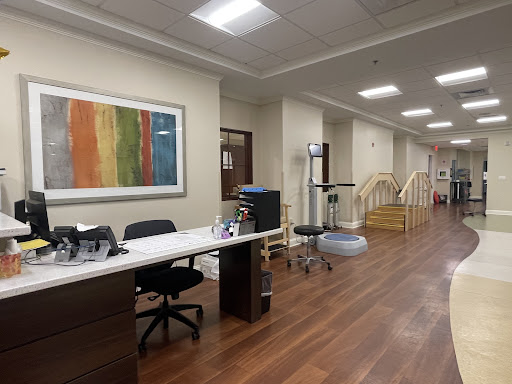
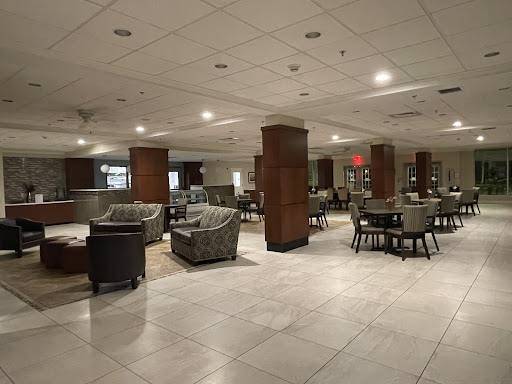
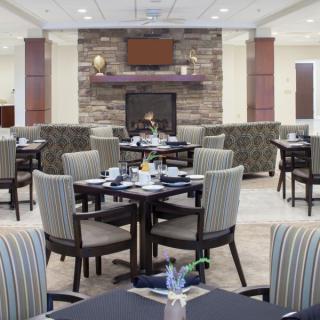
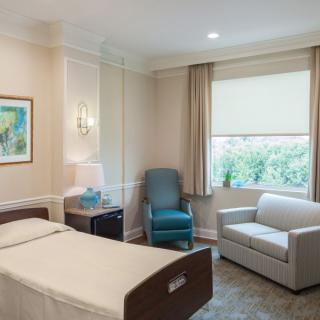
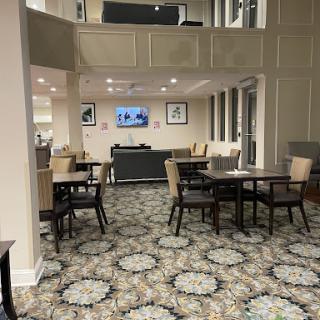
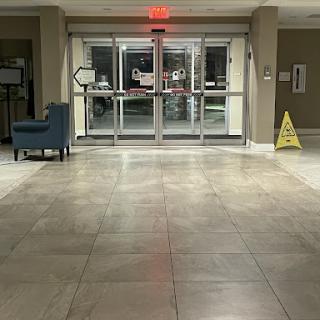
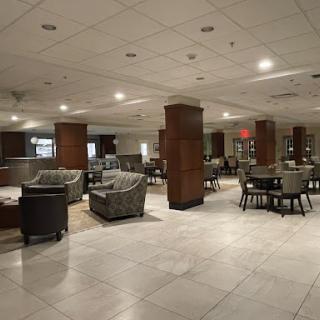
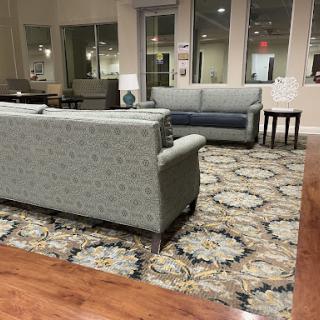
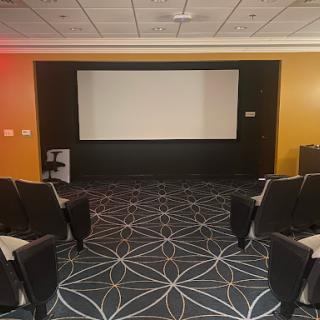
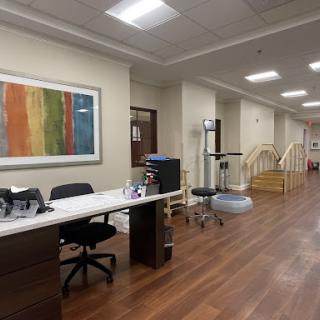
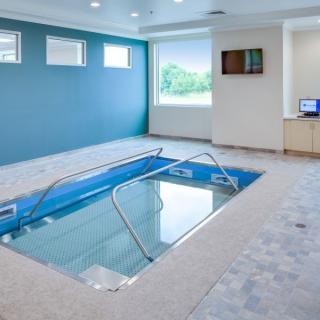
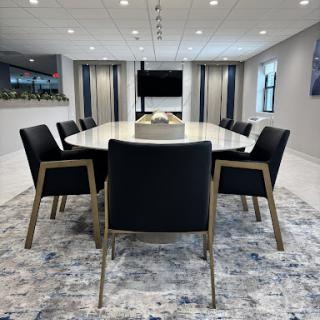
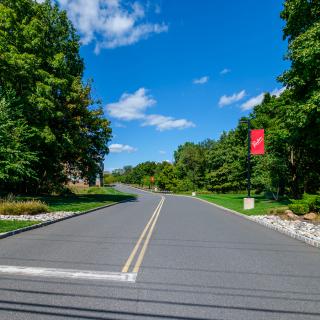
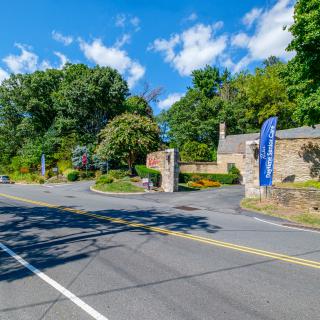
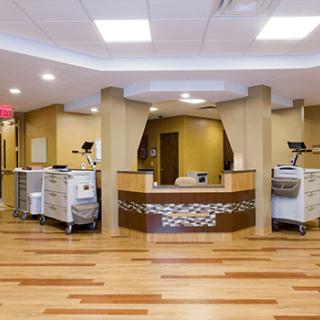
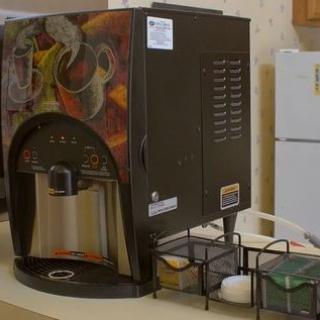
PowerBack Rehabilitation - Piscataway on seniors.fyi includes 9 photos including images showing interior, lobby, dining, reception area, theater, seating, bedroom, seating area, and more.
Nearby Communities
Sterling Village
Piscataway, NJ
4 from 2 reviews
Nearby dining, parks, pharmacies, healthcare, worship, and transportation.
Caring World & Health Services
Piscataway, NJ
4.3 from 6 reviews
Convenient location with nearby amenities and services.
Synergy HomeCare - North Central New Jersey/Piscataway, NJ
Piscataway, NJ
4.9 from 50 reviews
Strong access to nearby amenities and healthcare (cafes, parks, pharmacies, restaurants, physicians, places of worship, theater, hospitals).
Willow Creek Rehabilitation and Care Center
Somerset, NJ
24/7 supervision with ADL support and a broad amenity set (furnished apartments, kitchenette, Wi-Fi, dining, outdoor spaces).
Somerset Woods Rehabilitation & Nursing Center
Somerset, NJ
4.5 from 120 reviews
Comprehensive 24/7 care with extensive amenities and engaging activities.
Parker At Somerset
Somerset, NJ
4.2 from 97 reviews
Caring staff, clean modern facility, good dining, and engaging activities.
Parker At Stonegate
Highland Park, NJ
4.5 from 26 reviews
Caring, responsive staff in a clean, welcoming environment.
Somerset Woods Rehab and Nursing Center
Somerset, NJ
4.3 from 130 reviews
Clean, well-maintained facility with strong rehabilitation services and supportive nursing/therapy staff.
Stein Assisted Living
Somerset, NJ
4.7 from 9 reviews
Clean, homey environment with kosher dining, diverse housing options, and strong social/religious engagement.
The guide outlines the complexities of Medicaid coverage for assisted living, highlighting significant state-to-state variations, limited coverage often restricted to personal care services, and the existence of specialized waivers for certain needs like memory care. It advises families to consult local Medicaid offices for options while emphasizing the importance of understanding state-specific regulations and facility policies.
Medicaid coverage for assisted living varies by state and is primarily available to low-income individuals, with eligibility dependent on strict income and asset limits. Some states offer HCBS waivers for specific services in assisted living, but families must generally cover room and board costs, and should verify facility acceptance of Medicaid while considering potential waiting lists.
Medicaid waivers for assisted living services provide vital support for seniors and individuals with disabilities in need of long-term care, with varying state-specific eligibility criteria and benefits. These waivers cover personal care and case management but often do not fully cover room and board, leading to waiting lists for many applicants.
Rehabilitation, Swimming Pool, Fitness Center, and Indoor Pool
Theater and Design
Reception Area
Get PricingAsk A QuestionSchedule A TourContact Senior Advisor
By clicking submit, you agree to our Partner's Terms of Use. You
also consent to receive calls and texts, which may be autodialed, from our Partner. Your consent is not a condition to
using our Partner's service. Please visit our Partner's Privacy Policy for information about their privacy practices.

 21 resident community capacity
 Assisted Living
 Skilled Nursing Facility
 Beauty salon
 Cable or satellite TV
 Dining room
 Fully furnished
 Garden
 Housekeeping services
 Kitchenette
 Move-in coordination
 Outdoor space
 Telephone
 Wi-Fi/high-speed internet available
 Newark International (19 miles away)
 24-hour call system
 Activities of daily living assistance
 Assistance with bathing
 Assistance with dressing
 Assistance with transfers
 Diabetes diet
 Meal preparation and service
 Medication management
 Mental wellness program
 Special dietary restrictions
 Transportation arrangement (medical)
 Transportation to doctors appointments
 Nearby dining, parks, pharmacies, healthcare, worship, and transportation.
 Understanding Medicaid Coverage for Assisted Living: A Comprehensive Guide
 How and When Medicaid May Cover Assisted Living Costs
 A Detailed Exploration of Assisted Living Medicaid Waivers Across the United States