
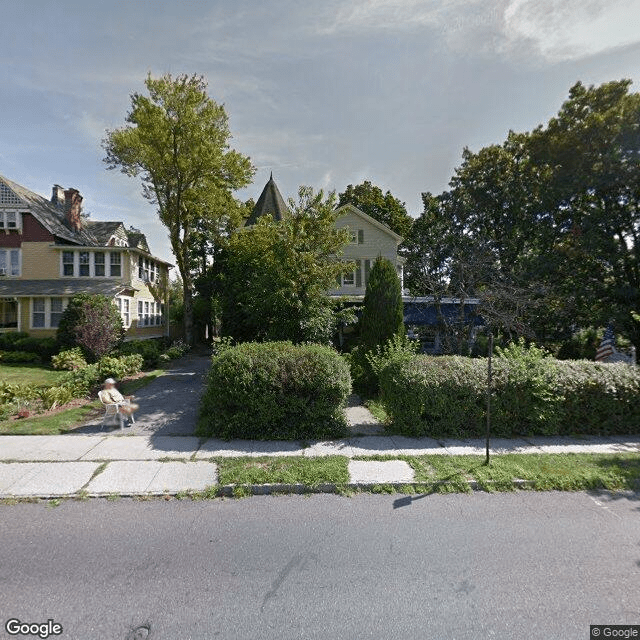
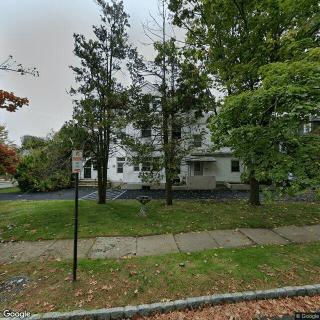
271 Claremont Ave, Montclair, NJ 07042
To contact a resident: (973) 746-5308
For more information about senior living options: (866) 208-4318
Essex Guest House of Montclair Costs & Pricing
Essex Guest House of Montclair offers competitive pricing for its accommodations compared to both Essex County and the broader New Jersey market. For a semi-private room, residents are looking at a monthly expense of $1,400, which is significantly lower than the county average of $3,966 and the state average of $5,068. Similarly, the private room option is priced at $1,500 - again presenting a more affordable choice relative to the county's average of $4,597 and the state's average of $5,799. These pricing structures reflect Essex Guest House's commitment to providing high-quality care while ensuring affordability in a region where costs can be quite elevated.
| Floor plans | Essex Guest House of Montclair | Essex County | New Jersey |
|---|---|---|---|
| Semi-Private | $1,400 | $3,966 | $5,068 |
| Private | $1,500 | $4,597 | $5,799 |
Senior living communities with a similar price nearby
-
from -$125 / mo

Senior Helpers Westchester
$1,275 to $6,900 / month22.0 miles away -
from -$175 / mo
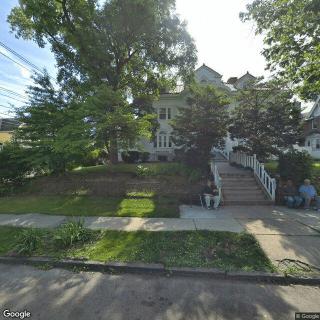
Chester Hill Adult Home
$1,225 to $1,317 / month21.3 miles away -
from -$87 / mo

Queens Adult Care Center
$1,313 / month18.3 miles away -
from -$125 / mo

The Heritage of Clara Barton
$1,275 to $1,831 / month20.7 miles away -
from +$250 / mo
Harbor Terrace
$1,650 / month14.0 miles away
Overall Review of Essex Guest House of Montclair
Pros
 The staff is good.
- The environment is comfortable for loved ones, and the owner is very cooperative.
- The facility is on a quiet street.
- The location is near stores, the library, other businesses, and bus lines.
Review
Essex Guest House of Montclair is best suited for families seeking a small, resident-focused assisted living option where staff reliability and a calm daily rhythm take precedence over a large programming slate. The community seems to work best for residents who value a quiet, home-like atmosphere, with attentive caregivers and a cooperative owner who can respond promptly to needs. Its Montclair location sits on a tranquil street while still offering convenient access to everyday conveniences, which helps sustain independence for residents who prefer not to relocate far from familiar neighborhoods. For families prioritizing personal attention and a low-stress environment, this setting fits well.
What stands out most in these reviews are the dependable staffing and the tangible sense that the owner is actively involved and cooperative. The repetition across comments, staff who are available and responsive, plus leadership that collaborates with families, suggests a predictable, family-friendly care dynamic. Residents appear to enjoy a comfortable, home-like atmosphere where caregivers can know them well. In practical terms, that combination often translates to smoother daily routines, fewer incidents of miscommunication, and quicker adjustments to changing needs, which can be a decisive advantage for seniors who thrive on consistency.
These strengths, in turn, offset certain gaps that naturally accompany smaller operations. A common trade-off in intimate settings is less emphasis on grand programming or rigid activity schedules, but the visible core strengths here, reliable staffing and a cooperative owner, help ensure basic daily life runs smoothly. The quiet street setting further dampens overstimulation and creates a sense of safety, while the nearby shops, library, and transit access enable residents to pursue regular outings without complicated arrangements. For families weighing peace of mind and practical stability, these elements collectively compensate for the absence of flashy amenities or formal activity rosters.
Location and environment deserve emphasis as practical enablers. Being tucked away on a quiet street reduces pass-through noise and busy streets that can exhaust more frail residents, yet the community remains comfortably embedded in a neighborhood ecosystem with convenient access to stores, libraries, and bus lines. This combination supports autonomy, shopping, library visits, brief social outings, without the need for continuous organized programming. In real-world terms, families gain predictability in care routines while preserving meaningful opportunities for independent or semi-supervised activities, which is a meaningful win for many seniors.
Nonetheless, families should explicitly consider what may be missing relative to larger or more specialized communities. The reviews provide little detail about clinical oversight, memory care options, or the depth of on-site medical services. There is also no clear information about meal quality, activity variety, or transparent pricing. For residents who require robust medical management, dementia-specific programming, or a structured continuum of care, these omissions are material. Prospective residents should insist on a transparent tour and direct questions about care plans, level of physician involvement, medication management, and emergency protocols before deciding.
In deciding whether Essex Guest House fits, the decisive factor is care intensity aligned with personal expectations. For families prioritizing dependable staff, a peaceful, home-like setting, and convenient neighborhood access, this community offers strong, credible advantages. It delivers a grounded, practical experience where daily living is predictable and responsive to individual needs. However, if a resident requires more intensive medical oversight, specialized memory care, or a facility with a more expansive amenities roster and clearer pricing, alternatives that scale care up to those standards will likely serve better. For the right profile, Essex Guest House is a solid, low-drama choice worth pursuing.
 Board and Care Home
 Activities off-site
 Indoor common areas
 Private
 Respite or short term stays offered
 Wheelchair accessible showers
 Newark International (9 miles away)
 Ambulatory care
 Diabetic care
 Meals provided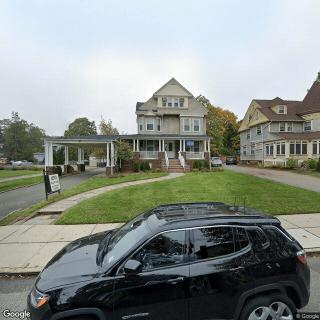




 Fecal Incontinence in Older Adults: A Comprehensive Guide
 Recognizing the Journey: Understanding and Navigating Anticipatory Grief
 Encouraging Participation in Adult Day Care: A Guide to Supporting a Hesitant Parent