
1719 West Main Street, Millville, NJ 08332
For more information about senior living options: (866) 208-4318
Overall Review of Maurice House, A Juniper Village
Pros
 The staff are awesome.
- The facility was very clean.
- The people were very friendly.
- The staff are very good and friendly, and answer questions.
- The food is getting much better.
- It is a very nice assisted living facility.
- The staff are very caring and dedicated.
Cons
 The food was not very good and has reportedly gotten worse.
- The kitchen and menu were in need of a better chef and improvements for residents.
- Some staff reportedly had issues sharing medical information with the hospice provider.
- Behind-the-scenes caretakers were mean.
- The facility prevented family members from staying with their loved ones overnight during hospice, leaving them alone.
- Visiting was conducted only at the room window, which was very confusing for the patient.
- The staff did not encourage residents to drink sufficient fluids, causing dehydration.
- Staff failed to recognize the true severity of illness, allowing double pneumonia which led to death.
- The medication information could not be disclosed to the patient’s medical POA.
- The fees were very expensive considering the lack of care, and the reviewer would not recommend the facility.
Review
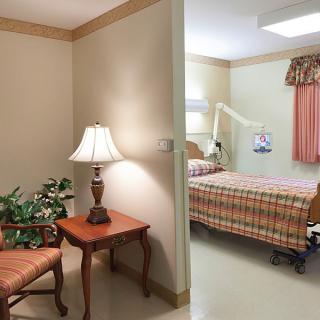
Maurice House, A Juniper Village in Millville, NJ is best suited for families seeking a warm, person-centered assisted living where staff accessibility, daily routine, and social engagement drive day-to-day life. The community tends to attract residents who respond well to friendly, attentive caregivers, predictable schedules, and an environment that feels clean and home-like. Morning exercise programs, a well-appointed common room, and opportunities for informal social connections are consistent positives that help residents settle in and stay engaged. For seniors who prioritize human connection, consistent staffing presence, and a sense of community over clinical intensity, Maurice House stands out as a sensible, workable option.
Those weighing alternatives should consider whether a highly medicalized, highly transparent care environment is essential. Several reviews flag concerns around medical information sharing, privacy, and end-of-life communication, suggesting that families who demand flawless, always-on medical oversight may want to compare options. The experience described by some families includes moments where confidentiality and timely updates were questioned, and where visiting and monitoring during distressing health periods felt restricted or opaque. Additionally, the facility’s cost is noted as substantial, which can intensify the sting if care gaps persist. Families dealing with complex or rapidly changing medical needs should scrutinize whether another community can deliver more rigorous oversight and clearer lines of communication.
The strongest positive thread runs through staff engagement: caregivers are described as caring, friendly, and responsive, with questions answered and introductions made to team members and residents alike. Cleanliness and a welcoming physical environment reinforce a sense of stability and safety. The program also highlights social warmth, events, invitations to gatherings, and opportunities to connect with other residents, which translates into better overall quality of life for many residents. These pros create a solid foundation for daily living, reducing anxiety for both residents and families who value dependable, personable care, even if other shortcomings exist.
On the downside, the most persistent criticisms center on food quality and nutrition management, alongside some highly concerning anecdotes about dehydration and delayed recognition of illness. Several reviews note meals that are cold or undercooked, with an expectation that menus and chefs will elevate dining experiences. Fewer reviewers explicitly document acute medical missteps, but the cited stories about dehydration, intense concerns around end-of-life care, and mixed messages about medical information create a sobering backdrop. The combination of expensive fees and uneven care quality means dining and medical communication are non-negotiables for families, and any gaps in those areas will weigh heavily against Maurice House.
Still, the post-takeover landscape appears to offer some improved momentum. When some reviewers recount a period of transition, others report that food quality has begun to improve and that the staff remains a dependable strength. The sense that management is listening and implementing changes matters: it shifts Maurice House from a cautionary option to a potentially solid fit for families who can verify ongoing progress in both cuisine and communication. The clean, friendly environment, along with a track record of accessible staff and meaningful activities, provides a credible path to a positive lived experience, provided expectations stay aligned with real-time improvements.
The bottom line for decision-making is practical and clear. Maurice House suits families who prize a supportive, engaging community with dedicated staff and a clean, pleasant setting, and who can tolerate imperfect dining and occasional communication hiccups, especially if there is confidence in ongoing improvements and cost remains justifiable. For those whose top priorities are impeccable medical oversight, transparent, proactive care plans, or gourmet dining, alternatives demand exploration. Prospective families should visit with questions about current meal service, resident hydration protocols, and the status of information-sharing practices, then size up whether the community’s recent trajectory aligns with the care standard they require.
 47 resident community capacity
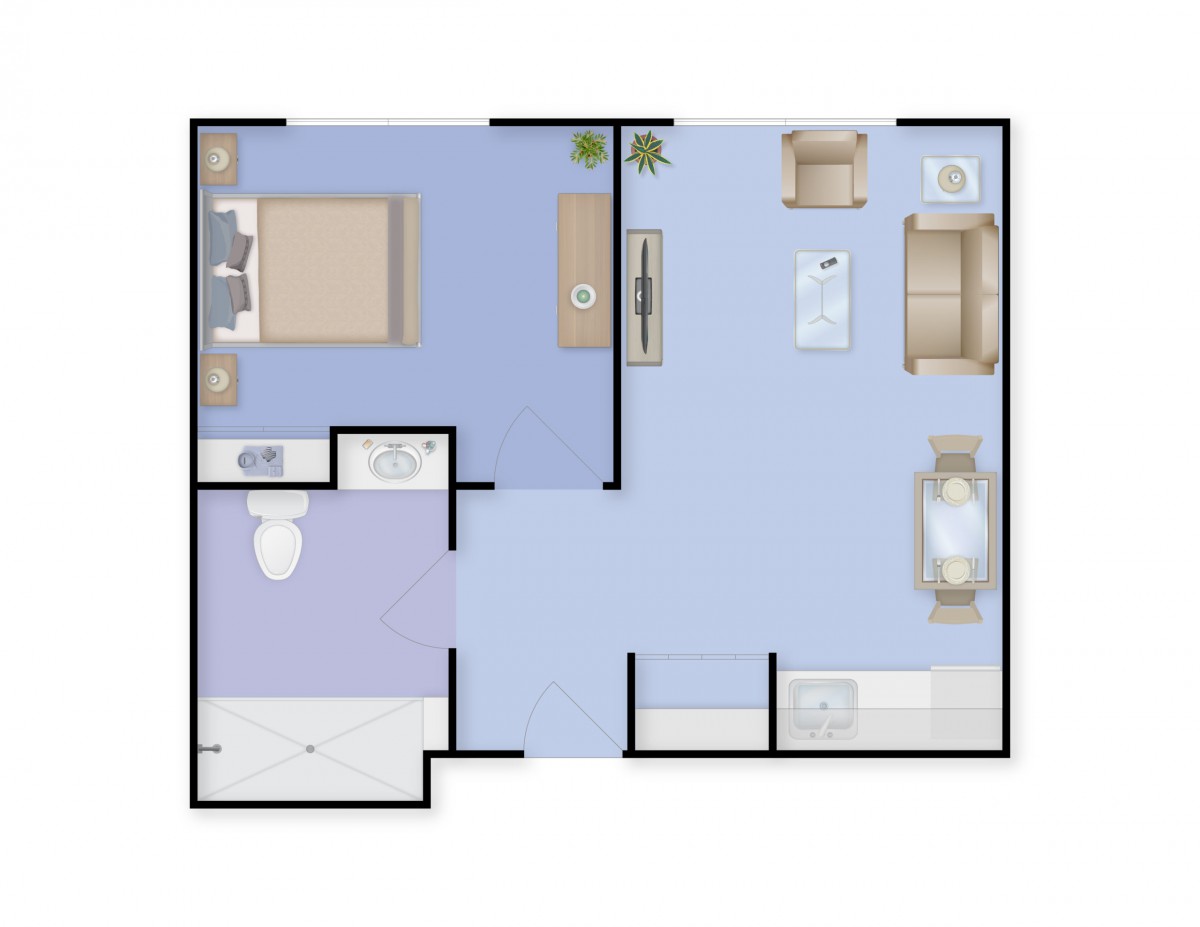
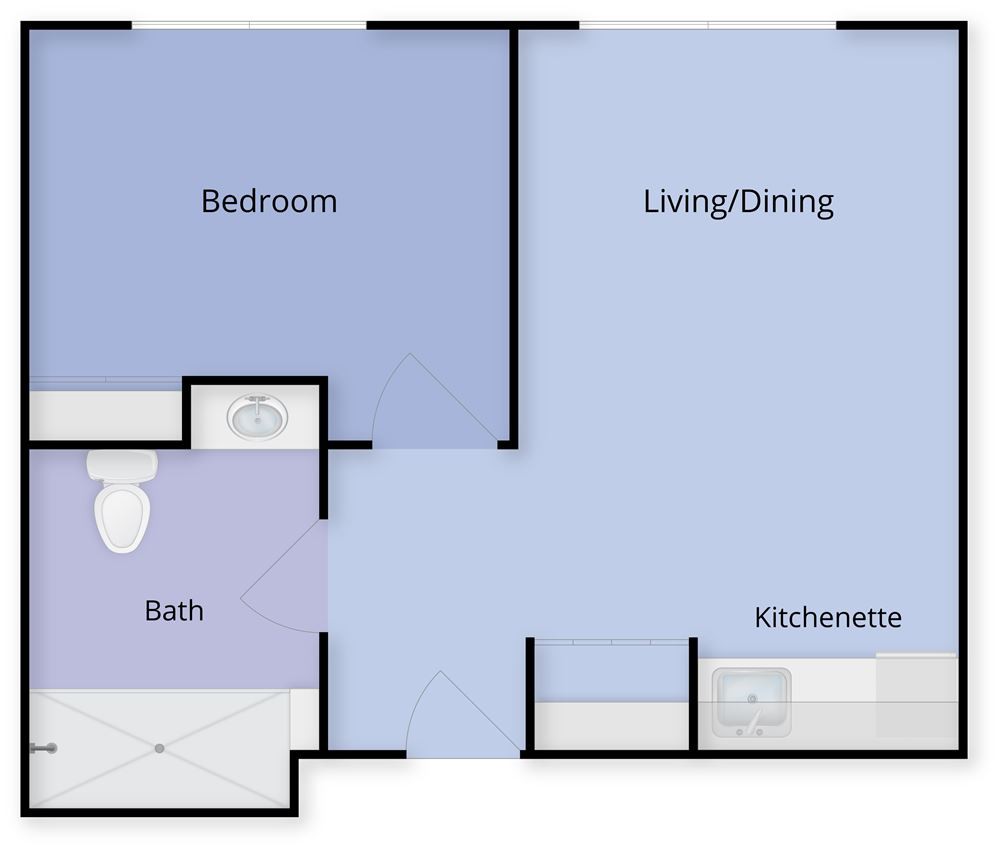
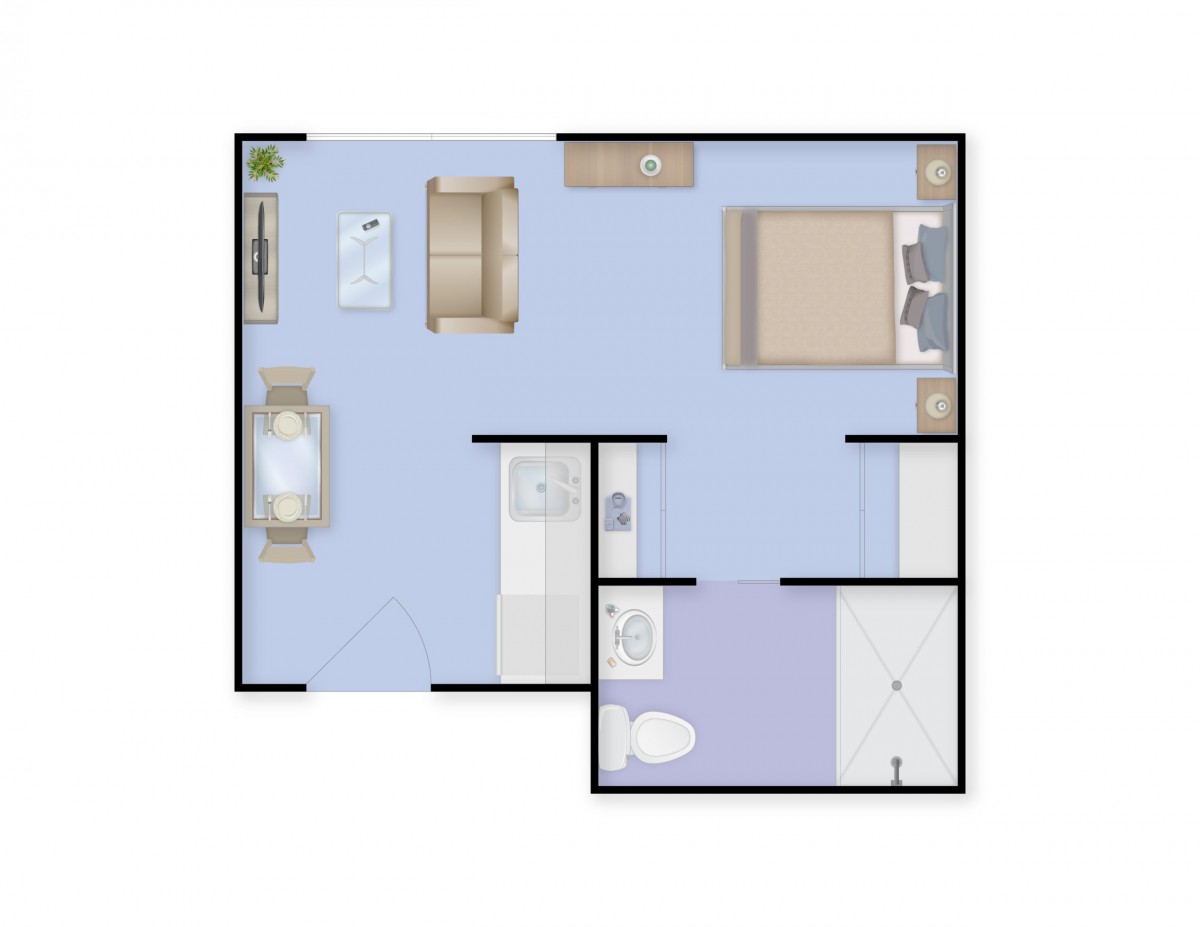
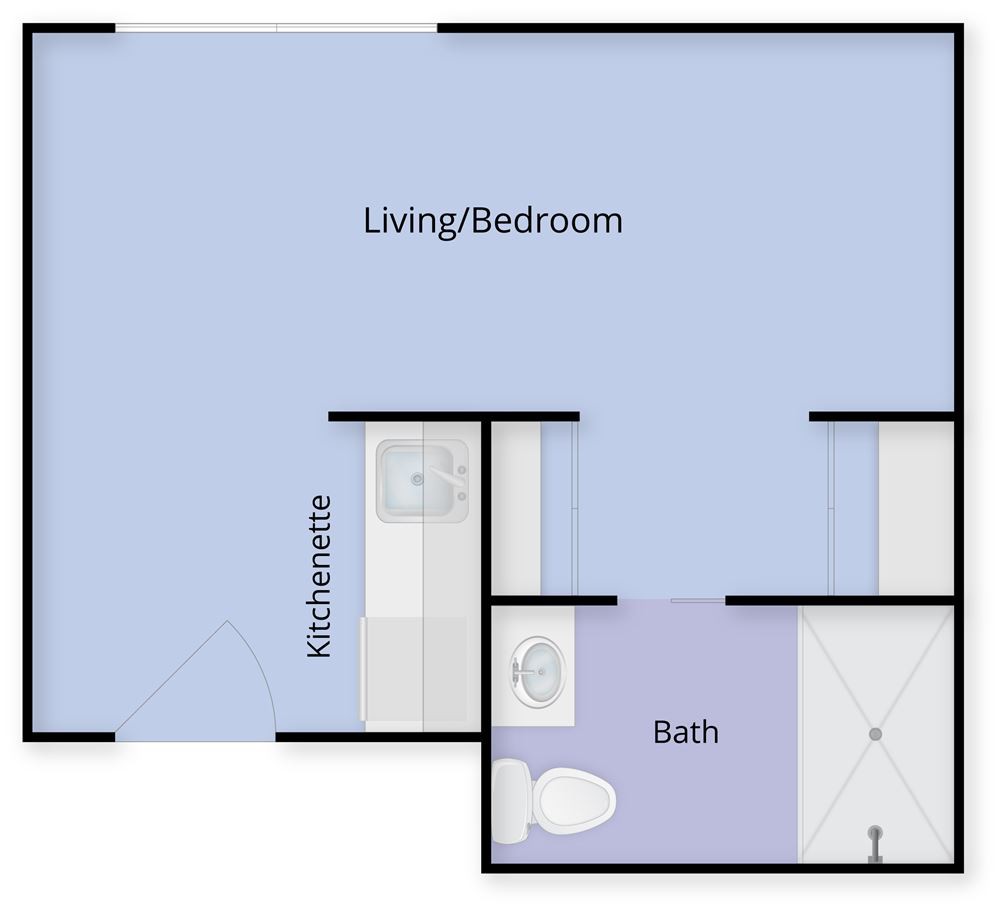
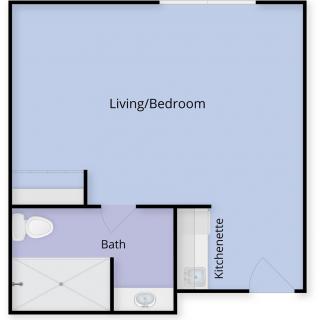
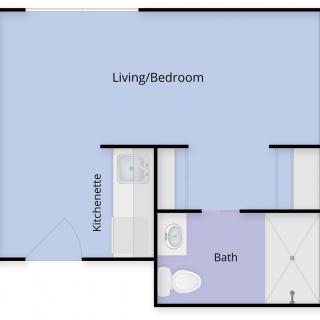
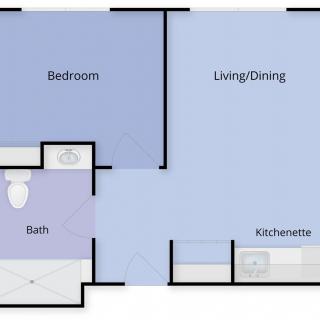
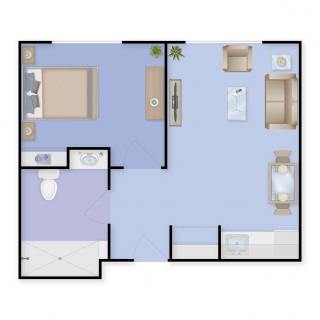
 1-bedroom apartments
 Assisted Living
 Respite Care
 Beautician on-site
 Cable or satellite TV
 Cafe
Cafe Dining room
 Fully furnished
 Garden
 Guest parking
 Housekeeping services
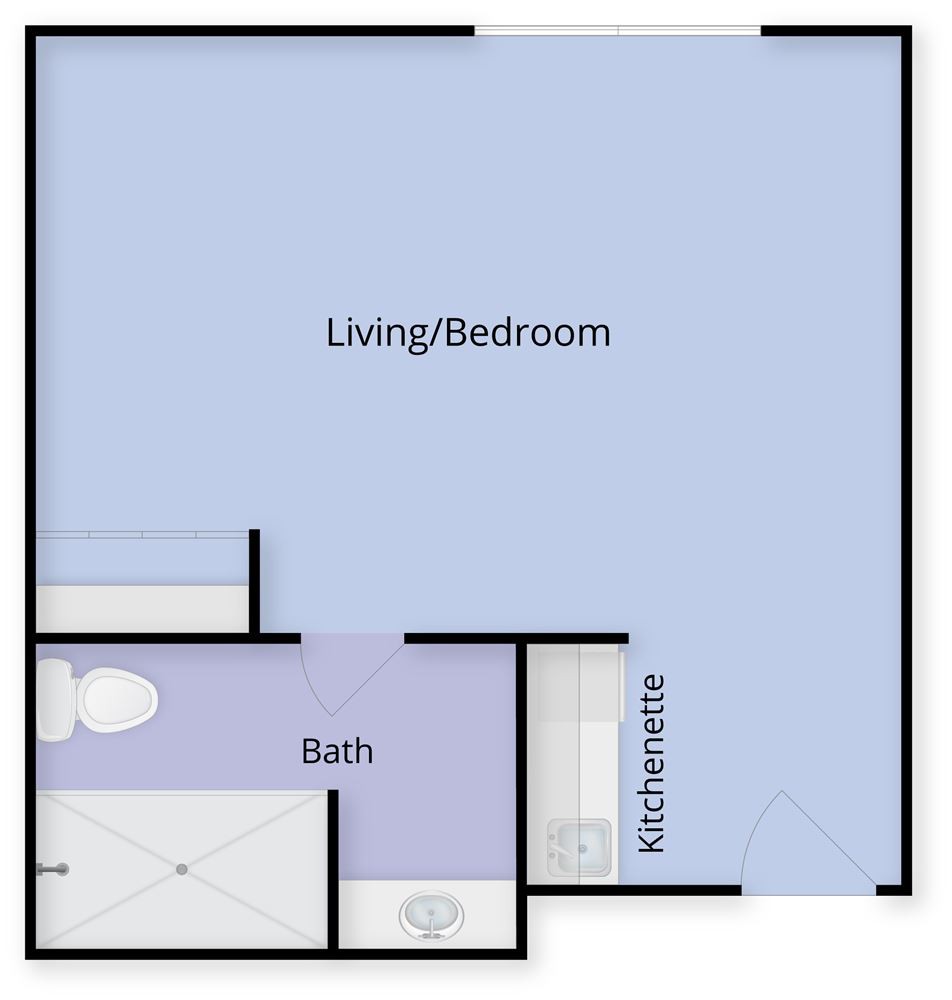
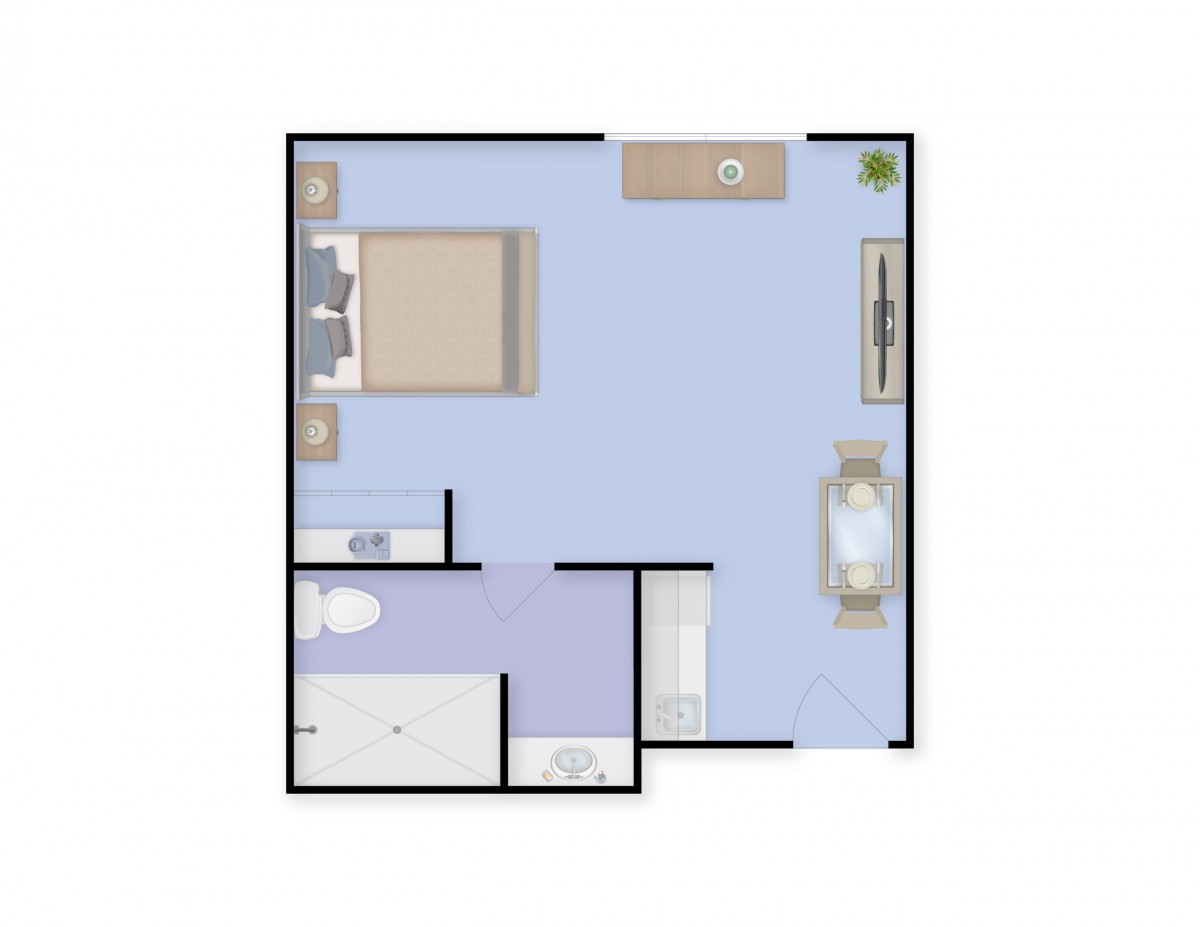
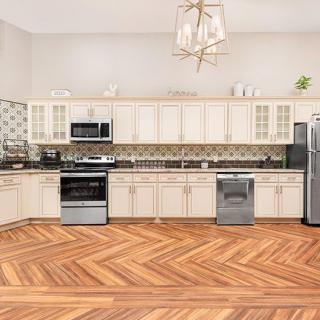
 Kitchenette
 Laundry
 Move-in coordination
 Outdoor space
 Overnight guests
 Party space
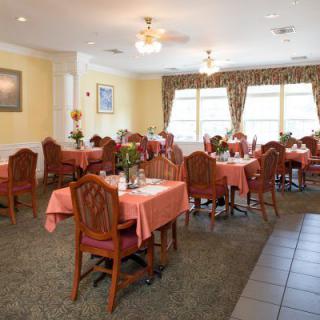
 Restaurant-style dining
 Small library
 Telephone
 VA Benefits Consultation
 Wi-Fi/high-speed internet available
 Transportation & parking
 12-16 hour nursing
 24-hour call system
 Activities of daily living assistance
 Assistance with bathing
 Assistance with dressing
 Assistance with transfers
 Companion care
 Diabetes diet
 Hospice care
 Medication management
 Mental wellness program
 Physical therapy
 Special dietary restrictions
 Arts and crafts
 Book club
 Cooking club
 Educational speakers / life long learning
 Games
Games Live musical performances
 Religious services
 Tai Chi
 Wii bowling




 Senior Transition Services: Understanding Their Role, Cost, and Importance
 Exploring the Path to Senior Living: A Comprehensive Look at Independent Living and Assisted Living
 Is Assisted Living Deductible on Your Taxes? Understanding the Complexities of Assisted Living Expenses and Deductions