
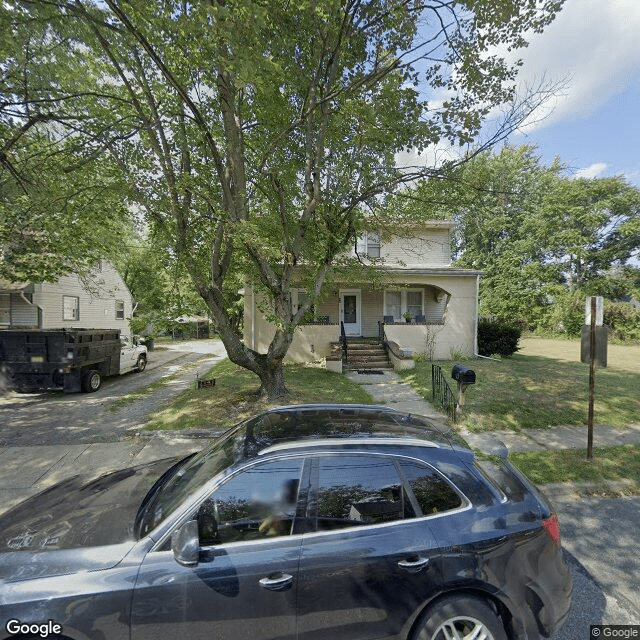
15 Emlen Ave, Lawnside, NJ 08045
To contact a resident: (856) 795-6031
For more information about senior living options: (866) 208-4318
The Fisher House Costs & Pricing
The Fisher House offers competitive monthly accommodation rates that provide significant savings compared to typical costs in Camden County, New Jersey. For a semi-private room, guests at The Fisher House pay $1,800 per month, which is substantially lower than the average local rate of $4,570. Similarly, for those requiring more privacy, the private room option at The Fisher House is priced at $2,500 - again a noteworthy reduction from Camden County's average of $5,163 and New Jersey's statewide average of $5,799. These cost-effective accommodations reflect The Fisher House's mission to support military families during their times of need while ensuring they have access to comfortable and affordable lodging options.
| Floor plans | The Fisher House | Camden County | New Jersey |
|---|---|---|---|
| Semi-Private | $1,800 | $4,570 | $5,068 |
| Private | $2,500 | $5,163 | $5,799 |
Senior living communities with a similar price nearby
-
About the same

Penn Home
$1,800 to $3,500 / month8.6 miles away -
from +$100 / mo

The Weston Club
$1,900 to $2,050 / month6.6 miles away -
from -$249 / mo

Wesley Enhanced Living Upper Moreland
$1,551 to $2,779 / month20.9 miles away -
from +$162 / mo

Siena Luxury Residence
$1,962 / month8.4 miles away -
from +$234 / mo

Abigail House For Nursing & Rehabilitation
$2,034 / month6.6 miles away
Overall Review of The Fisher House
Pros
 They do a very good job.
- They keep things clean, and everyone is well kept and happy.
- The food is very good, and they are attentive.
- The nurse in charge is very nice and attends to requests.
- There have been no mistakes.
Cons
 The nurse in charge is getting older and has a little trouble getting around.
- She seems a little confused at times and doesn’t get around very easily.
- Communication with her can be difficult.
Review
The Fisher House in Lawnside, NJ is best suited for families seeking a clean, orderly environment with dependable daily care and a dining program that residents genuinely enjoy. It works well for seniors who prize a calm, predictable routine, where housekeeping is consistently strong and residents appear well cared for. The dining experience stands out, with meals described as very good and staff that are attentive to requests. This is not a facility aimed at high-acuity medical intervention; rather it serves residents who require steady daily oversight, friendly interaction, and a comfortable living atmosphere where small missteps are unlikely to derail day-to-day life.
That said, certain realities constrain its appeal. The most significant caveat is the nursing leadership’s advancing age and occasional mobility challenges, which can translate into slower navigation and occasional communication friction. While there have been no critical mistakes reported, questions about emergency responsiveness linger, particularly for families worried about rapid care in urgent situations. For residents whose care needs include robust on-site nursing coverage, complex medication management, or specialized memory support, alternatives with stronger leadership structures or more intensive medical oversight deserve serious consideration.
On balance, the strengths, cleanliness, a generally happy resident population, and a kitchen that delivers tasty meals, help offset some risk. When staff are asked to fulfill requests, they respond promptly, and attention to detail around upkeep is evident. Those advantages matter daily: a safe, well-kept environment reduces falls risk and comfort matters in sustaining appetite and mood. However, the main con, the potential for communication gaps and slower, older leadership to navigate emergencies, limits the ability to rely on the community for high-stakes medical events. For some families, the trade-off is acceptable; for others, it is not.
Prospective buyers should verify what the on-site nursing structure looks like: how many RNs are available per shift, the process for emergencies, and the chain of command if the lead nurse is momentarily unable to respond. Tour schedules should include time with direct care staff, and conversations should cover typical response times for urgent requests and for coordinating with external providers. It is prudent to inspect current meal service and kitchen cleanliness, and to speak with residents about daily interactions. Given the mixed external reviews, a careful check of facilities' emergency drills and past incident handling will provide essential clarity.
Families weighing options ought to compare this community with peers that emphasize stronger nursing presence, 24/7 on-site medical oversight, or specialized care pathways such as memory care. If comfort, routine, and culinary quality are the priority, The Fisher House delivers; if medical acuity is a constant, or if quick, unambiguous communication during crises is non-negotiable, alternatives should be explored. Consider a trial period or a structured transition plan that includes clear escalation procedures, so that the resident’s comfort does not come at the cost of safety.
Ultimately, The Fisher House stands as a solid choice for households prioritizing daily calm, dependable housekeeping, and agreeable dining, with attentive front-line staff who respond to needs. The key decision hinges on tolerance for potential nursing leadership challenges and the associated risk in emergencies. For residents with moderate care needs and families comfortable with monitoring and clear communication protocols, it is a sensible option. For those requiring more robust medical coordination, or for families who cannot accept the possibility of slower emergency response, it is prudent to look elsewhere while continuing to evaluate this community against alternatives.
 Board and Care Home
 Activities off-site
 Beautician on-site
 Devotional services off-site
 Indoor common areas
 Outdoor common areas
 Private
 Respite or short term stays offered
 Philadelphia International (11 miles away)
 Ambulatory care
 Diabetic care
 High acuity care
 Kosher

 Comprehensive Insights and Practical Strategies to Help Older Adults Avoid Falls
 6 Crucial Ways an Elder Law Attorney Assists Families
 Navigating the Tax Landscape of Caregiving: Credits, Deductions, and Beyond