
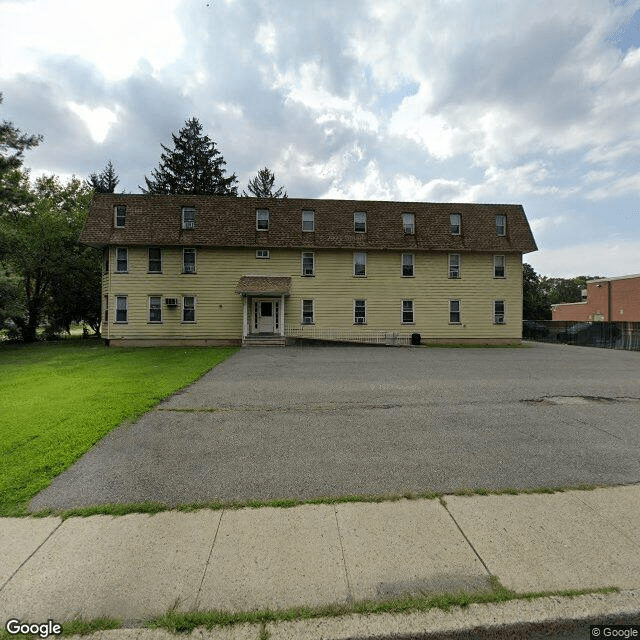
997 Ringwood Ave, Haskell, NJ 07420
To contact a resident: (973) 464-1499
For more information about senior living options: (866) 208-4318
Mar-Del Manor Costs & Pricing
Mar-Del Manor offers competitive pricing for its residential care services, particularly when compared to the broader costs observed in Passaic County and throughout New Jersey. For a semi-private room, residents can expect to pay $1,700 per month at Mar-Del Manor, which is significantly lower than the county average of $5,177 and the state average of $5,068. Similarly, the cost of a studio apartment at Mar-Del Manor stands at $2,200 per month, again showcasing affordability compared to Passaic County's average of $4,794 and New Jersey's overall average of $5,286. This makes Mar-Del Manor an attractive option for those seeking quality care without the financial burden often associated with similar facilities in the region.
| Floor plans | Mar-Del Manor | Passaic County | New Jersey |
|---|---|---|---|
| Semi-Private | $1,700 | $5,177 | $5,068 |
| Studio | $2,200 | $4,794 | $5,286 |
Assisted Living communities with a similar price nearby
-
from +$200 / mo

Holland Christian Home
$1,900 / month7.1 miles away -
from +$146 / mo

Spring Hills Livingston
$1,846 to $9,500 / month18.3 miles away -
from -$300 / mo
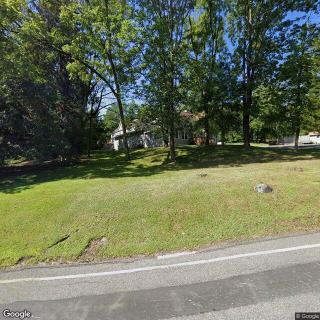
Green Briar Residential Health
$1,400 to $1,600 / month10.4 miles away -
from -$333 / mo

Lott Community Home Health Care
$1,367 / month24.4 miles away -
from -$200 / mo
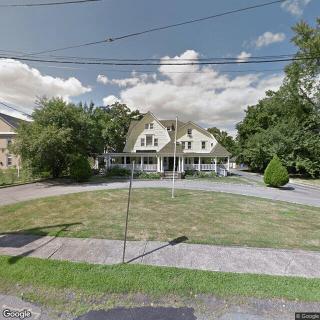
The Parkview
$1,500 to $5,000 / month17.0 miles away
Overall Review of Mar-Del Manor
Pros
 The facility is very family-oriented.
- The staff here is good.
Cons
 There were multiple police cars and a county medical examiner at the location.
Review
Mar-Del Manor in Haskell, NJ is best suited for families and seniors who value a small, homey atmosphere with a clearly family-oriented approach to daily care. The community tends to emphasize personal attention and warm, neighborly interactions, which can translate to meaningful daily connections for residents who respond well to familiar faces and regular, informal check-ins. This setting can work especially well for residents who do not require constant, high-intensity medical oversight and who thrive when caregivers know them by name and routine. Those seeking a polished, facility-wide cascade of high-acuity services or a large, temple-like campus with extensive programming may find the environment insufficient to meet heightened needs.
That said, there are clear reasons to consider alternatives. For seniors with significant medical or memory-care needs, this may not be the best fit, given the mixed reviews about consistency in staffing and clinical oversight. Families prioritizing predictable, around-the-clock nursing support, strong clinical protocols, and a consistently staffed team should look at options with documented higher nursing acuity and more transparent staffing patterns. In addition, anyone evaluating safety reliability should probe beyond anecdotes and request current staff turnover data, incident history, and a detailed plan for emergency response and ongoing training.
The strongest positives here center on the human touch. The facility’s evident emphasis on family-oriented care can translate into more personalized interactions and a sense that a resident is cared for as part of a close-knit community. When staff are present and engaged, the care can feel attentive and responsive, with a willingness to adapt routines to fit a resident’s preferences. This experiential warmth, paired with a more intimate, less impersonal setting, can reduce anxiety for seniors who dislike impersonal, clinical environments and who rely on steady, face-to-face communication with caregivers.
However, the downsides temper that warmth. In reviews, there is a pattern of variability: some staff are described as good, but others are not consistently dependable, and the overall rating sits around 3.4 based on 11 reviews. That spread suggests that experiences can swing based on who is on shift, the day of the week, or which wing a resident is in. A notable historical note appears in one account describing police presence and a county medical examiner at the site, which, while potentially an isolated incident, signals that safety and incident management at times may be uneven. Prospective families should verify current safety practices, staffing stability, and how issues are resolved in real time before committing.
These pros offset the cons only when families are prepared to supervise and participate in ongoing care planning. If a resident’s routine can be structured around reliable daily involvement from family or a dedicated caregiver team, and if there’s satisfactory alignment with the on-site staff’s communication style, the community’s strengths, its warmth, intimate setting, and responsive moments, can compensate for occasional gaps in coverage. But if clinical needs rise or if a resident requires consistent, high-quality nursing input and clear, documented escalation paths, the inconsistencies become harder to reconcile.
In the end, Mar-Del Manor can be a suitable choice for families seeking a resolutely home-like environment where caregivers know residents personally and where daily life can feel like an extension of home rather than a sterile institutional routine. It is less well-suited for those who require unwavering clinical oversight, highly structured programming, or guaranteed staffing consistency. Before choosing, families should schedule a thorough visit with leadership, observe caregiver interactions across shifts, meet current residents and families, request up-to-date incident and turnover data, and review a resident’s tailored care plan. If those checks reveal reliable staffing, strong communication, and a care plan aligned to medical needs, Mar-Del Manor could be the right fit; if not, alternatives with steadier clinical support and proven safety records warrant serious consideration.
 Assisted Living
 Activities on-site
 Devotional services off-site
 Indoor common areas
 Newark International (24 miles away)
 Ambulatory care
 Diabetic care
 Incontinence care
 Meals provided




 8 Key Indicators That Suggest It May Be Time to Transition from Assisted Living to Skilled Nursing Care
 Vibrant Senior Living: A Comprehensive Guide for Active Older Adults
 When to Transition from Assisted Living to Memory Care: Key Indicators, Steps, and Finding the Right Community