
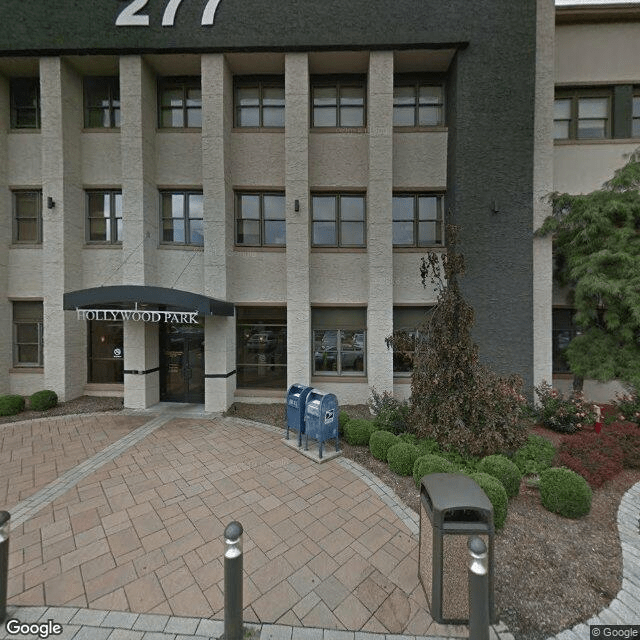
277 Fairfield Road Suite 310C, Fairfield, NJ 07004
To contact a resident: (973) 227-2061
For more information about senior living options: (866) 208-4318
Comfort Keepers Costs & Pricing
Comfort Keepers offers competitive pricing for its services in Essex County, New Jersey. For a studio apartment, their monthly rate stands at $1,940, significantly lower than the county average of $4,607 and the state average of $5,286. A one-bedroom unit costs $2,455, providing an advantageous alternative to Essex County's average of $5,306 and New Jersey's state average of $5,994. If you're considering a two-bedroom arrangement, Comfort Keepers charges $3,175 per month, which is still more affordable than both Essex County's average of $6,132 and the state's figure of $6,216. This price structure highlights Comfort Keepers' commitment to offering quality care in a cost-effective manner compared to local and state competitors.
| Floor plans | Comfort Keepers | Essex County | New Jersey |
|---|---|---|---|
| Studio | $1,940 | $4,607 | $5,286 |
| 1 Bedroom | $2,455 | $5,306 | $5,994 |
| 2 Bedrooms | $3,175 | $6,132 | $6,216 |
Senior living communities with a similar price nearby
-
from +$310 / mo
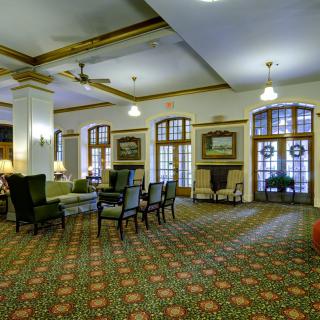
Saint Francis Residential Community
$2,250 to $3,500 / month9.6 miles away -
from +$209 / mo

Horizons At Franklin Lakes
$2,149 to $2,600 / month10.5 miles away -
About the same

Holland Christian Home
$1,900 / month8.3 miles away -
from -$290 / mo
Harbor Terrace
$1,650 / month19.5 miles away -
from -$94 / mo
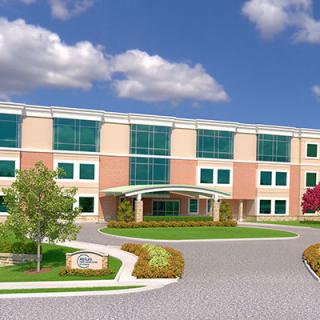
Spring Hills Livingston
$1,846 to $9,500 / month7.9 miles away
Overall Review of Comfort Keepers
Pros
 The caregivers are attentive, affectionate, and extremely helpful.
- Zack Demopolous personally interviews clients to ensure suitable caregiver placement.
- Daniel is meticulous and ensures the client is comfortable, well fed, takes medications, and attends appointments on time.
- Daniel is a good companion.
- ComForCare promptly provides substitutes when a caregiver needs time off.
- Zack is totally hands-on, making weekly visits to ensure all needs are met.
- ComForCare is an exceptional provider of in-home health care aides.
- The staff includes a professional team (RN nurse, scheduling associate) to oversee care, and all aides are vetted to be responsible and ethical.
Review
This in-home care model in Fairfield, NJ is best suited for families who want to keep a loved one living at home while receiving highly reliable, individualized support. It suits seniors who need help with daily activities, medication management, meals, transportation to medical appointments, and steady companionship, all under a coordinated oversight structure. The approach shines when continuity and personal relationships with caregivers matter, and when a trusted clinician-driven framework is valued without moving into a traditional assisted living setting. For households that prize staying at home more than community living, this option stands out as a pragmatic, well-organized choice.
The strongest advantages center on precise caregiver matching, dependable performance, and thorough oversight. Families consistently note meticulous aides who ensure comfort, proper nutrition, timely medication administration, and on-schedule participation in medical and physical therapy sessions. The model also emphasizes responsiveness, if a live-in aide requires time off, a suitable substitute is arranged quickly so routines are not disrupted. Complementing direct care, there is a tangible human touch: aides are described as compassionate and attentive, delivering companionship that goes beyond basic chores and reduces caregiver-related stress for families.
Another core strength is durable continuity. Evidence from multiple accounts highlights long-running caregiver relationships and a scalable staffing approach that supports around-the-clock needs. In one family’s experience, the care plan required 24/7 coverage, and a team of six or more aides maintained consistency, with two caregivers remaining from the start. The owner’s involvement further reinforces stability: regular visits, hands-on oversight, and a professional staff layer (including nursing oversight and scheduling support) help ensure that care standards stay high and predictable. This continuity translates into fewer unsettling caregiver transitions and a steadier daily rhythm for the client.
Where the format could pose challenges, the main considerations revolve around suitability for those who require facility-based medical intensity or broad social programming. In-home care excels for maintenance of independence, but it inherently relies on external caregivers and scheduling. Families considering alternatives should weigh whether the priority is robust on-site medical supervision, structured rehabilitation programming, or the social ecosystem of a senior community. For clients with complex medical needs that demand constant on-site medical infrastructure or memory-care environments, a traditional assisted living or memory-care campus may offer a better fit.
Practically, those evaluating this option should interrogate staffing and governance details early in the process. Key questions include: what is the caregiver-to-client ratio, how is continuity maintained when shifts change, what is the process for vetting and replacing aides, and what level of oversight is provided by an RN or equivalent professional? Prospective clients should request references showing sustained outcomes over several years, confirm the provider’s adherence to state regulations, and understand the logistics of 24/7 coverage through a care team. A transparent discussion about costs, scheduling, and contingency plans will reveal how robust the model remains under real-world pressures.
In the end, the decision hinges on priorities. If keeping a loved one at home with highly personalized attention, reliable caregiver matching, and disciplined oversight by a professional team is paramount, this Fairfield in-home care option is compelling and credible. It delivers measurable benefits in medication management, timely appointments, companionship, and continuity that comfort-centric families prize. If instead the goal is to maximize social engagement through an on-site community, or to access intensive, facility-based medical oversight and specialized memory-care programming, exploring traditional assisted living or memory care communities becomes a prudent step. For families leaning into home-based care, engaging with the provider, understanding staffing promises, continuity plans, and concrete reference outcomes, offers a clear path to a confident, well-supported choice.
 Newark International (15 miles away)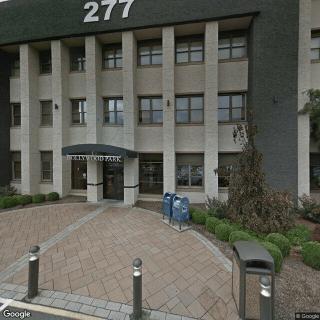

 Powerful Realities of Elder Abuse and the Most Effective Ways to Report It
 Ten Vital Duties of a Senior Caregiver: A Comprehensive Guide
 9 Stimulating Memory Activities for Seniors: Puzzles, Cards, and Much More