
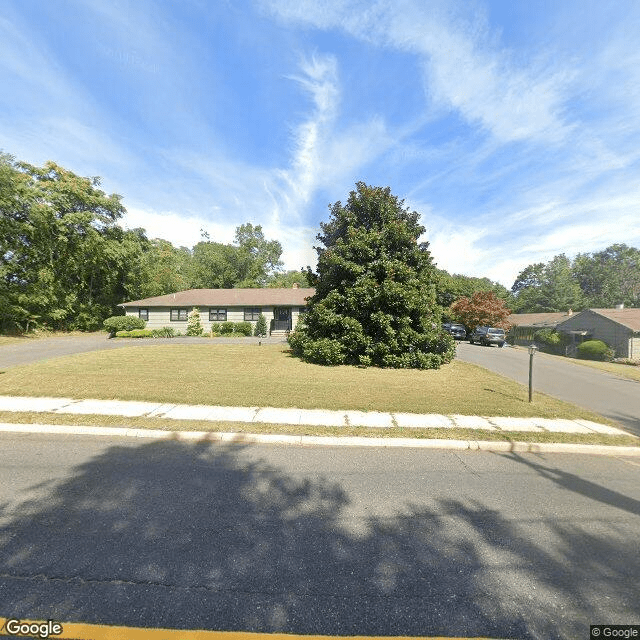
1213 West Park Ave, Ocean Township, NJ 07712
To contact a resident: (732) 695-1935
For more information about senior living options: (866) 208-4318
ONORA - West Costs & Pricing
At ONORA - West, the monthly costs reflect a premium for the exceptional services and amenities it offers when compared to both Monmouth County and the broader New Jersey area. For a semi-private room, residents can expect to pay $6,200, which is notably higher than the county average of $5,251 and significantly above the state average of $5,068. Similarly, in terms of studio accommodations, the price at ONORA - West stands at $9,000 - again exceeding both local and statewide averages ($5,738 in Monmouth County and $5,286 across New Jersey). This pricing underscores ONORA - West's commitment to providing a high-quality living experience that justifies its elevated costs.
| Floor plans | ONORA - West | Monmouth County | New Jersey |
|---|---|---|---|
| Semi-Private | $6,200 | $5,251 | $5,068 |
| Studio | $9,000 | $5,738 | $5,286 |
Assisted Living communities with a similar price nearby
-
from -$452 / mo

Wellington Estates at Spring Lake
$5,748 to $7,056 / month7.6 miles away -
from -$350 / mo

CareOne East Brunswick Assisted Living
$5,850 / month21.4 miles away -
from -$290 / mo

Arbor Terrace Shrewsbury
$5,910 to $7,330 / month3.9 miles away -
from +$826 / mo

Sunrise of Lincroft
$7,026 to $10,350 / month5.8 miles away -
from -$1205 / mo

The Brielle at Seaview
$4,995 to $8,195 / month24.3 miles away
Overall Review of ONORA - West
Pros
 They provide exceptional care to residents.
- The staff are fantastic, and the manager is professional, helpful, and respectful of families’ needs.
- The facility is very clean.
- The team goes above and beyond, including helping with practical needs and inviting guests to open houses.
- The place feels like home—beautiful, clean, and comfortable.
- The residence helps residents thrive: better sleep, more daily activities, and improved appetite.
- The food is outstanding, with nutritious meals prepared daily by a skilled chef.
- The residence is kept spotless and well-maintained.
- The staff are wonderful and caring, giving families confidence in the care provided.
Review
ONORA - West is best suited for seniors who want a small, home-like residential setting where care feels personalized and the daily rhythm is guided by a consistently attentive staff. The community’s described atmosphere centers on warmth, cleanliness, and a sense of belonging, making it a strong fit for residents who thrive in intimate environments rather than sprawling campuses. Families prioritizing reliable caregiving, meaningful daily activities, and high-quality dining will find this option particularly compelling. In short, this is the choice for those who want the comfort of a friendly, well-staffed doorstep where staff know residents by name and respond quickly to needs.
Still, some families may want to consider alternatives. For residents requiring aggressive medical oversight, frequent skilled nursing interventions, or highly specialized memory care programs, a larger campus with broader clinical resources could be a better fit. The same holds for families seeking expansive rehab services or a continuum of care that includes on-site physicians and therapy teams on a daily basis. If transparency around pricing structure and a more clinical, institutional atmosphere are non-negotiables, those factors may steer families toward other options.
The strongest positives consistently highlighted are the staff and the management team. Residents benefit from a professional, respectful leadership presence, with caregivers described as excellent and a particular staff member named Jenny singled out for exceptional service. This kind of frontline consistency translates into dependable daily care, prompt response to requests, and a visible commitment to residents’ well-being. The quality of staff is reinforced by operational strength, an emphasis on cleanliness and order that permeates the environment regardless of the time of day.
Cleanliness and home-like ambiance are repeatedly cited as defining advantages. The facility is portrayed as impeccably maintained, with housekeeping standards that support a comforting sense of peace and security. Beyond aesthetics, the small-scale layout supports a culture where meals feel thoughtfully prepared and nourishing. The chef’s role in delivering nutritious options is not a mere compliment but a practical driver of well-being, with anecdotal notes of improved appetite and daily participation in activities. The combination of a tidy setting and purposeful programming helps residents sleep better, engage more fully, and enjoy a higher overall quality of life.
A notable practical strength lies in the way the community handles real-life contingencies with grace and community spirit. Stories of staff stepping beyond routine duties, such as assisting a visitor during a gas stop and inviting families to open houses, underscore a culture of hospitality. This is more than kindness; it signals an environment where family partners in care feel supported and involved. The result is a cascading effect: residents appear happier, routines stabilize, and the perception of care quality becomes tangible, not merely aspirational.
Ultimately, the decision hinges on balancing the value of a warm, intimate setting against the needs for higher-intensity medical support. ONORA - West delivers a standout, practical package for seniors who flourish in a small residential community where staff are engaged, meals are nutritious, and the environment is consistently clean and welcoming. For families who prize personal attention, dependable care, and a home-like daily experience, this option stands above many peers. Those weighing alternatives should anchor the decision in whether a broader clinical footprint or specialized memory-care programming is essential to their loved one’s long-term stability and independence.
 Assisted Living
 Activities on-site
 Devotional services off-site
 Indoor common areas
 Ambulatory care
 Diabetic care
 High acuity care
 Medication management
 Meals provided




 Social Security Benefits and Assisted Living: Navigating Options Across the U.S.
 An Extensive Exploration of the VA Aid and Attendance Benefit
 Senior Transition Services: Understanding Their Role, Cost, and Importance