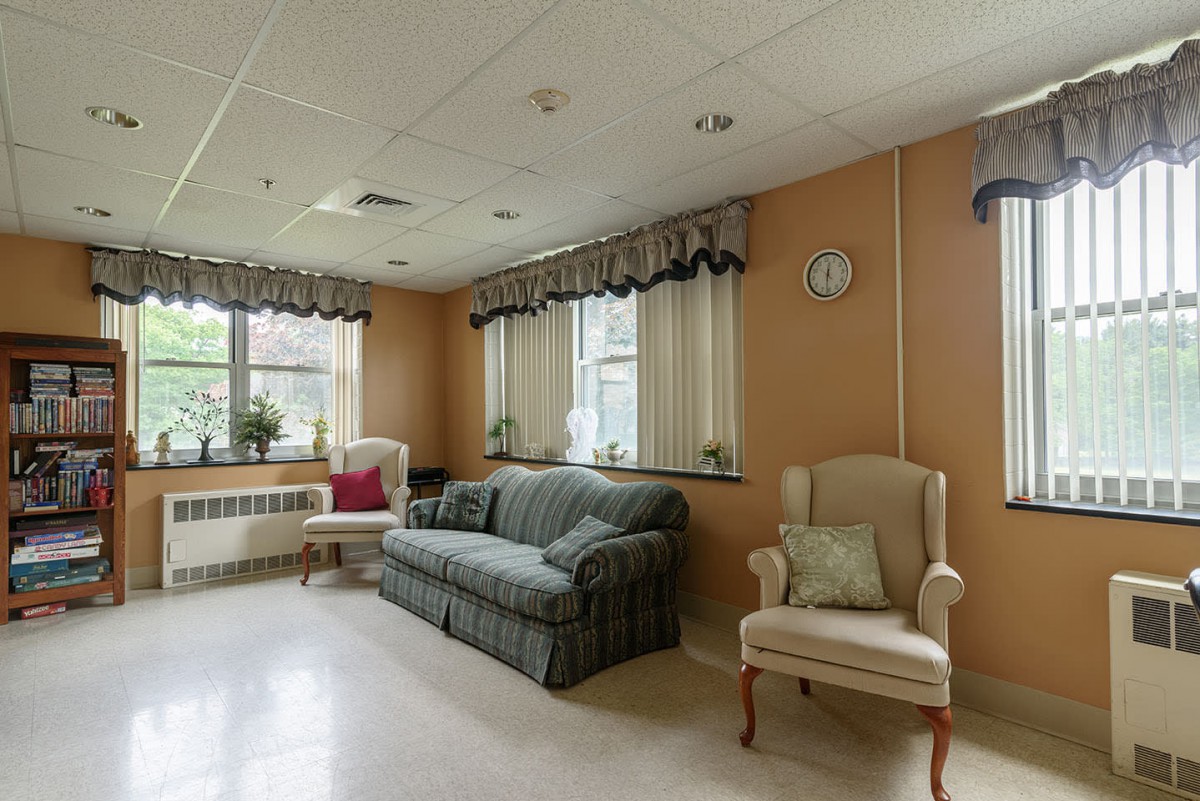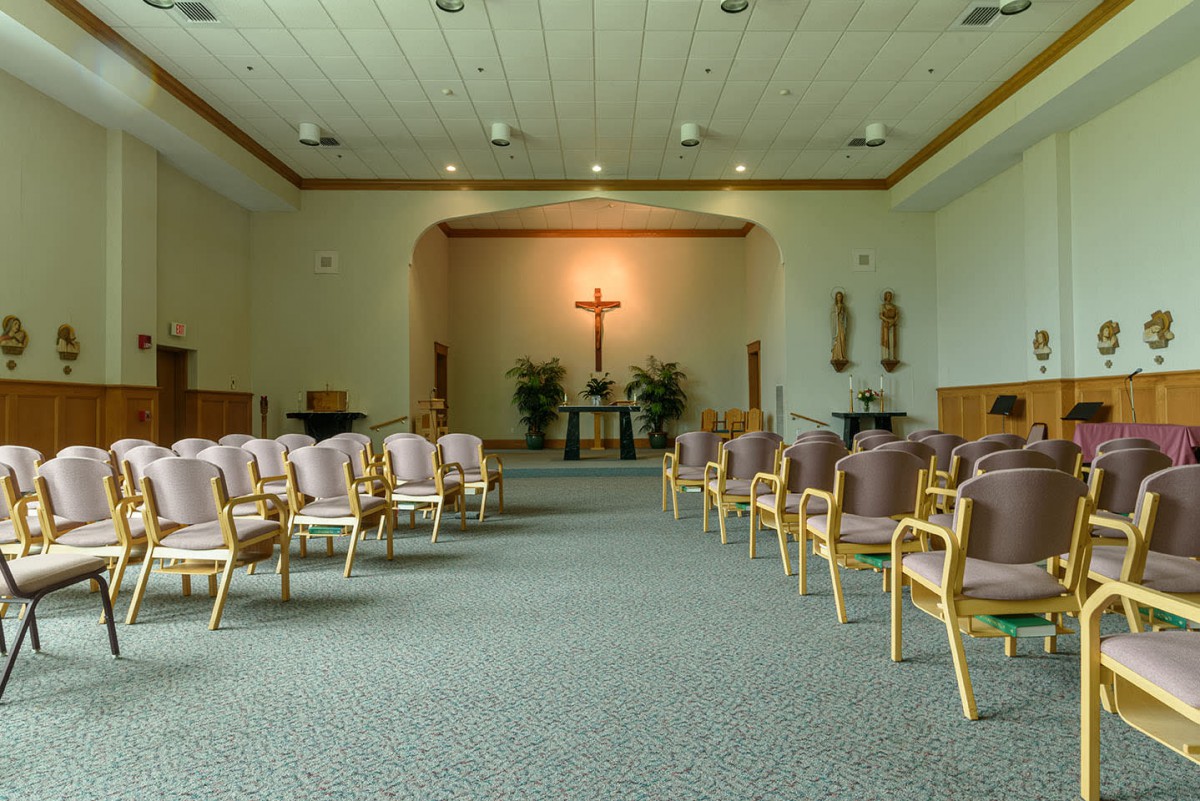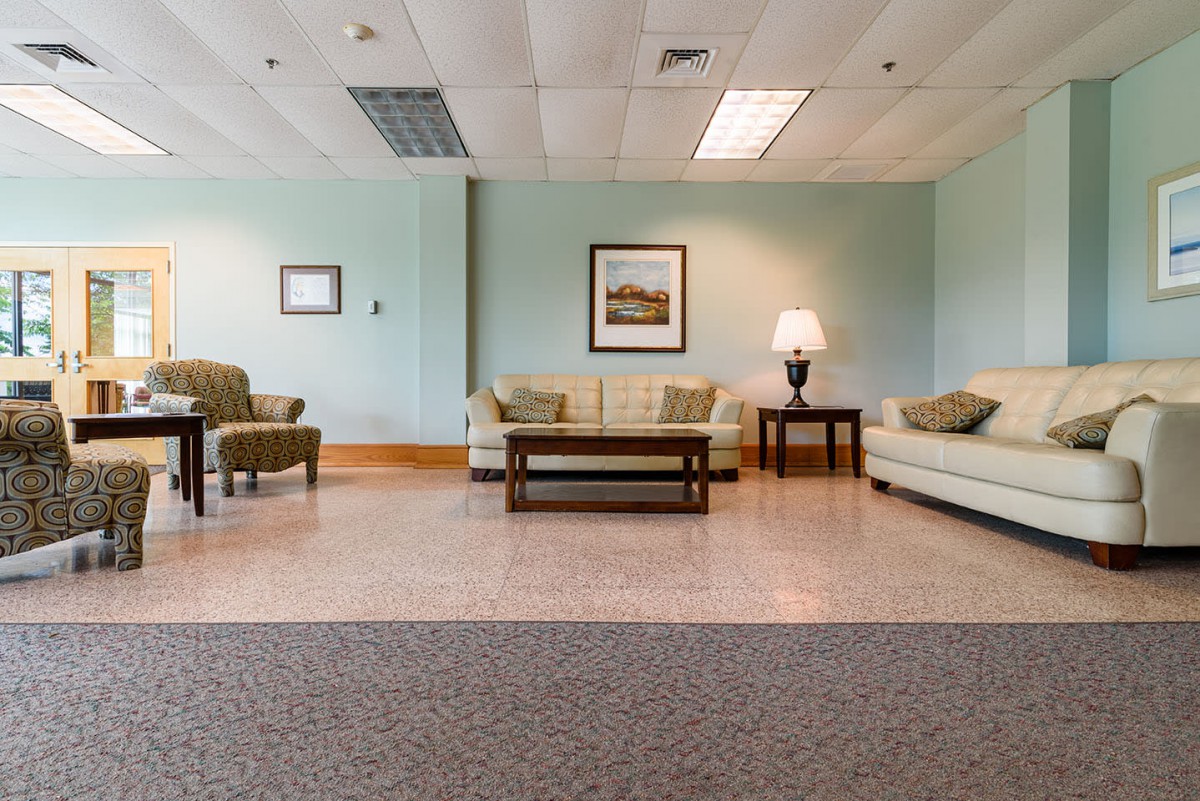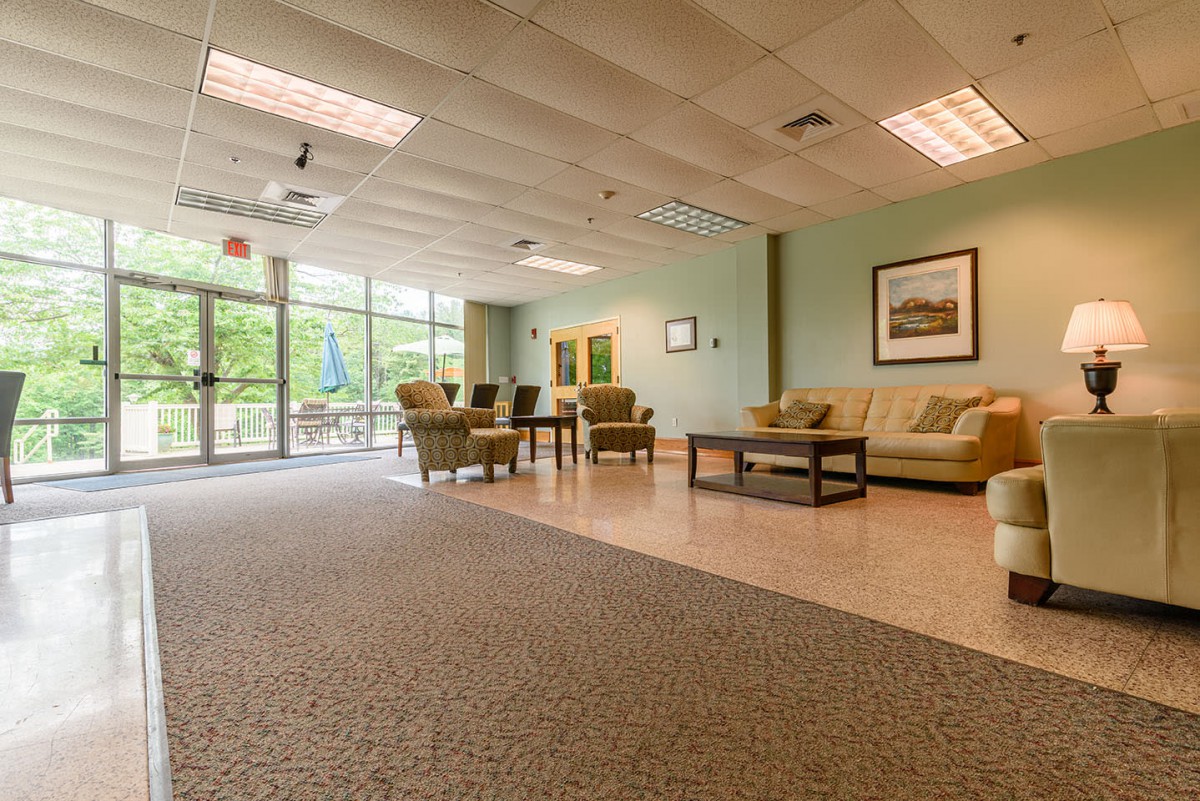



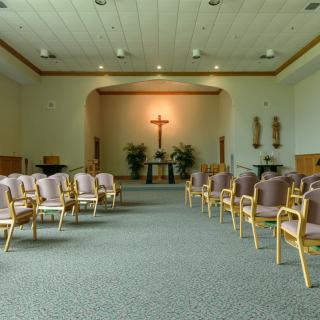
21 Searles Road, Windham, NH 03087
For more information about senior living options: (866) 208-4318
Warde Health Center Supported Residential Care Facility Costs & Pricing
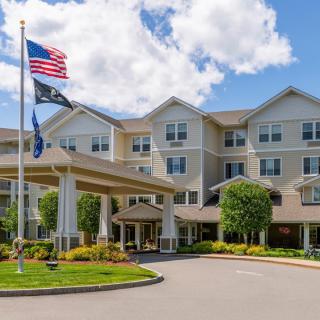
Warde Health Center Supported Residential Care Facility offers competitive pricing for its studio accommodations, with a monthly cost of $4,620. This rate is notably lower than the average costs in Rockingham County and across New Hampshire, which stand at $5,403 and $5,346 respectively. This pricing structure reflects Warde Health Center's commitment to providing quality residential care while remaining accessible compared to regional facilities. Residents benefit not only from more affordable rates but also from a nurturing environment that prioritizes their well-being and support needs.
| Floor plans | Warde Health Center Supported Residential Care Facility | Rockingham County | New Hampshire |
|---|---|---|---|
| Studio | $4,620 | $5,403 | $5,346 |
Skilled Nursing Facilities with a similar price nearby
-
from +$375 / mo

Wingate Residences at Haverhill
$4,995 to $6,995 / month9.0 miles away -
from +$830 / mo
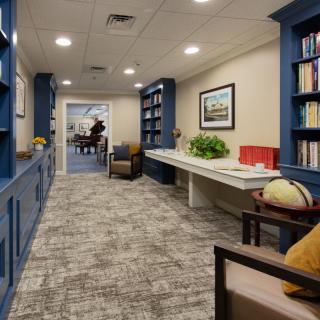
Nashoba Park
$5,450 to $6,000 / month23.6 miles away -
from +$205 / mo
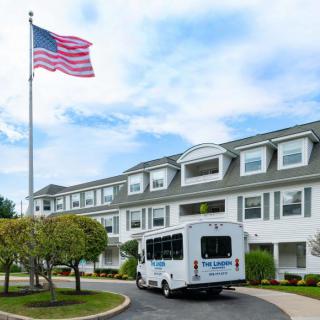
The Linden at Danvers
$4,825 to $7,920 / month24.3 miles away -
from -$525 / mo
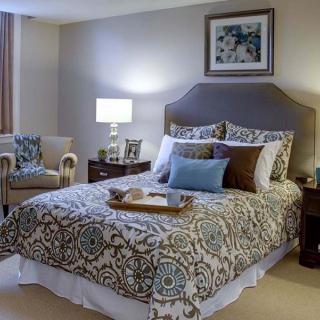
Atria Marland Place
$4,095 to $6,295 / month11.8 miles away -
from +$280 / mo

Pleasant Valley Nursing Center
$4,900 / month6.3 miles away
Overall Review of Warde Health Center Supported Residential Care Facility
Pros
 The staff at Warde Assisted Living provided his father with a home away from home.
- He was well taken care of during his brief stay, with his medical regimen and daily activities attended to, and nothing he needed left unmet.
- The reviewer would recommend Warde to anyone seeking a trusted care facility.
- The grandfather had an excellent stay, with caring and compassionate staff who treated him like their own family.
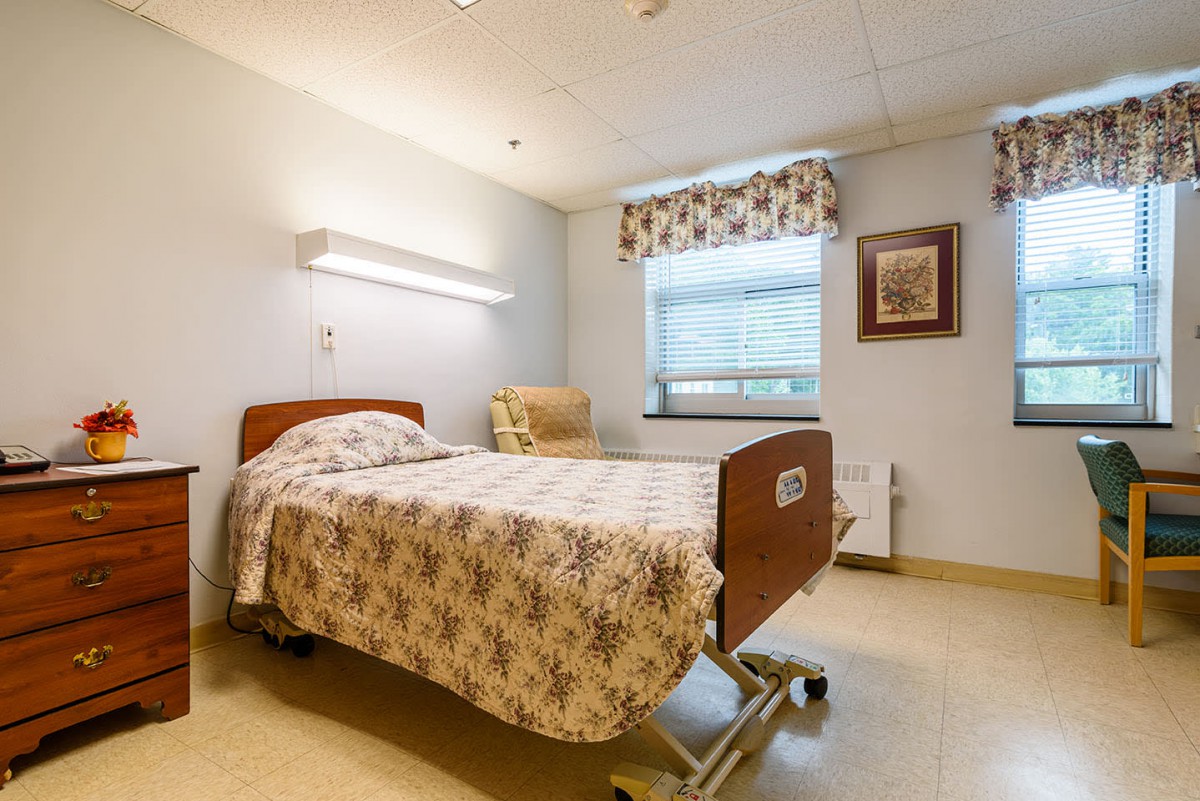
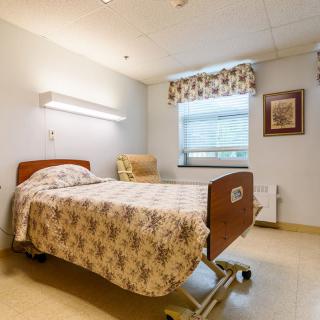
- He had his own private room, which provided the privacy he wanted.
- The meals are good and can be enjoyed in the residents' rooms.
- The staff were wonderful to residents and their families.
- Warde may be the best fit for a loved one.
Cons
 The rooms are way too small, and she cannot have her meals in her room.
Review
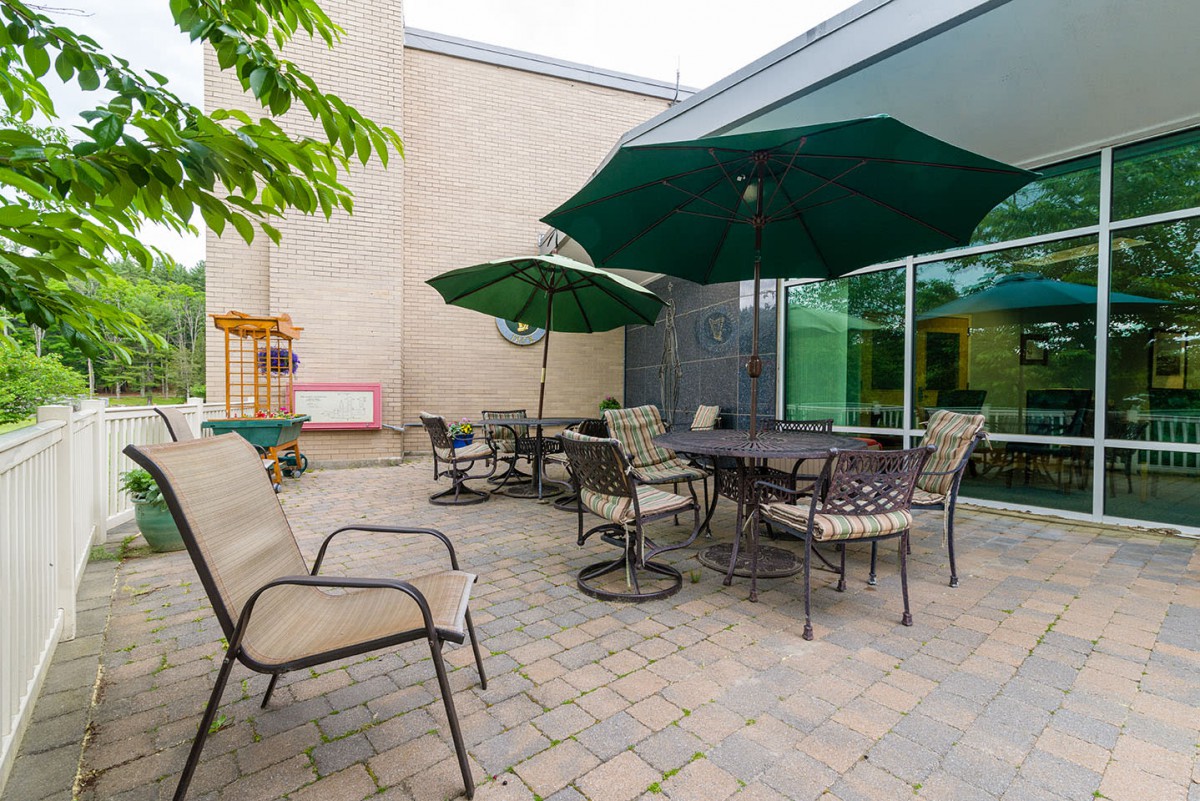
Warde Health Center Supported Residential Care Facility in Windham, NH is best suited for seniors who want a modest, home-like setting where staff provide highly personalized attention. The residents who benefit most are those needing daily oversight, consistent routines, and a warm, family-style caregiving approach, often as a temporary bridge when family caregivers are away or during recovery from illness. The strongly positive consensus in reviews centers on a culture of genuine care, comfortable private rooms, and accessible meals, which creates a sense of home rather than a clinical institution. For families seeking a place that prioritizes relationship-building and individualized regimens, Warde delivers.
Yet there are clear caveats to weigh. The community may not be ideal for those who expect large campuses, expansive common areas, or robust, 24/7 medical programming. A handful of reviews underscore rooms that are small and limited in in-room dining options, which can feel restrictive for residents who value more space or dining flexibility. While staff are praised for warmth, any potential family considering Warde should be aware that some services or experiences depend on the individual room and circumstance. For residents with higher acuity needs or a desire for more social venues, alternatives with bigger capacities may be more suitable.
The dominant strength is the staff, caring, compassionate, and willing to treat residents like family. Families routinely report that medical regimens and daily activities are managed reliably, with staff attentive to requests and responsive to needs. The private rooms are highlighted as important privacy features, and meals are generally well-regarded; the option to have meals delivered to a room adds practical flexibility for those unable to dine in communal spaces. In short, the human element, consistency, kindness, and a home-like atmosphere, appears to be the core value that makes Warde feel right for many families.
The practical downsides focus on space and layout. Several reviews point to rooms that feel cramped, with one explicitly describing them as too small and another noting restrictions on in-room dining. For families where a resident’s comfort hinges on larger living areas or the ability to eat in one’s own room, these issues can be significant. There’s also an undercurrent of caution about relying on a single positive narrative; a note about staff changes from a former employee hints at the need to assess consistency of care and staffing stability during a tour. When such factors matter, alternatives with bigger rooms may be preferable.
Despite the space limitations, the compelling care culture mitigates many concerns. A resident-facing environment that treats people like family tends to yield better adherence to medications, quicker response times, and more meaningful daily interactions, benefits that often outweigh the inconvenience of smaller rooms. The option to have meals in-room, when possible, addresses dining flexibility to some degree, and the private room improves dignity and personal space. For families prioritizing relationship-based care and consistent staff engagement over square footage, Warde can be the right choice, provided expectations are aligned with the realities of a compact layout.
Families considering Warde should plan a guided visit with a practical checklist: tour actual rooms, observe meals service, speak with current residents or families, and verify the terms for respite or short-term stays. Ask about current staffing levels and turnover, and request a sample weekly schedule to gauge activity breadth. If privacy, a home-like tone, and strong caregiver relationships are non-negotiable, Warde stands out as a practical, candid option. If room size, strict in-room dining, or a higher level of medical programming are decisive, alternatives in Windham that offer larger spaces or more structured medical services may be warranted. The decision should align with the resident’s care needs and the family’s ability to value care culture over square footage.
 36 resident community capacity
 Assisted Living
 Skilled Nursing Facility
 Activities on-site
 Beauty salon
 Cable or satellite TV
 Devotional services off-site
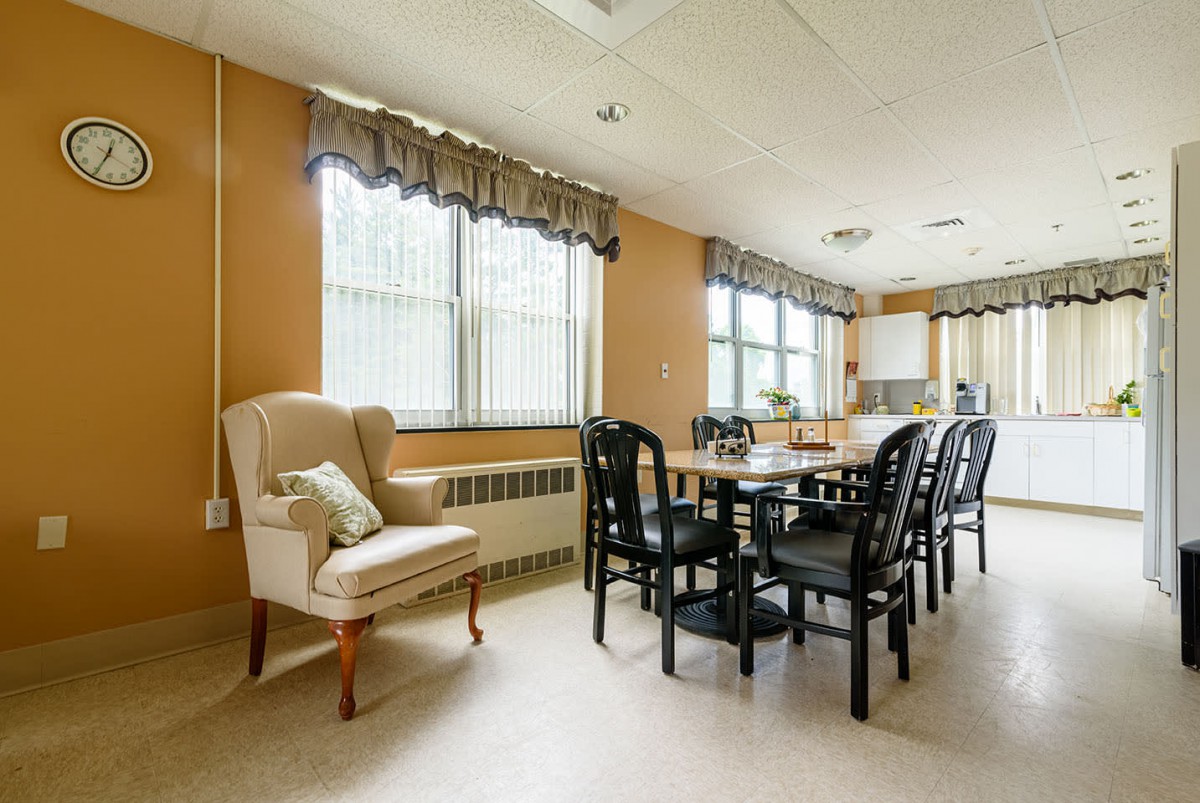
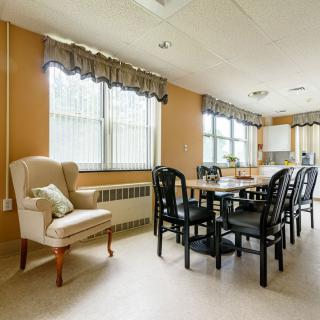
 Dining room
 Fully furnished
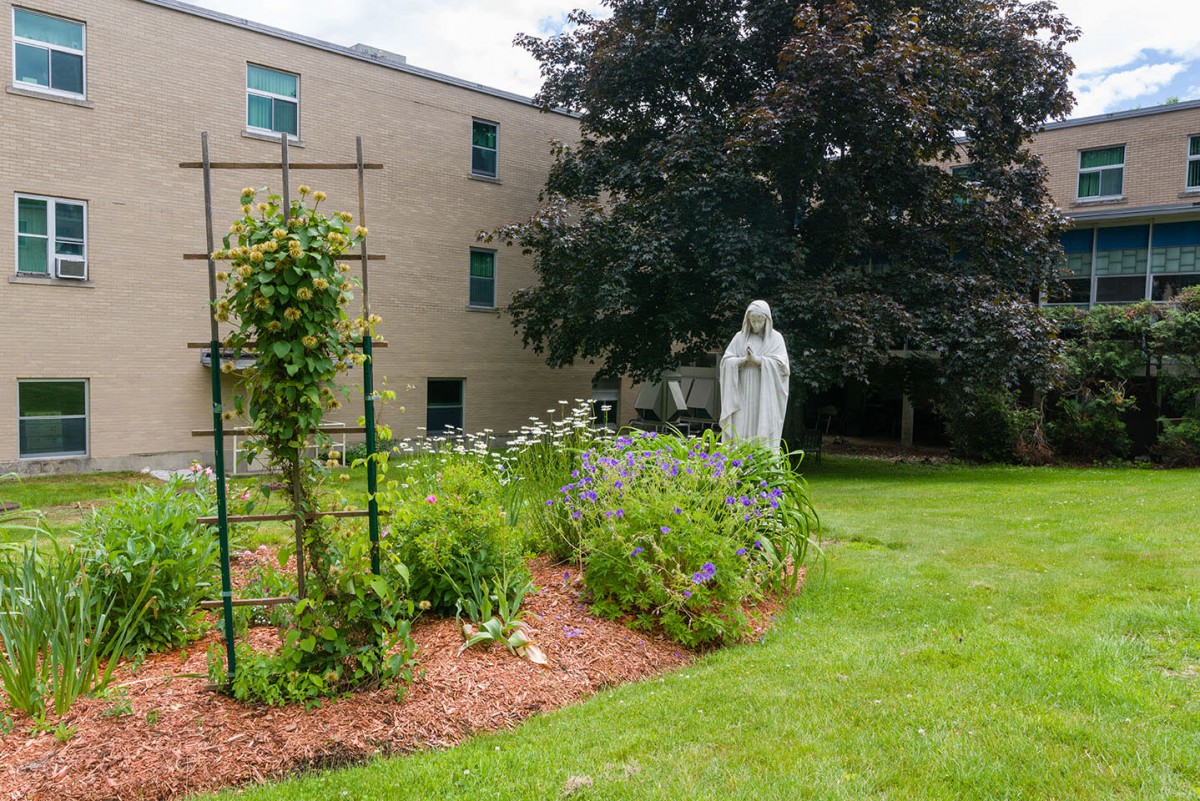
 Garden
 Housekeeping services
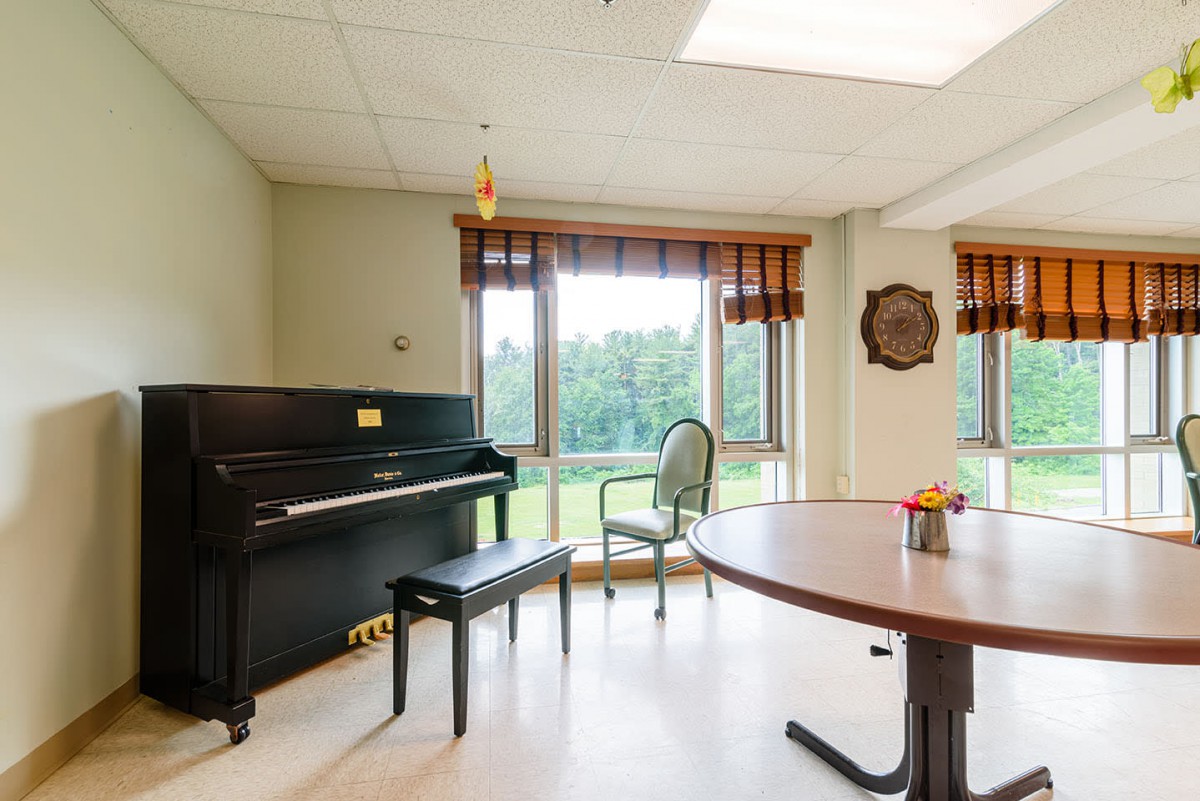
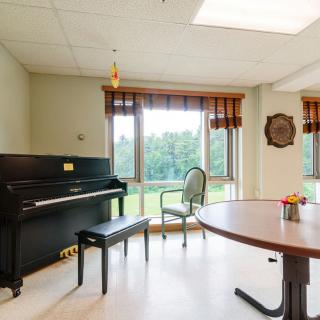
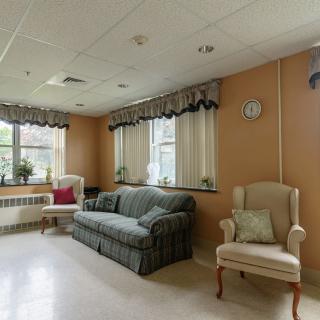
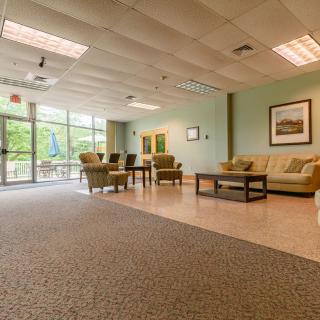
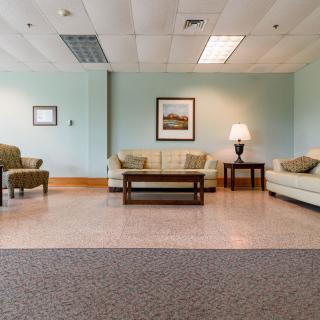
 Indoor common areas
 Kitchenette
 Move-in coordination
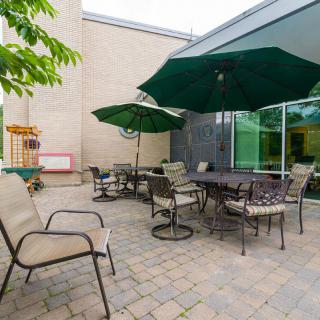
 Outdoor common areas
 Respite or short term stays offered
 Telephone
 Wi-Fi/high-speed internet available
 Manchester (12 miles away)
 24-hour call system
 Ambulatory care
 Assistance with bathing
 Assistance with dressing
 Assistance with transfers
 Diabetes diet
 Meal preparation and service
 Medication management
 Mental wellness program
 Special dietary restrictions
 Transportation arrangement (medical)
 Transportation to doctors appointments
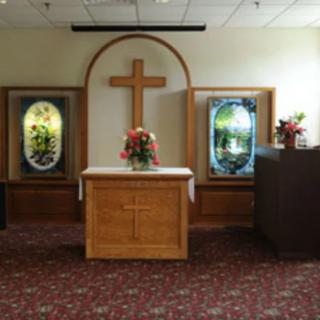
 Catholic services

 Comprehensive Insights into Activities of Daily Living (ADLs) and Their Assessment
 Medicare Coverage for Assisted Living: An In-Depth Exploration
 Your Comprehensive Guide to Luxury Assisted Living: Elevated Facilities, Amenities, and Costs