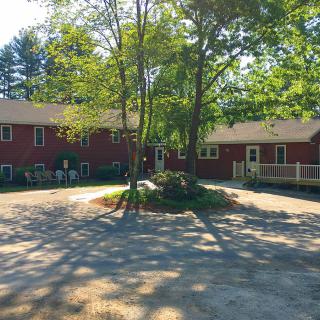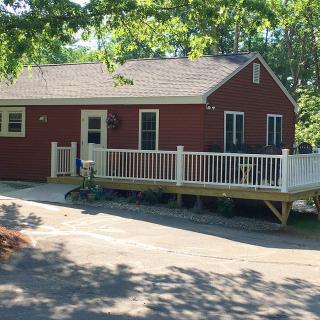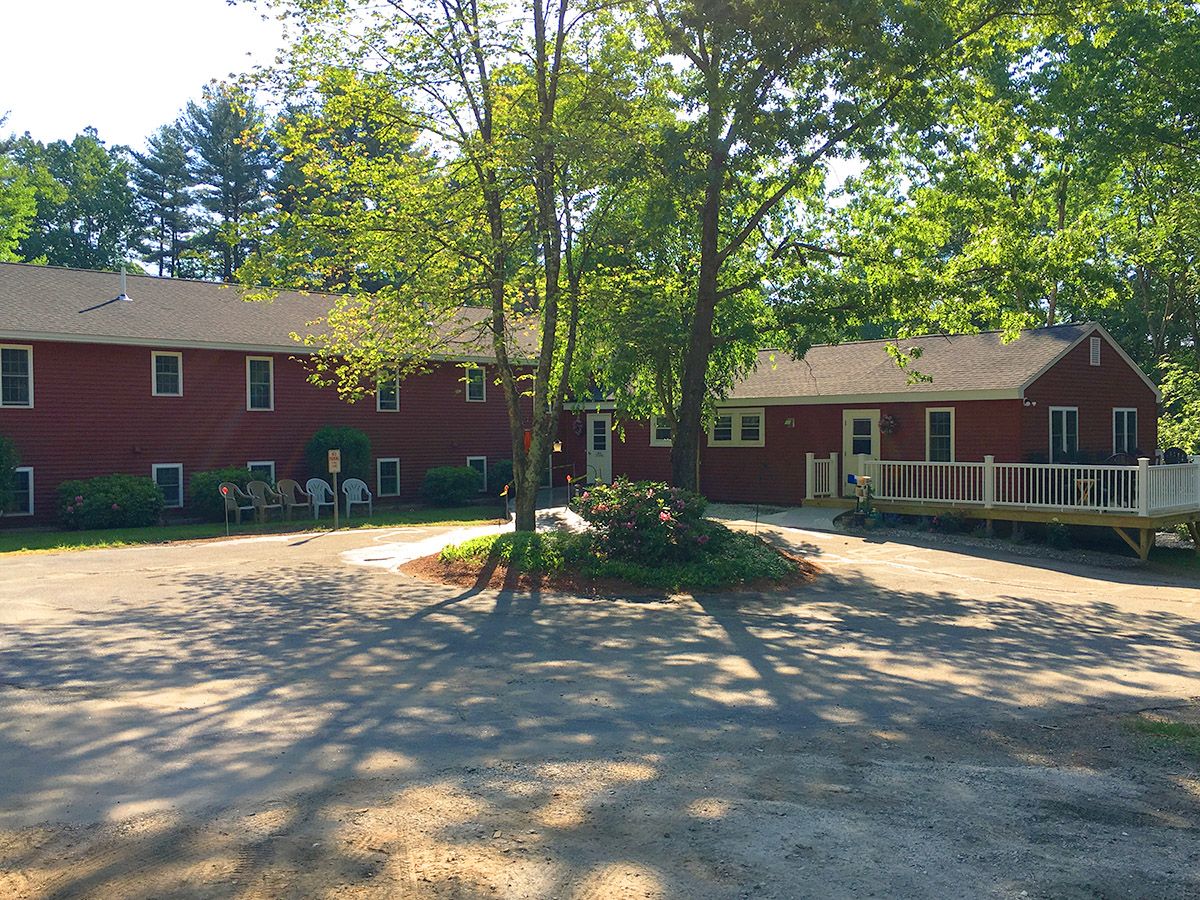
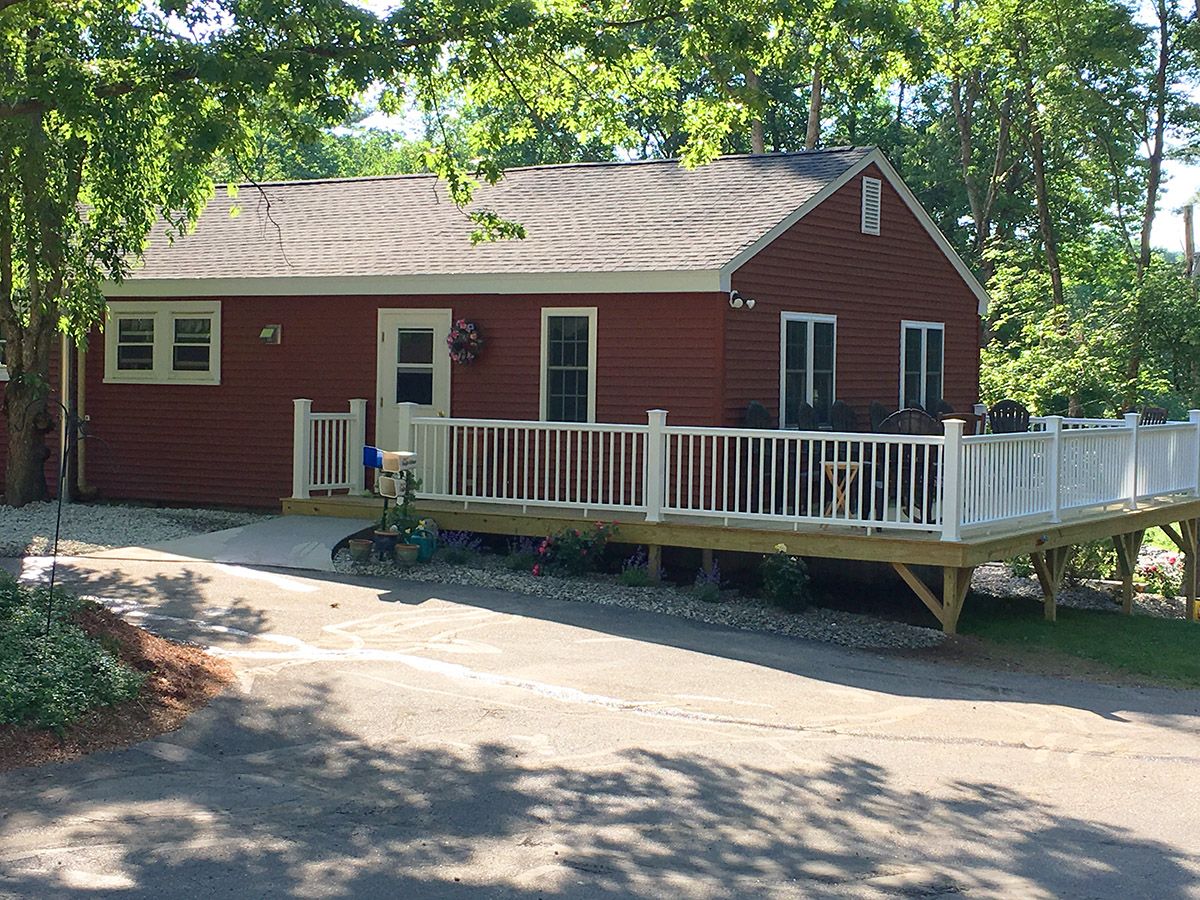
35 North Lowell Road, Windham, NH 03087
For more information about senior living options: (866) 208-4318
Overall Review of Assisted Living at Pine Hill
Pros
 The staff care deeply for each resident.
- Ana, the site manager, is professional and very attentive to her mom’s health and well-being.
- Ana communicates well with the family about mom’s health.
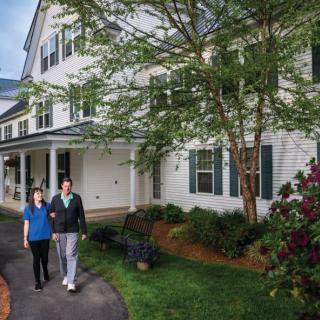
- The facility is very clean, and the atmosphere feels homey.
- The staff are hardworking, caring, and welcoming.
- The mom is happy there and well cared for.
- The setting is small and close-knit, fostering meaningful relationships.
- The owners and staff are wonderful, caring people.
- The mom loves the food and the homey atmosphere.
Cons
 The care home appeared to be a little expensive.
- The stairs constrain admissions to residents who are mobile enough to navigate them.
- Staff do not wear uniforms or name tags, which confuses residents about who is staff.
- The facility is not as updated as newer assisted living facilities.
- For some families, the facility was the wrong fit.
Review
Assisted Living at Pine Hill in Windham, NH, is best suited for seniors who want a small, home‑like community where caregivers know residents well and family involvement matters. With a footprint of roughly 16 to 20 residents, the place functions as a tight‑knit neighborhood more than a campus, and that flavor drives every day. Families consistently describe clean facilities, home‑cooked meals, and a schedule that mixes games, light exercise, and entertaining visits in a comfortable, unhurried rhythm. The standout feature is the care culture: staff are described as caring and responsive, with Ana, the site manager, praised for professional, attentive oversight of both health and morale. For a senior who values personal attention, predictable routines, and meaningful relationships over luxury touches, Pine Hill delivers in spades.
That said, alternatives should be considered for residents with higher medical needs or different living preferences. The small size and absence of robust on-site medical programming can limit access to complex therapies, frequent skilled nursing, or rapid escalation of care. The all‑female environment in some reviews may matter to families seeking a mixed‑gender setting or male companionship. Physical access can be challenging for mobility-limited residents, the building relies on stairs, with only a riding chair as mitigation, so those who require easy elevator‑style access or barrier-free outdoor time should look elsewhere. Finally, while many families find the pricing affordable, others report higher or uncertain costs and a lack of uniformity in amenities compared with newer facilities.
Pros and cons intersect most clearly in the daily lived experience. The strongest pro is the people: dedicated staff who monitor medications, respond to needs, and keep families in the loop. Small size engenders relationships, residents aren’t left behind, and staff can tailor activities to individual interests. A cozy, down‑to‑earth atmosphere, clean spaces, and routinely updated rooms create a sense of home. Programmed activities, games, visiting entertainers, and exercise, offer structure without rigidity. Yet these strengths don’t fully neutralize the limitations: the building’s age shows in updates, and some culinary expectations vary (food described as good but not extraordinary). The uniform policy concern, absence of name tags, can contribute to confusion for residents with memory challenges, which is why clear identification and staff visibility become essential at intake.
From a decision-maker’s perspective, Pine Hill’s model aligns with families seeking ongoing communication, a reasonable price point, and a community where staff know residents by name. Owners who are actively involved add reassurance that care quality isn’t outsourced to anonymous teams. The proximity to Beaver Lake Lodge for expanded activities can diversify social options without leaving the Pine Hill community, a practical advantage for ongoing engagement. The service mix, transportation available for outings, care coordination, and a schedule of in-house events, keeps life active without overwhelming residents. The trade-off is that some services require extra fees or aren’t included in base pricing, and the facility may not be the best match for those counting on high‑acuity support or modern renovations.
Families evaluating Pine Hill should move with clear criteria: tour the space with an eye for traffic flows and accessibility, meet front-line caregivers beyond the admin team, and press for specifics on medication management, fall precautions, and how memory-support needs would be handled. Verify how stair access would affect mobility goals, and whether there are alternative options for residents who cannot navigate stairs safely. Ask about daily meal options, dietary accommodations, and the consistency of staffing during key shifts. Finally, obtain a transparent cost breakdown and compare it against planned budgets and long-term care needs, keeping in mind the potential for cross-facility activity and the limited size that underpins both warmth and constraint.
Pine Hill is a credible, value‑forward choice for families prioritizing intimate, attentive care in a cozy setting. It excels where the human touch matters most, reliable medication management, clear family communication, and a community that feels like home. It sits behind larger, more modern facilities in terms of scale and polish, and its stairs and age‑related constraints may rule it out for those requiring higher acuity or barrier-free access. For the right resident, one who cherishes small‑town warmth, steady routines, and staff who truly know their name, Pine Hill stands out as a prudent, well‑considered option.
 16 resident community capacity
 Assisted Living
 Board and Care Home
 Independent Living
 Respite Care
 Cable or satellite TV
 Dining room
 Fully furnished
 Garden
 Guest parking
 Housekeeping services
 Laundry
 Move-in coordination
 Outdoor space
 Telephone
 Wi-Fi/high-speed internet available
 Manchester (11 miles away)
 24-hour supervision
 Activities of daily living assistance
 Assistance with bathing
 Assistance with dressing
 Assistance with transfers
 Diabetes diet
 Meal preparation and service
 Medication management
 Special dietary restrictions
 Transportation arrangement (medical)
 Transportation to doctors appointments
 Arts and crafts
 Cooking club
 Games
Games Live musical performances
 Religious services



 Beyond the Bingo Hall: 50+ Enriching Activities for Seniors in Assisted Living
 Understanding the Distinctions: Assisted Living and Memory Care Explained
 Guiding Elderly Parents Who Refuse Assisted Living: 6 Practical Steps