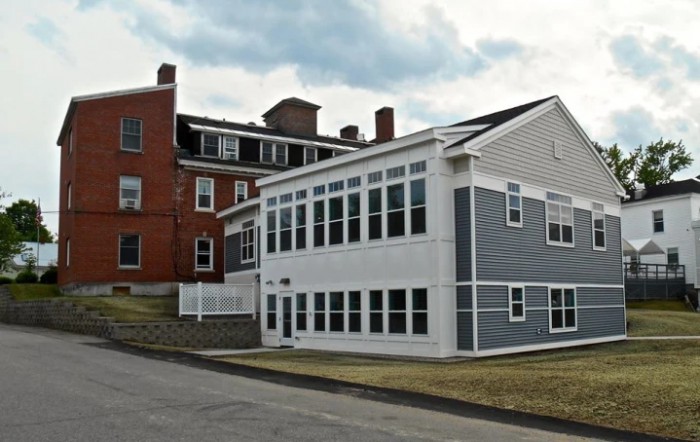

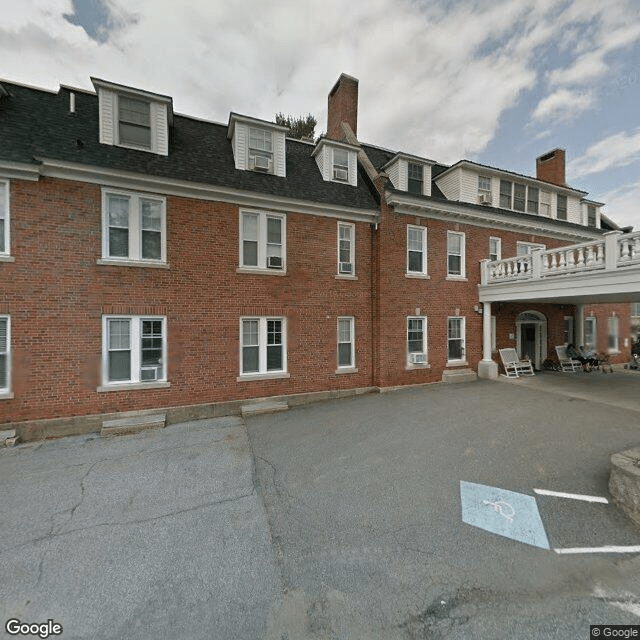
6 Terrace Street, Whitefield, NH 03598
For more information about senior living options: (866) 208-4318
Overall Review of Sartwell Place
Pros
 The administration and staff were friendly and caring.
- They tended to his needs timely and professionally.
- Everyone was friendly and helpful to the family during their visits.
- There is a very good team of folks at Morrison Skilled Nursing Home.
- She expressed relief after moving to the new nursing home, calling it much better.
Cons
 The facility was extremely short-staffed, leaving residents unattended and relying on a single LNA to cover an entire wing, making transfers unsafe.
- The environment was understaffed and crowded, with poor communication and little response from staff.
- The resident became dehydrated, delirious, developed bed sores, and suffered a serious infection.
- The family refused to have the resident sent back after that experience.
- The reviewer was not impressed within ten minutes of visiting a family member.
Review
Sartwell Place in Whitefield, NH is best suited for families seeking a small, community-like environment where staff can deliver genuine warmth when shifts align and frontline caregivers are present. The atmosphere can feel nurturing on days when care teams are fully staffed, and some residents may respond well to a personable, attentive touch. However, the reality at this facility is that staffing levels swing with every shift, and daily care quality hinges on which team is on duty. For families willing to advocate actively and tolerate variability, there can be meaningful moments of compassionate interaction.
Those with firm non-negotiables should consider alternatives. If reliable, safe, and medically supervised daily care is essential, Sartwell Place may fall short. Prospective residents whose priority is predictable staffing, prompt response to alarms, and consistent assistance with transfers, hydration, and wound prevention will likely experience frustration here. For families prioritizing steady care outcomes and lower risk of dehydration, delirium, bed sores, or unsafe transfers, other options with stronger staffing ratios and clearer communication practices are worth exploring.
The main drawbacks cluster around persistent understaffing and the resulting safety concerns. Reports indicate that there is often only one LNA assigned per wing, which compromises the ability to attend to all residents promptly and safely. Transfers can feel unsafe or rushed, and patients have endured dehydration, delirium, and bed sores under this pattern of care. Communication gaps compound the problem, leaving families unsure about a loved one’s status or plan. Crowded conditions add to the stress and increase the likelihood of missed cues or delays in needed assistance.
On balance, there are glimmers of positive experience tied to the facility’s human side. Several accounts highlight friendly, caring administration and staff who respond with courtesy and professionalism, particularly in hospice contexts where dedicated teams can be timely and attentive. In those moments, residents and families sense a level of competence and compassion that stands out against the broader staffing challenges. A few individual caregivers and teams demonstrate what high-quality care looks like when the system allows it.
Do these strengths offset the core concerns? They do not, in practical terms, offset the systemic risk created by inconsistent staffing. The most serious issues, dehydration, infection risk, wound development, and delayed response to urgent needs, often overwhelm the occasional acts of kindness or targeted, episodic good care. A strong hospice-oriented staff can deliver excellent end-of-life care, but that strength tends to be episodic and conditional, not a reliable baseline for everyday living and ongoing medical needs. In essence, good moments are possible, but they do not erase the underlying staffing fragility.
The prudent path for families is to approach Sartwell Place as a facility to scrutinize, not as a default choice. Concrete due diligence should include timing-focused observations (preferably across shifts), a review of actual staffing rosters and call-bell response times, and direct conversations with the administrator about staffing plans and contingency coverage. Prospective residents should request recent incident reports, wound and hydration care plans, and a clear path for escalation if concerns arise. If stability, predictability, and high-touch daily care are paramount, stronger options in the region are likely to deliver better long-term value and peace of mind. In the end, Sartwell Place merits careful consideration only for families prepared to be highly engaged advocates and to accept the realities that staffing gaps may impose.
 22 resident community capacity
 Assisted Living
 Board and Care Home
 Respite Care
 Skilled Nursing Facility
 Activities on-site
 Beauty salon
 Cable or satellite TV
 Devotional services off-site
 Dining room
 Fully furnished
 Garden
 Housekeeping services
 Indoor common areas
 Kitchenette
 Move-in coordination
 Outdoor space
 Telephone
 Wi-Fi/high-speed internet available
 24-hour call system
 Ambulatory care
 Assistance with bathing
 Assistance with dressing
 Assistance with transfers
 Diabetes diet
 Diabetic care
 Meal preparation and service
 Medication management
 Mental wellness program
 Special dietary restrictions
 Transportation arrangement (medical)
 Transportation to doctors appointments



 Senior Transition Services: Understanding Their Role, Cost, and Importance
 Exploring the Path to Senior Living: A Comprehensive Look at Independent Living and Assisted Living
 Is Assisted Living Deductible on Your Taxes? Understanding the Complexities of Assisted Living Expenses and Deductions