
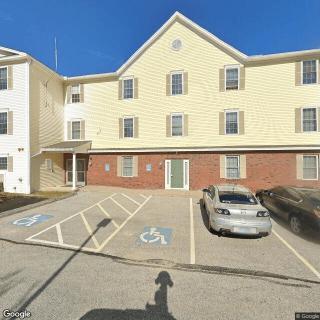
87 Stiles Road Ste 205, Salem, NH 03079
For more information about senior living options: (866) 208-4318
Overall Review of Pathways Healthcare
Pros
 They were able to get in promptly at a convenient weekly time and were happy with the way things were going.
Cons
 They advise others not to go there.
- They hate Dr. Rudman and her colleague Dave and would not wish them on anyone.
- They were treated terribly and were kept away from counseling for years.
- They do not recommend the practice.
- They state the staff are inept at understanding how insurance works.
- A staff member berated the husband for sending overly personal information and claimed there was no one to help him.
- The encounter was rude and unprofessional.
Review
Pathways Healthcare in Salem, NH is best suited for adults who need occasional mental health support and can tolerate uneven bedside manner in exchange for scheduling flexibility. The feedback indicates that, when a slot becomes available, weekly sessions can often be arranged at convenient times, a practical perk for busy lives. For those who can manage administrative rough edges and less-than-stellar empathy from staff, this practice offers access to counseling without a long or arduous wait every time.
However, families should consider alternatives if dependable, compassionate care and reliable administrative support are priorities. Repeated accounts describe rude, dismissive intake experiences, and a pattern of unanswered calls and unclear insurance handling. For individuals wrestling with anxiety or panic disorders, or those seeking grief counseling, the treatment environment must feel respectful and responsive; the current pattern risks undermining trust and progress. Those who require consistent, patient-centered engagement would be wise to explore other providers with documented emphasis on empathetic communication and transparent billing.
Pros, appointment availability and scheduling flexibility, offer real, practical value. A scheduled weekly cadence can reduce missed sessions and keep care on track when a reliable schedule is the primary need. Yet these advantages do not offset the core drawbacks: encounters with staff that feel punitive, unclear or mishandled insurance processes, and an intake experience that leaves patients feeling belittled or unheard. In mental health care, the therapeutic alliance begins at intake; when that foundation is shaky, the potential benefit of regular sessions erodes.
Review patterns reveal a troubling consistency: one patient was told they should not be wished on anyone and another described a clinician as “horrible,” with the result that progress was delayed by years. A different account details a counselor being berated for sending personal information, raising concerns about boundaries and professionalism. Additional notes claim that a grief counseling inquiry never received a call back, signaling a breakdown in basic responsiveness. Taken together, these experiences suggest a systemic risk to trust, safety, and effective care.
Decision-makers should actively compare Pathways against alternatives that demonstrate stronger patient experience metrics: empathetic intake, clear guidance on insurance, reliable callbacks, and predictable scheduling. If Pathways is under consideration, prepare to verify the clinician’s approach, confirm who handles insurance questions, and set explicit expectations for response times. Ask for a recent client-reported experience or verification of consistency across staff. A trial period with measurable satisfaction criteria can reveal whether the scheduling advantages are worth the interpersonal costs, or whether a different provider is likely to deliver steadier progress.
Bottom line: Pathways Healthcare functions as a narrow option, accessible scheduling but fraught with inconsistent empathy and administrative responsiveness. For families prioritizing reliable, compassionate care and straightforward insurance handling, alternatives are the safer bet. The reviews signal a real risk of frustration and slow progress if chosen without due diligence. The prudent path is to interview multiple providers, test the intake process, and choose a partner with a demonstrated commitment to respectful communication, dependable follow-through, and patient-centered care. In such decisions, experience and clarity around operations will translate directly into steadier outcomes for mental health support.
 21 resident community capacity
 Assisted Living
 Beauty salon
 Cable or satellite TV
 Dining room
 Fully furnished
 Garden
 Housekeeping services
 Kitchenette
 Move-in coordination
 Outdoor space
 Restaurant-style dining
 Small library
 Telephone
 Wi-Fi/high-speed internet available
 Manchester (15 miles away)
 24-hour call system
 Activities of daily living assistance
 Assistance with bathing
 Assistance with dressing
 Assistance with transfers
 Diabetes diet
 Medication management
 Mental wellness program
 Special dietary restrictions




 Social Security Benefits and Assisted Living: Navigating Options Across the U.S.
 An Extensive Exploration of the VA Aid and Attendance Benefit
 Senior Transition Services: Understanding Their Role, Cost, and Importance