
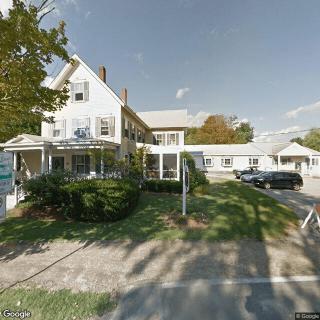
82 King Hill Road, New London, NH 03257
For more information about senior living options: (866) 208-4318
Overall Review of Kearsarge Good Day Respite Program
Pros
 They enjoyed the yard sale, and the hot dogs were great.
- They had a lot of fun at the yard sale.
- The church was wonderful, with warm handshakes and eager conversations.
Review
Kearsarge Good Day Respite Program in New London, NH is best suited for families seeking a short-term, socially rich, community-oriented respite experience where the atmosphere feels welcoming and informal. The program shines when the goal is to reduce isolation and create meaningful social connections through accessible activities, casual gatherings, and shared experiences. It is particularly appealing to those who value warm interpersonal engagement, light social programming, and a setting where neighbors and activities feel familiar and low-key rather than clinical or rushed.
Caregivers should explicitly consider alternatives if the primary need centers on robust medical oversight, long-term placement, or highly specialized care. For seniors requiring intensive skilled nursing, dementia-focused supervision, or structured long-term accommodations with guaranteed clinical support, a traditional assisted living with a clear 24/7 care plan or a dedicated memory-care unit may serve better. Those who anticipate needing extended stays beyond respite, or who require regular physical therapy, IV therapies, or complex medication management, will likely find the options elsewhere more predictable and comprehensive.
The strongest pro of this respite program is its social fabric: a welcoming culture with plenty of opportunities to engage in conversations, light activities, and shared experiences like yard sales and community gatherings. This social strength cannot be overstated for families balancing caregiver burnout and senior loneliness. When costs and logistics align, that human connection often translates to better mood, smoother days, and a more hopeful sense of belonging for participants. In practical terms, the positives here offset the lack of explicit clinical detail by delivering everyday life in a warm, approachable package.
Another clear advantage is the tangible sense of community support evidenced by how residents and visitors interact. Descriptions of warm handshakes and eager conversations imply staff and volunteers who invest time in meaningful conversations and relationship-building, not just routine check-ins. For prospective residents who fear isolation or stress in new environments, this can be a decisive factor: a respite stay that feels like stepping into a trusted circle rather than entering a sterile facility. Yet, this strength also highlights a gap for families seeking structured programming beyond social activities; the environment may not substitute for formal therapeutic or rehabilitative services.
Visitors should scrutinize practical details that the available reviews do not fully reveal. Questions to prioritize include: what levels of medical oversight are available during respite stays, what the typical caregiver-to-staff ratio looks like, and whether there are optional or scheduled therapies, rehabilitation services, or medication management on-site. Clarify if there are defined activity calendars, meal options, and transportation support. Understand the cost structure for short-term stays, what the pricing includes, and how predictable the billing might be if care needs escalate during a stay. This clarity will determine whether the social atmosphere can be paired with the clinical safeguards required by the resident.
Ultimately, the decision hinges on alignment of priorities with realities. If the aim is a respite environment that feels like a close-knit community where peers and staff form a supportive network, Kearsarge Good Day Respite Program delivers with genuine warmth and social vitality. If the aim extends beyond companionship to guaranteed medical oversight, long-term residence, or specialized care, families should pursue alternatives that supply those clinical assurances. Conduct a thorough visit, request a sample schedule, speak with current participants and families, and pin down staffing practices and care capabilities. In the right circumstances, this program becomes a trusted, low-stress bridge for short-term stays and emotional well-being; in others, it points toward a setting better suited to social enrichment rather than ongoing medical or long-term care needs.
 21 resident community capacity
 Assisted Living
 Beauty salon
 Cable or satellite TV
 Dining room
 Fully furnished
 Garden
 Housekeeping services
 Kitchenette
 Move-in coordination
 Outdoor space
 Restaurant-style dining
 Small library
 Telephone
 Wi-Fi/high-speed internet available
 24-hour call system
 Activities of daily living assistance
 Assistance with bathing
 Assistance with dressing
 Assistance with transfers
 Diabetes diet
 Medication management
 Mental wellness program
 Special dietary restrictions






 Assisted Living and Memory Care: Understanding Their Core Differences
 Beyond the Bingo Hall: 50+ Enriching Activities for Seniors in Assisted Living
 Understanding the Distinctions: Assisted Living and Memory Care Explained