
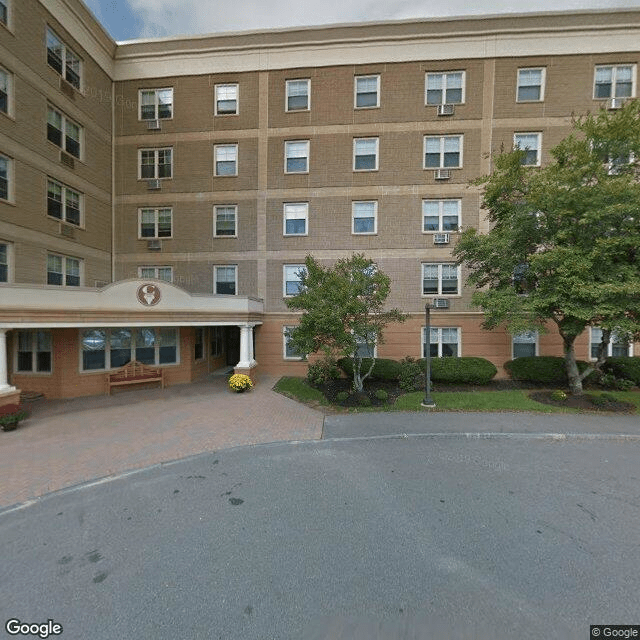
7 Coliseum Ave, Nashua, NH 03063
To contact a resident: (603) 641-2163
For more information about senior living options: (866) 208-4318
Coliseum Seniors II Costs & Pricing
Coliseum Seniors II offers competitive pricing for its residential options, particularly when compared to the wider market in Hillsborough County and the state of New Hampshire. For a one-bedroom unit, residents can enjoy a monthly cost of $955, which is significantly lower than the county average of $5,096 and even more so compared to New Hampshire's average of $4,444. Similarly, the two-bedroom units at Coliseum Seniors II are priced at $1,130, offering an attractive alternative to the county's average of $5,810 and New Hampshire's average of $4,901. This pricing structure makes Coliseum Seniors II an appealing choice for seniors seeking quality housing without the burden of excessive costs.
| Floor plans | Coliseum Seniors II | Hillsborough County | New Hampshire |
|---|---|---|---|
| 1 Bedroom | $955 | $5,096 | $4,444 |
| 2 Bedrooms | $1,130 | $5,810 | $4,901 |
Senior living communities with a similar price nearby
-
from -$45 / mo

Anwelt Heritage Apartments
$910 to $1,100 / month20.7 miles away -
About the same
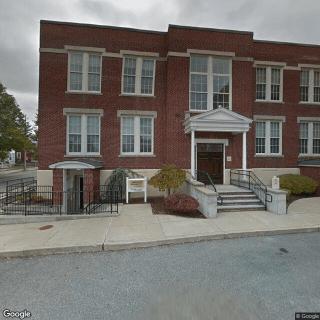
Sacred Heart Apartments
$928 to $1,107 / month18.0 miles away -
from -$45 / mo
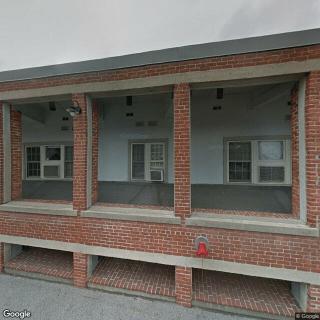
Linsey Landing
$910 to $7,391 / month9.1 miles away
Overall Review of Coliseum Seniors II
Pros
 The complex is described as a great place to live, with the office staff and maintenance staff being wonderful.
- The apartments are loved and considered a great place to live.
Cons
 The place is not what it seems.
- There were no accommodations for walking dogs in the new section.
- Management sent letters about not walking on grass or anywhere on the property for two years.
- The rules included prohibitions on opening windows and on smoking, with fines.
- A resident was fined $50 for smoking in their car.
- No candle burning was allowed.
- When the snow plow comes, residents must move their cars and cannot return to their apartments for two hours.
- The complex entrance was blocked.
- The rules became unreal for seniors, with talk of bars on windows and banning pets.
Review
Coliseum Seniors II in Nashua, NH, is best suited for seniors who prize a well-kept, service-oriented living environment and are comfortable navigating a highly regulated setting. The community’s strongest selling points are clearly the upkeep of the property and the responsiveness of the office and maintenance teams. Residents who value dependable maintenance, clean common areas, and a building that runs smoothly day to day will feel well cared for here. The apartments themselves are described as attractive, and the overall living experience is buoyed by staff who handle requests promptly and keep the complex in solid condition.
That said, potential residents should be explicit about their tolerance for policy rigidity and changing rules. Those who require a pet-friendly environment or who expect a lot of freedom in how the property is managed will want to consider alternatives. The core concern voiced by one long-tenured renter centers on inconsistent pet policies and a management approach that many perceived as punitive and heavy-handed. If pet ownership or relaxed rule enforcement is non-negotiable, this community may not be the best fit. Prospective residents should not assume a stable stance on pet issues without obtaining current, written policy details and documented commitments from management.
The positive aspects, the maintenance reliability, the courteous office staff, and the apparent quality of the living spaces, do offset the drawbacks for some residents, but not equally for all. For seniors who prioritize a calm, orderly environment and value ongoing, predictable service, the pros can outweigh the cons. When maintenance requests are handled promptly and the property is kept in good repair, daily life feels smoother and more secure. In that context, the “great place to live” sentiment and the consistently praised staff become meaningful differentiators that can justify choosing Coliseum Seniors II over other options.
However, the principal drawbacks are significant and recurring. The reviews recount a long stretch of rule-heavy governance, with restrictions that touch daily behavior, no open windows, no candles, strict smoking rules, even extending to vehicles and parking during snow plow operations. Fines for perceived violations, including a documented instance of a fine for smoking in a car, contribute to a climate of vigilance rather than relaxation. The most contentious issue is the pet policy, evolving from a tentative allowance for small dogs to a later stance that effectively limits or eliminates pet ownership, accompanied by admonitions about barking and the need to manage pet activity within strict guidelines. Coupled with enforcement actions and notices that feel punitive, the atmosphere can feel hostile to long-time residents who value autonomy.
Management credibility also factors into the decision. The reviews point to a shift in oversight personified by a local manager tied to a family-led ownership group, which some residents perceived as driving an increasingly rigid rule set. For families evaluating Coliseum Seniors II, it is essential to probe how current leadership translates policy into day-to-day life, how residents can appeal fines or policy decisions, and whether there is a living, ongoing commitment to resident input. The risk is clear: strong maintenance and friendly service might be outweighed by a climate of constraint and potential eviction-by-policy for those who fall afoul of a broad matrix of regulations.
In practical terms, families must weigh the value of a well-maintained, service-forward community against the potential cost of policy volatility and punitive enforcement. If a senior prioritizes pet companionship, relaxed rules, and a sense of neighborly flexibility, Coliseum Seniors II may not meet that need. If, instead, the priority is dependable upkeep, courteous staff, and stable day-to-day operations within a regulated, orderly setting, this community remains compelling, provided current policies are fully understood and clearly documented. The decision hinges on whether the quality of the living environment and management reliability can compensate for the restrictive climate and the ongoing questions about pet policy and resident autonomy.
 Active Adult Communities (55+)
 Cats allowed
 Activities on-site
 Beautician on-site
 Indoor common areas
 Outdoor common areas
 Wheelchair accessible showers
 Manchester (12 miles away)


 Comprehensive Insights and Practical Strategies to Help Older Adults Avoid Falls
 6 Crucial Ways an Elder Law Attorney Assists Families
 Navigating the Tax Landscape of Caregiving: Credits, Deductions, and Beyond