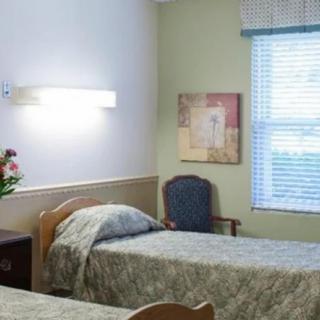
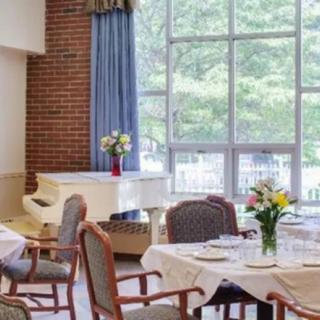
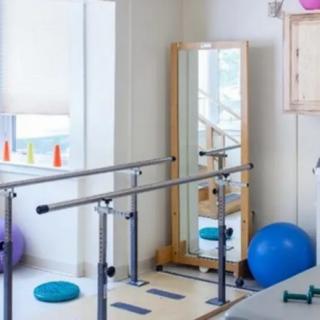
Westwood Center in Keene, NH

Save

Westwood Center in Keene, NH

298 Main Street, Keene, NH 03431

For more information about senior living options: (844) 490-3973

3.5 from 21 reviews
5 stars
10
4 stars
4
3 stars
0
2 stars
1
1 stars
6

Assisted Living Skilled Nursing Facility

Overall Review of Westwood Center

Pros

  • pro The staff take very good care of residents.
  • pro Alpine staff show unfailing compassion at all levels.
  • pro Staff treat residents with respect and a sense of humor.
  • pro They are friendly, attentive, professional, and personable.
  • pro The staff go above and beyond to support residents and their families.
  • pro The Evergreen Dementia unit staff are caring and compassionate.
  • pro Family members feel supported by the staff during difficult times.

Cons

  • pro The facility is sleazy and very dirty, with food stuck to walls and floors, and blood on the walls that remained for weeks.
  • pro There is no privacy, as staff are overheard loudly discussing patients in the hall.
  • pro The staff are described as cold, cruel, judgmental, dangerous, and unsanitary; there is one nurse aide for 18 patients, and call lights can go unanswered for an hour or more.
  • pro The menu consists of inflammatory foods such as sugar, processed items, and nightshades, which are inappropriate for pain-ridden patients and could necessitate more pain meds and risk diabetic complications.
  • pro Linen is rarely clean - thin, worn, torn, and stained; floors are rarely swept or washed; there is a smell of cat urine; heating is minimal; and the environment is extremely noisy.
  • pro Care progression is driven by insurance company decisions rather than the individual needs of patients; a resident was injured by a physical therapist; physical therapy was forced despite a new injury; and there were frequent falls.
  • pro Belongings were discarded in the trash, including a pendant urn with ashes; families felt a lack of care, respect, and honesty.
  • pro Some residents are rude.
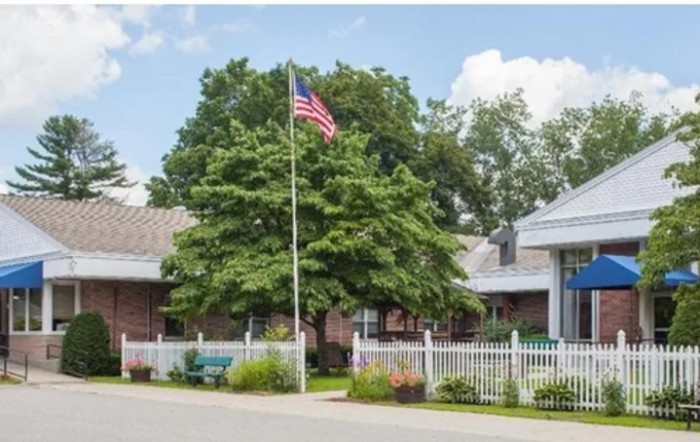
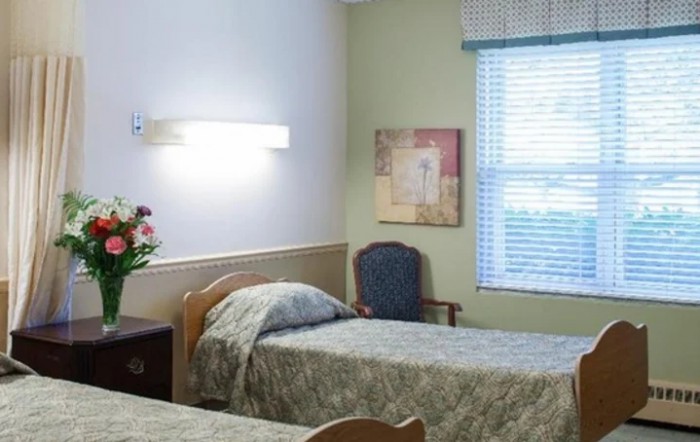
  • pro Antiquated, gloomy decor and a lack of consistency and standards.
  • pro A resident was discharged to the ER within hours and billed for time not spent there, with the bill later issued in a family member's name.
  • pro Staff misinformation and multiple daily errors related to insurance, medications, appointments, and the menu.
  • pro Residents must speak up for themselves, and the daily experience was described as increasingly worse, extremely stressful, and exhausting.

Review

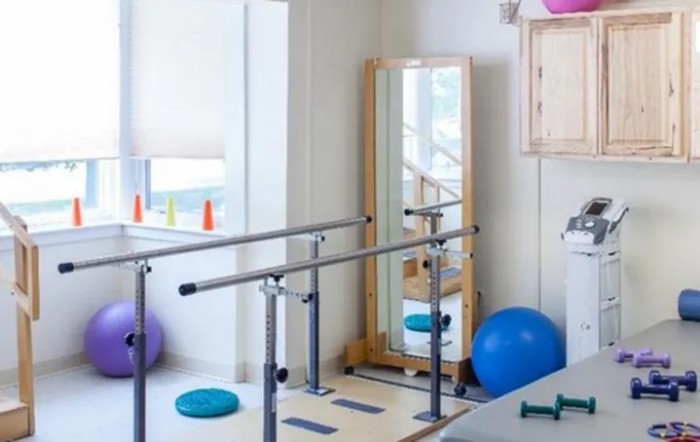
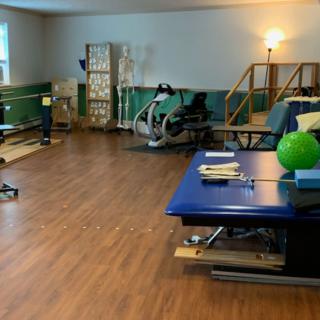
Westwood Center in Keene, NH is best suited for seniors who need dementia-focused care or short-to-medium rehabilitation, delivered in a community where frontline staff consistently show warmth and commitment. Families report an Evergreen Dementia Unit that operates with routines and interactions built around residents' dignity, with caregivers across roles - from aides to environmental services - pulling together to keep daily life steady and supportive. This is not the most glamorous setting, but the culture centers on reliable, person-centered care. For residents wrestling with memory challenges, Westwood provides a framework for consistent supervision, tailored diets, and rehabilitative activities that aim to restore or maintain functioning and independence where possible.

At the same time, this community may not be the top choice for families who prize pristine interiors, total privacy, and a uniformly flawless administrative experience. Some feedback points to an older, less polished environment, with concerns about privacy and staff conversations that feel exposed in hallways. Billing and administrative missteps appear in certain accounts, including disputes over charges and insurance handling. For families that require flawless execution across all touchpoints and a completely modern, spotless setting, alternatives warrant serious consideration.

The key pros at Westwood - most notably the genuine compassion and responsiveness of staff at every level - help offset several notable drawbacks. When caregivers are consistently attentive, residents experience timely assistance, respectful communication, and a sense that someone is watching out for them through difficult days. The presence of a structured dementia unit and dedicated rehab services adds practical value: residents receive targeted programming, dietary plans aligned to medical needs, and ongoing rehabilitation that supports day-to-day functioning. In this light, the human-centric care model matters more than d?cor or episodic administrative hiccups, making the center a compelling option for families who prioritize relational caregiving.

To make an informed decision, prospective families should approach visits with a focused checklist. Observe how the dementia unit operates, inquire about staff-to-resident ratios, and request current care plans that spell out how behaviors, pain, and nutrition are managed. Ask about privacy safeguards, the process for call-light requests, and the frequency of housekeeping and linen replacement. Request a clear, written outline of payment options and how changes in insurance or funding would affect ongoing care. If possible, speak with current residents' families to learn about consistency in care and responsiveness, and review recent inspection findings to gauge how the facility has addressed past concerns.

For residents who require dementia care alongside rehabilitative support, Westwood can be a stable, reassuring home base that emphasizes continuity of relationships and dependable daily routines. For those who demand pristine surfaces, private rooms, and perfectly synchronized administrative systems, exploring alternatives may prevent later disappointment. The strongest signal is whether the care team's warmth and reliability can compensate for environmental imperfections and occasional administrative rough patches. The balance between humane caregiving and facility polish will steer families toward or away from this option, so a deliberate, comparative visit is essential.

Bottom line: Westwood Center delivers a practical, relationship-driven care model rooted in compassionate staff and structured dementia and rehab programming. It serves families that value human connection, steady daily support, and coordinated diet and therapy services, even if the ambiance and some administrative elements require patience and proactive oversight. If privacy, modern decor, and perfectly consistent operations are non-negotiable, build a short list of alternatives for side-by-side comparison. A thoughtful, repeated evaluation - talking with staff, residents, and external benchmarks - will reveal whether Westwood aligns with the resident's needs and the family's expectations.

Features

Housing

  • 21 resident community capacity 21 resident community capacity

Types of Care

  • Assisted Living Assisted LivingAssisted living facilities provide crucial support and care for seniors who may need help with daily tasks such as medication management, bathing, and meal preparation. These communities offer a safe and comfortable environment where seniors can maintain their independence while receiving the assistance they need to thrive in their golden years.
  • Skilled Nursing Facility Skilled Nursing FacilitySkilled Nursing Facilities are crucial for seniors as they provide round-the-clock medical care, rehabilitation services, and assistance with daily activities. These facilities ensure that seniors receive the specialized care they need to maintain their health and well-being as they age.

Amenities

  • Beauty salon Beauty salonBeauty salons are important for seniors because they provide a space for them to feel pampered, socialize, and maintain their personal grooming and hygiene. Regular visits to a beauty salon can help boost seniors' self-esteem and overall well-being.
  • Cable or satellite TV Cable or satellite TVCable or satellite TV is important for seniors because it provides entertainment, news, and companionship, helping to combat loneliness and boredom. It also offers a wide range of programming options tailored to different interests and preferences.
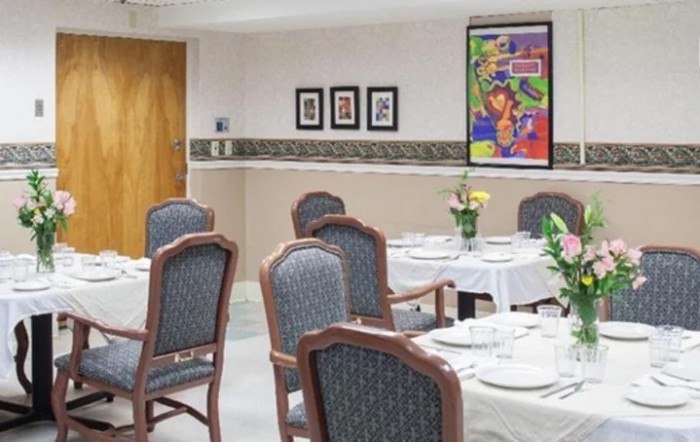
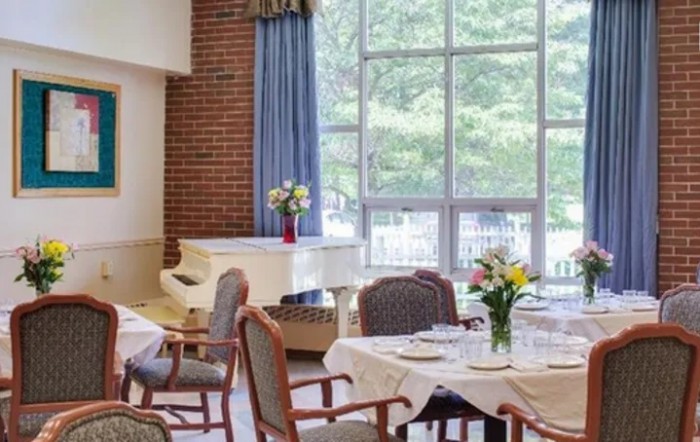
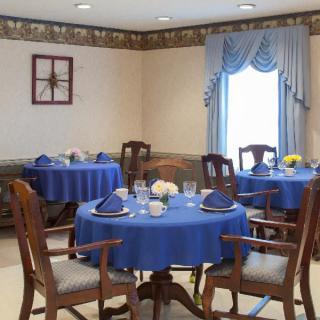
  • Dining room Dining roomDining rooms are important for seniors as they provide a space for socialization, connection, and nutritious meals. They offer opportunities for residents to bond over shared meals, foster a sense of community, and promote healthy eating habits. Dining rooms also ensure that seniors have access to well-balanced meals tailored to their dietary needs and preferences.
  • Fully furnished Fully furnishedFully furnished senior living communities are important for seniors because they provide convenience, comfort, and a hassle-free moving experience. Seniors can easily settle into their new living space without the stress of having to buy and move furniture. This allows them to focus on enjoying their new home and community.
  • Garden GardenGardens are important for seniors as they provide a peaceful and therapeutic environment for relaxation, physical activity, and socialization. Being in nature has been shown to reduce stress, improve mood, and promote overall well-being. Gardens also offer opportunities for seniors to engage in gardening activities, which can improve mobility, flexibility, and cognitive function. Additionally, gardens create a sense of community and connection with others who share a passion for plants and outdoor spaces.
  • Housekeeping services Housekeeping servicesHousekeeping services are important for seniors because they help maintain a clean and safe living environment, promote independence, and reduce the risk of accidents or illnesses. Additionally, having assistance with household chores can alleviate physical strain and allow seniors to focus on other aspects of their well-being.
  • Kitchenette KitchenetteKitchenettes are important for seniors living in senior living communities because they provide the convenience and independence of being able to prepare simple meals and snacks in the comfort of their own living space. This can help promote a sense of autonomy and well-being for seniors, allowing them to maintain some level of control over their dietary choices and daily routines.
  • Move-in coordination Move-in coordinationMove-in coordination is important for seniors because it helps ease the transition into their new living environment. It ensures that all logistics, such as packing, organizing movers, and setting up utilities are taken care of, allowing seniors to focus on settling in and adjusting to their new home. Having a smooth move-in process can alleviate stress and anxiety, making the transition smoother and more enjoyable for seniors.
  • Outdoor space Outdoor spaceOutdoor spaces are important for seniors as they provide opportunities for physical activity, social interaction, exposure to natural light and fresh air, and a sense of connection to nature. Having access to outdoor spaces can improve overall well-being and quality of life for older adults living in senior communities.
  • Telephone TelephoneTelephones are important for seniors as they provide a lifeline for communication with loved ones, emergency services, and healthcare providers. They offer a sense of security and independence, enabling seniors to stay connected and access assistance when needed.
  • Wi-Fi/high-speed internet available Wi-Fi/high-speed internet availableWi-Fi/high-speed internet is important for seniors to stay connected with loved ones, access online resources, and participate in virtual activities to combat feelings of loneliness and isolation. It also allows them to easily manage healthcare needs, access entertainment, and engage in lifelong learning opportunities.

Care Services

  • 24-hour call system 24-hour call system24-hour call systems are important for seniors because they provide peace of mind and immediate assistance in case of emergencies. This technology ensures that help is always available, promoting safety and security for elderly individuals living alone or in assisted living facilities.
  • 24-hour supervision 24-hour supervision24-hour supervision is important for seniors to ensure their safety, well-being, and access to immediate assistance in case of emergencies or health issues. This constant support provides peace of mind for both seniors and their loved ones, allowing them to age in place with dignity and security.
  • Activities of daily living assistance Activities of daily living assistanceActivities of daily living assistance are important for seniors because they provide essential support with tasks such as eating, bathing, dressing, and mobility. This assistance helps seniors maintain their independence, dignity, and overall quality of life as they age.
  • Assistance with bathing Assistance with bathingAssistance with bathing is crucial for seniors as it helps maintain personal hygiene, prevents infections, and ensures their overall well-being and comfort. It also provides a sense of dignity and independence for seniors who may struggle with this task on their own.
  • Assistance with dressing Assistance with dressingAssistance with dressing is important for seniors because it helps maintain their independence, promotes personal hygiene, prevents accidents and injuries, and improves overall quality of life. This service ensures that seniors can continue to dress comfortably and confidently, despite any physical limitations they may have.
  • Assistance with transfers Assistance with transfersAssistance with transfers is crucial for seniors as it helps prevent falls and injuries, maintains their independence, and ensures they can safely navigate their living environment. It also provides peace of mind for both seniors and their loved ones.
  • Coordination with health care providers Coordination with health care providersCoordination with health care providers is crucial for seniors to ensure proper medical care, medication management, and overall well-being. This collaboration helps prevent overlapping treatments, track progress more effectively, and provide comprehensive support tailored to individual needs.
  • Diabetes diet Diabetes dietA diabetes diet is crucial for seniors as it helps manage blood sugar levels, reduce risks of complications, and improve overall health and well-being. By following a balanced and nutritious diet tailored to their specific needs, seniors can better control their diabetes and enhance their quality of life.
  • Meal preparation and service Meal preparation and serviceMeal preparation and service are crucial for seniors as they may have limited mobility or energy to cook nutritious meals. Having access to healthy and convenient food options can ensure they are getting the proper nutrition needed to maintain their overall health and well-being.
  • Medication management Medication managementMedication management is crucial for seniors to ensure they are taking the right medications at the correct dosages and times. This helps prevent adverse drug interactions, reduces the risk of medication errors, and promotes overall health and well-being. Proactive management also allows for adjustments as needed based on changing health conditions or new prescriptions.
  • Mental wellness program Mental wellness programMental wellness programs are essential for seniors as they promote cognitive stimulation, emotional support, and social engagement. These programs help prevent isolation, depression, and cognitive decline, ultimately enhancing the overall quality of life for older adults.
  • Special dietary restrictions Special dietary restrictionsSpecial dietary restrictions are important for seniors because age-related changes in metabolism and health conditions can make it difficult for their bodies to process certain foods. By following a diet tailored to their specific needs, seniors can maintain their overall health and well-being, manage chronic conditions, and reduce the risk of complications such as malnutrition or food interactions with medications.
  • Transportation arrangement (medical) Transportation arrangement (medical)Transportation arrangements for medical purposes are essential for seniors as they may have difficulty driving themselves to appointments or accessing public transportation. Having reliable and safe transportation options ensures that seniors can receive timely medical care and maintain their health and well-being.
  • Transportation to doctors appointments Transportation to doctors appointmentsTransportation to doctors' appointments is crucial for seniors as it ensures they have access to necessary medical care and support for their health needs. Without reliable transportation, seniors may struggle to attend important appointments, leading to potential delays in treatment and health complications. Providing transportation services helps seniors maintain their overall well-being and quality of life.
Dining

  • Diabetes diet Diabetes dietA diabetes diet is crucial for seniors as it helps manage blood sugar levels, reduce risks of complications, and improve overall health and well-being. By following a balanced and nutritious diet tailored to their specific needs, seniors can better control their diabetes and enhance their quality of life.
  • Special dietary restrictions Special dietary restrictionsSpecial dietary restrictions are important for seniors because age-related changes in metabolism and health conditions can make it difficult for their bodies to process certain foods. By following a diet tailored to their specific needs, seniors can maintain their overall health and well-being, manage chronic conditions, and reduce the risk of complications such as malnutrition or food interactions with medications.

Activities

  • Community-sponsored activities Community-sponsored activitiesCommunity-sponsored activities are important for seniors as they provide opportunities for social interaction, mental stimulation, and physical activity. These activities can help improve overall well-being, combat loneliness and isolation, and promote a sense of belonging and purpose among older adults.
  • Scheduled daily activities Scheduled daily activitiesScheduled daily activities are important for seniors because they provide structure, socialization, mental stimulation, and physical activity. Engaging in regular activities can improve overall well-being and quality of life for seniors living in a community setting.

Description

The Westwood Center in Keene, NH is a skilled nursing facility that provides top-quality care and amenities for its residents. The center offers a range of care services including 24-hour supervision, assistance with activities of daily living such as bathing and dressing, coordination with healthcare providers, medication management, and specialized dietary options.

Residents at the Westwood Center can enjoy a comfortable and fully furnished living space equipped with cable or satellite TV, Wi-Fi/high-speed internet access, a telephone, and a kitchenette. Housekeeping services ensure that the living environment remains clean and well-maintained.

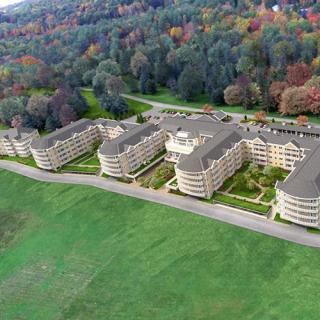
For relaxation and outdoor recreation, the center features a beautiful garden and outdoor space where residents can enjoy fresh air and nature. Additionally, move-in coordination is available to assist new residents in settling comfortably into their new home.

The dining experience at the Westwood Center caters to special dietary restrictions to ensure that all residents receive delicious and wholesome meals that meet their unique needs. Meals are prepared and served on-site by the staff.

To keep residents engaged and active, the center offers scheduled daily activities that encourage socialization, mental wellness, and physical movement. Residents can also take advantage of nearby amenities including three cafes, one park, four pharmacies, ten physicians' offices, twelve restaurants for dining out options, four places of worship for spiritual needs, one theater for entertainment purposes, as well as one hospital for medical emergencies.

Overall, the Westwood Center provides exceptional care services in a comfortable setting while offering convenient access to nearby amenities. It strives to create an inclusive community where each resident's health and well-being are prioritized.

Nearby Places of Interest

Places of Worship

  • Parish of the Holy Spirit (0.3 miles)
  • St James Episcopal Church (0.5 miles)
  • Fellowship of Christian Athletes (1.7 miles)
  • St Margaret Mary Religious (2 miles)
  • General Conference Of Seventh-Day Adventists (7.3 miles)
  • Harrisville Community Church (9.3 miles)
  • Baha'i Faith (11.5 miles)

Cafes

  • Terra Nova Coffee Roasters (0.4 miles)
  • Panera Bread (0.8 miles)
  • Starbucks (0.8 miles)
  • Duchess Coffee (15.1 miles)
  • Amy's Bakery Arts Cafe (15.1 miles)
  • Mocha Joe's (15.1 miles)
  • The Works Café (15.2 miles)

Restaurants

  • Bagel Works (0.4 miles)
  • D's Deli (0.4 miles)
  • Papa Gallos Restaurant (0.4 miles)
  • Local Burger (0.4 miles)
  • Margaritas Mexican Restaurant (0.4 miles)
  • Lindy's Diner (0.5 miles)
  • Machina Kitchen & ArtBar (0.6 miles)

Theaters

  • Colonial Theatre (0.4 miles)

Physicians

  • Dermatology - Cheshire Medical Center/Dartmouth-Hitchcock (0.4 miles)
  • Ophthalmology And The Optical Shop - Cheshire Medical Center/Dartmouth-Hitchcock Keene (0.5 miles)
  • Dartmouth-Hitchcock Keene (0.5 miles)
  • Dr. Dexter's Vision Center (0.6 miles)
  • Pattavina Maria Arnp (0.7 miles)
  • Kiser Orthodics (1 miles)
  • Levin Lara MD (1.7 miles)

Pharmacies

  • Rite Aid (0.7 miles)
  • CVS Pharmacy (0.7 miles)
  • Monadnock Folklore Society (0.8 miles)
  • Walgreens (1 miles)
  • Rite Aid (12.3 miles)
  • Putney General Store (12.9 miles)
  • Southern Vermont Wellness Disp (14.4 miles)

Hospitals

  • The Woodward (1 miles)
  • Scott Thomas Clear Choice MD Centers (14.5 miles)
  • Brattleboro Retreat (15.2 miles)

Parks

  • Otter Brook State Park (3.6 miles)
  • Troy Town Common (8.4 miles)
  • Mount Monadnock State Park (11.1 miles)
  • Crowell Park (15.6 miles)
  • Jaffrey Recreation Department (15.6 miles)

Transportation

  • U-Haul Neighborhood Dealer (14 miles)
  • Amtrak BRA (15.1 miles)
  • U-Haul Neighborhood Dealer (15.6 miles)

Frequently Asked Questions

Where is Westwood Center?
What photos are available for Westwood Center in Keene, New Hampshire?

Nearby Communities

  • Emerald House

    Emerald House

    Keene, NH

     
    $6,090 / month

    pro Premium amenities and comprehensive care with outdoor spaces.

  • American House Keene

    American House Keene

    Keene, NH

    4.6 from 46 reviews
    $2,880 to $5,090 / month

    pro Clean, modern facility with caring staff and engaging activities.

  • Bentley Commons at Keene

    Bentley Commons at Keene

    Keene, NH

    4.9 from 10 reviews
     

    pro Clean, modern facility with a welcoming atmosphere, engaging activities, and friendly staff.

  • Comfort Keepers-Keene

    Comfort Keepers-Keene

    Keene, NH

    3.7 from 7 reviews
     

    pro Fully furnished apartments with 24-hour care and restaurant-style dining.

  • Vna At Hcs

    Vna At Hcs

    Keene, NH


    pro Intimate, fully furnished assisted living with 24-hour supervision, medication management, and restaurant-style dining.

  • Castle Center For Adult Group Day Care

    Castle Center For Adult Group Day Care

    Keene, NH

    4.2 from 6 reviews
     

    pro Compassionate, friendly staff with meaningful activities and reliable transportation (Friendly Bus).

  • Langdon Place of Keene

    Langdon Place of Keene

    Keene, NH

    4.6 from 118 reviews
    $3,360 to $5,140 / month

    pro Compassionate staff, strong family communication, and engaging activities.

  • Hillside Village Keene

    Hillside Village Keene

    Keene, NH

    5 from 12 reviews
     

    pro Comprehensive, integrated care options (AL, independent living, memory care, CCRC) in one community.

  • Applewood Rehabilitation Center

    Applewood Rehabilitation Center

    Winchester, NH

    4.9 from 100 reviews
     

    pro 24-hour care with ADL support and medical coordination in a fully furnished setting.

Related Resources

  • activities of daily livingComprehensive Insights into Activities of Daily Living (ADLs) and Their Assessment

    Activities of Daily Living (ADLs) are fundamental tasks vital for an individual's independence, particularly in older adults over 85, and include functions like bathing and dressing; assessing ADLs alongside Instrumental Activities of Daily Living (IADLs) helps determine the level of required assistance due to age-related health challenges. Tailored support plans, involving family and community resources, are essential for maintaining dignity and autonomy in assisted living environments.

  • does medicare pay for assisted livingMedicare Coverage for Assisted Living: An In-Depth Exploration

    Medicare does not cover assisted living costs, as it focuses on acute medical needs and short-term care, with exceptions for certain medically necessary services like physical therapy. Individuals must explore other options such as Medicaid, veterans' benefits, or long-term care insurance to manage these expenses effectively.

  • assisted living vs nursing homeChoosing the Right Senior Care: A Detailed Exploration of Assisted Living and Nursing Homes

    Choosing between assisted living and nursing homes involves evaluating emotional and financial factors, with assisted living offering independence and support for daily activities at a lower cost, while nursing homes provide intensive medical care for individuals with significant health needs. The decision is influenced by personal preferences, health status, cognitive function, and varying Medicaid coverage across states.