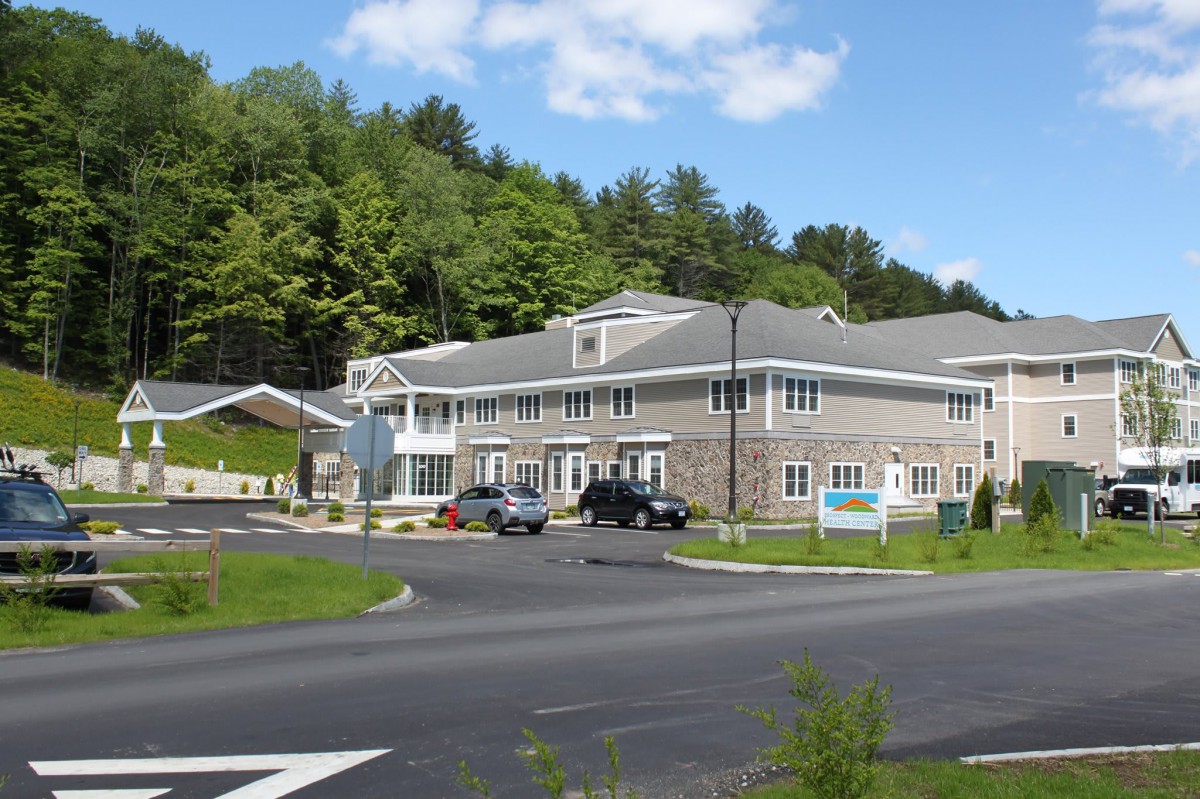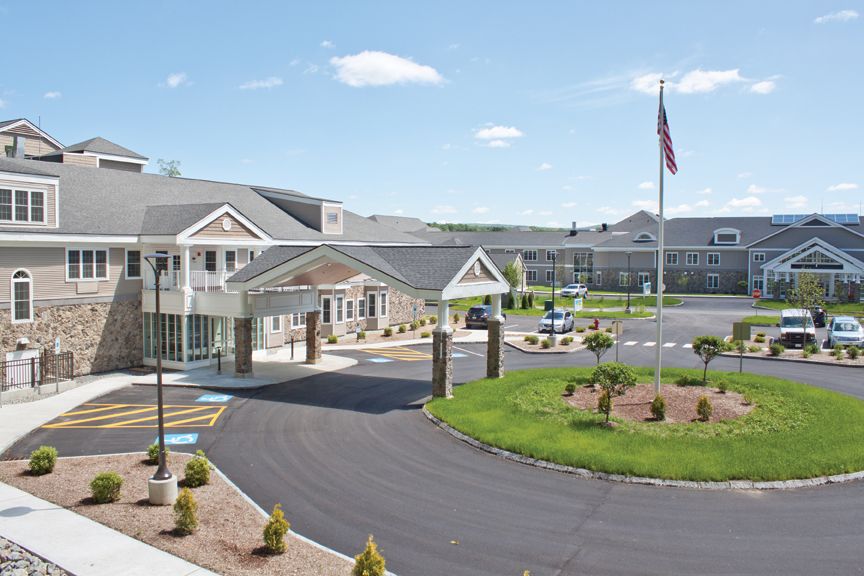
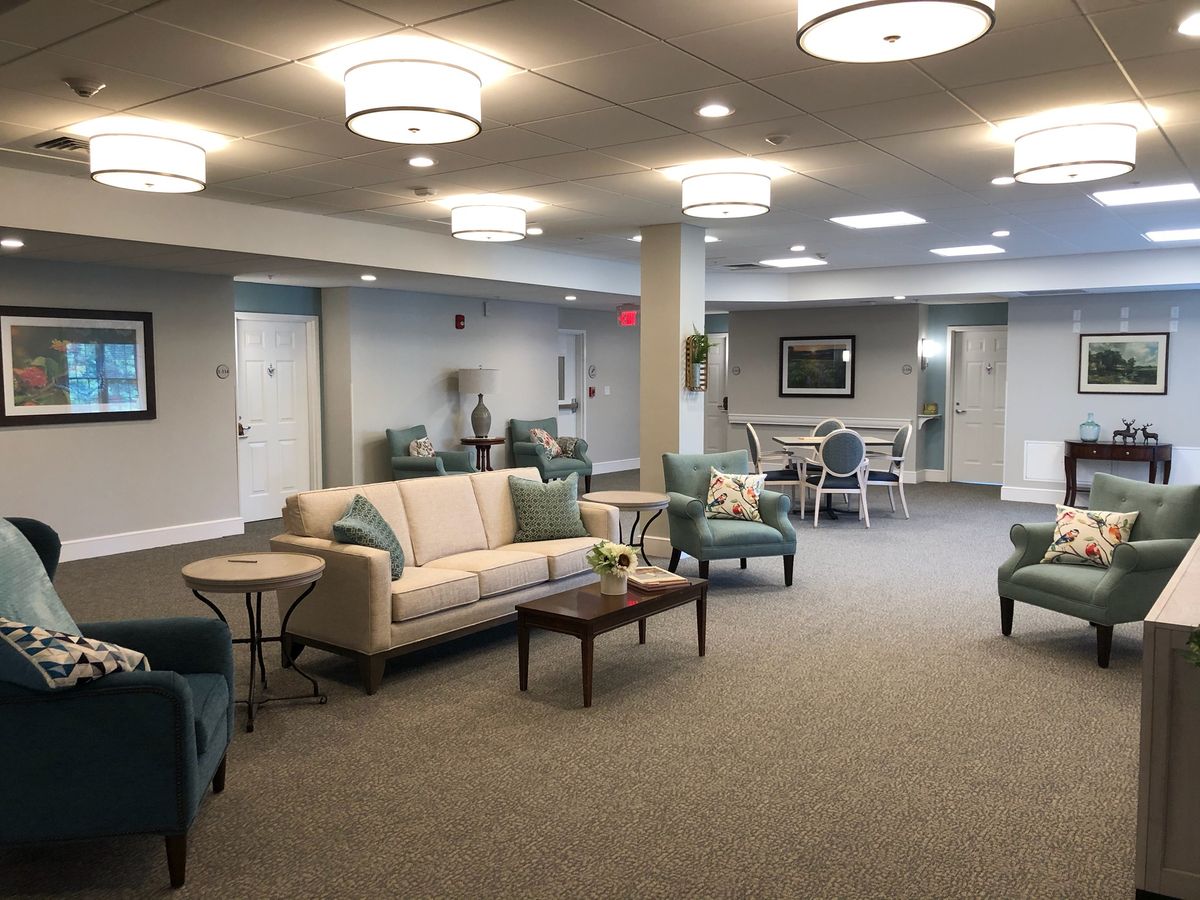
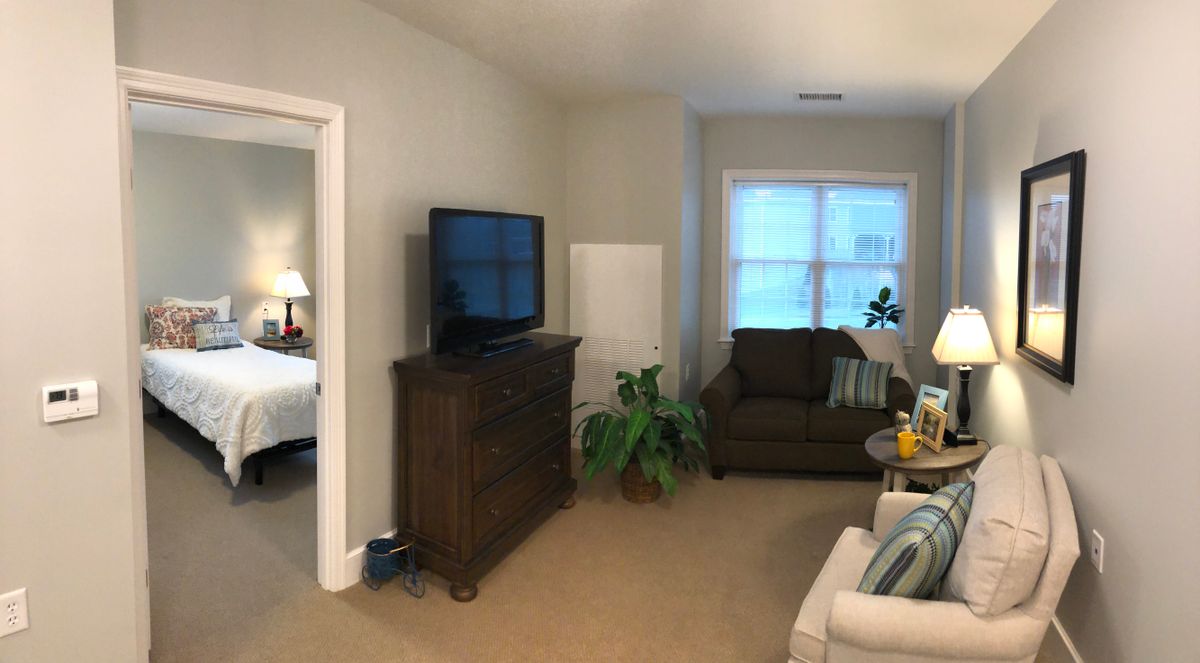

100 Wyman Rd, Keene, NH 03431
To contact a resident: (877) 519-0182
For more information about senior living options: (866) 208-4318
The Prospect Woodward Health Center at Hillside Village Costs & Pricing
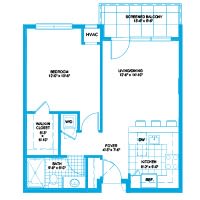
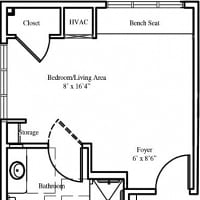
The Prospect Woodward Health Center at Hillside Village offers competitive pricing for its residents, with monthly costs reflecting the quality of care and amenities provided. For a one-bedroom unit, the monthly rate is $5,950, which is notably higher than both the county average of $4,793 and the state average of $4,444. Similarly, studio apartments are priced at $7,900, surpassing Cheshire County's median cost of $4,772 and New Hampshire's state average of $5,346. While these rates may be higher than regional benchmarks, they underscore the center's commitment to delivering exceptional services in a vibrant community setting.
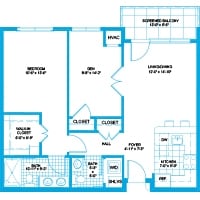
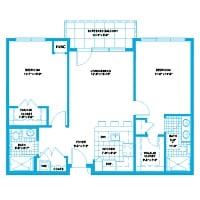
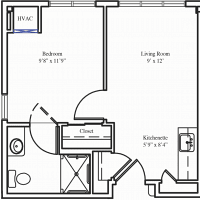
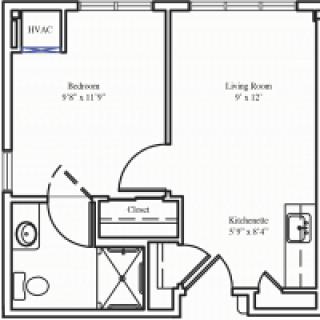
| Floor plans | The Prospect Woodward Health Center at Hillside Village | Cheshire County | New Hampshire |
|---|---|---|---|
| 1 Bedroom | $5,950 | $4,793 | $4,444 |
| Studio | $7,900 | $4,772 | $5,346 |
Overall Review of The Prospect Woodward Health Center at Hillside Village
Pros
 The Brook of Roscommon is a nice, welcoming community.
- Residents feel they are in good, caring hands.
- The atmosphere is warm and inviting.
- The dining program offers very good food with a wide variety of healthy, well-balanced options.
- The staff are friendly and attentive to residents' care needs.
- There are plenty of activities encouraged by the staff.
- Bingo is a favorite activity among residents.
- There are pleasant walkways to enjoy the outdoors and seating areas to relax.
- The community is highly recommended to others.
Review
Prospect Woodward Health Center at Hillside Village is best suited for seniors who want a warm, community-oriented environment with dependable supervision, steady routines, and a dining program that emphasizes healthy, varied meals. The strongest signals from evaluating top-tier assisted-living models show a place where residents quickly settle in because staff know preferences, engage residents in meaningful activities, and provide safe, accessible outdoor spaces for casual social time. For families, this profile translates into a residence that supports daily life through companionship, structured schedules, and a sense of belonging, especially for those who value social engagement as a core element of well-being and who prefer regular contact with caregivers.
Those who may want to consider alternatives include residents with higher-acuity medical needs that require around-the-clock skilled nursing or specialized memory-care support. Communities offering dedicated memory-care wings or more intensive medical oversight may be a better match for families prioritizing aggressive management of complex conditions. Additionally, if cost sensitivity is a primary constraint or if a shorter commitment is desirable, it pays to explore options with more flexible pricing or shorter-term residency terms. Proximity to family and convenient access for frequent visits are also critical factors; if Hillside Village’s location proves logistically challenging, other nearby options should be weighed.
The main strengths reflected in the benchmarked models, a warm, inviting atmosphere, staff who are friendly and responsive to care needs, and a dining program with healthy variety, are the levers that drive satisfaction and retention. When meals are well-planned and nutritionally balanced, residents eat better and maintain energy for activities. A robust calendar of engaging pursuits, coupled with staff encouragement, turns daily life into purposeful, social experiences rather than passive containment. Outdoor walkways and comfortable seating reinforce a sense of autonomy within a safe, supervised setting. Taken together, these elements significantly offset common concerns about loss of independence by providing genuine opportunities for connection and meaningful participation.
On the downside, typical considerations to scrutinize include cost/value alignment and the degree of medical integration. If the monthly fees rise without corresponding enhancements in healthcare oversight or personalized care planning, the financial equation weakens. Equally important are staff-to-resident ratios and turnover, which directly affect responsiveness and continuity of care. Families should demand transparency around pricing, request sample care plans, and probe how regularly plans are updated as conditions change. In short, the best-fit community balances the warmth of everyday interactions with clarity in governance, so families are never left guessing about what is included and how care will evolve.
Practically speaking, Prospect Woodward stands out for residents who cherish companionship, predictable routines, and the reassurance of attentive staff coupled with nutritious dining and outdoor accessibility. Those features, when they align with personal preferences for social life and safety, form a compelling argument in favor of pursuit, especially when other factors such as location, price, and care intensity all line up with the resident’s situation. The decisive test lies in on-site impressions: observe meal quality, pace of mealtime, and the responsiveness of staff; note the variety of activities and whether residents actually participate; and assess the ease of moving through the building to outdoor spaces. This is where the anticipated strengths translate into real-life satisfaction.
To make a well-informed decision, schedule a thorough tour, request to sample a meal, and observe a mealtime and activity firsthand. Ask for the current staff-to-resident ratio, inquire about the breadth of services included in current plans, and review the contract terms with attention to fee increases and add-on care options. Compare with nearby options that offer stronger specialty care or more favorable pricing structures. If possible, arrange a trial stay or respite arrangement to gauge fit without long-term commitment. The best choice will harmonize the resident’s preferences for social engagement and safety with transparent pricing and a clear path for evolving care needs, ensuring peace of mind for families and a dignified, comfortable daily life for the resident.
 61 resident community capacity
 Assisted Living
 Memory Care
 Activities off-site
 Air-conditioning
 Beautician on-site
 Cable or satellite TV
 Computer center
 Devotional services off-site
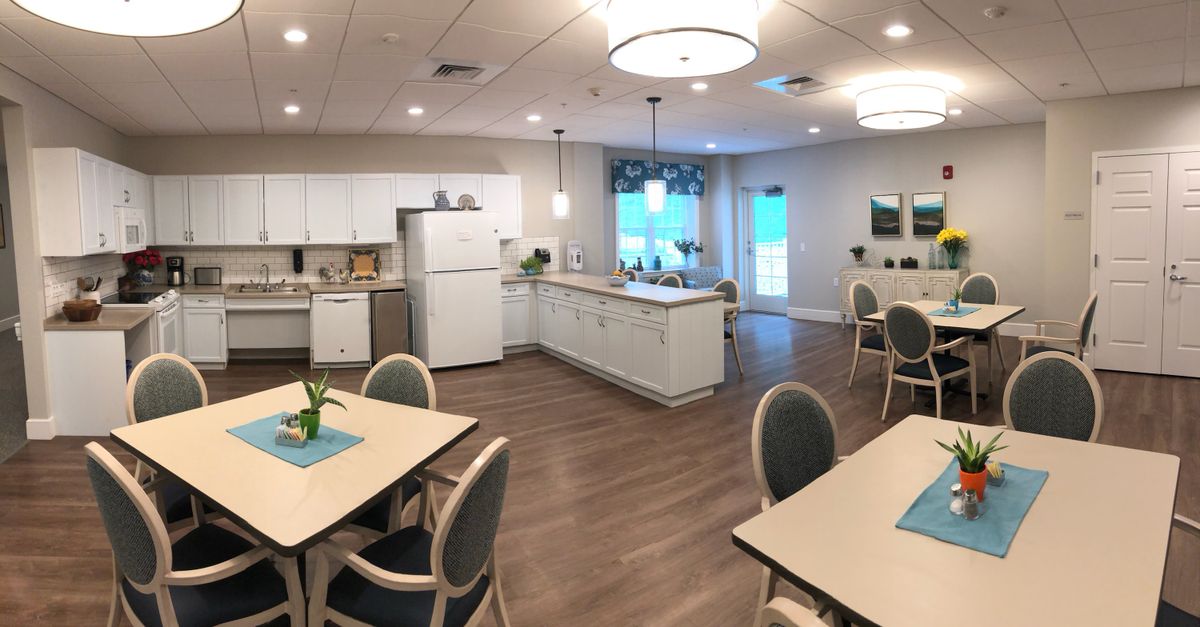
 Dining room
 Fitness room
 Fully furnished
 Gaming room
 Garden
 Ground floor units
 Handicap accessible
 Housekeeping services
 Indoor common areas
 Kitchenette
 Move-in coordination
 Outdoor common areas
 Private bathrooms
 Restaurant-style dining
 Small library
 Swimming pool / hot tub
 Telephone
 Wellness center
 Wheelchair accessible showers
 Wi-Fi/high-speed internet available
 Community operated transportation
 24-hour call system
 Ambulatory care
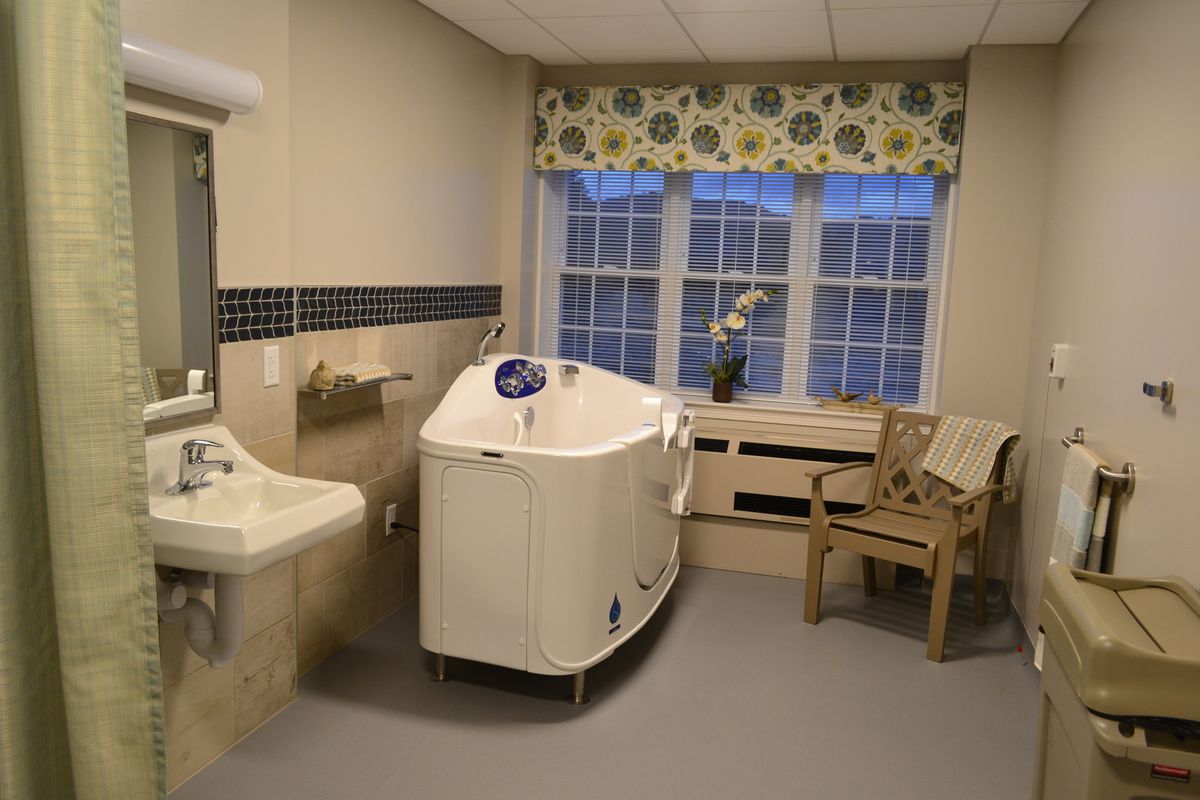
 Assistance with bathing
 Assistance with dressing
 Assistance with transfers
 Diabetes diet
 Diabetic care
 Incontinence care
 Medication management
 Mental wellness program
 Special dietary restrictions
 Art classes
 Bible study group
 Concierge services
 Cooking classes
 Day trips and outings
 Educational speakers / life long learning
 Happy hour
 Live musical performances
 Wine tasting


 Five Subtle Dementia Indicators to Observe: An In-Depth Guide to Understanding “Does My Mom Have Dementia?”
 Dementia, Paranoia, and Caregiver Guidance: Understanding the Connection
 Engaging Memory Care Activities That Enhance Quality of Life