Overall Review of Neurorestorative NH- Thompson House
differentiator21 reviews mention this
Support and accountability drive recovery
The program emphasizes structure and accountability to help residents stay on track.
Multiple residents describe a highly structured recovery environment with clear accountability expectations. Reviews repeatedly mention support alongside the structure, including daily groups, regular meetings, and an emphasis on taking required steps. Several also describe the approach as recovery-driven, with guidance meant to support sobriety over the long run.
common23 reviews mention this
Caring, welcoming people stand out
Residents consistently describe the community as welcoming and genuinely caring.
A large share of reviews highlight how welcoming and supportive the people are, including owners/coordinators and fellow residents. Many residents describe feeling cared for even during setbacks, and several call out an “extended family” feel. Even when residents compare from past sober-living experiences, they still describe this community as more caring and easier to talk to.
common7 reviews mention this
Homes are described as clean
Residents frequently mention a clean, well-kept home environment.
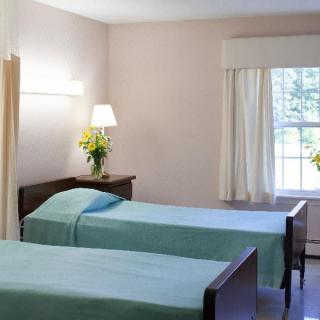
Several reviews call out the cleanliness of the house and describe it as well-run. Others mention comfortable living conditions like a clean, modern look and a comfortable bed. A few residents also contrast the cleanliness and upkeep favorably against prior sober-living homes.
common3 reviews mention this
Meetings and group structure matter
Residents describe recovery groups and meetings as part of daily life.
Some residents specifically mention daily groups that include AA and TLC, plus regular in-house meetings. Others describe a schedule that includes meetings as well as organized gatherings. At least one review notes that attending AA or NA meetings is required.
caveat10 reviews mention this
The program can feel strict
Some reviews suggest the accountability level can feel strict or overwhelming at first.
A handful of residents describe the program as strict and structured, including expectations that can be difficult to understand right away. One review also notes that residents may feel overly criticized at times, even though the intent is to strengthen recovery. Others mention a sense of close supervision or a watchful environment as part of staying accountable.
How we summarize
Counts show how many written reviews mention each theme; a review can touch several themes, and only frequently mentioned themes are displayed.
Features
Housing
4 resident community capacity
Types of Care
Assisted Living
Amenities
Cable or satellite TV
Dining room
Fully furnished
Garden
Housekeeping services
Move-in coordination
Outdoor space
Telephone
Wi-Fi/high-speed internet available
Care Services
24-hour supervision
Activities of daily living assistance
Assistance with bathing
Assistance with dressing
Assistance with transfers
Coordination with health care providers
Diabetes diet
Meal preparation and service
Medication management
Special dietary restrictions
Transportation arrangement (medical)
Transportation to doctors appointments
Dining
Diabetes diet
Special dietary restrictions
Activities
Community-sponsored activities
Scheduled daily activities
Nearby Places of Interest
Parks
Freedom Community Park (1.6 miles)
Chocorua Park (9 miles)
Davis Park Recreation Area (12.1 miles)
Boulder Loop Trailhead Albany (14 miles)
Mount Chocorua (14.4 miles)
Pine Hill (14.5 miles)
Wentworth State Park (14.7 miles)
Restaurants
Lynnski's Restaurant (2.5 miles)
Jake's Seafood Co. (5.9 miles)
McDonald's (6.8 miles)
Hobbs Tavern & Brewing Company (7.1 miles)
Rosie's Restaurant (7.4 miles)
The Carriage House Bistro and Tavern (9.3 miles)
Almost There Restaurant (11.8 miles)
Transportation
Windsock Village Airport (6.1 miles)
Conway Scenic Railroad - Conway Station (11.8 miles)
Neurorestorative NH- Thompson House is located at 266 Eaton Road, Freedom, NH 03836 in Carroll County, New Hampshire
Nearby Communities
Maureen D Eldridge
Freedom, NH
Comprehensive care and amenities with 24/7 supervision, tailored dining, medication management, and wellness programs.
Neurorestorative NH- Freedom House
Freedom, NH
24/7 supervision with ADL assistance, medication management, and transportation.
Homecarepros
Freedom, NH
5 from 2 reviews
Small, intimate community with round-the-clock supervision, medication management, and restaurant-style dining.
Integrated Rehabilitation Services
Ossipee, NH
24/7 supervision with medication management and wellness programs.
Neurorestorative NH- Wentworth House
Center Ossipee, NH
4.4 from 23 reviews
Intimate, 8-resident community offering personalized care with meals, housekeeping, transportation, and ADL support.
Community Living For Elderly Tamworth
West Ossipee, NH
5 from 1 review
Small, personalized community with comprehensive services including meals, housekeeping, medication management, transportation to appointments, daily activities, and fully furnished apartments.
Mountain View Community
Ossipee, NH
4.7 from 13 reviews
Comprehensive amenities and 24/7 care support
Mineral Springs
North Conway, NH
3.6 from 47 reviews
$6,825 / month
Positive notes on physical therapy and some staff; pleasant building and dining spaces.
Bella Point Fryeburg
Fryeburg, ME
3.2 from 11 reviews
Warm, welcoming community with attentive staff and engaging activities.
The VA Aid and Attendance benefit provides financial support to veterans needing assistance with daily living due to medical conditions or disabilities, augmenting standard VA pensions for services like in-home care. Eligibility is based on service duration, wartime status, income, and medical needs, with a detailed application process required to access funds for caregiving and home modifications.
Senior move management services assist older adults in the relocation process by providing emotional support and organizational help, addressing unique challenges like downsizing and moving from long-term homes. These specialists collaborate with real estate agents and manage logistics, making the transition smoother for seniors and their families.
The article examines senior housing options, detailing the distinctions between independent living and assisted living, along with the emerging "independent assisted living" model that blends both approaches. It highlights the importance of assessing individual needs, preferences, and financial factors in making informed decisions about suitable living arrangements for seniors.
Get PricingAsk A QuestionSchedule A TourContact Senior Advisor
By clicking submit, you agree to our Partner's Terms of Use. You
also consent to receive calls and texts, which may be autodialed, from our Partner. Your consent is not a condition to
using our Partner's service. Please visit our Partner's Privacy Policy for information about their privacy practices.



 4 resident community capacity
 Assisted Living
 Cable or satellite TV
 Dining room
 Fully furnished
 Garden
 Housekeeping services
 Move-in coordination
 Outdoor space
 Telephone
 Wi-Fi/high-speed internet available
 24-hour supervision
 Activities of daily living assistance
 Assistance with bathing
 Assistance with dressing
 Assistance with transfers
 Diabetes diet
 Meal preparation and service
 Medication management
 Special dietary restrictions
 Transportation arrangement (medical)
 Transportation to doctors appointments
 Comprehensive care and amenities with 24/7 supervision, tailored dining, medication management, and wellness programs.

 An Extensive Exploration of the VA Aid and Attendance Benefit
 Senior Transition Services: Understanding Their Role, Cost, and Importance
 Exploring the Path to Senior Living: A Comprehensive Look at Independent Living and Assisted Living