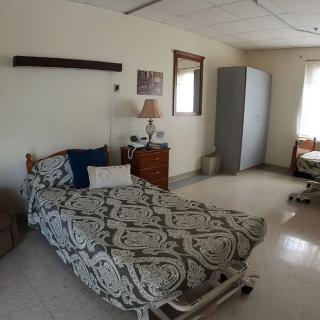
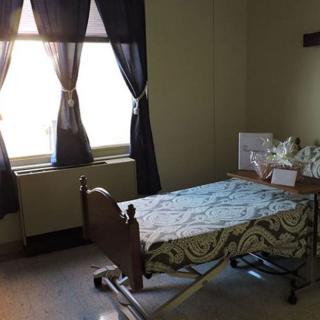
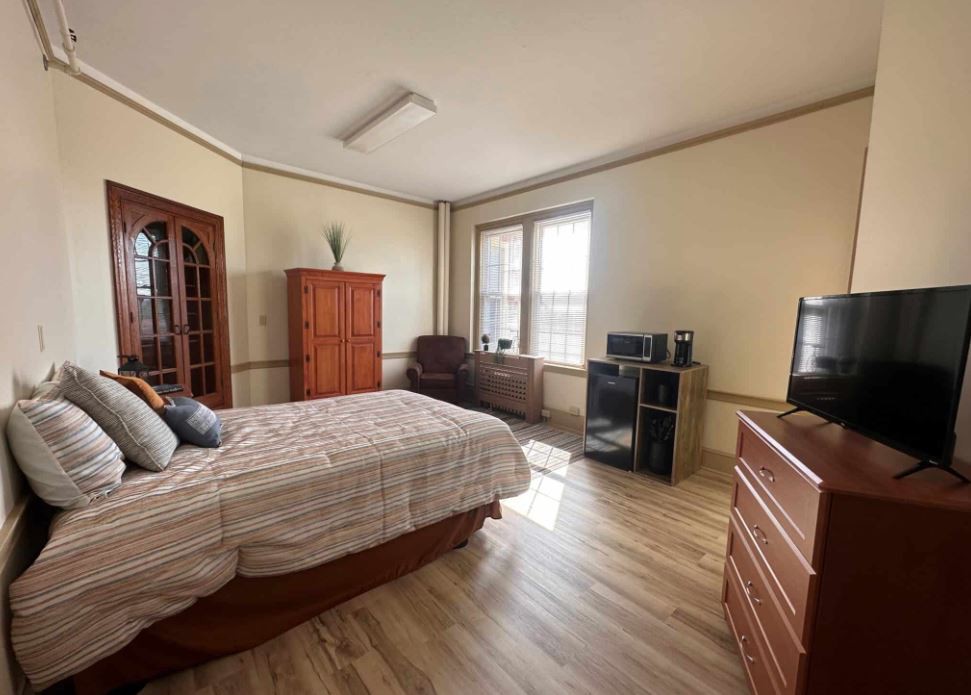
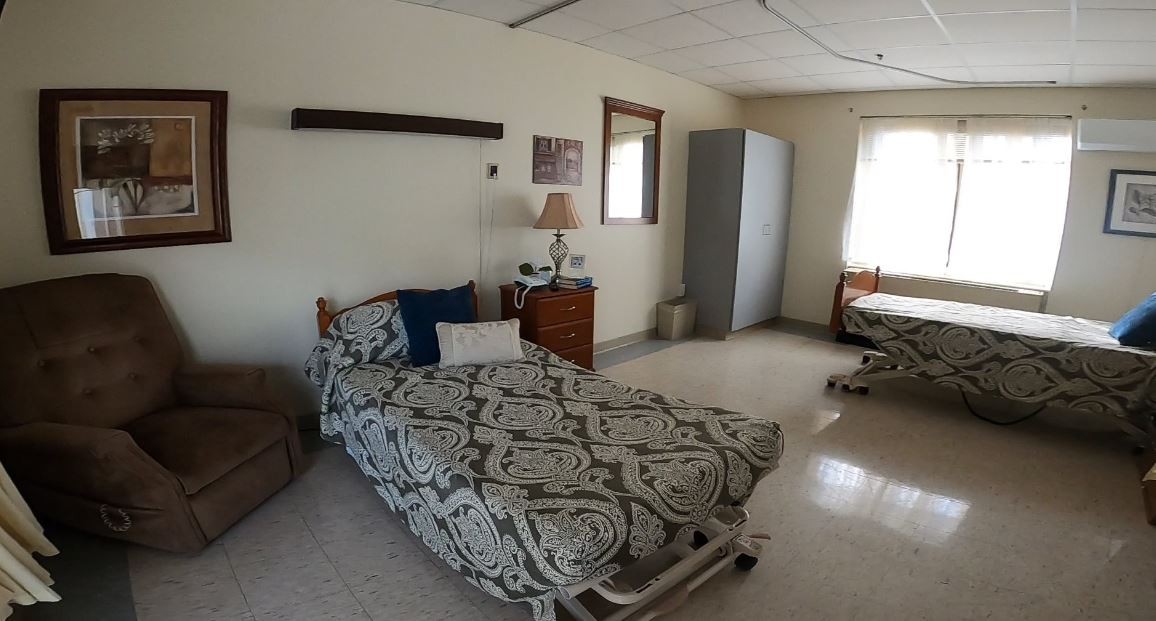
Overall Review of Presidential Oaks Assisted Living
differentiator
4 reviews mention this
Multiple care levels in one place
Residents describe moving between care levels on-site, including hospice.
Several reviewers say the community supports more than one phase of care without requiring them to relocate, including transitions from assisted living to long-term care or hospice. One family member also visited specifically because it offers multiple care levels and showed them the respite area and dining space. Another reviewer noted the nursing home portion felt different from assisted living, and they were glad to return after surgery. This aligns with the community offering assisted living alongside independent living and skilled nursing facility care types.
common
19 reviews mention this
Caring staff is a frequent theme
Staff are repeatedly described as caring, helpful, and responsive to needs.
Across the reviews, families frequently describe staff members as friendly, caring, and knowledgeable, with some calling out nurses, LNAs, and aides by name. Several reviewers also mention day-to-day attentiveness, respectful interactions, and staff being willing to assist. A smaller set of reviews report breakdowns, like insufficient supervision, difficulty getting attention, or staff members seeming annoyed. Taken together, residents consistently notice the people—both when things go well and when follow-through is missing.
common
6 reviews mention this
Activities keep residents engaged
Residents and families describe a steady schedule of activities.
Multiple reviewers talk about residents staying engaged through group activities and events, including music, scrabble, and bingo. Families also mention activities reaching residents who may not be able to get out easily. One review describes resident group activities happening across common areas, with staff helping or instructing. Another notes there were always things available for elderly residents, along with a social side of living there.
common
5 reviews mention this
Meals get mixed but specific feedback
Dining is discussed often, with room for improvement alongside strong preferences.
Several families say residents enjoy the food, and one reviewer mentions choosing from multiple options rather than feeling limited. Another family member describes being shown the dining area and requests accommodated if someone doesn’t like what’s being served. At the same time, at least one reviewer says the food wasn’t the best, even though it was better than another facility they had experienced before. Overall, dining comes up enough that it clearly affects day-to-day satisfaction.
caveat
3 reviews mention this
Theft and missing items worry families
Some families report missing belongings while residents are in care.
A recurring concern is theft or missing personal items. One reviewer describes stolen property and missing glasses after care had continued for some time. Another family member reports rings and other clothing disappearing over the years and warns other families to keep valuables out of reach. A third review describes a theft problem after belongings were brought to staff and emphasizes that follow-through was not provided as expected.
caveat
3 reviews mention this
Placement, communication, and pricing feel inconsistent
Some reviews describe confusing placement or pricing communication.
A few reviewers express frustration about admissions and what they were told during placement planning. One family describes being pressured around care needs and claims the process prioritized payment over Medicaid-related support. Another reviewer reports that after confirming a doctor situation, the day of move-in the price changed dramatically. A separate review also criticizes how staff handled expectations and communication, adding to the overall inconsistency some families experienced.
How we summarize
Counts show how many written reviews mention each theme; a review can touch several themes, and only frequently mentioned themes are displayed.


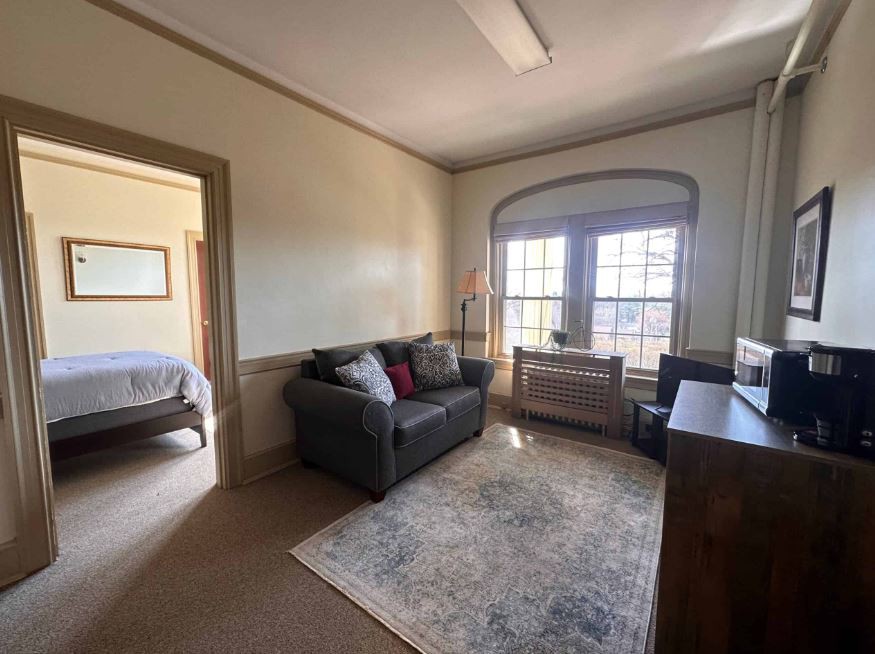
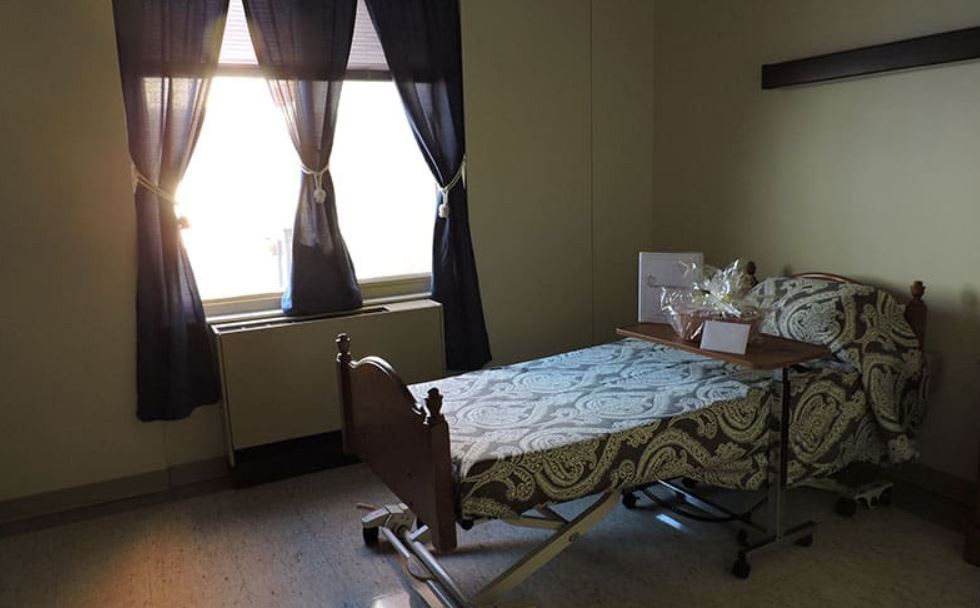
 Assisted Living
 Independent Living
 Skilled Nursing Facility
 Activities on-site
 Devotional services off-site
 Indoor common areas
 Manchester (19 miles away)
 Ambulatory care
 Diabetic care
 Meals provided
 Exceptional care and professionalism with personalized attention and engaging activities.





 Social Security Benefits and Assisted Living: Navigating Options Across the U.S.
 An Extensive Exploration of the VA Aid and Attendance Benefit
 Senior Transition Services: Understanding Their Role, Cost, and Importance