
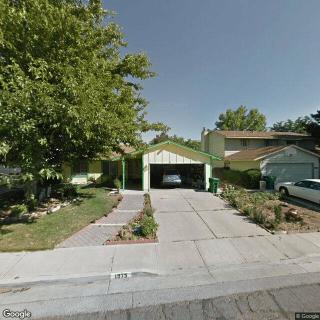
3235 Delna Drive, Sparks, NV 89431
For more information about senior living options: (866) 208-4318
Holy Family Home Care Costs & Pricing
Holy Family Home Care offers a range of accommodations with pricing that reflects its comprehensive services and care quality. For a studio, residents can expect to invest $6,085 monthly, which is significantly higher than the average costs in Washoe County at $4,320 and the state average of $3,567. The one-bedroom option is priced at $7,035, again exceeding both local and state averages. Private rooms are available for $8,455, showcasing a premium for personalized space and care that stands in contrast to the more affordable county rate of $4,224 and Nevada's average of $4,628. Lastly, the two-bedroom unit is offered at $8,535 monthly - higher than Washoe County's average cost of $5,454 while still remaining above the state average of $3,949. These figures demonstrate Holy Family Home Care's commitment to providing specialized care in a nurturing environment amidst broader market trends.
| Floor plans | Holy Family Home Care | Washoe County | Nevada |
|---|---|---|---|
| Studio | $6,085 | $4,320 | $3,567 |
| 1 Bedroom | $7,035 | $4,584 | $3,619 |
| Private | $8,455 | $4,224 | $4,628 |
| 2 Bedrooms | $8,535 | $5,454 | $3,949 |
Overall Review of Holy Family Home Care
Pros
 The mom is a dedicated caregiver at this home care, having served for several years.
- She provides care to patients as if they were her own family.
- The staff consistently provides quality care and ensures patient safety.
- The reviewer praises the mom for her dedication.
Review
Holy Family Home Care in Sparks is best suited for families who prize deeply personal, in-home care where continuity of caregivers and a safety-first mindset are nonnegotiable. The strongest signal from the available experience is a caregiving culture that treats patients like family, with long-standing relationships that translate into reliable daily routines, consistent attention, and a palpable sense of trust. This is not a facility-heavy model with broad amenities; it is an in-home care approach that leans on stable, devoted staff to sustain comfort, dignity, and individualized care over time.
Those weighing alternatives should consider what happens if medical complexity or 24/7 on-site nursing is nonnegotiable, or if the preferred environment includes a campus setting with structured social programming. If the caregiver-owned, home-based model meets most needs but falls short on the level of on-site medical oversight or the breadth of in-house services, families may want to compare with other agencies or facility-based options that offer more formal nursing availability, specialized memory care programming, or transitional care supports. The trade-off is clear: Holy Family’s strength is personalization and safety-oriented care, while some situations demand broader medical infrastructure.
The review’s clear upside centers on the caregiving ethos: staff who show up for years, treat patients with affection and respect, and vigilantly safeguard safety and quality. This combination cultivates a dependable, low-friction experience for families who want to minimize caregiver turnover and maximize continuity of care. When a caregiver becomes a familiar presence in a loved one’s daily life, communication improves, adherence to care plans strengthens, and small choices, meals, routines, activity engagement, become second nature rather than negotiated anew at every visit. That continuity amplifies comfort, reduces anxiety, and reinforces trust in the care being delivered.
In weighing potential drawbacks, the absence of explicit cons in the feedback means the decision rests on typical trade-offs inherent to home-care services. The most consequential questions become practical: can the agency guarantee a consistent caregiver team, what happens if a primary caregiver is sick or unavailable, and how are emergencies managed when a single-provider model is in effect? The strengths, care continuity, familial tone, and a safety-focused approach, offset these concerns when the agency demonstrates reliable backup plans, transparent scheduling, and a track record of stable staffing. Families should seek concrete assurances on coverage, response times, and the agency’s protocols for caregiver matching and continuity.
From a decision-making standpoint, the bottom line is practical and clear. For families who value a warm, family-like care environment with long-tenured caregivers and a demonstrable commitment to patient safety, Holy Family Home Care presents a compelling, well-aligned option in Sparks. It offers peace of mind that trusted caregivers will know the patient well, advocate for preferences, and maintain familiar routines that support well-being. For those requiring more aggressive medical oversight, facility-based amenities, or specialized, round-the-clock nursing, alternatives should be pursued with a clear understanding of how those options differ in staffing, supervision, and structure.
The recommended next steps are simple and practical. Request a detailed explanation of caregiver-to-patient ratios, the agency’s backup coverage policies, and the process for caregiver matching to ensure consistency with the loved one’s personality and needs. Ask for references and a clear outline of training, safety practices, and how care plans are monitored and updated. Confirm anticipated scheduling patterns, respite options, and billing mechanics so that expectations align with reality. With questions answered and confidence established in the caregiving team, Holy Family Home Care can be a strong ally for families seeking intimate, trustworthy, and safety-forward in-home care.
 8 resident community capacity
 Assisted Living
 Cable or satellite TV
 Dining room
 Fully furnished
 Garden
 Housekeeping services
 Move-in coordination
 Outdoor space
 Telephone
 Wi-Fi/high-speed internet available
 Reno Tahoe International (4 miles away)
 24-hour supervision
 Activities of daily living assistance
 Assistance with bathing
 Assistance with dressing
 Assistance with transfers
 Diabetes diet
 Meal preparation and service
 Medication management
 Special dietary restrictions
 Transportation arrangement (medical)
 Transportation to doctors appointments

 Comprehensive Residential Support and Assisted Living Solutions for Individuals with Disabilities
 Comprehensive Supportive Living Arrangements for Adults with Disabilities
 Funding and Affording Assisted Living: A Thorough Overview