
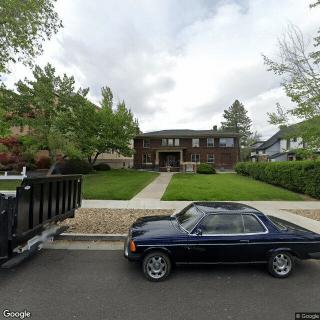
1255 Loma Verde Drive, Sparks, NV 89436
For more information about senior living options: (866) 208-4318

Overall Review of Good Old Days Home Care
Pros
 The staff are very kind, the facility is very clean, and the vibe is very relaxing.
- The caregivers and owners provide exceptional care for residents, with attentive care continuing after visits.
- The coordination between the staff and Kindred Hospice is wonderful.
- The communication with Good Old Days staff is excellent and very quick.
- Holidays and birthdays are celebrated, and the residents are happy and engage warmly with visitors.
- The staff are competent, kind, and caring, and the home is immaculately clean.
- The owners and caregivers are the very best, going out of their way to ensure residents receive the best possible care and access to professionals.
Cons
 This facility sounds great but if you are looking for placement, they do not accept Medicaid Group Home Waiver.
- This information should be available to Aging and Disability Services so they do not get put on the list for those looking for places under Medicaid.
- Having to put a family member into a care facility is one of the most difficult decisions for a family to make.
- The extra care is very much appreciated as it is difficult to leave a loved one in someone else's care.
Review
Good Old Days Home Care in Sparks, NV, is best suited for families seeking a small, home-like setting where a close-knit caregiving team knows residents well and daily life centers on warmth, personal attention, and quiet, reliable care. This community shines for an older adult who does not require heavy medical interventions every day but values continuity, steady staff presence, and a calm, reassuring atmosphere. It is especially appealing to families who want meaningful moments, celebrating birthdays, holidays, and small milestones, within a residence that feels like a welcoming home rather than an institution. The balance of compassionate staff, a clean environment, and a relaxed vibe makes it a practical choice for ongoing, present-focused care.
Those relying on Medicaid Group Home Waiver should know this community does not accept that program, which makes it a non-starter for some funding situations. Families in need of Medicaid coverage or requiring the specific services covered by waivers may want to consider alternatives that accept those funding streams. Additionally, if a loved one requires frequent skilled medical interventions, intensive rehab, or 24/7 on-site nursing with higher acuity levels, options with a more medically integrated footprint may prove more appropriate. In short, this is not the best fit for residents who must rely on Medicaid or on robust on-site medical engineering.
The strongest positives are tangible and recurrent: exceptionally kind, attentive staff; immaculately clean facilities; and a calming, homelike atmosphere that reduces the stress families feel about placement. Coordination with Kindred Hospice is seamless, ensuring that care plans align across teams and that comfort and dignity stay front and center. Communication is rapid and clear, so families are never left guessing about changes in a loved one’s condition or daily routines. Residents are engaged, with celebrations for birthdays and holidays, and staff members often chat with residents in a way that signals genuine relationships rather than mere tasks being checked off a list.
Those benefits offset the main con by delivering peace of mind through relationship-driven care. When a resident is part of this home, the care team’s investment of time, warmth, and practical support translates into steady days and predictable routines, which is invaluable for families navigating aging and caregiving responsibilities. The owners’ hands-on involvement, along with a network of doctors and foot care professionals who visit the home, helps keep care coordinated and comprehensive without requiring families to chase services themselves. It is precisely this integrated, attentive culture that turns what could be a stressful transition into a manageable, confidence-building experience.
The setting is clearly not a high-volume, medical-therapy-focused campus, which is important to acknowledge for families with broader clinical needs. The facility excels at daily caregiving, social connection, and end-of-life coordination, areas where intimate attention makes a real difference. However, the absence of Medicaid acceptance and the potential limits on highly intensive on-site medical services mean that some residents may outgrow the model as needs evolve. For those who prize a warm, home-like environment and strong, person-centered care, the strengths substantially outweigh these constraints; for others, especially those requiring robust, payer-supported medical infrastructure, exploration of alternatives remains prudent.
In the end, Good Old Days Home Care presents a practical, well-executed option for families prioritizing trust, continuity, and a genuinely comforting living environment. It is a strong recommendation for those who can pay privately or use resources outside Medicaid and who want a setting where staff know residents by name, celebrate life’s moments, and coordinate with hospice to keep comfort central. For anyone whose criteria hinge on Medicaid eligibility or on high-acuity medical services on-site, it is essential to compare other communities first. A visit to observe staff-resident interactions, ask about staff turnover, and confirm hospice coordination will reveal whether this home aligns with the specific care trajectory and funding plan.
 6 resident community capacity
 Assisted Living
 Cable or satellite TV
 Dining room
 Fully furnished
 Garden
 Housekeeping services
 Move-in coordination
 Outdoor space
 Telephone
 Wi-Fi/high-speed internet available
 Reno Tahoe International (7 miles away)
 24-hour supervision
 Activities of daily living assistance
 Assistance with bathing
 Assistance with dressing
 Assistance with transfers
 Diabetes diet
 Meal preparation and service
 Medication management
 Special dietary restrictions
 Transportation arrangement (medical)
 Transportation to doctors appointments


 Understanding the Distinctions: Assisted Living and Memory Care Explained
 Guiding Elderly Parents Who Refuse Assisted Living: 6 Practical Steps
 Your Comprehensive Guide to Luxury Assisted Living: Elevated Facilities, Amenities, and Costs