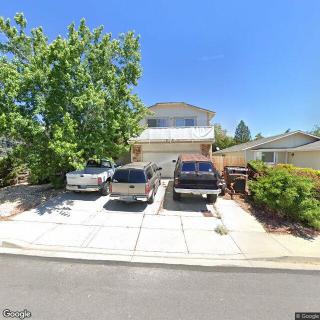
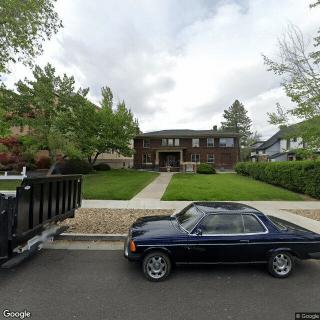
Saint Paul Home Care II in Reno, NV

4900 Koenig Road, Reno, NV 89506

For more information about senior living options: (844) 490-3973

3 from 2 reviews
Assisted Living

Overall Review of Saint Paul Home Care II

Pros

  • pro Clean place.
  • pro Caregivers are quite pleasant.

Cons

  • pro They rarely answer the phone, nor do they return calls.

Review

Saint Paul Home Care II in Reno is best suited for seniors who want a clean, home-like setting with supportive, friendly aides delivering basic daily care and companionship. This option works well for families that prefer a straightforward, low-tech care structure and place a premium on a well-kept environment and warm caregiver interactions over complex medical oversight. The staff interactions carry warmth, and the environment appears well kept, reducing concerns about cleanliness or basic safety. Yet the handling of administrative matters - most notably phone communication - points to a critical caveat. Prospective residents should be prepared for uneven responsiveness, which matters most when schedules, care updates, or urgent messages need timely attention.

Those who may want to consider alternatives include families that require consistent, rapid communication from leadership and a more proactive care-management approach. If a resident's needs extend beyond light daily assistance - such as frequent medical updates, rapid changes in condition, or a need for coordinated therapy - this operation may fall short. Additionally, families seeking robust activity programs, strong care coordination, or a tightly managed emergency response system will likely prefer larger agencies or community-based settings with formalized escalation procedures. In short, this community serves best when direct, personal care is prioritized over consistently reliable administrative contact.

Two visible positives balance some of the concerns: cleanliness and caregiver demeanor. The environment appears well-maintained, which reduces infection risk and supports comfort. The caregivers themselves are described as pleasant, suggesting attentive, person-centered interactions that can lift a resident's daily experience. For seniors who prize conversational companionship and steady daytime presence, those attributes carry real value. Cleanliness and compassionate staff can make daily routines smoother, improving mood, appetite, and adherence to simple routines. However, these strengths do not fully compensate for gaps in how communications flow when questions, scheduling changes, or urgent notices arise.

The core drawback is administrative responsiveness. The absence of prompt phone communication - staff not answering or returning calls - creates a friction point that can undermine trust, complicate scheduling, and delay important updates. In a setting where daily care hinges on timely coordination with families and external providers, such communication paralysis can escalate stress for both residents and their households, especially when families are not local. The limited sample of reviews also suggests variability in experiences; one resident may cherish warm care moments, while another feels left in limbo when trying to reach someone in charge. This inconsistency is hard to overlook.

Despite the shortcomings, the pros still matter for many seniors. If the priority is a clean, home-like atmosphere with genuinely kind caregivers and a straightforward, minimal-tech care plan, Saint Paul Home Care II can deliver a solid baseline experience. The question becomes whether the quality of daily interactions and the physical environment are enough to offset the risk of delayed responses and opaque communication channels. Families with flexible schedules, strong local oversight, or existing relationships with staff may find this balance workable. Those with significant medical needs or tight timelines for updates will want stronger guarantees elsewhere.

To pursue this option with greater confidence, establish concrete communication guardrails from day one. Assign a single point of contact for scheduling and care updates, request written progress notes, and set explicit expectations for return calls within a defined window. Request a tour that includes interactions with the administrative team to assess responsiveness first-hand. After an initial 30-day trial, re-evaluate in terms of call-back reliability, consistency of caregiver assignments, and whether care needs are being met without delay. If these criteria fail to improve, it is prudent to pivot toward providers with proven, reliable communication and a more comprehensive care-management framework.

Features

Housing

  • 10 resident community capacity 10 resident community capacity

Types of Care

  • Assisted Living Assisted LivingAssisted living facilities provide crucial support and care for seniors who may need help with daily tasks such as medication management, bathing, and meal preparation. These communities offer a safe and comfortable environment where seniors can maintain their independence while receiving the assistance they need to thrive in their golden years.

Amenities

  • Cable or satellite TV Cable or satellite TVCable or satellite TV is important for seniors because it provides entertainment, news, and companionship, helping to combat loneliness and boredom. It also offers a wide range of programming options tailored to different interests and preferences.
  • Dining room Dining roomDining rooms are important for seniors as they provide a space for socialization, connection, and nutritious meals. They offer opportunities for residents to bond over shared meals, foster a sense of community, and promote healthy eating habits. Dining rooms also ensure that seniors have access to well-balanced meals tailored to their dietary needs and preferences.
  • Fully furnished Fully furnishedFully furnished senior living communities are important for seniors because they provide convenience, comfort, and a hassle-free moving experience. Seniors can easily settle into their new living space without the stress of having to buy and move furniture. This allows them to focus on enjoying their new home and community.
  • Garden GardenGardens are important for seniors as they provide a peaceful and therapeutic environment for relaxation, physical activity, and socialization. Being in nature has been shown to reduce stress, improve mood, and promote overall well-being. Gardens also offer opportunities for seniors to engage in gardening activities, which can improve mobility, flexibility, and cognitive function. Additionally, gardens create a sense of community and connection with others who share a passion for plants and outdoor spaces.
  • Housekeeping services Housekeeping servicesHousekeeping services are important for seniors because they help maintain a clean and safe living environment, promote independence, and reduce the risk of accidents or illnesses. Additionally, having assistance with household chores can alleviate physical strain and allow seniors to focus on other aspects of their well-being.
  • Move-in coordination Move-in coordinationMove-in coordination is important for seniors because it helps ease the transition into their new living environment. It ensures that all logistics, such as packing, organizing movers, and setting up utilities are taken care of, allowing seniors to focus on settling in and adjusting to their new home. Having a smooth move-in process can alleviate stress and anxiety, making the transition smoother and more enjoyable for seniors.
  • Outdoor space Outdoor spaceOutdoor spaces are important for seniors as they provide opportunities for physical activity, social interaction, exposure to natural light and fresh air, and a sense of connection to nature. Having access to outdoor spaces can improve overall well-being and quality of life for older adults living in senior communities.
  • Telephone TelephoneTelephones are important for seniors as they provide a lifeline for communication with loved ones, emergency services, and healthcare providers. They offer a sense of security and independence, enabling seniors to stay connected and access assistance when needed.
  • Wi-Fi/high-speed internet available Wi-Fi/high-speed internet availableWi-Fi/high-speed internet is important for seniors to stay connected with loved ones, access online resources, and participate in virtual activities to combat feelings of loneliness and isolation. It also allows them to easily manage healthcare needs, access entertainment, and engage in lifelong learning opportunities.

Transportation

  • Reno Tahoe International (6 miles away) Reno Tahoe International (6 miles away)

Care Services

  • 24-hour supervision 24-hour supervision24-hour supervision is important for seniors to ensure their safety, well-being, and access to immediate assistance in case of emergencies or health issues. This constant support provides peace of mind for both seniors and their loved ones, allowing them to age in place with dignity and security.
  • Activities of daily living assistance Activities of daily living assistanceActivities of daily living assistance are important for seniors because they provide essential support with tasks such as eating, bathing, dressing, and mobility. This assistance helps seniors maintain their independence, dignity, and overall quality of life as they age.
  • Assistance with bathing Assistance with bathingAssistance with bathing is crucial for seniors as it helps maintain personal hygiene, prevents infections, and ensures their overall well-being and comfort. It also provides a sense of dignity and independence for seniors who may struggle with this task on their own.
  • Assistance with dressing Assistance with dressingAssistance with dressing is important for seniors because it helps maintain their independence, promotes personal hygiene, prevents accidents and injuries, and improves overall quality of life. This service ensures that seniors can continue to dress comfortably and confidently, despite any physical limitations they may have.
  • Assistance with transfers Assistance with transfersAssistance with transfers is crucial for seniors as it helps prevent falls and injuries, maintains their independence, and ensures they can safely navigate their living environment. It also provides peace of mind for both seniors and their loved ones.
  • Coordination with health care providers Coordination with health care providersCoordination with health care providers is crucial for seniors to ensure proper medical care, medication management, and overall well-being. This collaboration helps prevent overlapping treatments, track progress more effectively, and provide comprehensive support tailored to individual needs.
  • Diabetes diet Diabetes dietA diabetes diet is crucial for seniors as it helps manage blood sugar levels, reduce risks of complications, and improve overall health and well-being. By following a balanced and nutritious diet tailored to their specific needs, seniors can better control their diabetes and enhance their quality of life.
  • Meal preparation and service Meal preparation and serviceMeal preparation and service are crucial for seniors as they may have limited mobility or energy to cook nutritious meals. Having access to healthy and convenient food options can ensure they are getting the proper nutrition needed to maintain their overall health and well-being.
  • Medication management Medication managementMedication management is crucial for seniors to ensure they are taking the right medications at the correct dosages and times. This helps prevent adverse drug interactions, reduces the risk of medication errors, and promotes overall health and well-being. Proactive management also allows for adjustments as needed based on changing health conditions or new prescriptions.
  • Special dietary restrictions Special dietary restrictionsSpecial dietary restrictions are important for seniors because age-related changes in metabolism and health conditions can make it difficult for their bodies to process certain foods. By following a diet tailored to their specific needs, seniors can maintain their overall health and well-being, manage chronic conditions, and reduce the risk of complications such as malnutrition or food interactions with medications.
  • Transportation arrangement (medical) Transportation arrangement (medical)Transportation arrangements for medical purposes are essential for seniors as they may have difficulty driving themselves to appointments or accessing public transportation. Having reliable and safe transportation options ensures that seniors can receive timely medical care and maintain their health and well-being.
  • Transportation to doctors appointments Transportation to doctors appointmentsTransportation to doctors' appointments is crucial for seniors as it ensures they have access to necessary medical care and support for their health needs. Without reliable transportation, seniors may struggle to attend important appointments, leading to potential delays in treatment and health complications. Providing transportation services helps seniors maintain their overall well-being and quality of life.

Dining

  • Diabetes diet Diabetes dietA diabetes diet is crucial for seniors as it helps manage blood sugar levels, reduce risks of complications, and improve overall health and well-being. By following a balanced and nutritious diet tailored to their specific needs, seniors can better control their diabetes and enhance their quality of life.
  • Special dietary restrictions Special dietary restrictionsSpecial dietary restrictions are important for seniors because age-related changes in metabolism and health conditions can make it difficult for their bodies to process certain foods. By following a diet tailored to their specific needs, seniors can maintain their overall health and well-being, manage chronic conditions, and reduce the risk of complications such as malnutrition or food interactions with medications.

Activities

  • Community-sponsored activities Community-sponsored activitiesCommunity-sponsored activities are important for seniors as they provide opportunities for social interaction, mental stimulation, and physical activity. These activities can help improve overall well-being, combat loneliness and isolation, and promote a sense of belonging and purpose among older adults.
  • Scheduled daily activities Scheduled daily activitiesScheduled daily activities are important for seniors because they provide structure, socialization, mental stimulation, and physical activity. Engaging in regular activities can improve overall well-being and quality of life for seniors living in a community setting.

Description

Saint Paul Home Care II in Reno, NV is an assisted living community that offers a range of amenities and care services to ensure a comfortable and fulfilling lifestyle for its residents. The community provides a cozy dining room where residents can enjoy delicious meals prepared by the staff. The living spaces are fully furnished, creating a warm and inviting atmosphere.

For those who enjoy spending time outdoors, there is a lovely garden and outdoor space available. Housekeeping services are provided to maintain a clean and organized living environment. Move-in coordination is also offered to assist new residents with their transition.

Residents have access to telephone and Wi-Fi/high-speed internet services, allowing them to stay connected with loved ones and engage in online activities.

Care services at Saint Paul Home Care II include assistance with activities of daily living such as bathing, dressing, and transfers. The community also coordinates with health care providers to ensure that residents receive the necessary medical attention. There is specialized support for individuals with diabetes, including diet management. Medication management is provided to help residents stay on top of their medications.

The dining options at the community cater to special dietary restrictions, ensuring that every resident's needs are met when it comes to nutrition. Scheduled daily activities keep residents engaged and entertained.

The location of Saint Paul Home Care II offers convenience with several amenities nearby. There are five cafes, six parks, 16 pharmacies, 35 physicians' offices, and 35 restaurants in close proximity. Additionally, there is a place of worship nearby for those who value spiritual engagement. In case of medical emergencies or routine check-ups, two hospitals are also conveniently located nearby.

Overall, Saint Paul Home Care II provides a comfortable and supportive environment where seniors can receive personalized care while enjoying various amenities and convenient access to local amenities in the bustling city of Reno, NV.

Nearby Places of Interest

Restaurants

  • Bonanza Casino (0.4 miles)
  • Archie's (1.7 miles)
  • Sonic Drive-In (2.3 miles)
  • Roberto's Taco Shop (2.7 miles)
  • Del Taco (2.9 miles)
  • Golden Flower Vietnamese (2.9 miles)
  • 101 Taiwanese Cuisine (3 miles)

Parks

  • Rancho San Rafael Regional Park (1.9 miles)
  • Whitaker Park (2.7 miles)
  • Sage Street Park (3.2 miles)
  • Wingfield Park (3.4 miles)
  • Idlewild Park (3.6 miles)
  • Crissie Caughlin Park (4.4 miles)

Hospitals

  • Duwell International (2.3 miles)
  • Renown Rehabilitation Hospital (3.9 miles)

Physicians

  • Kristen Allegra Nork MD (2.3 miles)
  • Silver State Oms (2.7 miles)
  • Sweetwater Pain and Spine (2.8 miles)
  • Rich Philip A MD (2.8 miles)
  • O'Gara J Michael, DDS FAGD (2.8 miles)
  • Saint Mary's Imaging Services (2.8 miles)
  • Center For Health Internal Med (2.9 miles)

Pharmacies

  • Walgreens (2.7 miles)
  • CVS Pharmacy (2.9 miles)
  • CVS Pharmacy (2.9 miles)
  • Sierra Health Mart Pharmacy (2.9 miles)
  • CVS Pharmacy (2.9 miles)
  • Save Mart Supermarkets (3 miles)
  • Save Mart Supermarkets (3.1 miles)

Cafes

  • Too Soul Tea Co (3.8 miles)
  • Laughing Planet Cafe (3.9 miles)
  • Bibo Coffee Company / Bibo Freddo Gelato (3.9 miles)
  • Coffeebar McCarran (4.1 miles)
  • Coffeebar (4.4 miles)

Places of Worship

  • Immaculate Conception Catholic Church (4.2 miles)

Frequently Asked Questions

Where is Saint Paul Home Care II?

Nearby Communities

  • Saint Pauls Home Care III

    Saint Pauls Home Care III

    Reno, NV


    pro Fully furnished, all-inclusive assisted living with meals, housekeeping, and medical coordination.

  • Grandmothers Crib

    Grandmothers Crib

    Reno, NV


    pro Comprehensive assisted living with 24-hour supervision, daily living support, medication management, diabetes-friendly dining, and transportation.

  • Pleasant Care Group Home III

    Pleasant Care Group Home III

    Reno, NV


    pro Fully furnished living with meals, housekeeping, outdoor space, care coordination with providers, medical transportation, diabetes-friendly dining, and daily activities.

  • The Sienna Arbour

    The Sienna Arbour

    Reno, NV


    pro Comprehensive care (ADL support, 24/7 supervision, medication management, diabetes diet) with on-site dining, housekeeping, and move-in coordination.

  • Del's Loving Home Care I

    Del's Loving Home Care I

    Reno, NV


    pro Personalized, compassionate care in a warm setting with rich nearby amenities.

  • Angels Hand Care Home

    Angels Hand Care Home

    Reno, NV

    5 from 2 reviews
     

    pro Compassionate, attentive staff with engaging activities in a home-like setting.

  • Promenade on the River

    Promenade on the River

    Reno, NV

    4.4 from 37 reviews
     

    pro Friendly, professional staff with beautiful, riverfront amenities and an active social scene.

  • Stone Valley Memory Care & Transitional Assisted Living

    Stone Valley Memory Care & Transitional Assisted Living

    Reno, NV

    4.3 from 29 reviews
     

    pro Warm, engaging environment with compassionate staff and diverse activities.

  • Revel Rancharrah

    Revel Rancharrah

    Reno, NV

    4.8 from 82 reviews
    $3,500 to $5,485 / month

    pro Engaging activities, friendly staff, and excellent amenities create a vibrant independent-living community.

Assisted Living in Nearby Cities

Related Resources

  • activities of daily livingComprehensive Insights into Activities of Daily Living (ADLs) and Their Assessment

    Activities of Daily Living (ADLs) are fundamental tasks vital for an individual's independence, particularly in older adults over 85, and include functions like bathing and dressing; assessing ADLs alongside Instrumental Activities of Daily Living (IADLs) helps determine the level of required assistance due to age-related health challenges. Tailored support plans, involving family and community resources, are essential for maintaining dignity and autonomy in assisted living environments.

  • does medicare pay for assisted livingMedicare Coverage for Assisted Living: An In-Depth Exploration

    Medicare does not cover assisted living costs, as it focuses on acute medical needs and short-term care, with exceptions for certain medically necessary services like physical therapy. Individuals must explore other options such as Medicaid, veterans' benefits, or long-term care insurance to manage these expenses effectively.

  • assisted living vs nursing homeChoosing the Right Senior Care: A Detailed Exploration of Assisted Living and Nursing Homes

    Choosing between assisted living and nursing homes involves evaluating emotional and financial factors, with assisted living offering independence and support for daily activities at a lower cost, while nursing homes provide intensive medical care for individuals with significant health needs. The decision is influenced by personal preferences, health status, cognitive function, and varying Medicaid coverage across states.