
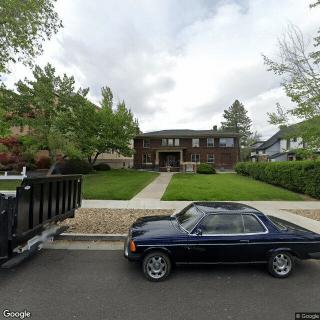
2690 Margaret Drive, Reno, NV 89506
For more information about senior living options: (866) 208-4318
Overall Review of Golden Valley Group Care
Cons
 Chains were on the refrigerator doors and freezers.
 - The grandmother was left covered in her own feces with no one changing her.
- The staff did not change the grandmother’s diaper.
- Residents were locked in a room at 8 o’clock at night and were not checked on for the rest of the night.
- The grandmother died the night she was taken home.
- The staff did not know she was gone from the facility when notified.
Review
Golden Valley Group Care in Reno, NV is best suited for families that can supervise care almost constantly and for residents whose needs are minimal enough to be managed with limited professional support. It is not suitable for anyone who requires reliable daily assistance, consistent safety checks, or dignity-centered care delivered by trained staff. Families with the bandwidth to supplement care through private aides or home-health services may squeeze a workable arrangement from a small operation, but the default expectation must be vigilant oversight. Those who prioritize transparent communication, proven safety records, and accountable caregiving should actively explore alternatives. In practice, the fit here hinges on how much external oversight a family can provide and whether the facility can deliver trustworthy, responsive care on top of that foundation.
From the available account, the week-long stay devolved into a sequence of alarming lapses. The grandmother was reportedly left in a concerning state, with chains observed on refrigerator doors and freezers, and caregivers allegedly failing to change her promptly. The reviewer repeatedly intervened for daily diaper care, signaling a breakdown in basic hygiene and oversight. Even more troubling, the resident was allegedly locked in a room by eight o’clock at night, with no overnight checks, leaving family members to bridge the gap. When the situation intensified, the family removed her and brought her home, where she died that night. The facility reportedly did not acknowledge the passing promptly to the family, intensifying concerns about communication and accountability.
These details point to deep safety and quality-of-care failures that no amount of external monitoring can excuse. A chain on appliance doors signals a climate of control rather than care, while locked rooms and absent nocturnal checks reveal a systemic gap in supervision. The absence of timely hygiene care, coupled with poor communication about a resident’s status and a lack of response when emergencies arise, creates an environment terrible for dignity and safety. In short, the risk of neglect and harm substantially outweighs any potential convenience of a smaller facility. Without demonstrable improvements, the cons decisively override any ambiguous positives.
Pros, if any, are not supported by the account. A smaller operation might offer closer attention in theory, but the documented failures erode trust and expose residents to clear hazards. The absence of positive outcomes in the narrative, no praise for staff, no evidence of structured routines, no visible oversight, means the facility cannot credibly offset the grave concerns with hypothetical benefits. Families evaluating care should not pretend that facility size or intimate setting alone can compensate for unreliable staffing and weak accountability.
Prospective families should inspect with a critical lens. Key actions include requesting a current, written care plan that details staff assignments, response times, and how daily needs are met; asking to observe a night shift to assess real supervision; calling current residents or families for candid feedback; verifying licensure and any recent disciplinary actions; reviewing incident logs and how complaints are handled; and insisting on a trial period or probationary plan. Additionally, require transparent reporting about staff turnover, training, and supervision policies. If there is any doubt about the ability to provide safe, respectful care, alternatives should be pursued aggressively.
Bottom line: Golden Valley Group Care presents unacceptable safety risks that override any perceived convenience. For most seniors, and for any family prioritizing safety, reliability, and dignity, stronger options with proven staffing, preventive care, and open communication are essential. If the decision is still on the table, demand concrete, verifiable improvements and a detailed plan backed by references; otherwise pursue alternatives with demonstrable records of compassionate, consistent caregiving and accountable leadership.
 10 resident community capacity
 Assisted Living
 Cable or satellite TV
 Dining room
 Fully furnished
 Garden
 Housekeeping services
 Move-in coordination
 Outdoor space
 Telephone
 Wi-Fi/high-speed internet available
 Reno Tahoe International (9 miles away)
 24-hour supervision
 Activities of daily living assistance
 Assistance with bathing
 Assistance with dressing
 Assistance with transfers
 Diabetes diet
 Meal preparation and service
 Medication management
 Special dietary restrictions
 Transportation arrangement (medical)
 Transportation to doctors appointments
 Small, personalized setting with 24-hour supervision and comprehensive care (meals, medication management, transportation, diabetes diet, care coordination).

 Senior Transition Services: Understanding Their Role, Cost, and Importance
 Exploring the Path to Senior Living: A Comprehensive Look at Independent Living and Assisted Living
 Is Assisted Living Deductible on Your Taxes? Understanding the Complexities of Assisted Living Expenses and Deductions